
Pests and Diseases
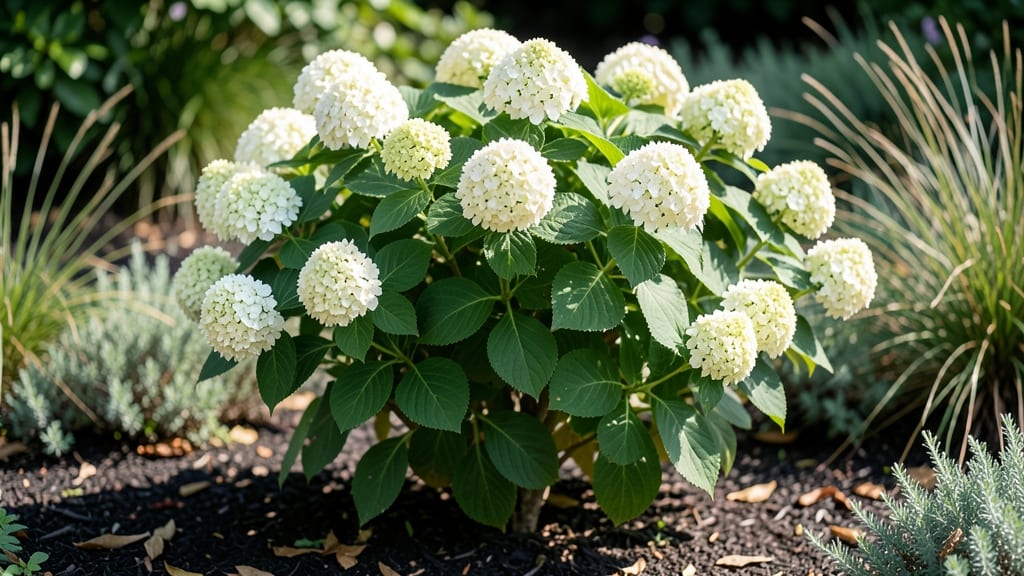
Growing smooth leaf hydrangea means year-round interest—even when other plants fade. 🌿 This cold-hardy beauty thrives in zones 4-9, offering lush foliage, fragrant blooms, and that "wow" factor in every season.
My first one surprised me by blooming twice in a single summer, and its deep green leaves stay vibrant through winter. The secret lies in moist, well-drained soil and morning sun with afternoon shade—too much direct sun scorches those gorgeous leaves.
I’ve seen them struggle in heavy clay, so amending with compost makes all the difference. Water consistently, but avoid soggy roots, which invite fungal issues. Once established, these hydrangeas reward you with bold, creamy-white blooms in summer and fiery red foliage in fall.
The key to keeping them thriving? Prune in late winter or early spring—just after the first blooms appear, you’ll see why gardeners can’t get enough of them. Perfect for borders, containers, or woodland gardens. Here’s how to keep yours looking its best all year—no green thumb required.
📚 In This Guide
- What you need
- Instructions
- Tips and common mistakes
- Wrapping up and next steps
What you need
- ● Pruning shears or loppers – Sharp, clean, and sterilized (70% isopropyl alcohol works great).
- ● Garden gloves – Heavy-duty, chemical-resistant (e.g., nitrile-coated) for safety.
- ● Hose or watering can with a nozzle – For targeted watering (avoid overhead spraying when leaves are wet).
- ● Fungicide (copper-based or neem oil-based) – 1–2 quarts (e.g., Bonide Copper Fungicide or Neem Bliss).
- ● Insecticidal soap or horticultural oil – 16 oz spray bottle (e.g., Safer Brand Insect Killing Soap).
- ○ Garden twine or stakes – For supporting heavy foliage (optional but helpful for large plants).
- ● Mulch (shredded bark or pine straw) – 2–3 inches to protect roots in winter.
- ● Soil test kit – To check pH (ideal: 5.5–6.2 for blue flowers, 6.5–7.0 for pink).
- ● Slow-release fertilizer (10-10-10 or 12-4-8) – 1–2 lbs per 100 sq ft in early spring.
- ● Systemic insecticide (e.g., imidacloprid) – For severe pest outbreaks (use sparingly).
- ● Plant tie clips – To secure stems without damaging bark.
- ● Rain gauge or moisture meter – For precise watering tracking (hydrangeas hate soggy roots!).
Step-by-Step care guide for thriving smooth leaf hydrangeas
Here’s how to coax those signature lush leaves and iconic blooms from your smooth leaf hydrangea—no guesswork required.
🌱 Step 1: Plant in the Right Spot for Year-Round Beauty
Smooth leaf hydrangeas (Hydrangea arborescens) love partial shade—think 4-6 hours of morning sun and afternoon shade in hotter climates. In cooler regions, they tolerate full sun, but leaves may scorch without afternoon relief. I dig a hole twice as wide as the root ball to encourage outward root growth, which prevents transplant shock.
Amend the native soil with 2-3 inches of organic compost mixed into the bottom of the hole. These plants thrive in moist, well-draining soil with a pH between 5.5 and 6.5—test your soil before planting. If your soil is heavy clay, add a 5-gallon bucket of perlite to improve drainage. Press the plant in firmly so the top of the root ball sits 1 inch below soil level—this prevents crown rot.
💧 Step 2: Water Deeply and Consistently for Lush Foliage
Water deeply once a week during the first growing season, aiming for 1-1.5 inches of water per week. You’ll know you’ve hit the mark when the soil feels damp 6 inches down—stick your finger in to check. Smooth leaf hydrangeas are drought-tolerant once established, but wilting leaves or dry soil mean it’s time to hydrate. I water at the base of the plant in the early morning to reduce evaporation and fungal risks.
Mulch 2-3 inches of shredded bark or wood chips around the base, keeping it 6 inches away from the stem. This conserves moisture, regulates soil temperature, and suppresses weeds. Replenish mulch annually—it breaks down faster than you’d think. Avoid over-mulching, which can suffocate roots and trap too much moisture.
☀️ Step 3: Prune Strategically for Healthier Growth
Prune smooth leaf hydrangeas right after flowering (late summer) or early spring before new growth appears. Remove dead, damaged, or crossing branches first—these compete for energy. Then, cut back last year’s stems by one-third to encourage bushier growth. I use clean, sharp pruners and make cuts at a 45-degree angle just above a leaf node or outward-facing bud.
Never prune in fall or winter—you’ll remove next year’s flower buds. If your hydrangea looks leggy, it’s a sign it needs more light or pruning. Avoid heavy pruning unless reviving an overgrown plant—these hydrangeas bloom on old and new wood, so drastic cuts can reduce flowers. After pruning, apply a balanced 10-10-10 fertilizer to support regrowth.
⏰ Step 4: Prepare for Winter to Ensure Cold Hardiness
Smooth leaf hydrangeas are USDA zones 3-9 hardy, but young plants or those in zone 3-4 need winter protection. Once the ground freezes, pile 4-6 inches of mulch around the base—this insulates roots from temperature swings. I also wrap the crown with burlap if temperatures dip below -10°F for extended periods, though mature plants usually handle winter just fine.
Skip spring fertilizing until late April or early May—early feeding encourages tender new growth that can’t handle late frosts. Watch for bud swell in early spring; this is your cue to remove winter mulch and fertilize lightly. If you see brown, mushy stems in spring, it’s likely crown rot from too much winter moisture—reduce watering and improve drainage immediately.
🌿 Step 5: Maintain Soil pH for Blue or Pink Blooms
Smooth leaf hydrangeas don’t change color like their bigleaf cousins, but soil pH affects bloom size and vibrancy. Test your soil annually—aim for 5.5-6.5 for optimal growth. If your blooms look small or sparse, amend the soil with elemental sulfur (to lower pH) or lime (to raise it). I mix 1 pound of sulfur per 100 square feet into the top 6 inches of soil in fall for gradual adjustment.
Feed once in early spring with a slow-release granular fertilizer (like 10-10-10) and once in midsummer with a low-nitrogen, high-phosphorus formula (like 5-10-10) to encourage blooming. Over-fertilizing leads to leafy growth at the expense of flowers, so follow package rates precisely. Water deeply after fertilizing to prevent root burn.
Tips & tricks for perfect smooth leaf hydrangea growth
These practical insights will help you avoid common pitfalls and maximize your smooth leaf hydrangea's potential for year-round beauty.
Sunlight Strategy: When planting in Step 1, pay close attention to your specific climate. In hotter regions, those 4-6 hours of morning sun are crucial—afternoon shade prevents leaf scorch. I've seen hydrangeas in full sun develop crispy edges, so if your leaves look stressed, consider moving them to a sunnier morning spot with afternoon shade. The key is observing how your plant responds during the first growing season.
Soil Preparation Insight: The 2-3 inches of organic compost in Step 1 isn't just about nutrients—it's about creating the right soil structure. For heavy clay soils, that 5-gallon bucket of perlite is a game-changer. I've found that mixing perlite creates pockets for air and water movement, which prevents that dreaded crown rot. If your soil feels compacted when you press it, you're on the right track.
Watering Technique: That 1-1.5 inches of water per week in Step 2 needs to penetrate deeply. I use a rain gauge to measure, but you can also use a tuna can buried near the plant—when it's filled to 1.5 inches, you've hit the mark. The finger test at 6 inches down is foolproof, but remember that clay soils may need slightly more frequent watering to achieve the same moisture level.
Pruning Precision: The one-third stem reduction in Step 3 might seem drastic, but it's essential for bushier growth. I always make my cuts at a 45-degree angle just above an outward-facing bud—this encourages new growth in the right direction. If you're unsure which buds are outward-facing, look for the ones pointing away from the center of the plant. This small detail makes all the difference in your hydrangea's shape.
Pro Tips for Smooth Leaf Hydrangea
- These practical insights will help you avoid common pitfalls and maximize your smooth leaf hydrangea's potential for year-round beauty.
- Sunlight Strategy: When planting in Step 1, pay close attention to your specific climate.
- Soil Preparation Insight: The 2-3 inches of organic compost in Step 1 isn't just about nutrients—it's about creating the right soil structure.
Frequently asked questions
Got questions about your Smooth Leaf Hydrangea? You’re not alone!
Here are some of the most common concerns—plus quick, actionable answers to keep your shrub thriving.
How cold-hardy is Smooth Leaf Hydrangea, really?
The Hydrangea arborescens (including ‘Annabelle’ and ‘Incrediball’) typically handles USDA Zones 3–9, surviving winter temps down to -30°F (-34°C). For extra protection in harsh climates, mulch heavily (3–4 inches) with shredded bark or leaves. Pro tip: Young plants may need winter wraps in Zone 3!
Why are my leaves turning brown or crispy?
Brown, crispy edges usually signal underwatering or overwatering. Smooth Leaf Hydrangeas prefer consistently moist (not soggy) soil. Check soil 1–2 inches deep—if dry, water deeply. Yellowing leaves? Overwatering or poor drainage might be the culprit. Fix it: Amend soil with compost and ensure pots/drainage areas have holes.
When (and how) should I prune for the best blooms?
Prune after flowering (late summer to early fall) to avoid cutting off next year’s buds. Use clean, sharp shears to remove dead or crossing branches and shape lightly. Never prune in winter—it exposes tender stems to cold damage. Bonus: Pruning also encourages denser foliage!
Are Smooth Leaf Hydrangeas prone to pests or diseases?
They’re disease-resistant but can attract aphids, scale, or powdery mildew in humid climates. Prevent pests: Spray with water to dislodge aphids or use neem oil. For mildew, improve airflow and avoid overhead watering. Act fast: Remove heavily infested leaves immediately.
Can I grow Smooth Leaf Hydrangea in containers?
Choose a large pot (15+ gallons) with drainage holes and use well-draining potting mix. Container plants dry out faster—water every 2–3 days in summer. Winter tip: Move pots to a sheltered spot or wrap in burlap to protect roots from freezing temps.
What’s a good alternative if my hydrangea struggles in my climate?
If your area has extreme heat or poor soil, try:
- ‘Endless Summer’ Hydrangea (reblooms, slightly less cold-hardy)
- Oakleaf Hydrangea (drought-tolerant, stunning fall color)
- Panicle Hydrangea (disease-resistant, thrives in full sun)
Wrapping up and next steps
Caring for your smooth leaf hydrangea doesn’t have to be a challenge—with the right knowledge, you can keep its lush foliage thriving even through cold winters! 🌿 From pruning at the right time to watching for pests and diseases, these steps ensure your plant stays vibrant and healthy.
Armed with these tips, you’re now ready to enjoy year-round beauty with confidence.
Ready to take the next step? Monitor your hydrangea regularly and adjust care as the seasons change. Happy gardening—your green thumb will thank you! 🌟