
Planting
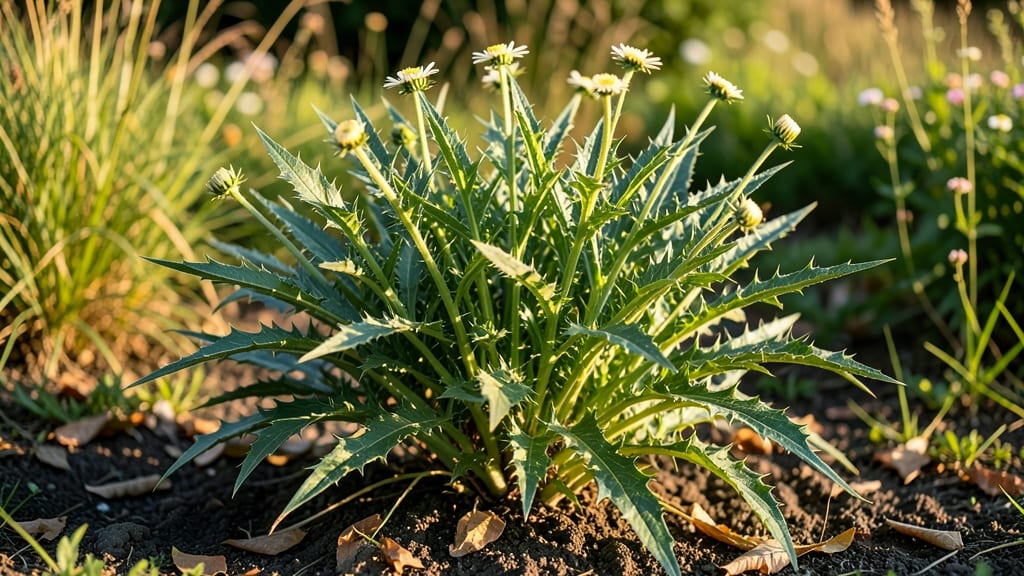
Growing spiked leaf plants like Yucca or Agave turns your garden into a dramatic, low-maintenance showstopper. 🌿 These architectural plants thrive in heat and drought once established, and their striking foliage stays eye-catching all year—no seasonal color change required.
The secret to success? Balancing sunlight, soil, and water in a way that mimics their natural desert or tropical habitats.
Most spiked leaf plants—think Dracaena marginata or Hesperaloe—crave full sun (6+ hours daily) and well-draining soil to prevent root rot. Overwatering is the #1 killer, so let the top 2 inches of soil dry out between waterings.
Amend heavy clay with sand or gravel for that perfect gritty texture they crave. Pruning is minimal; just trim dead fronds or leggy growth to keep the plant tidy and encourage new growth.
What you’ll love most is how these plants reward patience with bold, architectural presence—no fuss, no fluff. A mature Yucca can reach 10 feet tall, while Agave delivers sculptural rosettes that glow under moonlight.
They’re also cold-hardy in zones 5-11, making them perfect for borders, containers, or even urban rooftops. The trade-off? Some varieties (like Agave) have sharp spines, so wear gloves when handling.
Common challenges? Mealybugs or fungal spots can pop up if humidity’s too high, but a simple spray of neem oil usually clears them up. For best results, group spiked leaf plants with other drought-tolerant pals like lavender or sedum—they’ll thrive together with minimal effort.
Ready to add some drama to your landscape?
Why Leaves Turn Spiky
If your once-lush spiked leaf plant (like Aciphylla colensoi or Dryopteris wallichiana) is now sporting sharp, jagged edges instead of smooth foliage, don’t panic—it’s usually a sign of stress, not disease.
Understanding the root causes helps you fix the issue before it worsens. Below, we break down the most common triggers, complete with actionable science-backed fixes.
Spiked leaf plants thrive in consistent, moderate climates—too much heat or cold can shock their growth patterns, causing leaves to develop sharp, spiky edges as a survival mechanism. Here’s why:
- Cold Stress: When temperatures drop below the plant’s hardiness zone (typically 5–9 for most spiked varieties), cell division slows, and the plant prioritizes structural rigidity over soft growth. This leads to thicker, spikier leaves as a protective adaptation.
- Heat Scorch: Sudden spikes above 85°F (29°C) can cause osmotic stress, where water loss outpaces absorption. The plant responds by reducing leaf surface area to conserve moisture—hence the spikes!
- Frost Damage: Ice crystals forming in leaf tissues rupture cell walls, triggering a repair response that often results in abrupt, jagged regrowth.
💡 Fix It:
- Move potted plants to a sheltered spot during temperature swings (e.g., under a patio awning or in a greenhouse).
- For outdoor plants, mulch heavily (3–4 inches of straw or wood chips) to insulate roots and stabilize soil temps.
- In hot climates, provide afternoon shade and increase watering frequency (but avoid soggy soil—see next section!).
- If frost is likely, cover plants with frost cloth at dusk and remove it once temps rise above freezing.
Water is the #1 culprit behind spiky leaf growth—both underwatering and overwatering disrupt the plant’s hydration balance, leading to stress responses. Here’s the science:
| Issue | Why It Causes Spikes | Signs to Watch For |
|---|---|---|
| Underwatering | The plant shrivels to conserve water, and new growth becomes hardened with spiky edges to reduce moisture loss. | Crispy leaf edges, soil pulling away from pot sides, wilting despite water. |
| Overwatering | Root suffocation starves cells of oxygen, forcing the plant to grow thicker, spiky leaves as a compensatory mechanism. | Yellowing leaves, mushy stems, foul-smelling soil, water pooling in saucers. |
| Inconsistent Watering | Fluctuating moisture levels disrupt nutrient uptake, leading to abnormal cell development. | Striped or patchy leaves, slow growth, soil that’s sometimes dry, sometimes soggy. |
💡 Fix It:
- Check soil moisture by sticking your finger 1–2 inches deep. Water when the top layer feels dry but not bone-dry.
- Use well-draining soil (mix potting soil with perlite or sand for outdoor beds).
- Water deeply but infrequently—aim for 1–2 times per week (adjust for climate).
- If overwatered, repot in fresh, dry soil and hold off on watering for 3–5 days to let roots recover.
- For underwatering, soak the pot for 10–15 minutes, then drain excess water to avoid root rot.
Spiky leaves can signal that your plant isn’t getting the right nutrients to grow smoothly. Two key deficiencies often trigger this:
- Nitrogen (N) Deficiency: Nitrogen fuels leaf expansion. Without enough, new growth becomes hard, narrow, and spiky as the plant prioritizes survival over size.
- Calcium (Ca) or Magnesium (Mg) Imbalance: These minerals help cell wall formation. A lack of calcium causes weak, brittle edges that may appear spiky, while magnesium deficiency leads to interveinal spiking (edges turn jagged between veins).
💡 Fix It:
- Test your soil with a DIY kit or send a sample to a local extension office for a full analysis.
- If nitrogen is low, apply a balanced fertilizer (10-10-10) in spring and early summer.
- For calcium/magnesium issues, use:
- Crushed eggshells or oyster shell grit (for calcium).
- Epsom salt (magnesium sulfate)—dissolve 1 tbsp in a gallon of water and water plants monthly.
- Avoid high-phosphorus fertilizers (like bone meal), which can lock out calcium and worsen spiking.
While less common, insects or fungal infections can physically damage leaves, causing the plant to regrow with abrupt, spiky edges as a repair response. Here’s what to suspect:
- Sap-Sucking Pests (Aphids, Spider Mites): These pierce leaves to feed, disrupting cell integrity and triggering jagged regrowth.
- Fungal Leaf Spot: Pathogens like Alternaria cause irregular cell death, leading to uneven, spiky edges on new leaves.
- Root-Knot Nematodes: These microscopic worms damage roots, starving the plant and causing stunted, spiky foliage.
💡 Fix It:
- Inspect leaves for pests (tiny webs, sticky residue, or holes). Treat with neem oil or insecticidal soap.
- For fungal issues, remove damaged leaves and apply copper fungicide or a baking soda spray (1 tsp baking soda + 1 quart water + a drop of dish soap).
- If nematodes are suspected, solarize soil (cover with clear plastic for 4–6 weeks in summer) or repot with sterilized soil
Quick fixes for spiky foliage fails
Even the hardiest spiky-leaved perennials can throw a curveball—whether it’s wilted fronds, browning tips, or pests crashing the party. But don’t panic! With the right moves, you can nurse your plant back to its dramatic, year-round glory.
Below, we’ve mapped out the most common issues and their easy, actionable fixes, plus pro tips to keep your plant thriving long-term.
Your spiky-leaved beauty thrives on consistency, not soggy soil or bone-dry roots. Here’s how to strike the perfect balance:
- 🔥 Fix: Stick your finger 1–2 inches into the soil. If it’s damp, hold off on watering. If it’s dry as a desert, give it a deep drink until water drains from the bottom.
- 🍳 Adjust Your Routine:
- Use a well-draining mix (add perlite or sand if your soil is heavy clay).
- Water early in the day to reduce evaporation and fungal risks.
- For containers, ensure pots have drainage holes—no exceptions!
- 💡 Prevention Tip: Group plants with similar water needs together (like your spiky-leaved pal with other drought-tolerant perennials) to simplify care.
If your plant’s spikes are looking bleached or crispy, it’s begging for shade relief. Here’s how to dial back the intensity:
- 👨🍳 Immediate Fix:
- Move it to a spot with morning sun + afternoon shade (e.g., east-facing window or dappled sunlight outdoors).
- Use a light sheer curtain or shade cloth (30–50%) if you can’t relocate it.
- 🌡️ Long-Term Solution: Gradually acclimate your plant to brighter conditions over 2–3 weeks if you’re upgrading its light situation.
- ✨ Pro Tip: Mulch around the base with organic matter (like straw or wood chips) to keep roots cool and retain moisture.
Spiky leaves aren’t pest-proof—aphids, spider mites, and scale can still throw a fit. Here’s how to evict them:
| Pest | Signs | Fix |
|---|---|---|
| Aphids | Sticky residue (honeydew), curled leaves | 🔪 Blast off with a strong stream of water. Repeat every 3 days. For stubborn cases, use neem oil (1 tsp per quart of water). |
| Spider Mites | Tiny webs, yellowing leaves | 🌿 Isolate the plant and wipe leaves with a damp cloth. Spray with soapy water (1 tsp mild soap per quart) weekly. |
| Scale | Bumpy, shell-like pests on stems/leaves | 🍎 Scrape off with a soft brush or cotton swab dipped in rubbing alcohol. Follow up with horticultural oil. |
💡 Prevention: Encourage beneficial insects (like ladybugs) by planting nearby herbs (e.g., basil, dill). Avoid over-fertilizing—pests love lush, weak plants!
If your spiky-leaved plant looks limp, blackened, or mushy after a freeze, it might need a little TLC to bounce back:
- 🔥 Assess the Damage:
- Cut back dead or mushy stems to healthy tissue with sterilized scissors.
- If roots are intact, new growth should sprout in spring.
- 🌡️ Protect Next Winter:
- Mulch heavily (4–6 inches) with straw or leaves before the first frost.
- For container plants, wrap pots in bubble wrap or move them to a sheltered spot.
- ✨ Pro Tip: Choose cold-hardy varieties (like Yucca filamentosa or Agave parryi) if your climate dips below 20°F.
Yellowing leaves or stunted growth? Your plant might be hungry. Here’s how to fix it:
- 🍳 Diagnose the Problem:
Symptom Likely Deficiency Fix Yellow lower leaves Nitrogen Apply a balanced fertilizer (10-10-10) in spring. Purple-tinged leaves Phosphorus Use a phosphate-rich fertilizer (like bone meal) or compost. Weak stems, dark spots Magnesium (or overwatering) Add Epsom salt (1 tbsp per gallon of water) every 2 weeks. - 💡 Prevention: Test your soil annually and amend with compost in early spring to build nutrients naturally.
Most issues with spiky-leaved perennials boil down to water, light, or love—and with these fixes, your plant will be back to its dramatic, low-maintenance best in no time. 🌿✨
Frequently asked questions about spiked leaf plants
What are the most popular types of spiked leaf plants for home gardens?
Top picks include Yucca (drought-tolerant and architectural), Agave (sculptural rosettes), Dracaena marginata (dragon tree, great for indoor spaces), and Hesperaloe (hardy and cold-resistant). These thrive in full sun and well-draining soil, making them perfect for both outdoor landscapes and containers.
How do I prevent my spiked leaf plant from getting too leggy?
Prune leggy growth by cutting back to a healthy node in early spring. For Yucca or Dracaena, you can also rotate the pot quarter-turn weekly to encourage even growth. Avoid over-fertilizing—too much nitrogen promotes soft, weak stems instead of strong, upright spikes.
Are spiked leaf plants safe for pets?
Most aren’t toxic, but some like Agave contain saponins that can cause stomach upset if ingested. Yucca and Dracaena are generally safer but can still irritate pets if chewed. Keep plants out of reach or opt for pet-friendly alternatives like Haworthia (a succulent with spiky leaves that’s non-toxic).
Can I grow spiked leaf plants indoors?
Yes! Dracaena marginata and Haworthia thrive indoors with bright, indirect light (east or west windows). Use well-draining pots and water only when the top 1–2 inches of soil are dry. Avoid cold drafts—most spiked leaf plants prefer temperatures above 60°F (15°C).
Why do my spiked leaves turn brown at the tips?
This usually signals fluoride buildup (from tap water) or underwatering. Switch to rainwater or distilled water and check soil moisture—brown tips often appear when roots dry out completely. For Agave or Yucca, also ensure they’re in full sun; shade can cause weak, brittle growth.