
Vegetables
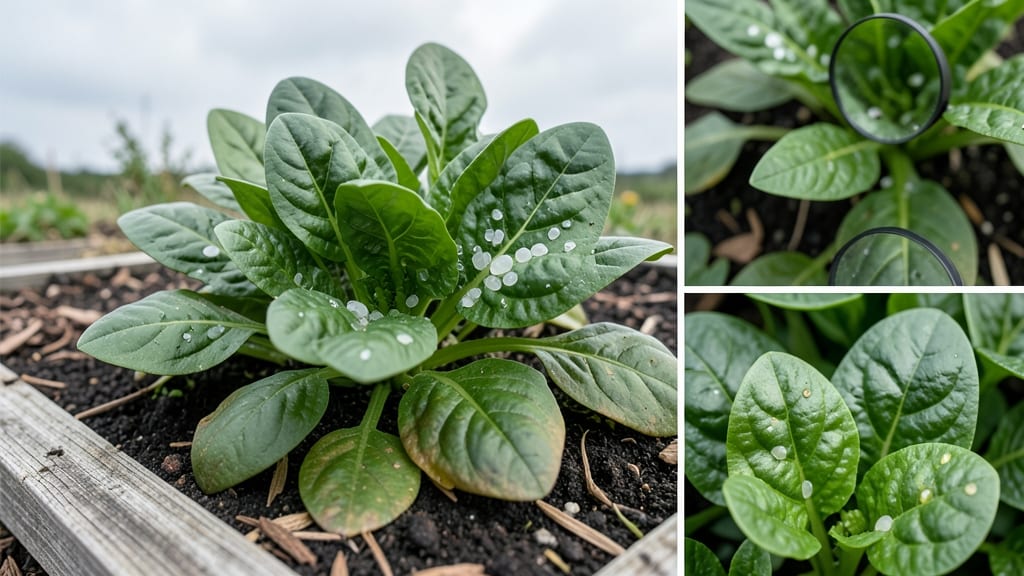
Spotting spinach leafminer eggs on your spinach leaves? Those are the first sign of a pest invasion that could ruin your harvest. ✨ I’ve lost entire crops to these pests before, but I’ve also learned how to spot them early—when you can still save your plants with simple actions.
Leafminer eggs look like tiny white grains of rice or salt, often clustered along leaf veins or undersides. If you see them, act fast: these larvae will tunnel through your leaves in just days, turning them skeleton-like and inedible.
The key is checking leaves regularly—especially after warm, humid weather—which is when adults lay eggs.
You can scrape eggs off with your fingernail (yes, really) or blast them away with a strong spray of water. For prevention, use row covers or neem oil sprays weekly during peak season.
My spinach now thrives because I catch eggs before they hatch—no more wilted, chewed-up leaves by harvest time.
This method works for Swiss chard, beets, and other greens too. The earlier you spot those eggs, the easier it is to protect your crop. Let’s keep those leaves lush and your harvest intact!
Root Causes of Leafminer Infestations
Understanding why spinach leafminer eggs appear on your plants is the first step to preventing them. These tiny pests don’t just show up at random—they’re drawn by specific conditions that make your garden an all-you-can-eat buffet. Let’s break down the key reasons behind their unwelcome arrival.
Spinach leafminers (Phytomyza syngenesiae) thrive in warm, humid climates (ideal temperatures: 60–85°F or 15–30°C). Here’s why:
- Extended Warmth Accelerates Egg-Laying 🌡️ Leafminers are cold-sensitive. When daytime temps stay above 65°F (18°C), females lay 2–3 times more eggs per day. A single female can deposit 50–100 eggs in her lifetime—often on the undersides of leaves where they’re hidden from predators.
- Moisture Boosts Survival Rates High humidity (above 70%) keeps newly hatched larvae from drying out. If your garden retains moisture—whether from overwatering, poor drainage, or morning dew—leafminers see it as a green light to reproduce.
- Seasonal Peaks in Spring & Fall Leafminers are polyvoltine, meaning they produce multiple generations per year. In coastal or subtropical regions, they may even overwinter as pupae, emerging earlier in spring when conditions are just right.
💡 Pro Tip: If your area has mild winters, leafminers may already be lurking in nearby weeds or wild greens. Monitor young spinach plants as soon as soil warms in early spring.
Leafminers don’t randomly attack healthy plants—they seek out vulnerable hosts. Common stress factors include:
- Nutrient Deficiencies 🌱💀 Spinach deficient in nitrogen (N), phosphorus (P), or potassium (K) has softer, thinner leaves—perfect for egg-laying. A quick soil test can reveal imbalances. Over-fertilizing with nitrogen (without potassium) can also weaken plants, making them more attractive to pests.
- Overcrowded or Poorly Spaced Plants 📏 Tightly packed spinach leaves create shaded, humid microclimates where eggs thrive. Leafminers prefer young, tender leaves (like those in crowded beds), as they’re easier to penetrate.
- Water Stress (Over or Under) 💦⚠️
- Overwatering: Soggy soil invites fungal diseases (like downy mildew), which stress plants and attract pests.
- Underwatering: Drought-stressed spinach produces bitter, tough leaves, but leafminers still target them because weakened plants can’t fight off infestations as effectively.
- Recent Transplanting or Trauma 🌿🔄 Plants recovering from transplant shock, pruning, or pest damage emit volatile organic compounds (VOCs) that signal distress—leafminers home in on these chemical cues.
🔥 Action Step: Maintain 3–4 inches of mulch around spinach to regulate soil moisture and reduce stress. Use drip irrigation (not overhead watering) to keep leaves dry.
Leafminers don’t just attack spinach—they feast on a buffet of greens. If these plants grow nearby, your spinach becomes an easy target:
| Common Host Plants | Why They Matter |
|---|---|
| Lettuce | Often infested first; leafminers spread to spinach via wind or garden tools. |
| Swiss Chard | Similar leaf structure makes it an ideal breeding ground. |
| Beets & Carrots | Leafminers may lay eggs on foliage before moving to spinach. |
| Wild Mustards & Weeds | Overwintering sites; leafminers emerge from these "reservoirs" in spring. |
✨ Prevention Hack: Plant repellent companions like nasturtiums, radishes, or onions near spinach—their strong scents deter leafminers.
In a balanced ecosystem, predatory insects keep leafminer populations in check. But when these helpers disappear, eggs flourish:
- Missing Beneficial Insects 🐜🚫
- Lady beetles (ladybugs) and lacewings eat leafminer eggs and larvae.
- Parasitic wasps (like Diglyphus isaea) lay their eggs inside leafminer pupae, killing them.
- Ground beetles consume larvae that drop to the soil.
- Pesticide Overuse 💊🚨 Broad-spectrum pesticides (e.g., neonicotinoids, pyrethroids) kill both pests AND predators, creating a vacuum where leafminers explode. Even some organic sprays can harm beneficial insects.
- Monoculture Gardening 🌾🔄 Planting only spinach or other susceptible crops in one area removes habitat diversity, reducing predator populations.
🌡️ Eco-Friendly Fix: Introduce banker plants (like aphid-infested plants for ladybugs) or plant flowers (e.g., dill, fennel, or marigolds) to attract predators.
Once leafminers establish in one area, they don’t stay put. Here’s how they hitchhike to your spinach:
- Wind-Dispersed Adults 💨 Female leafminers are weak fliers but can be carried by gentle breezes (even 5–10 mph) to new plants. This is why coastal gardens or open fields see faster infestations.
- Contaminated Tools & Hands 🧤🔪
- Pruners, gloves, or harvest knives can transfer eggs from infested to healthy plants.
- Reusing mulch or compost from previously infested beds may harbor leafminer pupae.
- Transplanting Infested Plants 🌱🚛 Buying or moving pre-infested starts is a surefire way to introduce eggs. Always inspect new plants under leaves before transplanting.
🎯 Quick Check: Before handling spinach, rinse tools with soapy water and avoid working with plants when they’re wet (eggs stick better to damp surfaces).
Beat Back Leafminer Eggs Fast
Now that you know what’s causing those tiny white specks on your spinach leaves, it’s time to act! The key is early intervention—the sooner you tackle spinach leafminer eggs, the less damage they’ll cause.
Below are practical, step-by-step solutions tailored to the root causes, plus prevention tips to keep your garden healthy long-term.
Cause: Eggs laid on leaf surfaces hatch into destructive larvae. Fix: Physically remove them before they become a bigger problem.
- 👨🍳 Inspect Leaves Daily
- Check the undersides of leaves (where eggs are often laid) with a hand lens or magnifying glass.
- Look for tiny white or yellow specks—these are the eggs.
- 💦 Wash Off Eggs with Water
- Use a strong spray of water (from a hose or spray bottle) to dislodge eggs.
- Pro Tip: 🌡️ Do this in the early morning so leaves dry quickly, reducing fungal risks.
- 🔪 Prune & Destroy Infested Leaves
- If eggs are clustered, snip off affected leaves with clean scissors.
- Dispose of them in sealed bags (not compost) to prevent reinfestation.
Cause: Chemical sprays can harm beneficial insects and the environment. Fix: Encourage natural enemies of leafminers to keep populations in check.
| Predator | How to Attract Them | Effectiveness |
|---|---|---|
| Ladybugs | Plant dill, fennel, or marigolds nearby. | ⭐⭐⭐⭐⭐ |
| Lacewings | Avoid broad-spectrum pesticides; use neem oil instead. | ⭐⭐⭐⭐ |
| Parasitic Wasps | Plant carrots, celery, or parsley as companion crops. | ⭐⭐⭐⭐ |
| Birds (like sparrows) | Install birdhouses and avoid chemical sprays. | ⭐⭐⭐ |
💡 Pro Tip: 🎯 If you spot tiny black pupae on leaves, these are likely parasitic wasps—do not remove them! They’re working for you.
Cause: Larvae burrow into leaves, causing irreversible damage. Fix: Use low-toxicity sprays that suffocate eggs and deter adults.
- 🌿 Neem Oil Spray (Best for Eggs & Larvae)
- Mix 1 tsp neem oil + ½ tsp mild soap + 1 quart water.
- Spray both sides of leaves in the early evening (avoids harming bees).
- Reapply every 5–7 days until no new eggs appear.
- 🍋 Homemade Garlic & Chili Spray (Repels Adults)
- Blend 5 garlic cloves + 1 tbsp cayenne pepper + 1 quart water.
- Strain and spray on spinach and surrounding plants.
- Works best as a preventive—use before seeing eggs.
- 🌱 Kaolin Clay (Physical Barrier)
- Mix 2 tbsp kaolin clay + 1 gallon water.
- Spray on leaves to create a film that repels adults from laying eggs.
- Safe for organic gardens and won’t harm pollinators.
Cause: Poor garden hygiene or monoculture attracts leafminers. Fix: Break the cycle with proactive habits.
- 🌱 Rotate Crops Annually
- Avoid planting spinach or other brassicas (like kale) in the same spot two years in a row.
- Alternative: Grow beans, peas, or herbs in the off-season to disrupt leafminer life cycles.
- 🧹 Keep Your Garden Clean
- Remove debris, old leaves, and weeds where eggs can hide.
- Mulch with straw to smother overwintering pupae.
- 🌿 Use Row Covers Early
- Install fine mesh row covers (like Agribon) before adult flies emerge in spring.
- Secure edges tightly to block egg-laying adults.
- 🌱 Companion Planting
- Grow onions, garlic, or chives near spinach—their strong scent repels leafminers.
- Avoid planting spinach next to parsley (it attracts leafminers).
If you’ve tried all organic methods and still see new eggs or larvae, consider:
- 🧪 Pyrethrin-based sprays (derived from chrysanthemums)—use as a last resort (harms bees, so apply at dusk).
- 🚜 Consult a local extension service for region-specific advice (some areas have resistant spinach varieties).
💡 Final Pro Tip: 🌟 Act fast! Spinach leafminer eggs hatch in 3–5 days, so daily checks in warm weather are a must. The more you monitor, the less damage you’ll face—and your spinach will stay crisp, healthy, and pest-free!
Frequently asked questions
What do spinach leafminer eggs actually look like?
Spinach leafminer eggs appear as tiny white or pale yellow specks, about the size of a grain of salt. They’re often clustered along leaf veins or on the undersides of leaves, sometimes in neat rows. Use a magnifying glass to spot them early—they’re nearly invisible to the naked eye!
How often should I check my spinach for eggs?
During warm, humid weather (when leafminers are most active), inspect your spinach every 2–3 days. Focus on new growth and leaf undersides—eggs hatch in just 3–5 days, so early detection is key. Morning checks work best when leaves are dry.
Can I still eat spinach if I find leafminer eggs?
Yes, but remove the affected leaves first! The eggs themselves aren’t harmful, but the larvae that hatch will tunnel through leaves, making them inedible. Simply clip off infested leaves and compost them (sealed in a bag) to prevent spreading. The rest of your harvest remains safe to eat.
Will neem oil kill existing leafminer larvae?
Neem oil is most effective against eggs and newly hatched larvae, but it won’t eliminate established larvae already tunneling through leaves. For larvae, combine neem oil with physical removal (pruning infested leaves) and introduce natural predators like ladybugs for better results.
Can leafminers survive winter in my garden?
In mild climates, leafminer pupae can overwinter in soil or plant debris. To break the cycle, remove all plant residue in fall, mulch heavily with straw, and rotate crops. In colder regions, leafminers typically die off, but eggs may still lurk in weeds—check spring plantings early!