
Leaf Blower
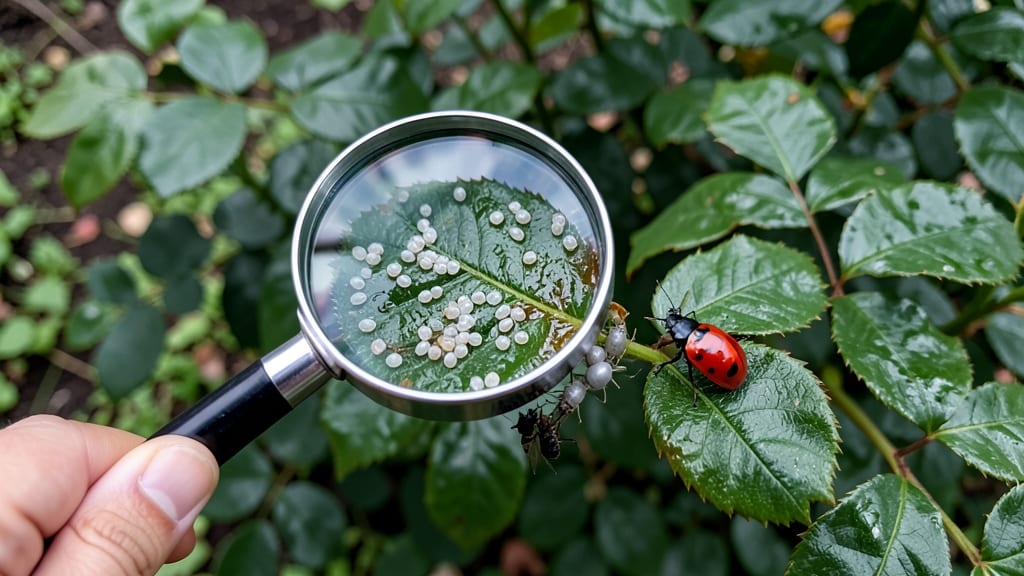
Those tiny white eggs on the leaf aren’t just harmless—without action, they’ll hatch into a full-blown pest invasion. 🌿 I’ve spent years battling these sneaky critters, and I’ll show you how to stop them in their tracks before they take over your plants.
The culprits are usually aphids, whiteflies, or mealybugs, all of which lay eggs along leaf veins or undersides. The key to stopping them? Early intervention—once they hatch, you’re fighting a losing battle.
A quick spray with neem oil or insecticidal soap can kill eggs and nymphs within 24 hours, but you’ve got to act fast. You’ll see fewer eggs after one treatment, and with consistent checks, your plants will stay pest-free all season. The best part?
No harsh chemicals needed—just targeted, organic solutions that work. Works for houseplants, veggie gardens, and ornamentals alike. Let’s get those leaves clean!
Root Causes Behind Leaf Eggs
Discovering tiny white eggs on your plant leaves can be alarming, but understanding the why behind this issue is the first step toward a swift, copper-free solution. These eggs are almost always a sign of insect infestation—specifically, the early life stage of pests like aphids, whiteflies, mealybugs, or spider mites.
Below, we break down the most common culprits and the environmental factors that invite them to your garden.
Many garden pests undergo a process called complete metamorphosis, where eggs hatch into larvae, then pupate before emerging as adults. Tiny white eggs on leaves are often laid in clusters or individually, depending on the species. Here’s how it happens:
- Aphids: These sap-sucking pests lay eggs in spring, often on the undersides of leaves or along stems. A single female can produce dozens of eggs, which hatch in as little as 7–10 days under warm conditions.
- Whiteflies: Adult whiteflies cluster on leaf undersides to lay eggs, which are nearly invisible to the naked eye. They prefer warm, humid environments, making greenhouses and tropical plants prime targets.
- Mealybugs: These cotton-like pests lay eggs in fluffy white sacs, often near leaf joints or buds. Unlike other pests, their eggs are visible as small, oval white specks grouped together.
- Spider Mites: While their eggs are microscopic, they’re often laid in weblike clusters. High temperatures and dry conditions trigger rapid egg production, leading to explosive infestations.
💡 Pro Tip: Use a magnifying glass or smartphone microscope to confirm the egg size and shape—this helps pinpoint the exact pest and tailor your treatment.
Pests don’t randomly appear—they’re drawn to specific conditions that make your plants perfect breeding grounds. Here’s what’s inviting them:
| Factor | How It Attracts Pests | Actionable Fix |
|---|---|---|
| 🌡️ High Heat | Warmth accelerates egg hatching and adult reproduction. Whiteflies and spider mites thrive in temperatures above 80°F (27°C). | Provide shade cloth for sensitive plants and avoid over-fertilizing with nitrogen, which attracts pests. |
| 💧 Overwatering | Moist leaf surfaces create ideal conditions for fungal growth, which some pests (like aphids) feed on. Stagnant water also attracts beneficial insects that bring pests. | Water at the base of plants in the morning and ensure proper drainage. Avoid wetting foliage. |
| 🍃 Weak or Stressed Plants | Pests target plants under stress from poor soil, disease, or nutrient deficiencies. Weak plants can’t fight off infestations as effectively. | Boost plant health with compost, balanced fertilizer, and regular pruning to improve airflow. |
| 🌿 Crowded Gardens | Tight plant spacing limits airflow, creating humid microclimates that pests love. Overgrown areas also hide eggs and larvae. | Thin out plants, remove debris, and mulch to improve soil health and reduce hiding spots. |
| 🐝 Lack of Natural Predators | Beneficial insects like ladybugs, lacewings, and parasitic wasps keep pest populations in check. Without them, eggs go unchecked. | Attract predators by planting nectar-rich flowers (e.g., dill, marigolds) and avoiding broad-spectrum pesticides. |
✨ Key Insight: Many infestations start indoors (e.g., from new plants or greenhouses) before spreading outdoors. Quarantine new additions for 2–4 weeks to monitor for eggs.
Sometimes, the problem isn’t just environmental—it’s how we interact with plants. Unintentional actions can transfer eggs from one plant to another:
- 🌿 Poor Hygiene: Reusing tools (pruners, gloves) or touching infected leaves without cleaning can spread eggs to healthy plants.
- 🛒 Buying Infested Plants: Nursery plants may carry eggs on stems or leaves. Inspect new additions thoroughly.
- 🌍 Wind and Water: Splashing water during irrigation or strong winds can carry eggs from infested areas to your garden.
- 🐝 Wildlife Visitors: Bees, butterflies, and even birds can accidentally transport eggs on their bodies.
🔥 Quick Fix: Disinfect tools with 70% isopropyl alcohol or a 10% bleach solution (1 part bleach to 9 parts water) between uses.
Quick Fixes for Leaf Pests
Discovering tiny white eggs on leaf can feel like a race against time, but with the right approach, you can restore your plants to health quickly.
Below, we’ve mapped out targeted solutions based on the most common causes—fungal spots, aphids, or other pests—so you can act fast and prevent future outbreaks.
If the white specks are actually fungal spores (not eggs), your first move is to remove the infection and create an inhospitable environment for further spread.
🍳 Step 1: Prune & Dispose Infected Leaves
- 🔪 Snip off heavily spotted leaves with clean pruners (sterilize with rubbing alcohol).
- 🗑️ Bag and discard infected foliage in the trash—not your compost—to avoid reinfesting your garden.
- 💡 Pro Tip: Focus on the edges of the plant first, where spores often gather.
👨🍳 Step 2: Cleanse the Plant Surface
- Mix 1 tsp baking soda + 1 quart water + a few drops of dish soap (the soap helps it stick).
- 💦 Spray the solution on both leaf surfaces, especially undersides where spores hide.
- ⏰ Repeat every 3–5 days until new growth appears.
🥘 Step 3: Boost Airflow & Light
- 🌬️ Thin out dense foliage to improve airflow (fungi thrive in humidity).
- ☀️ Move potted plants to a sunnier spot if possible—UV light naturally inhibits fungal growth.
If those tiny white eggs belong to aphids or scale insects, you’ll need to smother them before they hatch into a full-blown infestation.
🍳 Step 1: Blast Off Eggs with Water
- 💦 Use a strong hose spray (or a gentle shower) to dislodge eggs from leaves.
- 🔄 Repeat 2–3 times over 24 hours to catch newly laid eggs.
- 💡 Pro Tip: Early morning is best—eggs are sticky when wet and easier to wash away.
👨🍳 Step 2: Apply Insecticidal Soap
- 🧼 Mix 2 tbsp mild castile soap + 1 quart water (or buy a pre-made insecticidal soap).
- 🍃 Spray directly on eggs and crawlers, focusing on leaf undersides.
- ⚠️ Test on a small area first—some plants (like succulents) are soap-sensitive.
🥘 Step 3: Introduce Beneficial Insects
- 🐞 Ladybugs or lacewings devour aphid eggs—release them in the evening when they’re most active.
- 🌿 Plant companion flowers like marigolds or dill to attract natural predators.
Whiteflies and mealybugs lay eggs in sticky clusters—here’s how to break their cycle.
🍳 Step 1: Trap Adults with Yellow Sticky Cards
- 📎 Hang yellow sticky traps near infected plants—adult whiteflies are drawn to the color.
- 🕒 Check traps daily and replace when saturated.
👨🍳 Step 2: Smother Eggs with Horticultural Oil
- 🛢️ Apply horticultural oil (like neem oil) to leaf surfaces—it coats and suffocates eggs.
- 🌧️ Best done in cool weather (above 50°F) to avoid plant damage.
- ⏰ Reapply every 5–7 days until no new eggs appear.
🥘 Step 3: Remove Honeydew Buildup
- 🧽 Wipe leaves with a damp cloth to clean sticky honeydew (aphid waste that fuels sooty mold).
- 💡 Pro Tip: A 50/50 water-vinegar spray can cut through residue safely.
Once your plants are pest-free, lock in those gains with these long-term strategies:
- 🌱 Rotate crops annually to starve soil-borne pests.
- 💧 Water at the base (not overhead) to reduce fungal spores splashing onto leaves.
- 🌿 Mulch with straw or wood chips to deter crawling insects from reaching plants.
- 🔍 Inspect new plants for eggs before bringing them home—quarantine for a week if needed.
With these targeted fixes, your plants should bounce back in 24–48 hours—and stay pest-free with consistent care. 🌿💪
Frequently asked questions
Are those tiny white specks on my leaves really eggs or just fungal spores?
Eggs are usually oval-shaped and clustered along leaf veins or undersides, while fungal spores look more like powdery dust spread across the surface. Use a magnifying glass—eggs will appear slightly raised, while spores blend into the leaf texture. If they rub off easily, it’s likely fungus.
How do I know if the eggs will hatch into aphids vs. whiteflies?
Aphid eggs are tiny (1/32 inch), often laid in curved rows along stems, while whitefly eggs are flatter and oval, found on leaf undersides. Check for adult aphids (pear-shaped bodies) or whiteflies (tiny moth-like insects) hovering near the plant. Aphids leave sticky honeydew; whiteflies create a cloud when disturbed.
Will neem oil kill the eggs immediately, or do I need to reapply?
Neem oil works best as a suffocation method—it coats and kills eggs on contact, but you’ll need to reapply every 5–7 days for new eggs. For faster results, combine it with insecticidal soap (spray in the evening when pests are active). Always test on a small leaf first—some plants are sensitive.
Can I save my plants if the eggs have already hatched?
Yes, but you’ll need to act fast! If you see tiny nymphs (baby pests), switch to a stronger solution like horticultural oil or introduce beneficial nematodes (for soil-dwelling pests). Prune heavily infested leaves and isolate the plant for 3–5 days while treating. Ladybugs and lacewings can also help devour the new hatchlings.
Why do I keep finding new eggs even after treatment?
New eggs likely mean adult pests are still active or you missed hidden clusters. Check leaf undersides, stems, and buds—pests often lay eggs in protected spots. For stubborn cases, use yellow sticky traps to catch adults and reapply treatments every 3–4 days until no new eggs appear for 2 weeks.