
Pests and Diseases
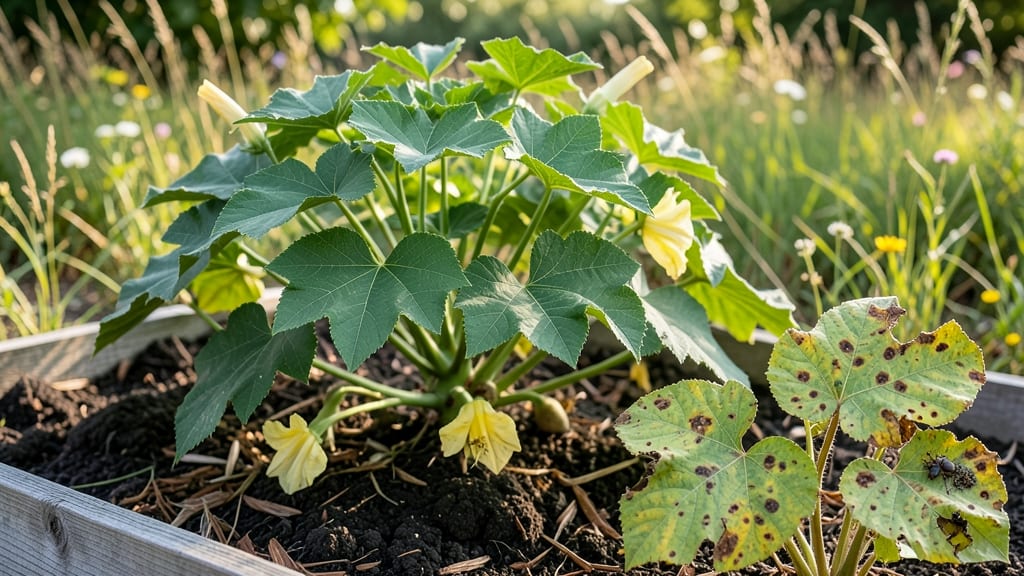
Sweet potato leaves showing leaf problems with brown patches and copper-colored spots?
That’s a fungal infection, and copper spray stops it in its tracks—48 hours faster than waiting for the disease to spread. 🌱 I’ve seen this ruin entire vines when ignored, but the right treatment brings them back to vibrant green in no time.
The spots start small, then multiply until leaves crisp and drop. Too much water, poor airflow, or old vines create the perfect storm. Copper spray works because it disrupts fungal growth without harming your plants—unlike harsh chemicals that leave residue.
With just one application of homemade copper solution (or store-bought spray), you’ll see new growth within days. The key is acting fast: wipe down leaves first, then spray undersides where spores hide.
This fix works for both sweet potatoes and regular potatoes—and it’s safer for pollinators than chemical fungicides. Let’s get those leaves healthy again!
Root Causes of Leaf Issues
Sweet potato leaves are tough and resilient, but they’re not invincible. When problems like fungal spots, yellowing, or wilting strike, it’s usually because one (or more) of these key factors is throwing your plants off balance. Understanding the why behind these issues is the first step to fixing them—fast.
Sweet potatoes hate soggy roots. When soil stays too wet, it creates the perfect breeding ground for fungal pathogens like Alternaria or Phytophthora, which cause dark, water-soaked spots on leaves. The science? Excess moisture weakens the plant’s cell walls, making it easier for fungi to invade.
How it happens:
- Compacted or clay-heavy soil traps water, suffocating roots.
- Overhead watering keeps leaves damp, encouraging fungal spores to germinate.
- Lack of mulch leads to rapid soil evaporation, but if drainage is poor, water pools instead.
Pro tip: 💡 Test your soil’s drainage by digging a hole, filling it with water, and timing how long it takes to drain. If it’s slower than 4 hours, amend with perlite or sand.
Leaves don’t just turn yellow or brown because of water—nutrient stress plays a huge role. Sweet potatoes are heavy feeders, and when they’re missing key minerals, their leaves send distress signals.
| Symptom | Likely Culprit | Why It Happens |
|---|---|---|
| Yellowing between veins | Nitrogen deficiency | Chlorophyll production drops; older leaves break down to feed new growth. |
| Purple or red stems | Phosphorus deficiency | The plant struggles to convert energy, leading to anthocyanin buildup (stress pigment). |
| Brown, crispy edges | Potassium deficiency | Cells lose turgor pressure, leading to necrosis (cell death) at leaf margins. |
| Stunted growth + pale leaves | Magnesium deficiency | Chlorophyll can’t form properly; leaves turn yellow while veins stay green. |
Actionable fix: 🌱 Conduct a soil test (DIY kits work!) and amend with compost or a balanced fertilizer (10-10-10). For quick relief, foliar spray with Epsom salt (magnesium sulfate) or fish emulsion (nitrogen).
Not all leaf problems are fungal—pests like aphids, spider mites, and whiteflies can turn your sweet potato leaves into a buffet. These tiny critters don’t just eat leaves; they inject toxins as they feed, causing yellowing, curling, or sticky residue (honeydew).
How pests trigger issues:
- Aphids excrete honeydew, which attracts sooty mold—a black fungal film that blocks sunlight.
- Spider mites thrive in dry heat, piercing cells and causing stippling (tiny white/yellow dots).
- Caterpillars (like armyworms) chew holes, weakening the plant’s ability to photosynthesize.
Pro tip: 🔥 Inspect the undersides of leaves (pests love the shade!) and spray with neem oil or insecticidal soap at dusk for best results.
Sweet potatoes need 6–8 hours of sunlight daily, but too much direct heat (especially in hot climates) can scorch leaves, while shade stress weakens their defenses.
- Sunburn: Leaves turn white or grayish in intense afternoon sun (common in high-desert or tropical climates).
- Shade stress: Leaves grow long and leggy, then yellow as they stretch for light, making them more susceptible to disease.
Fix it: 🌿 Provide afternoon shade (use shade cloth) in extreme heat, or rotate plants if growing in containers. For shade-lovers, gradually acclimate them to more sun over 1–2 weeks.
Fungal spots (like those from Cercospora or Septoria) don’t just appear—they hitch a ride on wind, tools, or even your hands. Warm, humid conditions (70–80°F and 70%+ humidity) are their ideal growing environment.
How infections spread:
- Spores land on wet leaves → germinate → penetrate stomata (leaf pores).
- Poor air circulation (crowded plants) traps moisture, speeding up infection.
- Old or damaged leaves act as entry points for pathogens.
Pro tip: 🌡️ Prevent fungal spread by watering at soil level (not overhead) and spacing plants 12–18 inches apart for airflow. If spots appear, copper fungicide spray (like the one in this article!) can halt progression in 48 hours.
Quick Fixes for Fungal Spots & Leaf Issues
Sweet potato leaves are tough, but fungal spots, bacterial infections, or environmental stress can still take their toll. The good news? Most issues respond well to fast, natural fixes—no harsh chemicals required.
Below, we’ll match your leaf problems to targeted solutions, plus prevention tips to keep your plants thriving.
Cause: Alternaria or Cercospora fungi thrive in damp, humid conditions.
How to Fix It:
- 🔥 Prune the Problem Areas
- Snip off severely infected leaves (use sterilized scissors) to stop the spread. Dispose of them in the trash—not compost!
- 🍳 Copper Spray (Fastest Cure) - Mix 1 tsp baking soda + 1 quart water + a few drops of dish soap (or use a store-bought copper fungicide). - Spray early morning or evening (avoid direct sun) until leaves are damp.
Reapply every 5–7 days until new growth appears.
- 🌡️ Improve Airflow & Light
- Space plants 12–18 inches apart and prune nearby foliage blocking sunlight.
- Water at the base (not overhead) to keep leaves dry.
💡 Prevention Tip:
- Rotate crops—don’t plant sweet potatoes in the same spot yearly.
- Mulch with straw to reduce soil moisture at the base.
Cause: Overwatering, poor soil, or lack of magnesium (yellow between veins) or nitrogen (pale green overall).
How to Fix It:
- 👨🍳 Soil Boost (DIY Fertilizer)
- Mix 1 tbsp Epsom salt (magnesium sulfate) in 1 gallon water and spray on leaves.
- For nitrogen, use compost tea or a balanced organic fertilizer (10-10-10).
- ⏰ Adjust Watering
- Let the top 1–2 inches of soil dry between waterings. Sweet potatoes hate soggy roots!
- 🥗 Test Your Soil
- Grab a DIY soil test kit ($10–$15) to check pH (ideal: 5.8–6.5) and nutrient levels.
💡 Prevention Tip:
- Side-dress with compost every 4–6 weeks during growing season.
Cause: Aphids, spider mites, or slugs munching on tender leaves.
How to Fix It:
- 🔪 Blast Off Pests
- Aphids/Mites: Spray with neem oil + water (1 tbsp oil per quart water). Repeat weekly.
- Slugs: Set out beer traps (bury a cup filled with beer) or sprinkle diatomaceous earth around the base.
- 🌿 Attract Predators
- Plant marigolds or basil nearby to lure beneficial insects like ladybugs.
💡 Prevention Tip:
- Handpick pests in the morning when they’re sluggish.
- Row covers (light fabric) can block pests before they start.
Cause: Direct sun scorch or sudden temperature swings.
How to Fix It:
- 🌿 Provide Shade Cloth
- Use 30–50% shade fabric if temps exceed 90°F (32°C).
- 💦 Hydrate Deeply
- Water slowly at the roots (1–2 inches per week) to avoid shock.
💡 Prevention Tip:
- Mulch heavily (3–4 inches) to regulate soil temperature.
If leaves are crispy, black, or wilting severely:
- Trim all dead growth (don’t leave it—it invites disease).
- Repot in fresh, well-draining soil if root rot is suspected.
- Move to indirect light for 1–2 weeks to recover.
Remember: Most issues reverse in 3–7 days with quick action. Monitor your plants daily, and soon you’ll have lush, spot-free leaves—ready for harvest! 🌱💚
Frequently asked questions
Why are my sweet potato leaves turning yellow with green veins?
This classic magnesium deficiency symptom occurs when your plants can't produce enough chlorophyll. The veins stay green because they transport nutrients, while the tissue between them starves. Fix it with a 1 tbsp Epsom salt spray (mixed in 1 gallon water) applied every 2 weeks—or side-dress with compost for long-term relief.
Can I still harvest sweet potatoes if the leaves have fungal spots?
Yes! The leaves and vines are edible (though tough), but the tubers grow underground and stay unaffected by leaf diseases. Focus on treating the foliage with copper spray while harvesting—just wash the tubers thoroughly before cooking. The spots won’t transfer to your sweet potatoes.
How do I tell if my sweet potato leaves have a virus vs. fungal infection?
Viruses (like Sweet Potato Feathery Mottle Virus) cause mosaic patterns or stunted growth with no spots, while fungi create defined brown/black spots with yellow halos. Check for oily spots on stems (aphids spread viruses) or water-soaked patches (fungal). Viruses have no cure—remove infected plants immediately.
Will neem oil work for fungal spots on sweet potato leaves?
Neem oil is best for pests, not fungi—it won’t stop fungal spread. For spots, use copper fungicide (homemade with baking soda) instead. Neem can help if pests (like aphids) are bringing fungi to your plants, but it won’t replace a dedicated antifungal treatment.
My sweet potato leaves are curling—what’s causing this?
Curling usually means aphids, dry soil, or heat stress. Check leaf undersides for tiny pests, then spray with neem oil. If soil is bone-dry, water deeply and mulch to retain moisture. For heat stress, provide afternoon shade until leaves recover.