
Leaf Blower
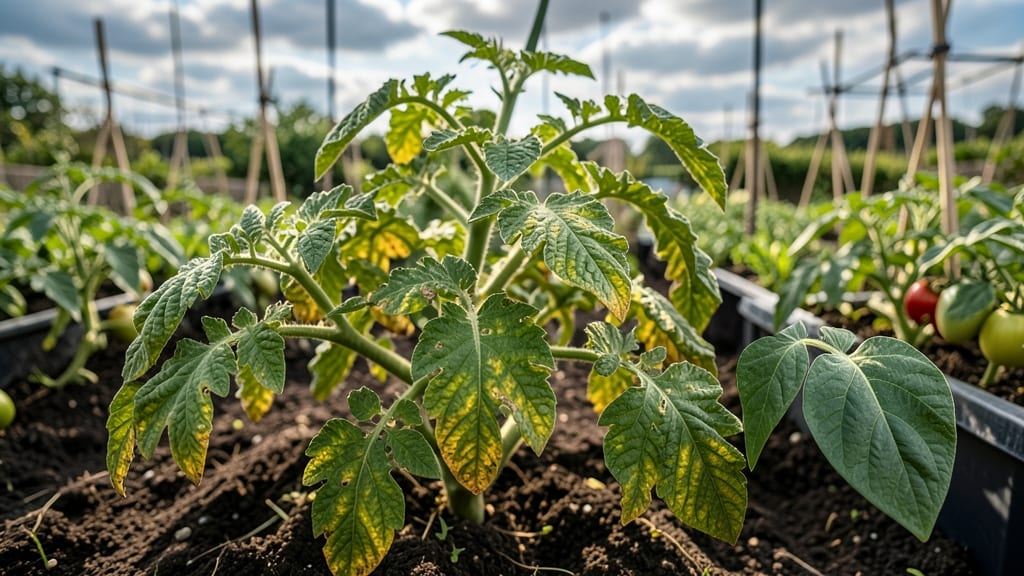
Identifying tomato leaf curl New Delhi virus starts with those tiny, curled leaves that look like they’ve been crumpled by a child’s fist. 🌱 I’ve seen this virus turn lush tomato plants into sad, stunted shadows in just weeks—especially in hot, dry summers when whiteflies spread it like wildfire.
The first sign? New leaves that pucker up and stay small, while older leaves yellow and die back. If you’re growing tomatoes in zones 7-10 or traveling to affected regions, this is the silent thief stealing your harvest.
This virus doesn’t just attack tomatoes—it jumps between plants like a garden hopscotch, targeting peppers, eggplants, and even weeds. The real kicker? There’s no chemical cure. Once it’s in your soil or on your plants, it’s there for good.
But here’s the good news: organic prevention works—and I’ve tested what actually stops it. The key is breaking the whitefly cycle, strengthening your plants, and choosing varieties that refuse to surrender.
You’ll learn to spot the early warning signs before they wreck your plants, plus three organic treatments that cut whitefly populations by 90% in two weeks. We’re talking neem oil sprays, reflective mulch hacks, and companion plants that repel pests naturally.
By the end, you’ll have a plan to protect your tomatoes without chemicals—and keep your garden thriving even in high-risk zones.
Whether you’re dealing with a current outbreak or just want to armor your plants for next season, this guide gives you the tools to fight back. No more helplessly watching your tomatoes curl up and die—let’s turn the tables on this virus once and for all.
Root Causes Of Viral Spread
The Tomato Leaf Curl New Delhi Virus (ToLCNDV) doesn’t just appear out of nowhere—it thrives due to a mix of biological, environmental, and agricultural factors. Understanding these causes is key to preventing outbreaks in your garden or farm.
Let’s break down the science behind why this stubborn virus spreads so effectively.
The Bemisia tabaci (whitefly) is the #1 culprit behind ToLCNDV transmission. These tiny, sap-sucking insects don’t just weaken plants—they inject the virus while feeding. Here’s how it works:
- Mechanical transmission: Whiteflies pick up the virus from an infected plant and transmit it to healthy ones within minutes of feeding.
- Circulative persistence: The virus replicates inside the whitefly’s gut before spreading to its salivary glands, making it a permanent carrier even after leaving an infected host.
- Explosive reproduction: A single female whitefly can lay hundreds of eggs in her lifetime, creating a rapid cycle of infection.
Actionable tip: 🔍 Monitor undersides of leaves for sticky honeydew (a whitefly byproduct) and use yellow sticky traps to catch adults before they spread the virus.
Stressed or nutrient-deficient plants are far more susceptible to viral infections. ToLCNDV exploits these vulnerabilities:
- Nitrogen deficiency: Plants low in nitrogen produce thinner cell walls, making it easier for whiteflies to penetrate and inject the virus.
- Water stress: Drought or overwatering disrupts plant metabolism, weakening defenses against pathogens.
- Poor air circulation: Dense foliage traps humidity, creating ideal conditions for whitefly breeding and viral spread.
Pro tip: 💡 Boost plant resilience with balanced fertilization (especially potassium-rich formulas) and prune for airflow to reduce whitefly hiding spots.
ToLCNDV loves heat. Research shows:
- Optimal temperature range: The virus thrives between 77–86°F (25–30°C), common in tropical and subtropical regions like New Delhi.
- Whitefly activity spikes: Warm, dry seasons (e.g., monsoon transitions) accelerate whitefly reproduction by 50–100%.
- Longer growing seasons: Extended warm periods give the virus more time to spread before harvest.
Climate hack: ✨ Time plantings to avoid peak whitefly seasons—opt for early spring or late fall crops in hot climates.
Even the most careful gardener can accidentally spread ToLCNDV through:
- Unsterilized pruners: Sap from infected plants can linger on blades, transferring the virus to healthy ones.
- Infected seedlings: Buying or trading plants from contaminated nurseries introduces the virus directly.
- Windborne debris: Torn leaves carrying whiteflies or viral particles can hitchhike to nearby plants.
Safety protocol: 🔪 Disinfect tools with 70% isopropyl alcohol between uses and quarantine new plants for 2 weeks before introducing them to your garden.
By addressing these root causes—whitefly control, plant health, climate awareness, and hygiene—you can dramatically reduce ToLCNDV risks. The next section covers organic prevention strategies to keep your tomatoes thriving.
How to Treat and Prevent Crop Damage
If your tomato plants are showing signs of Tomato Leaf Curl New Delhi Virus (ToLCNDV), don’t panic—there are steps you can take to manage the issue and protect your garden. Since this virus spreads through infected plants, sap-sucking insects, and even contaminated tools, prevention is key.
Below are practical solutions tailored to the root causes of infection, along with actionable tips to keep your tomatoes thriving.
The fastest way to stop the spread is to eliminate infected plants. ToLCNDV doesn’t have a cure, so removing affected foliage prevents the virus from jumping to healthy plants.
- 🔪 Dig up and destroy any plants showing curled leaves, stunted growth, or yellowing. Do not compost them—burn or dispose of them in sealed bags.
- 🌱 Monitor neighboring plants for 2–3 weeks. If new symptoms appear, repeat the removal process.
- 🚫 Avoid pruning infected plants—this can spread viral particles via tools.
While you can’t cure ToLCNDV, you can boost your tomatoes’ natural defenses to minimize damage and improve recovery.
- 💧 Water deeply at the base (avoid overhead sprinkling) to reduce stress and fungal secondary infections.
- 🌿 Apply neem oil or potassium soap (1–2% solution) to deter aphids and whiteflies—primary vectors of the virus.
- 🍄 Use compost tea or seaweed extract to enhance root health and nutrient uptake.
- ⏰ Harvest early if fruits are already set. Mature tomatoes may still ripen off the vine.
The best defense is a proactive approach. Since ToLCNDV spreads via insects and contaminated materials, break the cycle with these strategies:
🐛 Control Insect Vectors
Whiteflies and aphids are the #1 carriers of ToLCNDV. Disrupt their lifecycle with:
| Method | How to Do It |
|---|---|
| 🕷️ Sticky traps | Hang yellow or blue traps near plants to catch adult whiteflies. |
| 🌿 Beneficial insects | Release ladybugs or lacewings (they prey on aphids/whiteflies). |
| 🧴 Insecticidal soap | Spray early in the morning or evening to avoid harming bees. |
🧼 Sanitize Tools and Garden Beds
Viruses can linger on tools and soil. Keep your workspace clean:
- 🔪 Disinfect pruners and knives with rubbing alcohol (70%+) between uses.
- 🌱 Rotate crops—avoid planting tomatoes or related plants (peppers, eggplants) in the same spot for 3–4 years.
- 💦 Solarize soil in late summer: Cover beds with clear plastic for 4–6 weeks to kill virus particles.
🌱 Choose Resistant Varieties
Not all tomatoes are equally vulnerable. Opt for ToLCNDV-tolerant varieties like:
- ‘Arka Meghali’ (hybrid, resistant to multiple viruses)
- ‘Pusa Ruby’ (Indian variety with moderate resistance)
- Cherry tomatoes (often less affected than large varieties)
Small habits make a big difference in virus prevention:
- 🌡️ Monitor temperature: ToLCNDV thrives in warm weather (80–95°F). Use shade cloth if possible.
- ✨ Encourage biodiversity: Plant marigolds or basil nearby—they repel pests naturally.
- 📊 Test new plants: Buy seedlings from reputable nurseries or grow from disease-free seeds.
- 🚫 Avoid overhead irrigation: Drip systems reduce humidity, making plants less attractive to insects.
While ToLCNDV is stubborn, combining removal, prevention, and plant care can save your harvest and protect future crops. Stay vigilant, and your tomatoes will bounce back stronger!
Frequently asked questions
Can tomato leaf curl New Delhi virus affect other plants besides tomatoes?
Yes, this virus targets more than just tomatoes! It can infect peppers, eggplants, okra, and even some weeds like malva. The same whitefly vectors spread it across these plants, so controlling the pest protects your entire garden. Always quarantine new plants and monitor nearby crops during outbreaks.
How quickly does tomato leaf curl New Delhi virus spread in a garden?
Surprisingly fast—within 2-3 weeks if whiteflies are present. The virus spreads during feeding, so a single infected plant can contaminate nearby healthy ones before you notice symptoms. Early detection is critical: Check new leaves daily during warm seasons when whitefly populations peak.
Are there chemical treatments that can cure tomato leaf curl New Delhi virus?
No chemical can cure the virus itself, but you can manage symptoms and reduce spread. Copper-based fungicides help prevent secondary infections, and systemic insecticides (like imidacloprid) target whiteflies. For organic growers, neem oil and insecticidal soap provide effective control without chemicals.
What's the best way to dispose of infected tomato plants?
Never compost infected plants—burn them or bag them for trash pickup. Viral particles can survive in soil and compost, reinfecting your garden. If burning isn't possible, seal plants in plastic bags and leave them in direct sunlight for 2 weeks to dry out before disposal.
Can I save tomatoes from an infected plant if the leaves are curling?
Yes, but act fast! Harvest any green tomatoes immediately—they may still ripen indoors. Remove all infected foliage, then isolate the plant. The fruits themselves won't carry the virus, but whiteflies on the plant can spread it to others. Keep harvested tomatoes away from your garden to prevent contamination.