
Vegetables

The tomato leaf miner can devastate your garden in weeks, but these 10 proven solutions—from organic sprays to cultural fixes—will help you reclaim healthy, productive tomato plants. No more helplessly watching your harvest disappear!
Neem Oil Spray for Immediate Larval Control
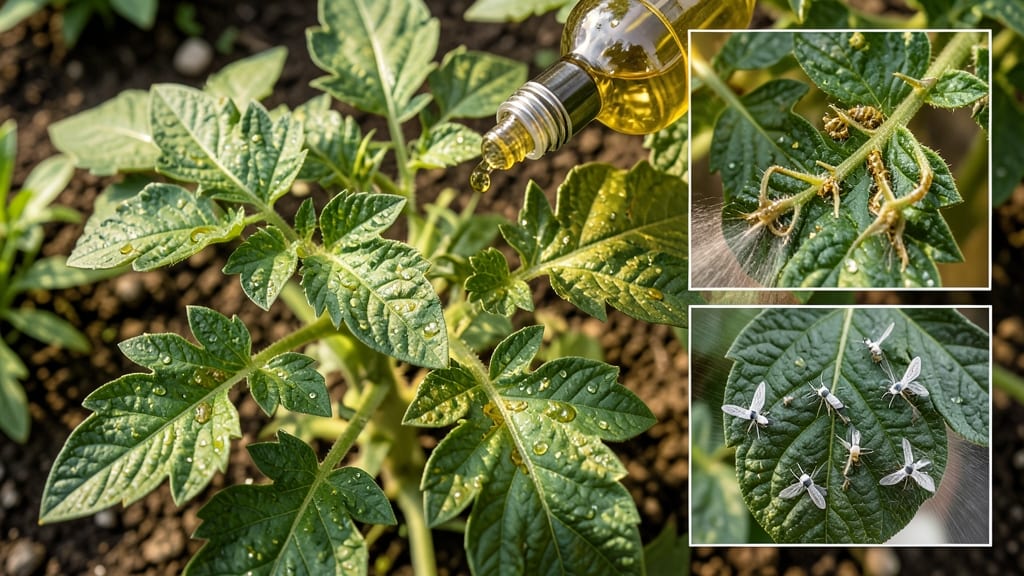
When tomato leaf miners strike, neem oil isn’t just a spray—it’s a two-pronged attack against both larvae and adult flies. This natural oil disrupts the pests’ life cycle by smothering larvae inside leaves while repelling adults before they lay more eggs. The key? Timing and consistency.
Mix 1 teaspoon of neem oil with a quart of water and a drop of dish soap as an emulsifier. Spray evenly on both leaf surfaces at dusk when bees are less active, and repeat every 5-7 days during active infestations. The oil’s active compounds, azadirachtin and nimbin, interfere with larval feeding and adult mating signals, breaking the cycle faster than many synthetic pesticides.
This method is perfect for organic gardeners or those who want to avoid harsh chemicals while still seeing immediate results. Just remember: neem oil works best as a preventive measure during early infestations, so act fast! 🌱
Kaolin Clay Barrier to Confuse Adult Flies
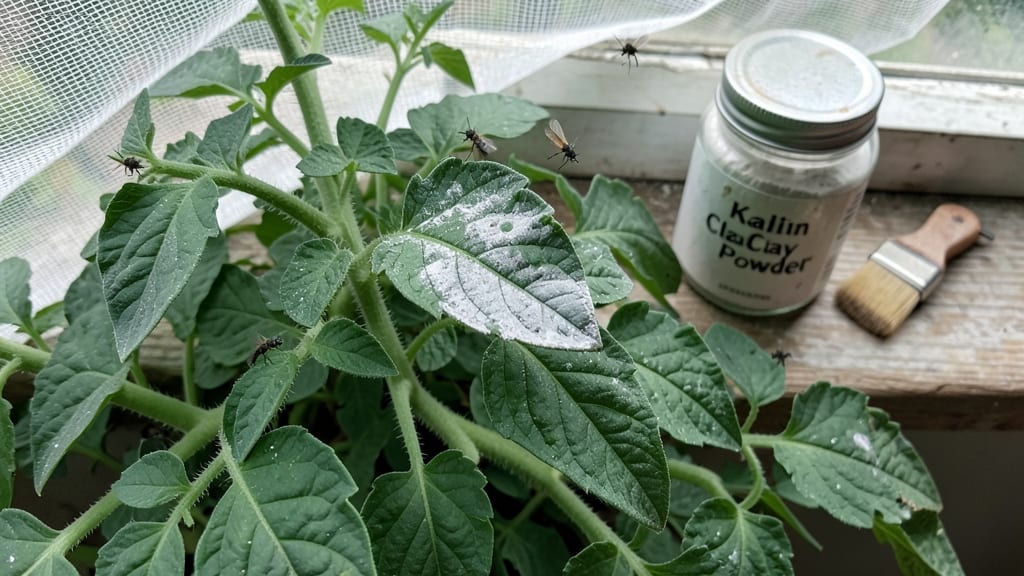
If you're tired of chemical sprays and want a non-toxic way to stop tomato leaf miners before they start, kaolin clay is your secret weapon. This fine, white mineral creates a reflective barrier on leaves that confuses adult flies, disrupting their mating signals and making your plants less appealing for egg-laying.
Mix kaolin clay with water (1-2 tablespoons per gallon) and apply it to tomato foliage every 7-10 days or after rain. The coating doesn’t harm plants and even provides a light UV shield that reduces sunburn on young leaves. Best of all, it’s FDA-approved for organic gardening, making it safe for edibles and pollinators.
This method works best for preventative care in early season or for gardeners who prioritize organic practices. It’s especially effective when combined with other solutions like row covers or sticky traps for a multi-layered defense. 💚
Yellow Sticky Traps for Early Detection
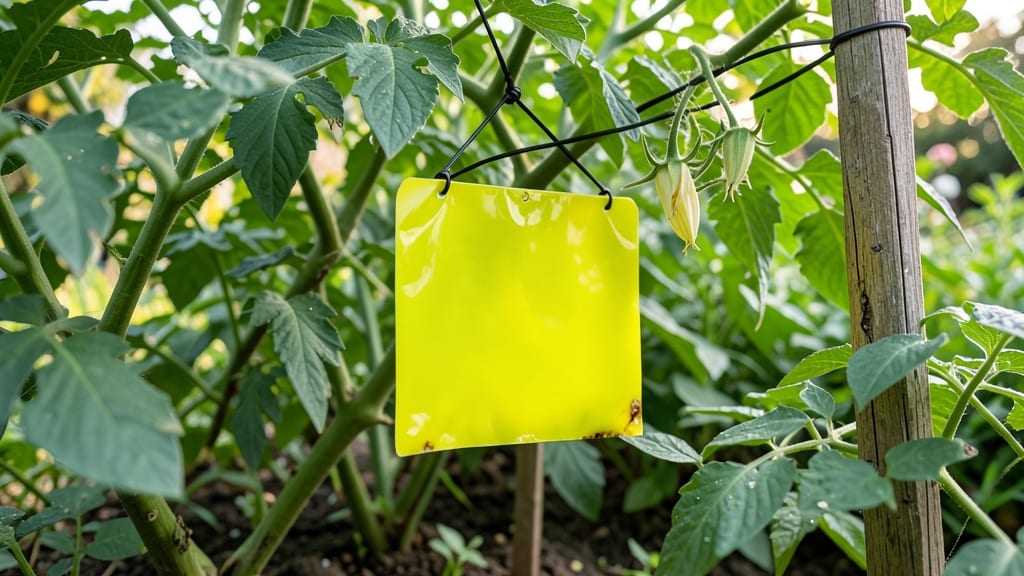
Want to stop leaf miners before they even start? Yellow sticky traps are your secret weapon for early detection—catching adult flies before they lay eggs and wreak havoc on your tomatoes.
Place these traps at a 5-foot height near your tomato plants to intercept flying adults. The bright yellow color mimics plant foliage, luring flies to stick and die. Check traps weekly and replace them when covered—this gives you an early warning system to act before larvae appear. They’re especially useful in greenhouses or high-density plantings where flies can spread quickly.
This low-cost, chemical-free method is perfect for organic gardeners or anyone who wants to monitor leaf miner activity without spraying. 🌱
Row Covers to Physically Block Egg-Laying

Stop tomato leaf miners before they even start by using row covers—the ultimate early-season shield. These lightweight fabrics create a physical barrier that blocks adult flies from reaching your plants, preventing egg-laying entirely. Unlike sprays or traps, row covers work proactively, giving you peace of mind during the most vulnerable planting stages.
Choose breathable, UV-stabilized fabric (like floating row cover) to allow sunlight and water through while keeping pests out. Secure the edges tightly with soil or weights to eliminate gaps, and remove covers when flowers appear to allow pollination. This method is especially effective for early spring plantings when flies are most active but before they’ve had a chance to establish colonies.
Perfect for beginners or organic gardeners, row covers require minimal maintenance and eliminate the need for chemical interventions. Use them as a first line of defense to protect your entire tomato crop from the start. 🌱
Garlic and Chili Pepper Spray for Organic Repellent

Tired of store-bought sprays with harsh chemicals? A garlic and chili pepper spray is your secret weapon against tomato leaf miners—using kitchen scraps you already have. This homemade repellent leverages the strong aromatic compounds in garlic and capsaicin from peppers to confuse and deter adult flies before they lay eggs.
Blend 4 cloves of garlic, 2-3 fresh chili peppers (or 1 tbsp cayenne powder), and 1 quart of water until smooth. Strain through cheesecloth, add a drop of dish soap as a surfactant, and spray directly on leaves—especially the undersides where flies lay eggs. Reapply every 7-10 days or after rain, and store extra spray in the fridge for up to 2 weeks. The scent is potent enough to keep flies away without harming your plants or pollinators.
This solution is perfect for urban gardeners or anyone who prefers non-toxic, budget-friendly options. Plus, it’s a great way to reduce food waste by using garlic and pepper scraps that might otherwise go to waste. 🌱
Beneficial Nematodes for Soil-Borne Larvae
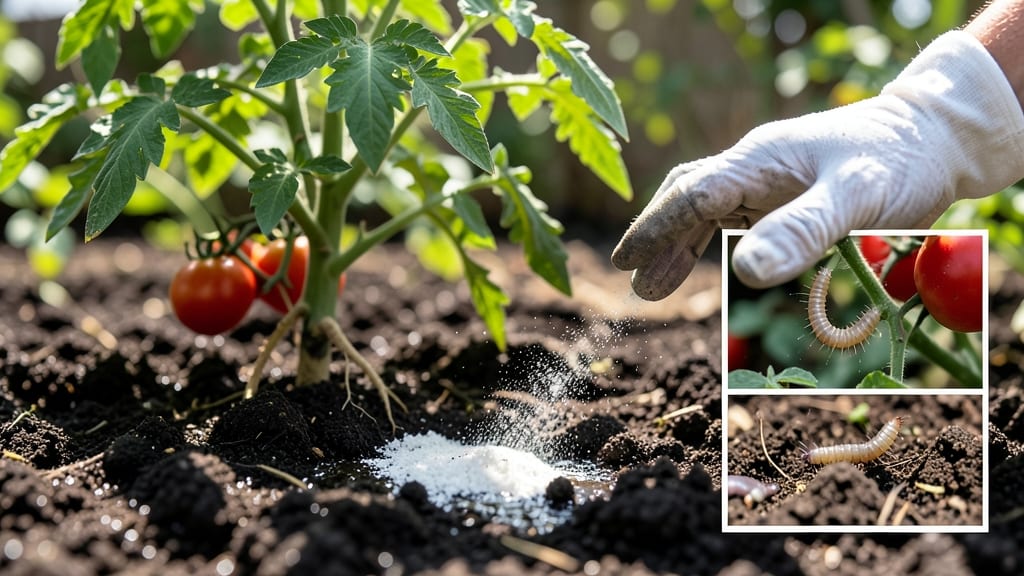
When the battle against tomato leaf miners feels unwinnable, beneficial nematodes—microscopic predators—can strike where other methods fail. These tiny worms target larvae hiding in the soil, breaking their life cycle before they reach your plants. Unlike foliar sprays, they work underground where leaf miners hide after hatching.
Apply Steinernema feltiae nematodes (the most effective species) when soil temperatures reach 60-85°F and moisture levels are high—think after watering or during humid mornings. Water the soil thoroughly before application, then reapply every 4-6 weeks during the growing season. They’re safe for organic gardens and won’t harm plants, pets, or humans, but they do need moisture to move effectively.
This solution is a game-changer for gardeners who’ve tried everything else, especially those with heavy infestations or sandy, well-draining soils where larvae thrive. Pair nematodes with row covers for a two-pronged defense against leaf miners. 💚
Cultural Rotation to Break Life Cycles

If you’ve ever lost tomato plants to the same pest year after year, cultural rotation is your secret weapon. This simple strategy disrupts the tomato leaf miner’s life cycle by preventing larvae from overwintering in the same soil, reducing future infestations by up to 70%. Unlike reactive sprays, it’s a proactive, organic solution that saves time and money long-term.
Start by mapping your garden beds and avoiding tomato family crops (tomatoes, peppers, eggplants) in the same spot for at least 3 years. Replace them with non-host plants like beans, lettuce, or brassicas, which break the pest’s cycle without chemicals. For urban gardeners with limited space, use containers and rotate them annually. This method also improves soil health by diversifying nutrients.
Perfect for organic gardeners and beginners, cultural rotation turns pest control into a year-round habit—not a last-minute scramble. 🌱
Pyrethrin-Based Sprays for Severe Infestations

When your tomato plants are under siege by a heavy tomato leaf miner infestation, you need a fast-acting solution that delivers results without harsh synthetic chemicals. Pyrethrin-based sprays, derived from chrysanthemums, offer a powerful organic option to knock out larvae and adults quickly—but timing and safety are critical.
This fast-acting insecticide works by disrupting the nervous systems of leaf miners, providing noticeable relief within hours. Apply it during early morning or late evening to minimize harm to pollinators, and avoid spraying when tomatoes are flowering. For severe cases, reapply every 3-5 days until the infestation subsides. Always follow label instructions for dilution and safety precautions.
Reserved for last-resort situations, pyrethrin sprays are ideal for gardeners facing overwhelming damage who still want to prioritize organic methods. Just remember: protect your bees and beneficial insects by using it judiciously. 🌱
Companion Planting with Basil and Marigolds

If you're tired of chemical sprays and want a natural, low-effort way to protect your tomatoes, basil and marigolds are your secret weapons. These powerhouse companions don’t just repel pests—they actively disrupt the leaf miner’s life cycle while inviting beneficial predators to your garden.
Plant basil near your tomatoes to confuse adult leaf miner flies with its strong scent, making it harder for them to locate your plants. Meanwhile, marigolds release compounds that attract ladybugs and lacewings, which devour leaf miner larvae on contact. For best results, interplant them at the base of your tomato stems or in surrounding beds to create a protective barrier.
This approach is perfect for organic gardeners and beginners who want a hands-off solution. Plus, you’ll enjoy fresh basil for cooking while keeping your tomatoes thriving. 💚
Pruning and Destroying Infested Leaves

When you spot the telltale serpentine mines of tomato leaf miners, don’t just toss the leaves—prune them properly to stop the cycle. Removing infested foliage is one of the most effective ways to prevent larvae from maturing and spreading to new leaves.
Use sharp pruning shears (or scissors) dipped in rubbing alcohol between cuts to kill any hidden eggs or larvae on the blades. Focus on leaves with visible white larvae or brown trails, and always remove them from the garden immediately—don’t compost them! This method is especially critical during peak fly activity (late spring to early summer).
This hands-on approach works best for gardeners who catch infestations early or prefer a mechanical solution over sprays. It’s also a great way to reduce the need for chemical treatments later in the season. 🌱