
Pruning
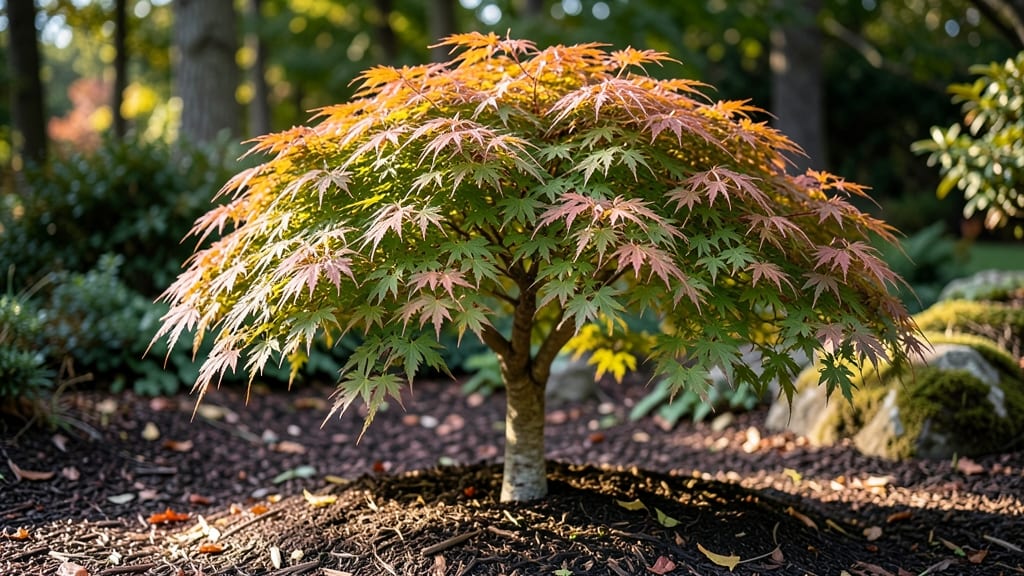
That five-pointed leaf shape means you're dealing with some of the most dramatic trees around—maples, horse chestnuts, and Chinaberries included. 🌿 I've grown them all, and the bold foliage transforms any yard into a seasonal masterpiece, from spring's fresh green to fiery autumn displays.
The key? Matching their needs to your climate and space, because these trees aren't just pretty—they're tough survivors with big personalities.
Maples like the sugar maple or Japanese maple demand well-drained soil and full sun, while horse chestnuts handle partial shade better and add those iconic white flower clusters in spring. Chinaberries? They're the low-maintenance rebels that thrive in poor soil and drought once established.
Pruning is where you shape their drama—remove dead branches in late winter, thin crowded limbs in summer, and never fear bold cuts these trees bounce back fast.
What you'll end up with is shade that feels like a cathedral, fall colors that put neighborhood displays to shame, and wildlife that can't resist the seeds or flowers.
Even beginners can nail this—just watch for anthracnose fungus on maples (prevent with proper spacing) and leaf miners on horse chestnuts (handpick larvae early). The payoff? Trees that grow for decades with minimal fuss once you get their rhythm.
Works in city yards, suburban lots, or rural landscapes—just pick the right variety for your zone. My Japanese maple thrives in a protected corner of my front yard, while the Chinaberry in my neighbor's yard handles full sun and heat like a champ.
Here's how to make yours thrive in your space.
Understanding Odd Leaf Shapes
If you’ve noticed a tree with five-pointed leaves sprouting in your garden—or worse, replacing the usual healthy foliage—you’re not alone. This unusual growth pattern isn’t just a quirky botanical oddity; it’s often a sign of stress, disease, or environmental factors at play.
Below, we break down the most common reasons why trees develop these distinctive (and sometimes concerning) leaf shapes, along with the science behind each cause.
Sometimes, a tree’s five-pointed leaves aren’t a sign of trouble—they’re just genetically hardwired that way! Certain plant species, like Ginkgo biloba or some maple varieties, naturally produce leaves with multiple lobes or points due to their evolutionary traits.
Additionally, if your tree is a hybrid (e.g., a cross between two species), its leaves might exhibit a unique shape as a result of genetic recombination.
💡 Pro Tip: If the rest of the tree looks healthy and the leaves are consistent in shape across branches, this could simply be a natural variation. Research your tree’s species to confirm—some cultivars are bred for bold foliage!
Pathogens like viruses (e.g., tomato mosaic virus) or bacteria (e.g., Pseudomonas syringae) can disrupt a tree’s normal growth patterns, leading to malformed leaves. These infections often cause:
- Stunted growth in leaf lobes or points
- Yellowing or dark spots between veins
- Distorted veins that create extra "fingers" or points
Viral infections, in particular, hijack the plant’s cellular machinery, causing aberrant leaf development. If you spot these symptoms alongside five-pointed leaves, isolate the tree to prevent spread.
🔥 Action Step: Scrape a small sample from the leaf edge and send it to a local plant diagnostic lab for confirmation. Treatment may involve pruning infected branches or applying copper-based bactericides.
Exposure to heavy metals (e.g., lead, copper), herbicides, or even excessive fertilizer can trigger abnormal leaf growth. For example:
- Boron deficiency may cause leaf tips to split or elongate into extra points.
- Excess nitrogen can lead to rapid, uneven growth, resulting in jagged or lobed edges.
- Pesticide drift (e.g., from glyphosate) may disrupt cell division, causing malformations.
Soil tests can reveal nutrient deficiencies or toxic buildup. If your tree is near a construction site or treated lawn, contamination could be the culprit.
🌡️ Fix It: Amend soil with organic matter (compost, peat moss) and avoid over-fertilizing. If toxicity is suspected, flush the soil with water or consult an arborist.
Trees are resilient, but sudden temperature swings, late frosts, or heatwaves can scramble their growth signals. For instance:
- Cold snaps during bud break may cause leaves to emerge with split or extra lobes as cells struggle to form properly.
- Drought stress can reduce chlorophyll production, leading to thinner, more segmented leaves.
- Hail or wind damage might tear leaves unevenly, mimicking a five-pointed shape as they regrow.
If the issue appeared after a weather event, monitor the tree closely—new growth should normalize as conditions stabilize.
✨ Preventative Tip: Mulch around the tree’s base to insulate roots and water deeply during drought periods to reduce stress.
Insects like aphids, spider mites, or scale insects feed on sap, disrupting the tree’s nutrient flow. Their saliva contains toxins that can:
- Cause leaf curling or puckering into extra points
- Trigger chlorosis (yellowing) between veins
- Weaken the tree, making it susceptible to secondary infections
Check the undersides of leaves for sticky residue (honeydew) or tiny webs—signs of infestation.
🔪 Combat Pests: Blast off insects with a strong water spray or apply neem oil. For severe cases, use systemic insecticides like imidacloprid (follow label instructions).
By identifying the root cause—whether genetic, environmental, or pathological—you can decide whether to intervene or embrace the tree’s unique character. Keep an eye on other symptoms (e.g., dieback, oozing sap) to narrow down the issue further.
Fixing & Reviving Your Five-Leaf Wonder
If your five-pointed leaf tree (like the stunning Schefflera actinophylla or Brassaia actinophylla) is struggling—whether from yellowing leaves, leggy growth, or pests—don’t panic! With the right care, you can nurse it back to health and keep its bold, tropical drama thriving. Below, we’ve mapped out practical fixes for common issues, along with prevention tips to avoid future setbacks. Let’s get your tree back to its show-stopping best!
Yellow leaves or sudden leaf drop are usually a cry for help from your tree. The most likely culprits? Insufficient light or overwatering. Here’s how to turn things around:
🔥 Cause: Not Enough Light
Five-leaf trees are light-loving and thrive in bright, indirect sunlight. If leaves yellow or grow sparse, it’s time to move it.
- 📍 Relocate your tree to a spot near a south- or west-facing window (avoid harsh direct sun, which can scorch leaves). A few feet away from the glass is ideal.
- 💡 Supplement with grow lights if natural light is limited. Use a full-spectrum LED grow bulb 6–8 inches above the tree for 12–14 hours daily.
- 🌱 Rotate the pot weekly so all sides get even light exposure (prevents lopsided growth).
💦 Cause: Overwatering or Poor Drainage
These trees hate soggy roots! Yellowing leaves with mushy stems or root rot mean you’re overdoing it on water.
- 🚰 Check soil moisture before watering: Stick your finger 1–2 inches deep into the soil. If it’s damp, wait. Water only when the top inch feels dry.
- ⚠️ Repot if needed: If your tree’s pot lacks drainage holes, transfer it to a terracotta or ceramic pot with holes and use well-draining soil (mix potting soil with perlite or orchid bark).
- 🌧️ Adjust your watering routine: Water deeply but infrequently—about once every 1–2 weeks (less in winter). Empty saucers after watering to prevent root suffocation.
💡 Pro Tip:
If your tree is already suffering from root rot, trim affected roots (sterilize pruners with rubbing alcohol) and repot in fresh, dry soil. Hold off on watering for 2–3 weeks to let roots recover.
A five-pointed leaf tree with long, sparse stems looks sad—and it’s usually a sign of lack of light or over-pruning. Here’s how to coax it back to fullness:
✂️ How to Prune for Fullness
Pruning isn’t just about cutting back—it’s about encouraging new growth in the right places.
- 🌱 Trim leggy stems: Cut back 1/3 of the longest stems just above a leaf node (where leaves grow). This stimulates branching.
- 🎯 Focus on the top: If your tree is top-heavy, prune the topmost growth to promote side shoots.
- 🌿 Pinch young growth: For new plants, pinch off the top 2–3 inches of stems to encourage bushier growth.
🌱 Prevention Tips for a Bushier Tree
- 💡 Light = Life: Move your tree to a brighter spot immediately—new growth will fill in faster.
- 🌿 Fertilize lightly: Use a balanced, water-soluble fertilizer (like 10-10-10) every 4–6 weeks in spring/summer. Avoid over-fertilizing, which can burn roots.
- 🔄 Rotate the pot every few weeks to ensure even light exposure on all sides.
Spider mites, mealybugs, and scale insects love five-leaf trees—especially if they’re stressed. Catch infestations early to avoid permanent damage.
🕷️ Common Pests & Fixes
| Pest | Signs | Solution |
|---|---|---|
| Spider Mites | Tiny webs on undersides of leaves, yellow stippling | 💦 Spray leaves with water daily for 3 days to knock them off. Use neem oil (1 tsp per quart of water) weekly until gone. |
| Mealybugs | Cottony white clusters in leaf axils | 🧼 Wipe off with a cotton swab dipped in 70% isopropyl alcohol. Repeat weekly for 2 weeks. |
| Scale Insects | Bumpy, brown/black spots on stems/leaves | 🔥 Scrape off with a soft brush. Apply horticultural oil (follow label instructions) for 2 weeks. |
🛡️ Prevention Tips
- 🌿 Inspect regularly: Check undersides of leaves and stems weekly with a magnifying glass.
- 💦 Mist leaves occasionally to deter mites (they thrive in dry air).
- 🌱 Quarantine new plants: Keep newly purchased trees separate for 2 weeks to spot pests early.
Five-leaf trees are tropical and need special care in winter. Cold drafts, dry air, and reduced light can stress them out.
❄️ Winter Care Checklist
- 🌡️ Keep temps steady: Avoid placing near cold windows, doors, or vents. Ideal range: 60–75°F.
- 💧 Reduce watering: Water only when soil is bone-dry (usually every 3–4 weeks).
- 🌬️ Boost humidity: Group plants together or use a pebble tray with water near the tree.
- 💡 Supplement light: If natural light fades, add a grow light for 12 hours daily.
####
Frequently asked questions
What are the most common trees with five-pointed leaves?
The most iconic trees with five-pointed leaves include maples (like sugar maple or Japanese maple), horse chestnuts, and Chinaberry trees. These trees aren't just visually striking—they're also prized for their shade, seasonal color changes, and adaptability to different climates.
Can I grow a five-pointed leaf tree in a small urban yard?
Dwarf varieties like Japanese maple 'Bloodgood' or Chinaberry thrive in small spaces. Just ensure they get 6+ hours of sunlight daily and plant them where their mature height (often 15-25 feet) won't obstruct sidewalks or power lines.
Why do some five-pointed leaf trees lose leaves prematurely?
Premature leaf drop often signals stress from drought, poor soil drainage, or pests like spider mites. Check soil moisture first—water deeply but infrequently. If pests are the issue, inspect leaf undersides for webs or tiny insects and treat with neem oil.
Are five-pointed leaf trees good for wildlife?
Yes! Trees like horse chestnuts provide food for squirrels and birds, while Chinaberries offer fruit that wildlife loves. Maples attract butterflies, and their seeds feed birds. Just avoid over-fertilizing—it can reduce fruit production for wildlife.
How do I prune a five-pointed leaf tree for maximum fall color?
Prune in late winter to remove dead or crossing branches, then thin crowded limbs in summer to improve airflow. Avoid heavy pruning in fall—this stresses the tree when it's preparing for winter. Focus on shaping rather than size reduction for vibrant autumn foliage.