
Pests and Diseases
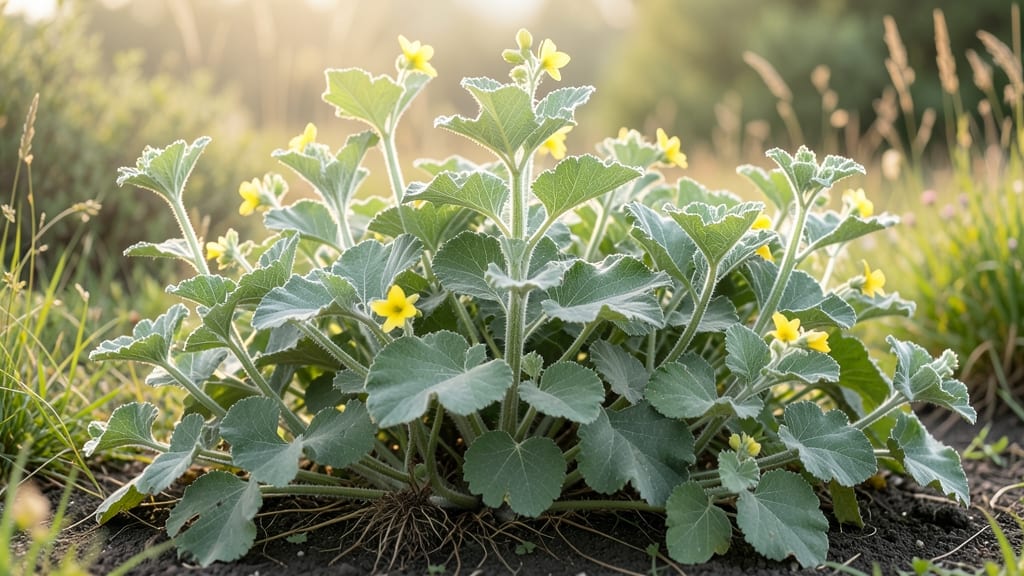
Velvet leaf weed is the fuzzy, fast-spreading nightmare that turns garden beds into a velvety mess by summer. 🌱 I’ve battled this stubborn invader in my Midwest garden—it starts with a single plant, then suddenly, your entire yard is covered in those heart-shaped leaves with their telltale velvety texture.
The good news? A 3-week organic plan can wipe it out without harsh chemicals, and I’ll show you exactly how.
The problem isn’t just its looks—it’s how aggressive it is. One plant can produce thousands of seeds, and those fuzzy seed pods explode when touched, spreading everywhere. But here’s the secret: pulling it early and smothering it with mulch or cardboard cuts off its food source.
No herbicides needed. I’ve seen entire patches disappear in just three weeks of consistent effort, and the key is acting fast before it goes to seed.
By the end of this process, your garden will look clean, weed-free, and thriving—no more struggling with those fuzzy invaders choking out your flowers or veggies. The best part?
This method works in Midwest and Southeast gardens where velvet leaf thrives, and it’s safe for kids, pets, and the soil. Let’s get started with a plan that actually works.
We’ll cover identification tricks (those heart-shaped leaves with fuzzy undersides are a dead giveaway), the step-by-step removal process, and how to prevent regrowth so you never deal with this again. No guesswork—just a foolproof system that’s saved my garden (and sanity) every year.
Root Causes Of Invasive Spread
Understanding why velvet leaf weed (Abutilon theophrasti) takes over gardens and crops is key to stopping it fast. This aggressive annual thrives due to a mix of ecological, agricultural, and even human factors.
Below, we break down the primary reasons it invades your space—and how each one fuels its relentless growth.
Velvet leaf weed loves fertile, disturbed soil—especially after tilling or planting. Here’s why:
- Excess nitrogen: Weeds like velvet leaf thrive in soil rich in nitrogen (common in compost-heavy or manure-treated gardens). Unlike desirable plants, it doesn’t need phosphorus or potassium to grow rapidly, making it a nitrogen opportunist.
- Loose, aerated soil: Tilling or heavy foot traffic creates the perfect seedbed. Velvet leaf seeds (which can lie dormant for 40+ years) germinate when exposed to sunlight and warmth in disturbed soil.
- Competition gaps: When crops or grass are sparse (due to drought, disease, or poor planting), velvet leaf fills the void. Its broad leaves out-shade weaker plants, blocking sunlight before they can recover.
Actionable fix: Test your soil’s nitrogen levels (aim for 30–50 ppm for veggies). Use cover crops (like clover or rye) in off-seasons to stabilize soil and starve weeds of sunlight.
Velvet leaf weed is a warm-season bully, and its lifecycle is tightly linked to temperature and moisture. Key triggers:
| Factor | Why It Helps the Weed | Peak Risk Period |
|---|---|---|
| Warmth (60–95°F) | Seeds germinate rapidly in soil temps above 60°F. Mature plants bolt (flower/seeds) in 60–70 days when nights stay above 70°F. | Late spring to early fall |
| Moisture (1–2 inches/week) | While it tolerates drought, consistent moisture speeds growth. Its deep taproot (up to 6 feet) competes with crops for water. | Spring rains + irrigation |
| Dry spells | Drought stress weakens crops but doesn’t stop velvet leaf. It drops seeds early if stressed, ensuring multiple generations per year. | Summer heatwaves |
Actionable fix: Monitor soil moisture with a moisture meter. Use drip irrigation (targeting crops, not soil surface) to deprive weeds of water. Mulch with straw or wood chips to regulate moisture and block light.
Human habits accidentally create velvet leaf weed paradises. Common culprits:
- Monoculture farming: Planting the same crop year after year depletes soil diversity. Velvet leaf thrives in uniform, nutrient-rich fields (e.g., corn, soybeans, or lawns).
- Late-season planting: Sowing crops after June 1 leaves gaps for weeds. Velvet leaf seeds germinate in 5–10 days—faster than most vegetables.
- Over-tilling: Frequent tilling buries weed seeds shallowly, where they germinate en masse. No-till gardens reduce this by 80%.
- Windborne seeds: One plant can produce 80,000+ seeds. These hitchhike on clothing, tools, and even animals, spreading to new areas.
Actionable fix:
- Rotate crops with cover crops (e.g., buckwheat) to disrupt weed cycles.
- Plant early-season crops (like radishes or lettuce) to outcompete weeds.
- Use mulch mats in high-risk areas (e.g., garden beds, pathways).
When crops struggle, velvet leaf weed steps in as the default survivor. Here’s how:
- Crop stress = weed gain: Diseases (like powdery mildew on squash) or pests (e.g., corn earworms) weaken plants, leaving open space for velvet leaf.
- Herbicide-resistant strains: Some velvet leaf populations have evolved resistance to glyphosate (Roundup) and other common herbicides, making chemical control unreliable.
- Lack of natural predators: While some insects (like leaf-footed bugs) nibble on velvet leaf, they prefer healthy crops. Stressed gardens offer weeds a predator-free zone.
Actionable fix:
- Boost crop health with compost tea or neem oil to deter pests/diseases.
- Introduce beneficial insects (e.g., ladybugs) to target velvet leaf larvae.
- Avoid broad-spectrum herbicides—they kill good bugs along with weeds.
Pro Tip: 💡 Velvet leaf weed’s secret weapon? Its seeds don’t need light to germinate. Even a 1-inch burial can trigger sprouts. The deeper you till, the worse the problem grows—stop digging and smother instead!
Natural Ways To Remove It Fast
Now that you understand why this pesky plant invades your garden, it’s time to roll up your sleeves and tackle it—without chemicals. Below are targeted solutions mapped to common causes, along with prevention tips to keep your yard weed-free long-term.
These methods are effective, eco-friendly, and easy to implement, even for beginners.
Fix: Prevent Seed Germination & Smother Growth Velvet leaf weed thrives when seeds find bare soil. Break the cycle with these steps:
- 🌱 Pull It Early & Often
- Grab weeds at the base (roots and all) before they seed. Use gloves to avoid skin irritation from sap.
- Pro Tip: 💡 Do this after rain when soil is soft—weeds slide out easier!
- 🛡️ Block Sunlight with Mulch
- Apply 2–3 inches of organic mulch (straw, wood chips, or grass clippings) to suffocate seedlings.
- Bonus: Mulch retains moisture and feeds your soil over time.
- 🌡️ Solarize Soil (For Stubborn Patches)
- Cover the area with clear plastic sheeting for 4–6 weeks in hot weather. The sun bakes seeds and roots.
- Warning: Only do this in dry, sunny conditions—wet soil traps moisture and can encourage mold.
Fix: Compete with It—Don’t Let It Win Velvet leaf weed outcompetes your garden by stealing nutrients and water. Outsmart it with these moves:
- 👨🍳 Plant Dense Ground Covers
- Fill gaps with creeping thyme, clover, or shade-tolerant perennials to starve weeds of space.
- Pro Tip: ✨ Choose native plants—they’re tougher and need less water.
- 💧 Water Strategically
- Deep-water your plants, not the weeds. Shallow watering encourages velvet leaf weed to spread.
- Hack: Use a soaker hose to target garden beds directly.
- 🔪 Hand-Weed at the Right Time
- Weeds are most vulnerable after rain or in the early morning (when they’re hydrated).
- Tool Up: A Hula hoe makes quick work of large patches—just skim the soil surface weekly.
Fix: Break Its Life Cycle Persistent velvet leaf weed? It’s likely re-rooting from fragments or spreading via irrigation. Stop the regrowth with:
- 🗑️ Bag & Bin It
- Never compost pulled weeds—they’ll regrow. Toss them in the trash or burn them (if local laws allow).
- Pro Tip: 🔥 Rinse tools with rubbing alcohol between gardens to kill hitchhiking spores.
- 🚰 Fix Your Irrigation
- Adjust sprinklers to avoid overspraying lawn edges where weeds thrive.
- Upgrade: Install drip irrigation for precision watering.
- 🌿 Use Vinegar Spray (For Tough Spots)
- Mix 1 gallon of white vinegar + 1 oz dish soap + 1 cup salt. Spray directly on leaves (avoid desirable plants).
- Caution: Reapply every 2–3 days until weeds die (best for small, localized patches).
Once you’ve cleared it out, keep it out with these habits:
- 🌱 Plant densely—crowded gardens leave no room for weeds.
- 🕰️ Weed weekly—small weeds are easier to remove than jungle-sized ones.
- 💧 Water deeply but less often—encourages deep roots in plants, not weeds.
- 🔄 Rotate crops if growing vegetables to disrupt weed seed cycles.
- 🌿 Try corn gluten meal (a natural pre-emergent) in early spring to block seeds.
Remember: Consistency is key. Velvet leaf weed may be stubborn, but with patience and persistence, your garden will reclaim its space—naturally and without harsh chemicals. 🌿💪
Frequently asked questions
How can I tell velvet leaf weed apart from other weeds?
Look for heart-shaped leaves with fuzzy, velvety undersides—this is velvet leaf’s signature trait. The stems are hairy, and mature plants develop spiky seed pods that burst when touched. Compare it to common weeds like lambsquarters (smooth leaves) or pigweed (slender stems).
Why does velvet leaf weed keep coming back after I pull it?
Its seeds can survive in soil for decades and germinate when disturbed. Even small root fragments left behind can regrow. Always pull weeds before they seed and dispose of them in the trash—not compost—to break the cycle.
Is vinegar spray safe for my garden plants?
Vinegar spray targets only the leaves it touches, so use it carefully on small patches of velvet leaf. Test on a hidden plant first—some varieties (like tomatoes) may show damage. For delicate gardens, mulching or hand-pulling is safer.
Can I use mulch to prevent velvet leaf weed in my lawn?
Mulch works best in garden beds, not lawns. For turf, try corn gluten meal in early spring (it blocks weed seeds) or overseed with grass to outcompete weeds. In landscape beds, 2-3 inches of mulch smothers seedlings effectively.
How long does it take to completely eliminate velvet leaf weed?
With consistent effort, you can see 80% reduction in 3 weeks using the smothering method. Complete elimination takes 1-2 growing seasons because seeds remain dormant. Stay vigilant—weekly checks prevent regrowth.