
Leaf Blower
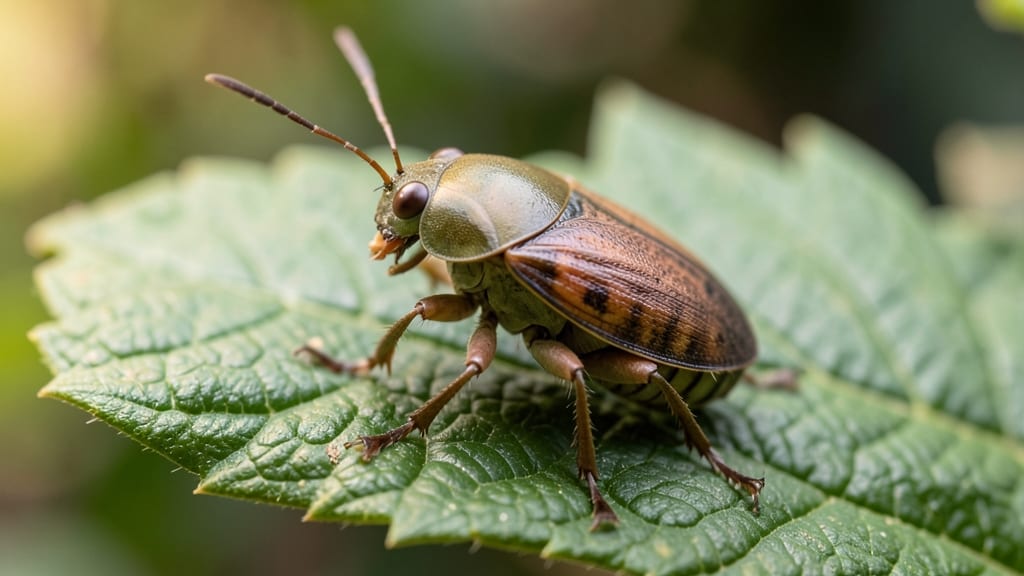
Are leaf-footed bugs bad? Those tiny pests with their distinctive folded legs can turn your thriving garden into a skeleton of chewed leaves and ruined fruit. 🌿 I’ve watched them strip entire tomato plants in days, leaving behind a trail of slime and frustration. These bugs aren’t just annoying; they’re destructive, especially to vegetables, fruits, and ornamentals like beans, peppers, and roses.
The damage starts small: tiny holes in leaves, wilting, or stunted growth, but if left unchecked, they’ll drain sap from your plants, causing them to shrivel or drop prematurely. Worse, their feeding can introduce secondary infections, like mold, that finish off already weakened plants.
The key to stopping them? Early detection—look for their telltale signs: chewed edges, black droppings, and the bugs themselves hiding under leaves.
You can fight back without harsh chemicals. Introduce natural predators like ladybugs or lacewings, use row covers to block them, or spray plants with soapy water to knock them off. For severe infestations, neem oil or insecticidal soap works—but act fast.
The sooner you spot them, the easier it is to save your garden before they move on to the next plant.
These bugs thrive in warm weather, so keep an eye out from late spring through fall. A little vigilance now means fewer headaches—and more harvests—later. Trust me, your garden will thank you.
The Hidden Triggers Inviting Them In
Leaf-footed bugs may seem like they materialized out of nowhere, but their presence in your garden is rarely random. These pests are drawn to specific conditions that make your plants an all-you-can-eat buffet. Understanding these triggers is the first step to reclaiming your garden from their damage.
Leaf-footed bugs are particularly fond of soft, overripe fruit—especially citrus, grapes, and stone fruits like peaches and plums. When fruit ripens beyond its prime, its sugars and oils become even more concentrated, making it irresistible to these pests.
A single dropped apple or neglected grapevine can turn your garden into a bug magnet.
Why it happens:
- Sugar and oil overload: Overripe fruit has elevated levels of fructose and volatile organic compounds (VOCs), which attract leaf-footed bugs from miles away.
- Moisture retention: Soft, mushy fruit holds moisture longer, creating an ideal breeding ground for eggs and nymphs.
- Lack of natural predators: When fruit is rotting on the ground, birds and other predators often avoid it, leaving the bugs unchecked.
Actionable fix: 🔹 Harvest promptly—pick fruit as soon as it’s ripe to avoid overripening. 🔹 Remove fallen fruit daily—walk your garden weekly to clear any dropped produce. 🔹 Use netting on trees to prevent fruit from becoming a bug buffet in the first place.
Plants under stress—whether from drought, disease, or poor soil—release chemical distress signals that leaf-footed bugs detect and exploit. These bugs are particularly drawn to plants that are already compromised, as their defenses are weakened.
Why it happens:
- Volatile organic compounds (VOCs): Stressed plants emit green leaf volatiles (GLVs) and other compounds that act like a dinner bell to pests.
- Reduced defensive compounds: Healthy plants produce tannins and alkaloids, which deter bugs. Stressed plants can’t maintain these defenses.
- Water-rich tissues: Drought-stressed plants may have localized areas of high moisture (e.g., near roots or new growth), which bugs target for feeding and egg-laying.
Actionable fix: 🔹 Water deeply but infrequently—encourage deep root growth to reduce stress. 🔹 Fertilize appropriately—over- or under-fertilizing stresses plants; use a balanced, slow-release fertilizer. 🔹 Prune for airflow—poor circulation increases humidity and fungal growth, which attracts bugs.
Leaf-footed bugs thrive in protected, undisturbed areas where they can lay eggs and hide from predators. Common shelter spots include:
- Under mulch or leaf litter
- Cracks in bark or tree crevices
- Weedy or dense ground cover
- Gaps in fences or garden structures
Why it happens:
- Moisture retention: Mulch and leaf litter trap humidity, which bugs need for egg development.
- Predator avoidance: Open areas expose bugs to birds, lizards, and other natural enemies.
- Temperature regulation: Sheltered spots maintain stable temperatures, ideal for nymphs to mature quickly.
Actionable fix: 🔹 Reduce mulch thickness—keep it 2–3 inches deep to allow airflow while still suppressing weeds. 🔹 Remove leaf litter and debris—rake up fallen leaves and clear dead plant material. 🔹 Seal gaps in structures—check fences, sheds, and tree trunks for cracks where bugs can hide.
Leaf-footed bugs are most active during warm, dry seasons, particularly in late summer and early fall. Their life cycle is tightly linked to temperature, making them more aggressive when conditions are ideal for reproduction.
Why it happens:
- Temperature triggers: They become active when soil and air temperatures exceed 70°F (21°C).
- Drought stress in plants: Warm, dry weather stresses plants, increasing their vulnerability to attack.
- Shortened daylight hours: As days grow shorter in fall, bugs focus on feeding and reproducing before winter.
Actionable fix: 🔹 Monitor weather patterns—peak activity often follows heatwaves or droughts. 🔹 Apply reflective mulch—aluminum mulch can deter bugs by reflecting sunlight and heat. 🔹 Use row covers in early summer to prevent initial infestations before they explode.
Understanding these triggers doesn’t just explain why leaf-footed bugs are in your garden—it gives you the power to disrupt their cycle before they cause serious damage. The key is proactive prevention, not reactive panic.
How to Stop Leaf Footed Bugs
If leaf-footed bugs have turned your garden into a chewed-up battlefield, don’t panic—there are effective, natural, and chemical-free ways to reclaim your plants. Below, we break down the best solutions based on the root cause of your infestation, so you can act fast and prevent future damage.
Leaf-footed bugs love stressed plants—think of them as garden bullies picking on the weakest kids. Fix it by giving your plants a fighting chance.
- 🌱 Prune & Thin Out Plants
- Overcrowded foliage traps moisture and attracts bugs. Thin out dense plants (like tomatoes, peppers, or citrus) to improve airflow.
- Remove yellowing or damaged leaves—these are bug magnets.
- 💧 Water Wisely (But Don’t Drown Them)
- Deep, infrequent watering (early morning) encourages strong roots and deters bugs.
- Avoid overhead watering—wet leaves attract pests. Use drip irrigation or soaker hoses instead.
- 🌿 Boost Plant Health with Nutrients
- Compost or balanced fertilizer (high in nitrogen for leafy greens, potassium for fruiting plants) makes plants less appealing.
- Neem oil spray (1 tsp per liter of water) strengthens plant immunity and repels bugs naturally.
💡 Pro Tip: Interplant with bug-repelling herbs like basil, mint, or marigolds—their strong scents confuse leaf-footed bugs!
Leaf-footed bugs lay tiny, white eggs on the undersides of leaves. If you spot clusters, act fast—they’ll hatch in 5-10 days.
- 🔪 Manual Removal (Best for Small Infestations)
- Scrape eggs off leaves with a plastic spoon or soft brush (drop them in soapy water).
- Check egg-laying hotspots daily: undersides of leaves, stems, and fruit.
- 🕷️ Encourage Natural Predators
- Ladybugs, lacewings, and parasitic wasps eat leaf-footed bug eggs. Plant dill, fennel, or yarrow to attract them.
- Avoid broad-spectrum pesticides—they kill helpful bugs too!
- 🧪 DIY Egg Trap (For Heavy Infestations)
- Mix 1 part water + 1 part vegetable oil + a drop of dish soap in a spray bottle.
- Spray egg clusters—the oil smothers them without harming plants.
⏰ Time-Sensitive: Eggs hatch quickly, so check plants every 2-3 days during peak season (spring to early summer).
Once adults emerge, they devour leaves, flowers, and fruit. Here’s how to catch and eliminate them without chemicals.
- 🕸️ Sticky Traps (For Monitoring & Control)
- Place yellow or blue sticky traps near infested plants—the bugs are drawn to the color.
- Check traps daily and dispose of bugs in soapy water.
- 🍎 Handpick & Drop in Soapy Water
- Wear gloves and gently shake plants over a bucket of soapy water.
- Best time: Early morning when bugs are sluggish.
- 🌿 Natural Sprays That Work
- Neem Oil Spray (1 tbsp neem oil + 1 tsp mild soap per gallon of water) – disrupts their feeding and reproduction.
- Garlic & Chili Pepper Spray (blend 2 garlic cloves + 1 tbsp cayenne + 1 liter water, strain, and spray) – repels with a strong scent.
- Insecticidal Soap (1.5 tbsp per liter of water) – kills on contact (reapply every 3-5 days).
💡 Pro Tip: Spray undersides of leaves—that’s where bugs hide!
The best defense? Stopping them before they start. Here’s how to keep your garden bug-free season after season.
- 🌿 Plant Resistant Varieties
- Some plants naturally repel leaf-footed bugs:
- Okra, eggplant, and citrus (less appealing than tomatoes).
- Marigolds, nasturtiums, and basil (mask other plant scents).
- Some plants naturally repel leaf-footed bugs:
- 🗑️ Clean Up Debris & Fallen Fruit
- Remove dropped leaves, fruit, and plant waste—these hide eggs and attract bugs.
- Till soil in fall to disrupt overwintering eggs.
- 🛡️ Use Row Covers Early in Season
- Floating row covers (lightweight fabric) block adult bugs from laying eggs while allowing pollination.
- 🕰️ Time Your Planting
- Leaf-footed bugs peak in late spring to early summer. Plant late-season varieties (like tomatoes in July) to avoid the worst.
✨ Bonus: Companion planting (e.g., tomatoes + onions) confuses bugs and improves plant health.
Final Thought: Leaf-footed bugs are annoying but beatable—combine prevention, manual removal, and natural sprays for the best results. Act fast, and your garden will bounce back stronger than ever! 🌱💪
Frequently asked questions
Do leaf-footed bugs bite humans or pets?
Leaf-footed bugs are plant pests and don’t bite humans or pets. They’re focused solely on sap from plants, so you won’t feel their presence beyond their garden damage. However, their feeding can attract other pests that might bite—like spiders or ants—so keeping them controlled protects your garden’s ecosystem.
Are leaf-footed bugs the same as stink bugs?
No, they’re different but related! Leaf-footed bugs have folded legs and a more slender body, while stink bugs have a shield-shaped back and release a foul odor when threatened. Both damage plants, but leaf-footed bugs prefer fruit and tender foliage, while stink bugs often target seeds and pods.
Will leaf-footed bugs kill my plants?
While they won’t kill most healthy plants outright, severe infestations can weaken them enough to invite disease or rot. Young seedlings or stressed plants are most at risk—look for wilting, stunted growth, or black droppings (frass) as warning signs. Act fast with neem oil or sticky traps to protect vulnerable plants.
How do I tell leaf-footed bug eggs apart from other insect eggs?
Leaf-footed bug eggs are tiny, white, and laid in clusters on leaf undersides. They’re about 1mm long and look like tiny footballs or barrels. Compare them to aphid eggs (smaller, rounder) or spider mite eggs (yellow, oval). Use a magnifying glass for close inspection!
Can leaf-footed bugs overwinter in my garden?
Yes! They lay eggs in protected spots like mulch or bark crevices, which hatch in spring. To break their cycle, remove leaf litter in fall and till the soil to expose overwintering eggs. This simple step can drastically reduce next year’s infestation.