
Pests
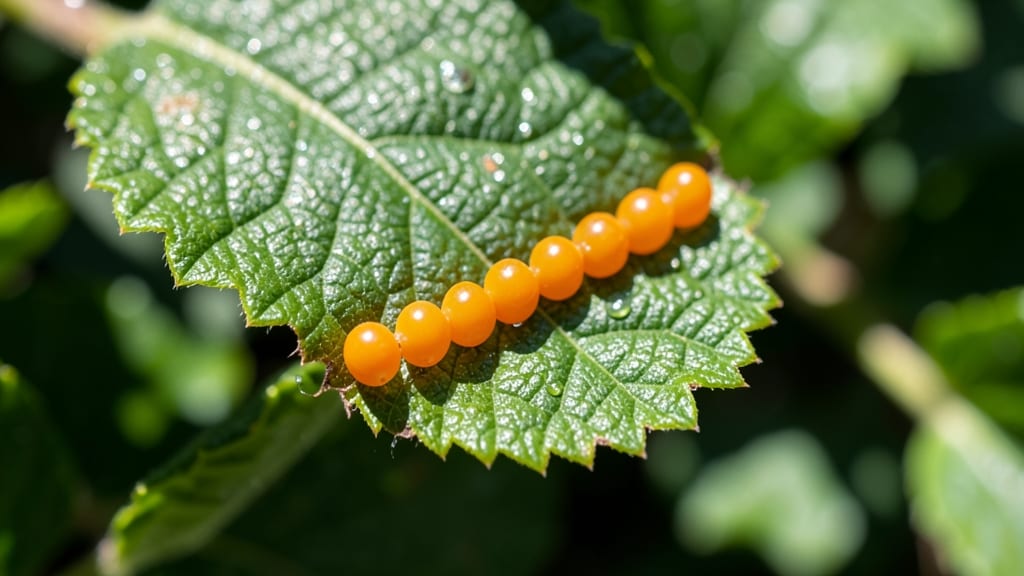
Finding tiny yellow eggs clustered on viburnum leaves means action time. ✨ These viburnum leaf beetle eggs hatch into voracious larvae that strip plants bare in weeks—unless you stop them now with the scrape-and-destroy method I’ve used to save multiple shrubs.
The key is early detection and relentless removal before the beetles emerge.
Beetles lay eggs in spring on the undersides of leaves, often near leaf veins. A hand lens reveals their bright yellow clusters, but even without one, look for skeletonized foliage by late May—a sure sign larvae are already feeding.
The scrape-and-destroy method works by physically removing eggs daily for 7-10 days during egg-laying season, preventing any larvae from hatching.
You’ll see immediate results: leaves stay intact, new growth remains undamaged, and your viburnum’s natural defense mechanisms can recover fully. The method is fast—just 10 minutes daily—and eliminates the need for chemical sprays, protecting pollinators while keeping your shrubs thriving. Here’s exactly how to do it right.
Works for all viburnum species, from Viburnum dentatum to Viburnum opulus, and integrates with other organic controls like neem oil or beneficial nematodes for stubborn infestations. Let’s get those eggs gone before they become a full-blown crisis.
Root Causes Of Egg Infestations
The presence of viburnum leaf beetle eggs on your prized shrubs isn’t random—it’s the result of a few key ecological and behavioral factors. Understanding these causes is the first step to preventing future outbreaks and protecting your plants.
Below, we break down the science behind why these pests target your viburnums and lay their eggs with such precision.
Viburnum leaf beetles (Pyrrhalta viburni) are highly selective feeders, and their choice of host isn’t accidental. Beetles are drawn to viburnum shrubs that are already stressed, making them easier targets for feeding and egg-laying. Here’s why:
- Nutritional Stress: Plants under drought, poor soil conditions, or nutrient deficiencies produce softer, more tender leaves—ideal for beetles to munch on. A healthy viburnum with thick, resilient foliage is far less appealing.
- Compromised Defenses: Stressed plants often reduce their production of defensive compounds (like tannins or volatile oils), which normally repel pests. Beetles can detect these chemical cues and zero in on vulnerable shrubs.
- Overcrowding: Dense, overgrown viburnums provide beetles with ample shelter and egg-laying sites. Pruning to improve airflow and sunlight exposure can disrupt their breeding cycle.
Pro Tip: 🌡️ Monitor plant health year-round. Regularly check for signs of drought, nutrient deficiencies (yellowing leaves, stunted growth), and overcrowding. A thriving viburnum is your best defense!
Viburnum leaf beetles are cold-hardy but thrive in specific weather patterns that encourage rapid reproduction. Their life cycle is tightly linked to temperature and humidity, making certain seasons high-risk for egg-laying:
| Season | Why It Matters | Actionable Fix |
|---|---|---|
| Early Spring (March–April) | Beetles emerge from overwintering sites (like leaf litter or bark crevices) when temperatures rise above 50°F (10°C). Warm, damp conditions trigger mating and egg-laying within 1–2 weeks. | Set up pheromone traps or yellow sticky traps to catch adults before they lay eggs. |
| Late Spring (May–June) | Peak egg-laying occurs when days are long and humid. Females can lay up to 800 eggs in clusters on the undersides of leaves, hatching in 7–10 days. | Inspect leaves weekly for egg masses (tiny yellow-orange clusters) and remove them immediately. |
| Fall (September–October) | Cool nights and warm days create perfect conditions for a second generation of beetles. Late-season eggs may overwinter, emerging earlier the next spring. | Apply horticultural oil or neem oil in late summer to disrupt egg development. |
Pro Tip: ⏰ Time your treatments. Beetles are most vulnerable during their pupal stage (late spring) and as adults in early spring. Target these windows for maximum impact.
In a balanced ecosystem, viburnum leaf beetles face predation from birds, parasitic wasps, and beneficial insects like ladybugs. However, urban and suburban gardens often lack these natural controls, leading to unchecked beetle populations. Here’s how it happens:
- Birds Avoid Treated Areas: Pesticide use (even broad-spectrum sprays) can deter birds that feed on beetle eggs and larvae. Without this check, beetle numbers explode.
- Monoculture Landscaping: Planting only viburnums (or other favored hosts like lilacs or privet) creates a beetle buffet. Diversity in your garden attracts a wider range of predators.
- Overwintering Sites Go Untouched: Beetles hide in leaf litter, bark, or mulch over winter. If you don’t clean up fallen leaves or prune heavily infested branches, you’re essentially giving them a free shelter.
Pro Tip: 🐦 Encourage wildlife. Install birdhouses, bat boxes, and native flowering plants to attract predators. Even a small pond can boost beneficial insect populations!
Unfortunately, some of the most common gardening practices can inadvertently spread viburnum leaf beetle eggs. Here’s how:
- Moving Infested Plants: Buying or transplanting viburnums from nurseries or wild areas can introduce beetle eggs hidden on stems or leaves. Always quarantine new plants for 2–4 weeks and inspect thoroughly.
- Poor Pruning Practices: Pruning in late fall or winter (when beetles are dormant) can spread eggs stuck to tools or fallen leaves. Always sterilize pruners with rubbing alcohol and dispose of infested debris in sealed bags.
- Composting Infested Material: Eggs can survive composting if temperatures don’t reach 140°F (60°C). Avoid composting heavily infested leaves or branches.
Pro Tip: 🔪 Clean tools like a pro. After pruning, wipe blades with a 10% bleach solution or isopropyl alcohol to kill any hitchhiking eggs or larvae.
Beat Back Beetle Eggs Fast
Now that you know why those pesky viburnum leaf beetle eggs are showing up, let’s tackle them head-on with practical, no-nonsense solutions. The key? Speed and precision—these eggs hatch fast, so acting early saves your shrubs from defoliation.
Below, we break down the best fixes by cause, plus prevention tips to keep your viburnum healthy long-term.
Cause: Eggs laid on leaves or stems in early spring (March–May). Fix:
- Inspect daily 👀 – Check undersides of leaves and stems for clusters of orange-yellow eggs (they look like tiny grains of rice).
- Scrape with a dull knife or credit card 🔪 – Gently remove eggs into a container of soapy water (1 tbsp dish soap per gallon). Do not crush—this can spread sticky fluids that attract more beetles.
- Dispose properly 🗑️ – Seal eggs in a plastic bag and toss in the trash (or flush if local regulations allow).
Pro Tip: 💡 Work in the morning when eggs are damp with dew—they’ll stick less to your tools.
Cause: Missed eggs or hatching larvae (tiny black beetles with orange stripes). Fix:
- Neem oil spray 🌿 – Mix 2 tbsp neem oil + 1 tsp mild soap in 1 gallon of water. Spray under leaves where eggs hide. Reapply every 5–7 days.
- Insecticidal soap 🧼 – Effective on newly hatched larvae. Spray directly on beetles (they’ll drop off). Test on a small leaf first to avoid damage.
- Kaolin clay 🏺 – Forms a barrier that deters adults from laying eggs. Apply as a dust or spray (follow label rates).
Warning: Avoid chemical pesticides like malathion—they harm bees and beneficial insects. Organic methods are safer for your garden’s ecosystem.
Cause: Returning adult beetles (July–August) that will overwinter and start the cycle again. Fix:
- Yellow sticky traps 🎨 – Hang near viburnum shrubs to catch adults before they lay eggs. Replace traps every 2 weeks.
- Handpick beetles 🖐️ – Drop them into soapy water during late summer/early fall when they’re sluggish.
- Prune and destroy ⏰ – Cut off heavily infested leaves/stems in late summer, bag them, and dispose of them (beetles hide in leaf litter to overwinter).
Cause: Weak or stressed shrubs attract more beetles. Fix:
- Keep viburnums healthy 💪 –
- Water deeply during droughts (but avoid overwatering).
- Mulch around the base to retain moisture and deter beetles.
- Prune in late winter to improve airflow (beetles love dense foliage).
- Encourage natural predators 🐝 –
- Ladybugs, lacewings, and parasitic wasps eat beetle eggs/larvae. Plant nearby flowers like dill, fennel, or alyssum to attract them.
- Rotate treatments 🔄 – Alternate between scraping, neem oil, and sticky traps to avoid resistance.
If your shrub is already skeletonized (bare branches), take these steps: - Prune back severely 🪓 – Remove 1/3 of the oldest stems to stimulate new growth.
Beetles prefer mature leaves. - Apply systemic granules 🌱 – Products like Bayer Advanced Tree & Shrub Insect Killer (containing imidacloprid) can be worked into the soil. Use sparingly—this affects the whole plant system. - Replace if necessary 🌳 – If the shrub is beyond saving, remove it entirely (bag and dispose of debris) and plant a resistant species like Viburnum dentatum (arrowwood), which beetles avoid.
Final Reminder: Consistency is key! Check your viburnums weekly during egg-laying season (March–May) and again in late summer for adults. With these steps, you’ll break the beetle cycle and keep your shrubs lush and pest-free. 🌿💚
Frequently asked questions
How do I know if I’m seeing viburnum leaf beetle eggs vs. other tiny yellow spots?
Look for clusters of tiny, orange-yellow oval eggs (about 1mm long) laid in neat rows along leaf veins or on the undersides of leaves. These eggs are sticky when fresh and resemble grains of rice. Other yellow spots (like aphid eggs or fungal spores) won’t be clustered in these precise patterns.
Can I use vinegar to remove viburnum leaf beetle eggs?
No, vinegar won’t work—it’s too harsh and can damage your plant’s leaves. Instead, use a damp cloth or soft brush to gently wipe eggs off, or scrape them with a dull knife into soapy water. Vinegar’s acidity also repels beneficial insects that help control beetles.
What’s the best time of day to scrape eggs for maximum effectiveness?
Morning is ideal! Eggs are damp with dew, making them easier to remove without sticking to tools. Plus, you’ll catch fresh egg-laying adults before they scatter. Avoid midday when leaves are dry—eggs may crush and release pheromones that attract more beetles.
How often should I check for new egg clusters after my first treatment?
Inspect your viburnum every 2-3 days during peak egg-laying season (March–May). Females can lay hundreds of eggs in just a few days, so consistency is critical. Use a hand lens for better visibility—eggs are tiny and often hidden!
Will my viburnum recover if I miss the egg stage and larvae appear?
Yes, but it takes longer. Larvae cause more damage, but your shrub can recover if you act quickly. Prune back 1/3 of the oldest stems to stimulate new growth, then apply neem oil or insecticidal soap to stop feeding. Severe cases may need systemic granules, but most viburnums bounce back with proper care.