
Diseases
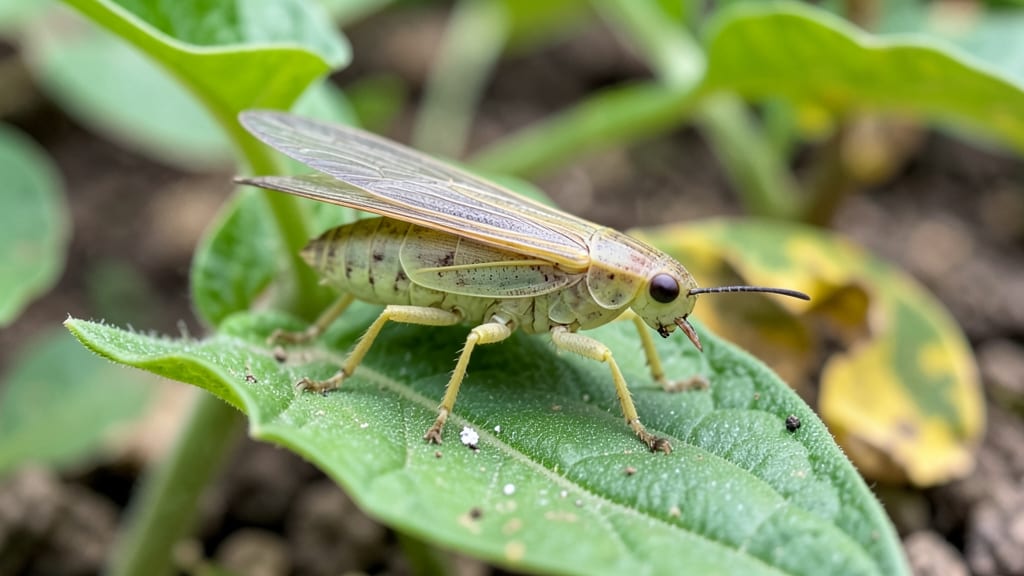
A leafhopper is a tiny, wedge-shaped jumping insect that pierces plant stems to suck sap, leaving behind curled leaves, stunted growth, and sticky honeydew that fosters sooty mold. These pests thrive in warm climates and are common nuisances in gardens and orchards.
A leafhopper's damage goes beyond just cosmetic issues—its feeding weakens plants by depriving them of essential nutrients. 🌱 These insects use specialized mouthparts to pierce plant tissues, creating entry points for viruses that can further stress your plants.
I've noticed they particularly target young, tender growth, which explains why seedlings often show the first signs of infestation. Their ability to jump up to 2 feet makes them hard to spot until the damage appears.
What makes them tricky is their rapid reproduction cycle—some species can produce multiple generations in a single growing season. This means what starts as a small problem can quickly escalate if left unchecked.
The honeydew they excrete isn't just unsightly; it creates the perfect environment for sooty mold, which blocks sunlight and further reduces your plants' ability to photosynthesize.
💡 In This Article
- How Leafhoppers Damage Plants and Spread Diseases
- Natural and Chemical Control Methods for Leafhopper Infestations
How leafhoppers damage plants and spread diseases
Leafhoppers use specialized piercing-sucking mouthparts that function like microscopic needles, allowing them to penetrate plant stems and phloem tissues. These mouthparts can deliver 10-20 punctures per minute, creating tiny wounds that disrupt the plant's vascular system.
The damage isn't just physical—it's a nutrient heist. By removing sap, leafhoppers deprive plants of sugars, amino acids, and water, which leads to that classic symptom of yellowing leaves and stunted growth. 🌿
The real danger lies in their role as virus vectors. Some leafhopper species can transmit over 100 plant viruses, including aster yellows and curly top virus, which can devastate crops like tomatoes and potatoes.
The transmission happens when the insect feeds on an infected plant and then moves to a healthy one. Unlike some pests that require direct contact, leafhoppers can transmit viruses even during brief feeding sessions—sometimes just 10-30 minutes of contact is enough.
You'll often spot leafhopper damage as curled or puckered leaves, particularly on the undersides where they feed. The honeydew they excrete isn't just sticky—it's a breeding ground for sooty mold, a black fungal growth that coats leaves and blocks sunlight.
This secondary issue can reduce photosynthesis by up to 40% in severe cases, turning your once-vibrant plants into shadowy, struggling specimens. The combination of direct feeding damage and disease transmission makes leafhoppers one of the most insidious garden pests.
What makes their impact even more concerning is their explosive reproduction rate. A single female can lay 500-1,000 eggs in her lifetime, and some species complete their life cycle in just 30-45 days.
This means an infestation can go from a handful of insects to thousands in a matter of weeks. The damage compounds quickly, which is why early detection is crucial—look for tiny 1/8-inch wedge-shaped bodies or the distinctive hopper marks on leaves.
Here's what's actually happening at the cellular level: When leafhoppers feed, their saliva contains enzymes that break down plant cell walls, creating entry points. This triggers the plant's defense mechanisms, but the constant feeding overwhelms these responses.
The result? Cellular dehydration in affected areas, leading to that telltale wilting and leaf distortion. It's like your plants are experiencing chronic dehydration from the inside out. 💧
Consider this comparison: A healthy tomato plant can produce 20-30 fruits per season, but with a leafhopper infestation, that number can drop by 50-70% due to stunted growth and disease transmission.
The economic impact on commercial farms is staggering—some crops lose millions annually to leafhopper-related damage. Even in home gardens, the cumulative effect can turn a thriving plot into a battleground.
What most people don't realize is how leafhoppers exploit plant weaknesses. They prefer stressed plants—those already struggling from drought, poor soil, or nutrient deficiencies. This is why a well-maintained garden with healthy soil and proper watering is your first line of defense.
Strong plants can better withstand the occasional leafhopper, while weakened ones become easy targets. 🌱