
Succulent
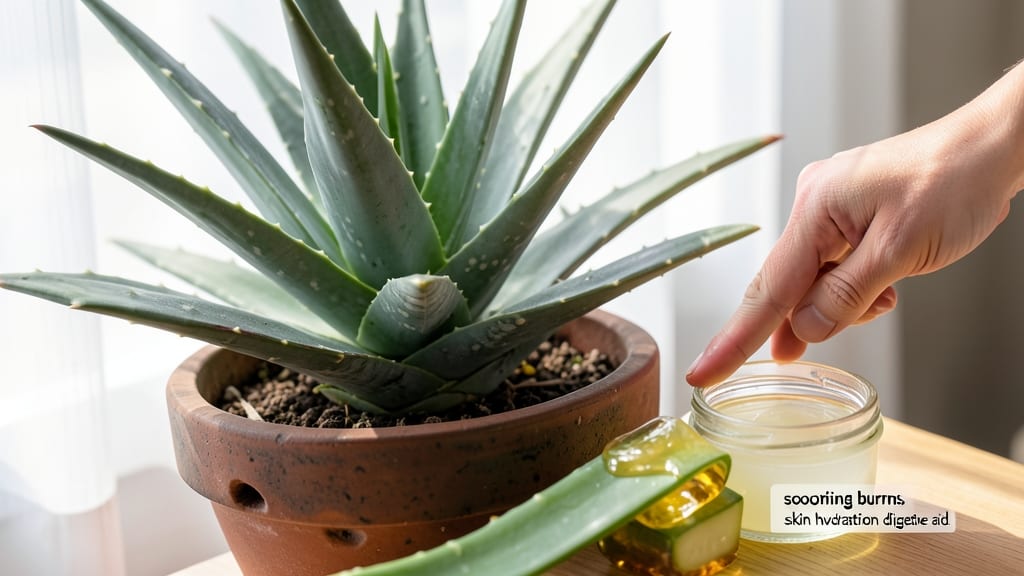
Aloe leaf is good for soothing sunburns, reducing skin irritation, and aiding digestion when consumed as juice or gel. Its anti-inflammatory and antimicrobial properties also promote wound healing and oral health while supporting immune function through antioxidants like vitamin C and E.
Aloe leaf's benefits come from its unique gel composition, packed with compounds like aloe vera barbaloin and aloe-emodin that fight inflammation and bacteria. 🌿 The gel's cooling effect makes it a go-to for sunburn relief, while its digestive enzymes help balance gut health when taken internally.
I've seen it work wonders for minor cuts too—just apply the fresh gel directly to speed up healing. For oral health, the antimicrobial properties can help reduce plaque buildup when used as a mouthwash.
What sets aloe apart is its versatility—you can use it topically for skin issues or consume it for internal benefits. The key is consistency: for skin applications, fresh gel works best, while for digestion, a 1/2 cup daily of juice is ideal.
Always opt for organic aloe to avoid pesticides that could irritate sensitive skin or digestive systems.
💡 In This Article
- Aloe Leaf’s Healing Properties Explained
- How to Use Aloe Leaf for Skin, Digestion, and More
Aloe leaf’s healing properties explained
The magic of aloe leaf lies in its gel, which contains over 75 bioactive compounds, including mucopolysaccharides like acemannan. These molecules bind to water molecules in your skin, creating a protective barrier that locks in moisture and reduces inflammation.
When applied to sunburned skin, the gel's cooling sensation comes from its high water content (99.5%) and compounds like aloe-emodin, which inhibit inflammatory cytokines. This is why aloe works faster than many commercial burn creams—it doesn’t just mask pain but actively repairs tissue.
For wound healing, the plant’s gibberellins (growth hormones) stimulate fibroblast activity, which accelerates collagen production. Studies show aloe can reduce healing time by up to 20% for minor cuts and burns compared to untreated wounds.
The antimicrobial aloeresin compounds also create an inhospitable environment for bacteria, preventing infections. This dual-action makes aloe a natural alternative to synthetic antibiotics for superficial wounds.
Internally, aloe’s benefits stem from its anthraquinones, which act as natural laxatives by stimulating intestinal contractions. The gel’s vitamin E content (0.15 mg per 100g) supports skin repair when consumed, while its zinc (0.3 mg per 100g) boosts immune function.
What’s fascinating is how these compounds work synergistically—aloe’s antioxidants don’t just neutralize free radicals but also enhance your body’s own antioxidant defenses, creating a protective cycle.
When choosing aloe, look for organic, purple-core varieties—they contain higher concentrations of healing compounds. The gel’s pH of 4.0-4.5 makes it gentle enough for sensitive skin but effective enough to treat conditions like psoriasis or eczema.
For digestive issues, the juice’s aloin content (0.5-1%) promotes regularity, though excessive intake can have a mild laxative effect. Always dilute fresh aloe juice with water to avoid stomach irritation.
The plant’s versatility comes from its adaptive bioactive profile. For example, aloe’s bradykinase enzyme inhibits the release of histamine, which explains why it reduces itching from insect bites or rashes.
This same enzyme helps explain why aloe mouthwash can reduce gum inflammation—it doesn’t just kill bacteria but also calms the surrounding tissue. The key is consistency: regular application or consumption allows these compounds to build up in your system for maximum benefit.
What most people don’t realize is how aloe’s benefits extend to your gut microbiome. The prebiotic fibers in aloe gel feed beneficial bacteria in your digestive tract, creating an environment where probiotics can thrive.
This is why many people experience improved digestion and even reduced acid reflux when they incorporate aloe regularly. The plant’s ability to both soothe inflammation and support gut health makes it one of nature’s most comprehensive healing tools.