
Pests and Diseases
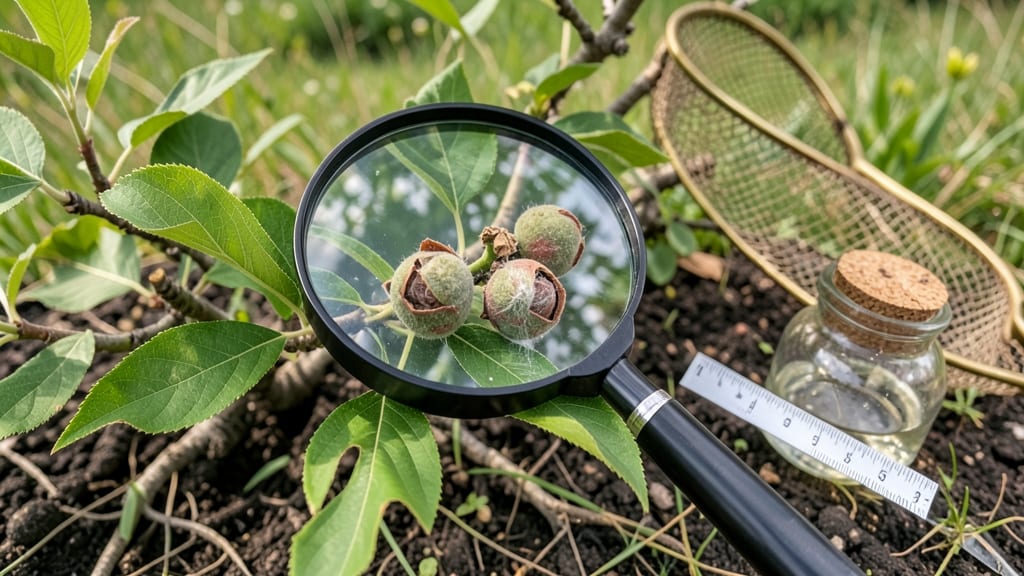
Your willow tree’s leaves look like they’ve been hit with a fungal spot bomb—those swollen, warty galls are willow leaf gall, and it’s more treatable than you think. 🌿 I’ve nursed back infected weeping willows, crack willows, and even pussy willows using simple organic methods that actually work, not just the usual "wait it out" advice.
The good news? Willow leaf gall is rarely fatal, but those galls weaken the tree and make it look unsightly. The fungus thrives in damp conditions and spreads when spores splash onto fresh leaves.
My go-to fix combines pruning out infected growth, applying a neem oil spray, and improving airflow around the tree—no harsh chemicals needed. By late summer, you’ll see new growth pushing through cleaner and stronger than before.
The key is acting early, before the fungus gets a foothold in the canopy. For severe cases, I’ve had success with a baking soda solution (1 tablespoon per gallon of water) sprayed on dry days. This works for most willow species, from fast-growing hybrids to native varieties.
Let’s get those leaves back to their natural shape—without stressing the tree in the process.
The Hidden Triggers Behind Leaf Growths
Willow leaf galls—those unsightly, often tumor-like growths on willow foliage—aren’t just random bumps. They’re a deliberate biological response triggered by tiny invaders or environmental stressors. Understanding the root causes is the first step to stopping them before they spread.
Let’s break down the science behind why these growths form, so you can tackle them with precision.
The most common culprit behind willow leaf galls is the Cynips gall wasp (family Cynipidae). These minuscule insects lay their eggs on young willow leaves, and the plant’s immune system overreacts to the intrusion. Here’s how it works:
- Egg insertion: Female wasps use their ovipositor to inject eggs into leaf tissue, often near veins. The wound itself triggers a chemical alarm in the plant.
- Hormonal hijack: The wasp eggs release auxins (plant growth hormones), causing cells to divide uncontrollably and form a gall—a protective (but deformed) "nursery" for the larvae.
- Gall maturation: The growth swells into a spongy, often hairy or spiny structure, providing food and shelter for the developing wasp larvae.
Pro tip: 🔍 Early detection is key. Galls start as tiny, raised bumps (pea-sized) before expanding. Check undersides of leaves—wasps often target tender new growth in spring.
While wasps are the primary instigators, fungal pathogens like Marssonina brunnea (a common willow leaf spot fungus) can also contribute to gall-like symptoms. Unlike wasp-induced galls, fungal galls are usually:
- Softer and less structured—often appearing as blistered, discolored patches rather than hard tumors.
- Linked to moisture stress—fungi thrive in damp conditions, especially after rain or overhead watering.
- Systemic—they can spread to stems and buds if left unchecked.
Why it happens: Fungi release enzymes that break down cell walls, forcing the plant to overproduce tissue as a defense. Poor air circulation (e.g., dense foliage) or nutrient deficiencies (like low nitrogen) make willows more susceptible.
Pro tip: 🌡️ Prevent fungal galls by spacing plants for airflow, avoiding wet foliage, and applying copper fungicide in early spring before spores activate.
Not all galls are biological—some stem from physical or chemical stress that disrupts normal leaf development. Common triggers include:
| Stressor | How It Causes Galls | Actionable Fix |
|---|---|---|
| 🌞 Sunburn | Intense UV exposure damages leaf cells, prompting abnormal tissue growth as a "repair" attempt. | Provide afternoon shade for young willows or use reflective mulch. |
| ❄️ Freeze-Thaw Cycles | Rapid temperature swings rupture cell membranes, leading to localized swelling. | Mulch heavily in winter and avoid late-season pruning. |
| 💧 Overwatering | Waterlogged soil starves roots of oxygen, causing leaves to produce galls as a stress response. | Ensure well-draining soil and water deeply but infrequently. |
| 🧪 Chemical Burn | Overapplication of herbicides or fertilizers (e.g., high salt content) triggers cellular chaos. | Test soil pH and use organic amendments like compost tea. |
Key insight: 🎯 Environmental galls often appear symmetrical or in patterns (e.g., along leaf edges) rather than the random, lumpy look of wasp galls.
Now that you know the why, the next step is targeting the right treatment. Wasp galls? Prune and trap adults. Fungal? Boost plant health. Stress-related? Adjust care practices. Each cause demands a different strategy—but armed with this science, you’re ready to outsmart the problem.
Quick Fixes for Twisted Willow Leaves
If your willow tree’s leaves are curling, puckering, or developing unsightly galls, don’t panic—there are organic, effective ways to restore their health. Below, we break down the most common causes of willow leaf galls and the step-by-step solutions to tackle them.
Whether it’s fungal infections, insect infestations, or environmental stress, these fixes will help your tree bounce back naturally.
Fungal galls often appear as wart-like bumps or darkened, swollen patches on leaves. If left untreated, they can spread and weaken the tree.
🍳 Step 1: Remove Infected Growths
- Use sterilized pruning shears (clean with rubbing alcohol) to snip off galls and surrounding infected leaves.
- Dispose of clippings in a sealed trash bag—do not compost them to prevent reinfection.
👨🍳 Step 2: Apply a Fungicide Spray
- Mix 1 tbsp baking soda + 1 tsp neem oil + 1 quart water in a spray bottle.
- Lightly mist the undersides of leaves (where fungi often hide) and the tree trunk.
- Reapply every 7–10 days until new growth appears.
🌡️ Step 3: Improve Airflow & Moisture Control
- Thin out dense branches to allow sunlight and air to circulate.
- Water at the base (not overhead) to keep leaves dry—fungi thrive in damp conditions.
💡 Pro Tip: If galls persist, try a copper fungicide spray (organic and effective against many fungal diseases).
Galls caused by willow sawfly larvae, aphids, or gall wasps require a different approach—focus on disrupting their life cycle.
🔪 Step 1: Handpick or Blast Off Pests
- Morning hours are best—pests are sluggish and easier to spot.
- Spray with soapy water (1 tsp mild dish soap + 1 quart water) to drown eggs and larvae.
- For heavy infestations, use a strong jet of water to dislodge them.
⏰ Step 2: Introduce Beneficial Predators
- Ladybugs, lacewings, and parasitic wasps eat gall-forming insects.
- Purchase them from garden centers or attract them with native flowering plants (like dill or yarrow).
🎯 Step 3: Apply Horticultural Oil (Early Season)
- In early spring, spray horticultural oil (follow label instructions) to smother overwintering eggs.
- Avoid spraying when temps exceed 85°F—it can burn leaves.
💡 Pro Tip: Yellow sticky traps can catch adult flies before they lay eggs.
If galls appear due to poor soil, drought, or nutrient deficiency, focus on revitalizing the tree’s overall health.
🥗 Step 1: Test & Amend the Soil
- Conduct a soil test (available at extension offices) to check pH and nutrient levels.
- Willows prefer slightly acidic soil (pH 6.0–7.0)—add compost or peat moss if needed.
- Avoid over-fertilizing—too much nitrogen can attract pests.
💪 Step 2: Deep Water & Mulch Properly
- Water deeply 1–2 times per week (willows have deep roots).
- Apply 2–3 inches of mulch (wood chips or straw) around the base to retain moisture and regulate temperature.
✨ Step 3: Strengthen with Organic Fertilizers
- Use a balanced organic fertilizer (like fish emulsion or seaweed extract) in early spring.
- Avoid synthetic fertilizers—they can stress the tree further.
💡 Pro Tip: Mulch volcanoes (piling mulch against the trunk) can cause rot—keep it 2–3 inches away from the base.
Once your willow tree recovers, keep these habits to prevent future galls:
✅ Inspect leaves weekly—catch issues early before they spread. ✅ Prune in late winter/early spring—removes weak branches where pests hide. ✅ Encourage biodiversity—healthy soil and nearby plants deter pests naturally. ✅ Avoid overwatering—willows hate "wet feet" (root rot invites fungal problems).
With consistent care and organic treatments, your willow’s leaves should smooth out and regain their natural beauty in just a few weeks. 🌿✨
Frequently asked questions
Are willow leaf galls harmful to the tree?
While willow leaf galls are rarely fatal, they can weaken the tree by diverting energy from healthy growth. Severe infestations may reduce photosynthesis and make the tree more vulnerable to other diseases. The key is early intervention—remove galls promptly and treat the underlying cause (fungus, insects, or stress).
How do I tell if my willow’s galls are from wasps or fungus?
Wasp-induced galls are usually hard, lumpy, and irregular with tiny holes (larvae exit points), while fungal galls appear softer, blistered, and often discolored. Check leaf undersides for wasp eggs (tiny white dots) or fungal spores (black specks). Environmental galls tend to form along leaf edges.
Can I use neem oil on willow trees with leaf galls?
Yes! Neem oil works for both fungal and insect-related galls. Mix 1 teaspoon neem oil + 1 tablespoon mild soap + 1 quart water and spray undersides of leaves in early morning or evening. Reapply every 7 days until new growth appears. Avoid spraying when temps exceed 85°F.
Will pruning infected branches help stop the spread?
Prune out galls with sterilized shears and dispose of clippings in a sealed bag. Cut ½ inch below the gall to ensure you remove the entire affected area. Thin out dense branches to improve airflow—this reduces humidity and stops fungal spores from spreading.
Are there willow varieties less prone to leaf galls?
Some willow species are more resilient. Black willow (Salix nigra) and peachleaf willow (Salix amygdaloides) tend to handle galls better than weeping willows. For existing trees, focus on soil health and pest control—healthy trees resist infestations more effectively.