
Leaf Blower
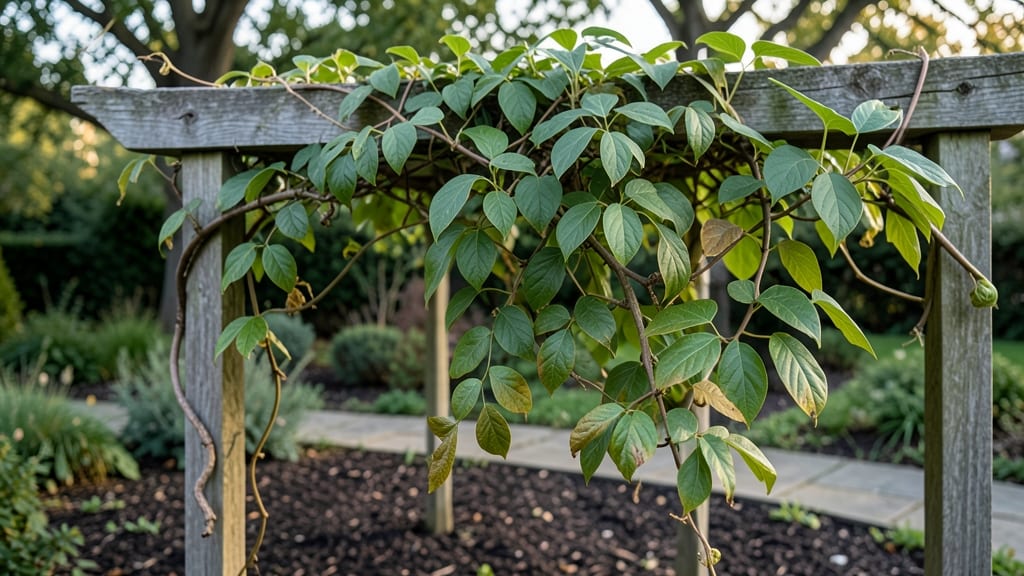
That twisted, curled mess on your wisteria leaves isn’t just ugly—it’s a fungal infection waiting to spread. 🌿 I’ve battled wisteria leaf curl for years, and copper fungicide isn’t just a spray—it’s a precision strike against the problem. The key?
Identifying whether it’s fungal (like powdery mildew or anthracnose) or something else before you treat it. Most gardeners waste time on the wrong fix because they confuse leaf curl with nutrient deficiencies or pests. Look for yellowing between veins, black spots, or a powdery coating—those are your clues.
Once you confirm it’s fungal, pruning infected branches first (sterilize your tools!) sets you up for the copper treatment to work. What you’ll end up with is a wisteria that stops curling and starts thriving again—no more sad, stunted growth.
The secret is timing: apply fungicide in spring before new leaves unfurl, and repeat every 2-3 weeks until the season cools. This works for both Japanese and Chinese wisteria, and it’s the same system I’ve used to save multiple vines. Let’s get those leaves back to their natural, graceful shape.
Understanding Leaf Distortion Causes
Wisteria leaf curl isn’t just an aesthetic nuisance—it’s a plant’s distress signal, often triggered by environmental stressors and microbial invaders. Below, we break down the root causes behind this unsightly (and sometimes damaging) condition, so you can address them with precision.
Wisteria thrives in moderate climates, but sudden shifts—especially late frosts or early heatwaves—can shock the plant. When temperatures dip below 32°F (0°C) or spike above 90°F (32°C) for prolonged periods, new growth becomes vulnerable.
- How it happens:
- Cold snaps disrupt cell division in emerging leaves, causing them to curl as they struggle to expand properly.
- Heat stress triggers abscisic acid (a plant hormone) production, which forces leaves to curl inward to conserve moisture—a survival tactic gone wrong.
- Actionable fix:
- Mulch heavily in fall/winter to insulate roots.
- Use shade cloth (30-50%) during heatwaves to protect young foliage.
- Avoid pruning in late spring when new growth is most sensitive.
Fungal pathogens like Pseudopeziza tracheiphila (a common wisteria leaf curl culprit) or Taphrina spp. (which causes peach leaf curl but can affect wisteria too) thrive in moist, humid conditions. These fungi infect leaf tissues, altering cell structure and forcing curls as they feed.
- How it happens:
- Spores overwinter in fallen leaves, bark crevices, or cankers.
- Rain or overhead watering splashes spores onto new growth, especially in spring (March–May).
- Infected leaves develop yellow-orange patches before curling tightly.
- Actionable fix:
- Remove and destroy all infected leaves/fruit (do not compost).
- Apply copper fungicide (e.g., Copper Sulfate 50% WP) before bud break and every 7–10 days during rainy seasons.
- Improve airflow by pruning dense growth and spacing plants 6–10 feet apart.
Wisteria roots hate soggy soil. Excess moisture stresses the plant, leading to nutrient deficiencies (especially magnesium and potassium) and anaerobic conditions that weaken leaves.
- How it happens:
- Compacted or clay-heavy soil traps water, suffocating roots.
- Overzealous irrigation (or poor drainage) causes root rot, reducing the plant’s ability to transport water/nutrients.
- Leaf curl appears as a last-resort survival mechanism to reduce water loss.
- Actionable fix:
- Test soil drainage: Dig a hole, fill it with water—if it doesn’t drain in 1–2 hours, amend with sand or perlite.
- Water deeply but infrequently (1–2 inches per week, less in winter).
- Mulch with wood chips (2–3 inches) to regulate moisture and improve soil structure.
While not a direct cause, sap-sucking pests (like aphids, spider mites, or scale insects) weaken wisteria by extracting nutrients, leaving leaves stunted, curled, or deformed.
- How it happens:
- Aphids inject toxins while feeding, causing leaf puckering.
- Spider mites (thriving in dry heat) create silky webs and distort new growth.
- Scale insects secrete honeydew, inviting sooty mold, which blocks sunlight and stresses the plant.
- Actionable fix:
- Blast pests off with a strong spray of water (early morning).
- Use neem oil or insecticidal soap (apply at dusk to avoid harming bees).
- Introduce ladybugs or lacewings (natural predators) for long-term control.
Leaf curl can also signal deficiencies or excesses of key nutrients. The most critical offenders?
| Nutrient Issue | Symptoms | Quick Fix |
|---|---|---|
| Magnesium (Mg) | Yellow interveinal curling (edges stay green) | Apply Epsom salt (1 tbsp/gallon water, foliar spray) |
| Potassium (K) | Brittle, curled edges (like "scorched") | Use kelp meal or wood ash (sparingly) |
| Nitrogen (N) | Pale, small leaves (over-curl) | Balanced fertilizer (10-10-10) in early spring |
- Pro Tip: Test your soil (pH 6.0–7.0 is ideal for wisteria). Lime (for acidity) or sulfur (for alkalinity) may be needed.
Aggressive pruning or recent transplanting can trigger hormonal imbalances, causing leaves to curl as the plant diverts energy to recovery.
- How it happens:
- Over-pruning in late spring removes food-producing leaves, starving new growth.
- Root disturbance during transplanting delays nutrient uptake, leading to weak, curled foliage.
- Actionable fix:
- Prune in late winter/early spring (before bud break).
- Water deeply after transplanting and avoid heavy pruning for 6–8 weeks.
- Use root stimulator (like Mycorrhizal fungi) at planting time.
Fixing Twisted Leaves Naturally
Wisteria leaf curl—whether caused by fungal infections, environmental stress, or pests—can leave your climbing beauty looking ragged. But don’t worry! With the right approach, you can restore those lush, healthy leaves. Below, we’ve mapped out practical solutions tailored to the root cause, plus prevention tips to keep your wisteria thriving.
If leaf curl is caused by fungal pathogens like Pseudopeziza wisteriae or Septoria, copper-based fungicides are your best defense. These treatments disrupt the fungus’s cell structure without harming the plant.
How to Apply: 🔹 Choose the Right Fungicide
- Opt for copper hydroxide or copper sulfate (e.g., Copper Soap or TriBasic Copper Sulfate).
- Follow label instructions for concentration—typically 1-2 tbsp per gallon of water.
🔹 Timing is Key
- Apply at the first sign of curl or spotting (early morning or late evening for best adhesion).
- Reapply every 7-14 days during wet or humid conditions.
🔹 Protective Spraying Technique
- Use a hose-end sprayer for even coverage, focusing on new growth and undersides of leaves.
- Add a sticker (like horticultural oil) to help the fungicide stick.
💡 Pro Tip: Avoid spraying when rain is forecasted within 24 hours—it washes off the treatment.
Heatwaves, poor drainage, or sudden temperature swings can cause leaf curl. Fix the conditions, and your wisteria will bounce back.
Quick Fixes: 🌿 Improve Soil Drainage
- Amend heavy clay soil with compost or perlite to prevent waterlogging.
- If planted in a container, ensure pots have drainage holes.
💧 Water Wisely
- Deep water 1-2 times per week (early morning) instead of frequent shallow watering.
- Mulch around the base with 2-3 inches of organic mulch to retain moisture.
🌿 Provide Shade Relief
- If your wisteria is in a hot, sunny spot, install light shade cloth (30-50%) during peak summer.
- Prune nearby trees/shrubs blocking airflow if needed.
✨ Pro Tip: Wisteria thrives in well-draining, slightly acidic soil (pH 6.0-7.0). Test your soil and amend if necessary.
Aphids, spider mites, or scale insects can distort leaves by sucking sap. Isolate and eliminate these pests to stop the curl.
Pest-Specific Solutions: 🕷️ For Aphids & Spider Mites
- Blast them off with a strong spray of water (disrupts their life cycle).
- Apply neem oil (1 tsp per quart of water) or insecticidal soap (reapply every 5-7 days).
🛡️ For Scale Insects
- Scrape off visible scale with a soft brush dipped in rubbing alcohol.
- Follow with a horticultural oil spray (smothers eggs and adults).
💡 Pro Tip: Introduce ladybugs or lacewings (natural predators) to control pests long-term.
Once you’ve treated the issue, prevent recurrence with these low-maintenance habits:
| Problem | Prevention Step | When to Do It |
|---|---|---|
| Fungal Spread | Space plants 6-10 ft apart for airflow | At planting |
| Soil Compaction | Aerate soil annually with a garden fork | Early spring |
| Pest Infestations | Monthly inspections for early signs | Spring through fall |
| Heat Stress | Drip irrigation to keep roots cool | Summer months |
Final Thought: Consistency is key! Whether you’re spraying fungicide, adjusting watering, or monitoring pests, stay vigilant—your wisteria will reward you with vibrant blooms and lush foliage in no time. 🌿✨
Frequently asked questions about wisteria leaf curl
Why does my wisteria develop curled leaves in spring?
Spring leaf curl often signals fungal infections like Pseudopeziza wisteriae or environmental stress from late frosts. The fungus thrives in damp conditions, while cold snaps disrupt cell growth. Check for yellow-orange patches—if present, copper fungicide is your best fix.
Can I save my wisteria if the curl is from pests like spider mites?
Spider mites cause curling by sucking sap. Blast them off with water first, then apply neem oil or insecticidal soap. For severe cases, introduce ladybugs—they're natural predators that'll clean up the infestation fast.
How often should I apply copper fungicide for leaf curl?
Start with a preventive spray before bud break in early spring, then reapply every 7-14 days during wet conditions. Stop treatments once new growth appears healthy, typically by midsummer. Always follow label rates for safety.
Will pruning help stop the leaf curl from spreading?
Yes! Remove all infected leaves and branches (sterilize tools with rubbing alcohol). Prune in late winter/early spring before new growth starts. Dispose of prunings—don't compost them—to prevent reinfection next season.
Could my wisteria's soil be causing the curled leaves?
Possibly! Poor drainage or compacted soil leads to root stress, which manifests as leaf curl. Test your soil—if it doesn't drain within 1-2 hours, amend with compost or perlite. Wisteria prefers well-draining, slightly acidic soil (pH 6.0-7.0).