
Pests and Diseases
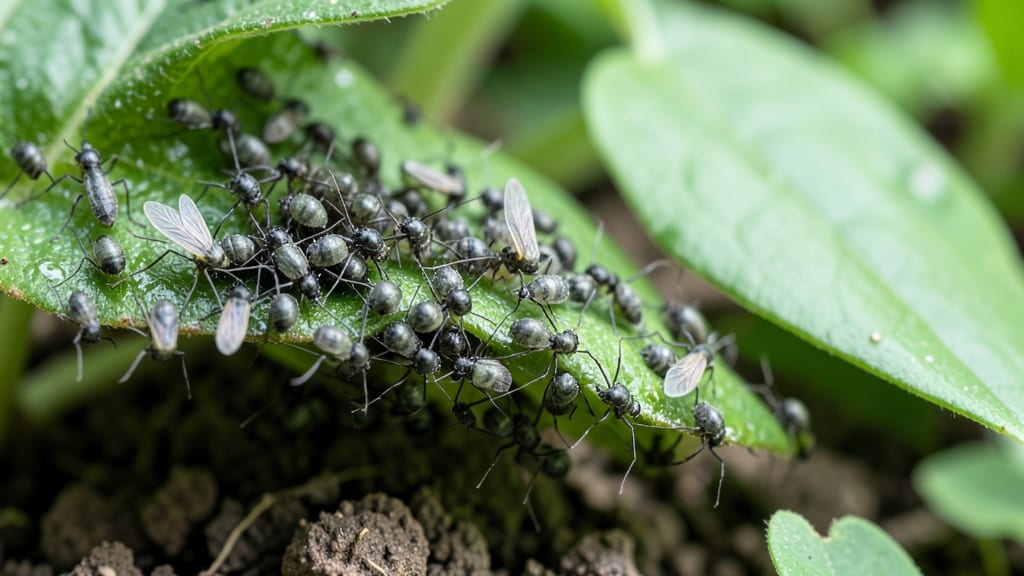
Are leaf bugs harmful? Tiny pests like aphids and leafhoppers might seem harmless, but they’re silently draining your plants’ life force. 🌿 The sticky residue they leave behind—called honeydew—can attract mold and weaken your plants over time, stunting growth and turning leaves yellow or spotted. These pests thrive in warm weather and often hide on the undersides of leaves, making them easy to miss. A single infestation can multiply into thousands in weeks, turning healthy foliage into a sad, sticky mess if you don’t act fast. The good news? You can stop them naturally with soapy water sprays, neem oil, or by attracting beneficial insects like ladybugs. Early intervention means stronger plants and fewer headaches later in the season. Whether you’re dealing with a small cluster or a full-blown outbreak, these methods work for gardens, houseplants, and even container setups. Let’s get your plants back to thriving!
Root Causes Of Leaf Bug Infestations
Leaf bugs—whether they’re sap-sucking aphids, voracious beetles, or piercing leafhoppers—don’t just appear out of nowhere. Their presence is almost always a response to specific environmental or plant-related triggers. Understanding these causes is key to preventing future outbreaks and protecting your garden. Here’s why these pests show up when they do:
A stressed plant is like an open buffet for leaf bugs. When plants lack nutrients, water, or sunlight, their natural defenses weaken, making them prime targets. Here’s how it breaks down:
- Nutrient Deficiencies 📊 Plants deficient in nitrogen, phosphorus, or potassium produce softer, more palatable leaves. Leaf bugs like spider mites and thrips thrive on weakened foliage because it’s easier to pierce and consume. A quick soil test can reveal imbalances—look for yellowing leaves (nitrogen) or stunted growth (phosphorus).
- Overwatering or Drought Stress 💧 Both extremes create ideal conditions. Overwatered plants develop fungal issues (like powdery mildew), which attract whiteflies and aphids drawn to moldy, sugary secretions. Meanwhile, drought-stressed plants produce thicker, waxier leaves that some bugs (like leaf beetles) find irresistible for egg-laying.
- Sunburn or Shade Stress ☀️🌑 Plants in direct, harsh sunlight (especially young or tender varieties) can develop sunburned spots, which emit volatile organic compounds (VOCs) that signal distress to pests. Conversely, shady, humid conditions encourage fungal growth, luring mealybugs and scale insects.
Pro Tip: 💡 Rotate crops annually and mulch properly to maintain soil health. Healthy roots = stronger defenses!
Leaf bugs love hiding in dense, untended foliage where they can feed undetected. Here’s how plant density and debris play a role:
- Thick Canopy Growth 🌿 Plants with compact, bushy growth (like basil, mint, or succulents) create microclimates where humidity and temperature spike—perfect for aphids and leafhoppers. These pests use the shelter to avoid predators (like ladybugs) and lay eggs in protected crevices.
- Dead or Dying Leaves ⚰️ Decaying plant matter releases sugary honeydew, a magnet for ants, wasps, and other sap-suckers. Even a single wilted leaf can become a breeding ground. Remove fallen leaves promptly—especially under pots or in garden beds.
- Pests Hiding in Mulch or Debris 🕷️ Organic mulch (like straw or wood chips) provides moisture and shelter for overwintering bugs. If mulch is piled too thickly, it can trap leafminers or white grubs, which later emerge to feast on your plants.
Action Step: 🔪 Prune regularly to improve airflow, and rake away leaf litter to eliminate hiding spots.
Leaf bugs are highly sensitive to temperature, humidity, and seasonal changes. These factors can turn a mild pest into a full-blown infestation:
- Warm, Humid Weather 🌡️ Aphids, whiteflies, and thrips multiply rapidly in 75–85°F (24–29°C) with high humidity. Warmth speeds up their life cycles, while moisture helps them spread via wind or water splashes. Greenhouse growers are especially vulnerable during summer peaks.
- Sudden Temperature Shifts ❄️☀️ Leaf beetles and cucumber beetles often appear after cold snaps followed by warm spells, as they emerge from dormancy. Similarly, fungus gnats thrive in cool, damp soil—common in spring or fall.
- Wind or Rain Spread 🌪️💦 Leafhoppers and stink bugs hitch rides on wind currents, while aphids cling to raindrops, spreading to new plants. If your garden is near wooded areas or farmland, migratory pests are more likely to stop by.
Prevention Tip: ✨ Use row covers in early spring to block flying pests, and reflective mulch to deter beetles.
A balanced ecosystem keeps leaf bug populations in check—but human interference can throw that balance off:
- Overuse of Broad-Spectrum Pesticides 🚫💊 Chemicals like neonicotinoids or pyrethroids kill beneficial insects (ladybugs, lacewings, parasitic wasps) faster than they kill pests. Without these natural predators, aphids and mites explode in numbers.
- Monoculture Gardening 🌾 Planting large blocks of a single crop (like a vegetable garden with only tomatoes) creates a pest buffet. Leaf bugs specialize in certain plants—tomato hornworms target Solanaceae, while Japanese beetles favor roses and grapes.
- Urbanization and Habitat Loss 🏙️ As natural landscapes shrink, pollinators and predator insects lose nesting sites. This forces pests like scale insects to rely more on chemical defenses (like sticky honeydew), making them harder to control organically.
Eco-Friendly Fix: 🌿 Plant companion flowers (like marigolds or dill) to attract predator insects, and avoid spraying pesticides during blooming seasons.
How to Fix Leaf Bug Issues
Dealing with leaf bugs—whether they’re sucking sap, spreading disease, or just ruining your plants’ appearance—requires a mix of quick fixes and long-term prevention. Below, we’ve broken down practical, step-by-step solutions tailored to the most common causes of leaf bug infestations.
Follow these methods to reclaim your garden or indoor plants without harsh chemicals (unless absolutely necessary).
Cause: Heavy infestations weaken plants by draining nutrients. Fix:
- Inspect daily – Check the undersides of leaves (their favorite hiding spot!).
- Pluck and dispose – Drop infested leaves into a sealed bag or soapy water to kill bugs on contact.
- Wear gloves – Some leaf bugs (like aphids or scale) can irritate skin.
- Compost carefully – If composting, bury infested leaves deep or burn them to prevent reinfestation.
> 💡 Pro Tip: Use a magnifying glass for small bugs like psyllids—early detection saves your plants!
Cause: Leaf bugs thrive where pesticides aren’t used. Fix: Mix these DIY sprays and apply at dusk (bugs are less active then):
| Solution | How to Make It | How to Apply |
|---|---|---|
| Soap Spray | 1 tbsp mild dish soap + 1 quart water | Spray directly on bugs (test on a small leaf first). |
| Neem Oil Mix | 1 tbsp neem oil + 1 tsp horticultural oil + 1 tsp soap + 1 quart water | Shake well; spray undersides and stems. |
| Garlic Pepper Spray | Blend 2 garlic cloves + 1 tsp cayenne + 1 quart water; strain | Spray weekly to deter future bugs. |
| Alcohol Spray | 1 part rubbing alcohol + 3 parts water | Best for stubborn scale or mealybugs. |
> ⚠️ Warning: Avoid essential oils (like tea tree) unless diluted—they can burn plants!
Cause: Leaf bugs multiply fast without natural checks. Fix: Invite bug-eating allies to your garden: - Ladybugs – Devour aphids and soft-bodied bugs. Buy them online or attract with dill or marigolds. - Lacewings – Larvae hunt leaf bugs voraciously.
Plant cosmos or yarrow to lure them. - Parasitic Wasps – Tiny but deadly to scale and mealybugs. They’re already in your garden—just don’t disturb them! - Birds – Hang a bird feeder or install a bath to encourage insect-eating species.
> 🌡️ Climate Tip: Beneficial bugs thrive in warm, humid conditions—water plants in the morning to create a bug-friendly microclimate.
Cause: Weak plants attract more pests. Fix: Boost your plants’ natural defenses with these low-effort habits:
- Water wisely – Overwatering stresses plants. Use drip irrigation or water at the base (not leaves).
- Fertilize correctly – Too much nitrogen = soft, bug-loving growth. Use a balanced 10-10-10 fertilizer or compost.
- Prune regularly – Remove yellowing or damaged leaves to reduce hiding spots.
- Rotate crops – If gardening, swap plant families yearly to confuse pests.
> ✨ Bonus: Companion planting works! Pair vulnerable plants (like tomatoes) with basil, mint, or onions to repel bugs naturally.
Cause: Severe infestations that won’t respond to natural methods. Fix: If bugs persist, try these targeted pesticides (always follow label instructions!): - Horticultural Oil – Smothers soft-bodied bugs like aphids and mites.
Apply when temps are above 50°F. - Insecticidal Soap – Kills on contact; reapply every 5–7 days. - Systemic Granules – For stubborn pests (e.g., whiteflies). Water into soil—plants absorb it. - Pyrethrin Sprays – Derived from chrysanthemums; effective but toxic to bees—use at night.
> 🎯 Targeted Tip: Spray only the infested areas to avoid harming beneficial insects.
Cause: Leaf bugs return if conditions stay ideal. Fix: Implement these long-term strategies to keep your plants bug-free:
- Quarantine new plants – Inspect for bugs before adding to your garden.
- Clean garden tools – Wipe down pruners and pots with rubbing alcohol to avoid spreading eggs.
- Mulch properly – Use straw or wood chips to deter crawling pests.
- Monitor year-round – Even in winter, some bugs (like scale) hide in bark—check occasionally.
> 🔥 Fire Prevention: Cinnamon or diatomaceous earth around plant bases can act as a natural barrier!
By combining immediate removal, natural repellents, and plant toughening, you’ll create an environment where leaf bugs stand no chance. Start with one or two methods, observe results, and adjust as needed—your green friends will thank you! 🌿💚
Frequently asked questions
What are the most common types of leaf bugs that harm plants?
The most troublesome leaf bugs include aphids (tiny green/black clusters), leafhoppers (small jumping insects), scale insects (brown bumps on stems), and whiteflies (tiny white moth-like bugs). These pests suck plant sap, leaving behind sticky honeydew that attracts mold and ants.
How do I tell if my plant has a leaf bug problem?
Look for yellowing leaves, sticky residue (honeydew), visible bugs on undersides, or sooty mold (black fungus). Check new growth first—leaf bugs love tender leaves. A magnifying glass helps spot tiny pests like spider mites or thrips.
Will leaf bugs kill my plants?
While they won't kill healthy plants overnight, severe infestations can stunt growth, weaken roots, and spread diseases like fungal infections. Young plants or stressed specimens are most vulnerable—act fast if you see clusters of bugs or wilting leaves.
Are there any plants leaf bugs avoid?
Leaf bugs dislike strong-scented plants like rosemary, lavender, mint, and basil. These act as natural repellents. Marigolds and garlic also help deter pests. Plant these near vulnerable crops to create a protective barrier.
Can I use vinegar to kill leaf bugs?
While vinegar can kill some bugs on contact, it's not recommended for plants—it can burn foliage. Instead, use a soapy water spray (1 tbsp mild soap per quart of water) or neem oil, which are safer for both plants and beneficial insects.