
Pruning
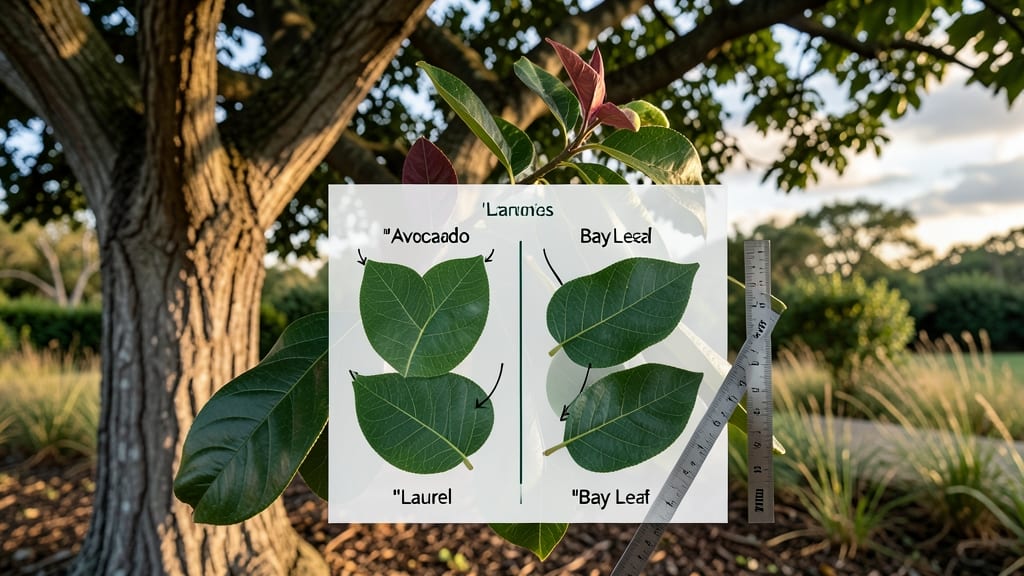
Avocado tree leaf identification tells a story—if you know what to look for. 🌿 Healthy leaves have distinct lobes and serrated edges, but yellowing, curling, or spotted foliage signals trouble. I’ve spent years diagnosing leaf issues, and the patterns reveal everything from spider mites to nutrient deficiencies.
Start by counting the lobes: 2-4 on mature leaves means it’s a Hass avocado, while 1-2 lobes suggest a different variety. Check the edges—sharp serrations are normal, but uneven, jagged damage points to pests like spider mites or fungal infections.
A quick rub test (leaves on white paper) confirms tiny webs or specks.
Yellowing leaves often mean overwatering or root rot, while brown tips signal underwatering or salt buildup. If leaves drop prematurely, it could be nutrient deficiency—especially nitrogen or potassium. I’ve saved trees by adjusting watering and adding compost, but severe cases need soil testing.
This isn’t just about spotting problems—it’s about early action. A simple leaf inspection can prevent major issues. Grab a magnifying glass, compare your leaves to healthy references, and act before the tree stresses. Trust me, your avocado will thank you.
Understanding Leaf Shape Changes
Avocado tree leaves are like nature’s fingerprint—each variety has its own unique pattern, but when those patterns shift unexpectedly, it’s usually a sign of stress or environmental cues.
Below, we break down the why behind common leaf shape variations in avocado trees, from serrations to lobe development, so you can diagnose and respond effectively.
Avocado trees thrive on balance, and when key nutrients go missing, leaves often react by altering their shape or texture. Here’s what’s really going on:
- 🔍 Nitrogen Shortage (Yellowing + Smaller Lobes) Nitrogen is the building block of chlorophyll, and without it, leaves struggle to grow properly.
A deficiency causes: - Smaller, thinner leaves with less pronounced lobes (they may appear almost smooth-edged). - Yellowing between veins** (chlorosis) while veins stay green. - Actionable fix: Apply a balanced fertilizer (e.g., 10-10-10) or compost-rich soil amendments. Test soil pH—avocados prefer 6.0–7.0; acidic soil locks out nitrogen.
- 💡 Potassium Deficiency (Ragged Edges + Weak Lobes) Potassium regulates water and nutrient transport.
When lacking: - Leaves develop uneven serrations or scalloped edges (like a jagged puzzle piece). - Older leaves may curl upward with brown, crispy tips**. - Actionable fix: Use a potassium-rich fertilizer (e.g., wood ash or greensand) or banana peel tea (yes, it works!). Avoid overwatering, which dilutes soil nutrients.
- 🌿 Magnesium Deficiency (Interveinal Yellowing + Stunted Growth) Magnesium is critical for chlorophyll production.
Symptoms include: - Yellow patches between veins (starting on older leaves). - Leaves may appear smaller with reduced lobing or even cupped shapes**. - Actionable fix: Apply Epsom salt (magnesium sulfate) to soil or foliage (1 tbsp per gallon of water, sprayed weekly). Repeat every 2–3 months.
Avocado trees are tropical at heart, and when conditions stray from their comfort zone, leaves adapt—or misfire. Here’s how:
- 🔥 Heat Stress (Bleached Tips + Curling Lobes) Prolonged heat (above 90°F/32°C) or sunburn triggers: - White or brown scorch marks on leaf edges. - Leaves may develop irregular lobes or thicken** to retain moisture. - Actionable fix: Provide afternoon shade (use shade cloth or prune to open the canopy).
Mulch heavily to retain soil moisture and reduce root stress.
- ❄️ Cold Damage (Blackened Lobes + Distorted Growth) Avocados hate frost.
Even a light freeze (below 32°F/0°C) can: - Cause blackened, mushy leaf tips or uneven lobe development. - New growth may emerge smaller or malformed**. - Actionable fix: Plant in microclimates (e.g., near walls or slopes that trap heat). Use frost cloths or windbreaks in winter.
Choose cold-hardy varieties like ‘Hass’ or ‘Fuerte’ if you’re in a marginal zone.
- 💨 Wind Exposure (Tattered Edges + Stunted Lobes) Constant wind desiccates leaves and weakens structural growth: - Leaves develop irregular serrations or tear-like notches. - Lobes may fail to fully form, resulting in a ruffled appearance**. - Actionable fix: Install a windbreak (e.g., bamboo fence or hedge).
Prune to reduce wind sail area—avoid letting branches grow too long or thin.
Pests and pathogens don’t just eat leaves—they rewire how they grow. Here’s how to spot their handiwork:
- 🐜 Spider Mites (Yellow Spots + Stunted Lobes) These tiny sap-suckers cause: - White webbing on undersides of leaves. - Leaves with reduced lobing or yellow stippling** (like freckles). - Actionable fix: Blast leaves with water (knocks off mites) or use neem oil spray (1 tsp per quart of water).
Repeat every 5–7 days until gone.
- 🍄 Fungal Infections (Black Spots + Deformed Lobes) Fungi like anthracnose or leaf spot thrive in humid conditions: - Dark, sunken lesions on leaves, leading to irregular lobe growth. - Infected leaves may drop prematurely, leaving new growth smaller and lobeless**. - Actionable fix: Remove infected leaves immediately.
Apply copper fungicide or baking soda spray (1 tbsp baking soda + 1 quart water + a drop of soap). Improve airflow by pruning dense branches.
- 🐛 Root-Knot Nematodes (Yellowing + Poor Lobe Definition) These microscopic worms strangle roots, starving the tree of water and nutrients: - Leaves turn yellow and brittle, with poorly defined lobes. - New growth may be stunted or twisted**. - Actionable fix: Solarize soil (cover with clear plastic for 4–6 weeks in hot weather) or apply marigold companion plants (natural nematode repellent).
For severe cases, replace infested soil.
Not all leaf shape changes are a cry for help—sometimes, it’s just biology at work.
- 🌿 Juvenile vs. Mature Leaves Young avocado trees often produce smaller, simpler leaves with fewer lobes.
As they mature (typically 3–5 years old), leaves develop: - More pronounced serrations. - Larger, deeper lobes (e.g., ‘Hass’ leaves are classic “avocado-shaped” with 3–5 lobes**). - Actionable fix: Patience! If the tree is young, wait and monitor.
If it’s mature and suddenly reverting, check for stress factors above.
- 🧬 Variety-Specific Traits Some avocado cultivars have naturally serrated or lobed leaves, while others are smoother.
For example: - ‘Fuerte’: Leaves are broader with fewer lobes. - ‘Hass’: Leaves are narrower with deep, jagged lobes**. - Actionable fix: If you’re unsure of your tree’s variety, compare leaves to online databases or consult a local agricultural extension office.
To track changes over time:
- Photograph leaves monthly (note size, lobe shape, color).
- Log conditions (watering, fertilizer, pests, weather).
- Compare old vs. new growth—sudden changes often point to recent stress.
This simple habit helps you spot patterns before minor issues become major problems. 🌟
Fixing Common Avocado Leaf Issues
Avocado trees are stunning when healthy, but their leaves can signal trouble if you don’t catch problems early. Whether it’s odd shapes, discoloration, or pests, knowing how to diagnose and treat leaf issues ensures your tree thrives.
Below are practical, step-by-step solutions for the most common avocado leaf problems—plus tips to keep them from recurring.
🔥 Cause: Too much water (root rot) or lack of nitrogen. 🍳 Fix:
- Check soil moisture by sticking your finger 2 inches deep—if damp, cut back watering.
- Improve drainage by adding perlite or sand to heavy soil.
- Fertilize with nitrogen (use a balanced 10-10-10 or avocado-specific fertilizer).
💡 Prevention Tip: Water deeply but infrequently—avocados hate soggy roots!
👨🍳 Cause: Spider mites, aphids, or environmental stress (wind, heat). 🥘 Fix:
- Spray leaves with neem oil (1 tsp per quart of water) to deter pests.
- Hose off soft-bodied insects (like aphids) with water.
- Shade the tree if sunburn is the issue (use lightweight shade cloth).
✨ Prevention Tip: Regularly inspect leaves—early pest detection saves your tree!
🔪 Cause: Anthracnose, mites, or thrips. 🔥 Fix:
- Remove infected leaves and dispose of them (don’t compost).
- Apply copper fungicide (for anthracnose) or insecticidal soap (for mites).
- Prune for airflow—crowded branches trap moisture, worsening fungus.
🌡️ Prevention Tip: Avoid overhead watering—water at the base instead.
⏰ Cause: Drought stress or compacted soil. 🥗 Fix:
- Water deeply 1-2 times per week (adjust for climate).
- Aerate soil with a garden fork if it’s hard and clay-like.
- Test soil pH (avocados prefer 6.0–7.0)—amend with lime if too acidic.
🎯 Prevention Tip: Mulch around the base to retain moisture and regulate temperature.
💔 Cause: Root rot, frost, or sudden temperature shifts. 🔄 Fix:
- Check roots—if mushy, repot in fresh, well-draining soil.
- Protect from frost with burlap wraps or move potted trees indoors.
- Avoid drastic changes—acclimate trees slowly to new conditions.
🔥 Prevention Tip: Monitor weather forecasts—avocados hate cold snaps!
Final Thought: Most avocado leaf problems are easily reversible with quick action. Regular checks and proper care keep your tree lush and productive. 🌱💚
Frequently asked questions
How can I tell if my avocado tree leaves are healthy?
Healthy avocado leaves have deep green color, distinct lobes (usually 2-4 for mature trees), and sharp serrations along the edges. They should feel firm to the touch and have no visible spots, webbing, or discoloration. Compare your leaves to reference images of your specific variety (like Hass or Fuerte).
Why do some avocado leaves have fewer lobes than others?
Young avocado trees often produce leaves with fewer lobes (1-2) as they mature, gradually developing the classic 3-5 lobed shape. Variety also matters—some like 'Fuerte' have broader leaves with fewer lobes, while 'Hass' typically shows more pronounced lobing. Sudden changes in lobe development may indicate nutrient deficiencies or stress.
What does it mean when avocado leaves turn yellow?
Yellowing leaves usually signal overwatering or nutrient deficiencies. Check the pattern: yellowing between veins suggests nitrogen deficiency, while yellowing at leaf tips often means potassium shortage. If the soil stays soggy, you may have root rot. Test your soil pH (avocados prefer 6.0-7.0) and adjust watering—avocados hate wet feet!
How can I identify spider mites on my avocado leaves?
Spider mites leave distinctive signs: tiny white webs on leaf undersides, yellow stippling (like freckles), and leaves that appear stunted or deformed. Hold a white sheet under leaves and shake gently—mites will fall onto it. Early treatment with neem oil (1 tsp per quart of water) or a strong water spray can save your tree before severe damage occurs.
Can I use my avocado tree's leaves for anything besides identification?
While they're primarily for photosynthesis, you can use them for compost (chopped small) or as mulch around the base of your tree. Just avoid using diseased leaves. Some gardeners also use avocado leaves in homemade pest repellents (steeped in water) due to their natural compounds, though this is less common than with other plants.