
Pests and Diseases
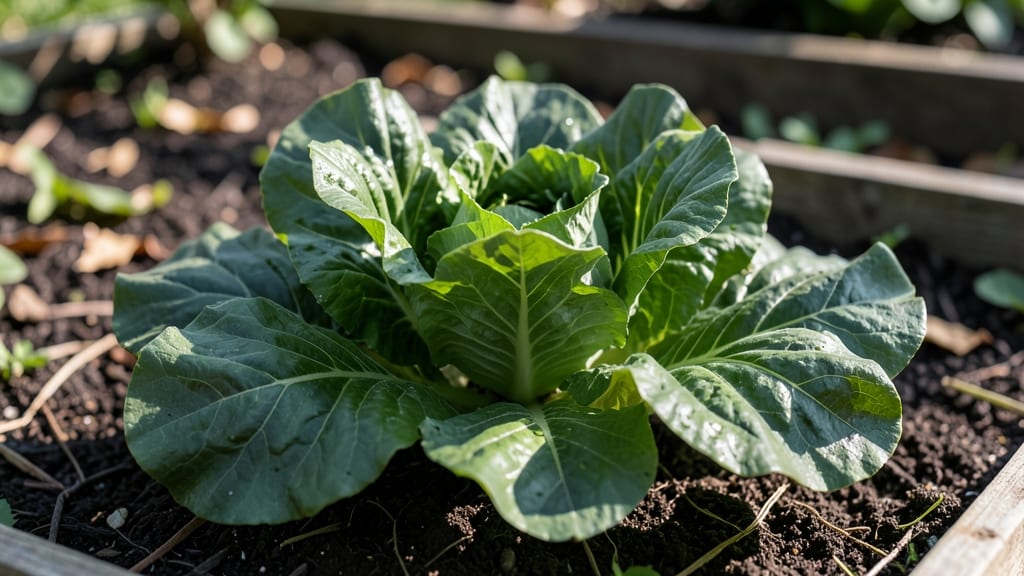
Growing big leaf lettuce that stays crisp and lush isn't just possible—it's foolproof when you nail the timing and conditions. 🌱 I've grown enough to know that the key isn't fancy tricks, but matching the plant's love for cool weather and consistent moisture with what your garden actually delivers.
The secret starts with soil that drains well but holds moisture—think crumbly, not sandy. Plant seeds ¼ inch deep in rows spaced 12 inches apart, and keep them shaded until they sprout (usually in 7-10 days).
Big leaf varieties like 'Black Seeded Simpson' or 'Oakleaf' thrive in partial shade and actually bolt less than heat-sensitive types. By week 4, you'll be harvesting outer leaves while the center keeps growing, giving you a continuous supply of tender greens.
The edges stay crisp when you water at the base—not overhead—and harvest in the morning when moisture levels are highest. This method works for spring and fall plantings in most zones, and even overwinters in mild climates. The only real mistake?
Letting the soil dry out or planting too late when days get long.
📚 In This Guide
- What you need
- Instructions
- Tips and common mistakes
- Wrapping up and next steps
What you need
- ● Big Leaf Lettuce Seeds: 1 packet (500–1,000 seeds, non-GMO preferred)
- ● Growing Containers: Option 1: 4–6-inch deep pots (minimum 6 per plant)
- ● Option 2: Raised garden bed (12" deep, 12" spacing between plants)
- ● Option 3: Hanging baskets (with drainage, 8" diameter minimum)
- ● Well-Draining Soil: 10–15 lbs of potting mix (or garden soil amended with 20% compost)
- ● Organic Fertilizer: Balanced 10-10-10 or slow-release granules (1 tbsp per plant)
- ● Watering Can or Hose: With a fine-mist nozzle for gentle hydration
- ○ Hand Trowel: For transplanting seedlings (optional but helpful)
- ● Spray Bottle: For misting seeds (if starting indoors)
- ● Row Cover or Mesh: To deter pests (e.g., cabbage moths, aphids)
- ● Pruning Shears: For harvesting outer leaves (sharp, clean pair)
- ● Sunlight Access: 6+ hours of direct sunlight daily (or grow lights for indoor setups)
- ● Temperature Control: Ideal range: 45–75°F (avoid frost or heatwaves)
- ● Mulch (straw or shredded leaves) to retain moisture
- ● Epsom salt (1 tsp per gallon of water) for magnesium boost
- ● Compost tea for organic nutrient boost
- ● Pest-repellent plants (e.g., marigolds or basil nearby)
Step-by-Step instructions for growing big leaf lettuce
Here’s how to grow crisp, flavorful big leaf lettuce in just four weeks—no green thumb required.
🌱 Step 1: Prepare the Soil and Plant Seeds
Start with a loose, well-draining soil mix—big leaf lettuce hates compacted roots. Work in a 2-inch layer of compost into the top 6 inches of soil to give those broad leaves plenty of nutrients. Lettuce seeds are tiny, so I use a seed tray with individual cells or sow directly in rows spaced 12 inches apart for easy harvesting.
Scatter seeds ¼ inch deep—they need light to germinate, so don’t bury them too deeply. Water gently with a spray bottle until the soil looks evenly moist, not soggy. Cover the tray or row with a lightweight cloth to retain warmth and moisture until sprouts appear. You’ll see tiny green shoots in 5-7 days if conditions are right.
💧 Step 2: Water and Maintain Moisture
Keep the soil consistently moist but never waterlogged—lettuce roots rot faster than you can say “wilted salad.” Water early in the morning so leaves dry quickly, preventing fungal diseases like downy mildew. I use a drip irrigation system or a watering can with a fine rose to avoid disturbing seedlings.
Watch for yellowing leaves—this usually means overwatering or poor drainage. If the soil feels damp more than an inch deep, hold off until the top ½ inch feels dry. Mulch with 1 inch of straw to lock in moisture and keep weeds at bay. Big leaf lettuce thrives with 1 inch of water per week, but adjust based on rainfall.
☀️ Step 3: Provide the Right Light
Big leaf lettuce loves partial shade—too much sun scorches those tender leaves. In hot climates, provide afternoon shade with a 30% shade cloth or plant under dappled tree cover. In cooler areas, 4-6 hours of morning sun is perfect. If growing indoors, place near a north-facing window or use a grow light for 12-14 hours daily.
You’ll know the light is right when leaves stay dark green and crisp. If they turn pale or stretch toward the light, move the plant closer. Avoid direct midday sun in summer—it turns lettuce bitter and bolt quickly. A light breeze from a small fan also helps leaves grow sturdy.
✂️ Step 4: Harvest for Crisp Edges
Big leaf lettuce is ready to harvest in 4-6 weeks, but you can start picking outer leaves when they reach 3-4 inches tall. Use a sharp knife or clean scissors to snip leaves at the base, leaving the inner rosette intact. This “cut-and-come-again” method gives you weeks of harvests from one plant.
For full heads, wait until leaves form a compact rosette about 6-8 inches wide. Harvest in the morning when leaves are crispest. Rinse gently under cool water, pat dry, and store in a plastic bag with a paper towel to absorb moisture. Enjoy within 3-5 days for peak freshness—or replant the area for a second crop!
Tips & tricks for perfect big leaf lettuce
Here's what nobody tells you about getting those restaurant-quality leaves at home.
Soil Prep Secret: In Step 1, don't just add compost—mix in a handful of perlite or vermiculite to improve drainage. Big leaf lettuce roots need oxygen, and compacted soil leads to those sad, yellowing leaves. I also recommend testing your soil pH—aim for 6.0-7.0. If your soil is too acidic, add crushed limestone to prevent nutrient deficiencies that cause weak growth.
Germination Hack: The lightweight cloth covering in Step 1 is crucial, but don't let it stay damp—condensation can cause mold. I use a mesh cover instead for better airflow. Also, keep your seed tray in a warm spot (around 70°F) to speed up those 5-7 day sprouts. A heat mat under the tray works wonders if your home runs cool.
Lighting Strategy: For Step 3, if you're using grow lights, position them 6-12 inches above the plants and adjust as they grow. Too close = scorched leaves; too far = leggy, pale growth. I rotate my lights daily so all sides get even exposure. And that 12-14 hour light requirement? Use a timer—consistency prevents bolting (when lettuce flowers prematurely).
Harvesting Pro Tip: In Step 4, when harvesting those 3-4 inch leaves, always cut just above a set of leaves. This encourages new growth from lower buds. For full heads, wait until you see that 6-8 inch rosette with tight, overlapping leaves—this means maximum crispness. And here's the thing: harvest in the morning when leaves are packed with water and flavor.
Pro Tips for Big Leaf Lettuce
- Here's what nobody tells you about getting those restaurant-quality leaves at home.
- Soil Prep Secret: In Step 1, don't just add compost—mix in a handful of perlite or vermiculite to improve drainage.
- Germination Hack: The lightweight cloth covering in Step 1 is crucial, but don't let it stay damp—condensation can cause mold.
Frequently asked questions
Got questions about growing big leaf lettuce? You’re not alone! Here are some of the most common concerns—and their answers—to help you cultivate crisp, lush heads without the stress.
How do I prevent big leaf lettuce from bolting (going to seed) too early?
Bolting happens when lettuce senses heat or stress. To delay it, plant in early spring or fall when temps stay below 75°F (24°C). Use shade cloth (30-50%) during hot afternoons, keep soil moist (but not soggy), and avoid over-fertilizing with nitrogen. Varieties like Black Seeded Simpson or Jericho are bolt-resistant.
Why are my big leaf lettuce edges turning brown or crispy?
Brown, crispy edges usually mean underwatering or salt buildup from tap water. Water deeply at the base (avoid wetting leaves) and use rainwater or filtered water if your tap is hard. Mulch with straw to retain moisture, and harvest outer leaves first to prevent stress on the core.
How long does it take for big leaf lettuce to mature after transplanting?
From transplanting, most big leaf varieties take 4–6 weeks to reach harvest size, depending on warmth and care. Check the seed packet for specific days-to-maturity—cool weather speeds growth, while heat slows it. Harvest when leaves are firm, 6–12 inches wide, and outer leaves are fully formed.
Can I grow big leaf lettuce in containers, and what’s the best setup?
Use deep containers (8+ inches) with drainage holes, like fabric grow bags or 5-gallon buckets. Fill with light, well-draining potting mix (avoid garden soil). Plant 1–2 seeds per container, thin to the strongest seedling, and place in partial shade (4–6 hours of sun daily). Containers dry faster, so water daily.
What pests or diseases should I watch for, and how do I treat them?
Big leaf lettuce is prone to aphids, slugs, and downy mildew. For pests, spray with neem oil or introduce beneficial insects like ladybugs. For slugs, set out beer traps or diatomaceous earth. To prevent mildew, space plants 12 inches apart for airflow and water at the base. Remove infected leaves immediately.
How do I store harvested big leaf lettuce to keep it crisp?
Wrap whole heads loosely in paper towels and store in a sealed plastic bag in the fridge (lasts 7–10 days). For loose leaves, rinse, dry thoroughly, and store in an airtight container with a damp paper towel. Avoid washing until ready to eat—excess moisture speeds spoilage. Pro tip: Trim stems before storing to reduce moisture loss!
Wrapping up and next steps
Big leaf lettuce is a rewarding crop—packed with flavor, easy to grow, and perfect for fresh salads!
With the right soil, spacing, and pest control, you’ll enjoy crisp, lush leaves in just 4 weeks. 🌱 Whether you’re a beginner or seasoned gardener, these tips will help you avoid common pitfalls like aphids or bolting.
Ready to dive in? Start by gathering your supplies, then plant with confidence—your garden (and taste buds) will thank you! For extra success, bookmark this guide and revisit it as you grow.