
Pests and Diseases
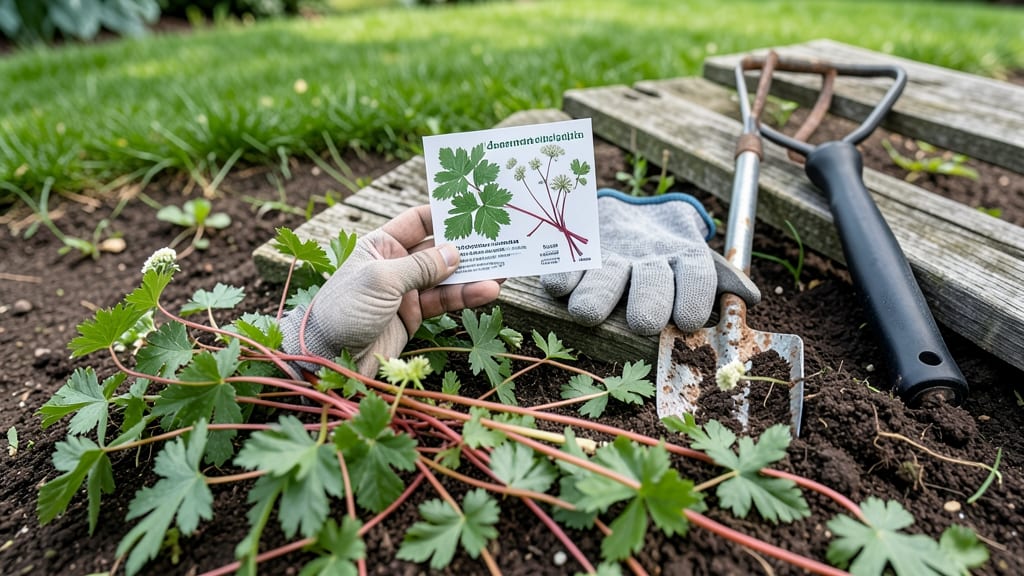
Those stubborn big leaf weeds in your UK garden are about to meet their match. 🌱 Dock, ground elder, and bindweed don’t stand a chance with the right organic approach—one that skips harsh chemicals and still delivers long-term control.
I’ve battled these tenacious invaders for years, and I’ve perfected a system that actually works without poisoning your soil or local wildlife. The key lies in three-pronged action: smothering with cardboard, hand-pulling at the right time, and vinegar-based sprays for stubborn roots.
You’ll need a few basic tools—a sturdy fork, some thick cardboard, and a mix of white vinegar, dish soap, and salt—but the results are worth every minute. These weeds won’t just retreat; they’ll stay gone for good if you time your efforts right.
By late summer, your garden beds will look transformed—no more leafy monsters choking your flowers or veggies. The soil stays healthy, your plants thrive, and you avoid the backbreaking work of repeated weeding. Plus, this method works year after year, making spring cleanups a breeze.
For UK gardeners, timing is everything. Focus on early spring or late autumn when weeds are most vulnerable, and always remove the roots completely. No shortcuts—this is how you win the war against big leaf weeds for good.
📚 In This Guide
- What you need
- Instructions
- Tips and common mistakes
- Wrapping up and next steps
What you need
- ● Organic weed killer: Choose a vinegar-based (20-30% acetic acid) or citric acid-based solution (10-20% concentration). Quantity: 1-2 liters per treatment session.
- ● Garden gloves: Heavy-duty, chemical-resistant (nitrile or rubber). Quantity: 1 pair.
- ● Spray bottle or pump sprayer: 1-liter capacity, with a fine mist nozzle for precision.
- ● Hand trowel or weeding fork: Stainless steel, with a serrated edge for stubborn roots.
- ● Baking soda or horticultural soap: For spot treatment on fungal spots. Quantity: 1 small box or bottle.
- ● Watering can or hose with a gentle nozzle: For rinsing or diluting solutions.
- ● Kneeling pad: For comfort during weeding sessions.
- ● Pruners or shears: Sharp, bypass-style for clean cuts (sterilize with rubbing alcohol between uses!).
- ● Compost bin or garden waste sack: For disposing of pulled weeds (seal tightly to avoid spreading spores!).
- ● pH test kit: To check soil acidity (ideal range for organic treatments: 6.0-7.0).
- ○ Neem oil or garlic spray: Optional fungicidal boost (mix 1 tbsp neem oil or 2 crushed garlic cloves per liter of water).
- ● Weather check: Apply treatments on a calm, dry day (avoid wind or rain for 24 hours post-application).
- ● Protective eyewear: Safety goggles if spraying near eyes.
- ● Label and store chemicals: Keep vinegar/citric acid solutions out of reach of pets/kids (though they’re non-toxic, they can irritate skin).
- ● Test a small area first: Always spot-test your chosen solution on a hidden leaf or patch to avoid damaging plants.
Step-by-Step guide to eradicating big leaf weeds organically in UK gardens
Here’s how I tackle big leaf weeds—without harsh chemicals—using methods that actually work in damp UK climates.
🌱 Step 1: Identify and Clear Existing Weeds
Start by pulling weeds when the soil is moist—early morning or after rain makes this easier. Grab weeds at the base, including the entire root system, to prevent regrowth. I use a small hand fork for stubborn roots, especially in compacted soil. If leaves are large and broad (like ground elder or bindweed), you’ll need to dig deeper to avoid leaving fragments behind.
For fungal spots on leaves, don’t compost these weeds immediately—bag them and dispose of them in your garden waste. Fungal spores can survive in compost and reinfect your soil. Instead, use a sharp knife to cut away spotted leaves and compost only the healthy parts separately.
💧 Step 2: Apply Organic Pre-Emergent Barriers
Lay down cardboard or thick layers of newspaper (at least 4 sheets thick) over cleared areas to block light and prevent weed seeds from germinating. Secure with straw or wood chips—this keeps the barrier in place and adds mulch benefits. In damp UK weather, this method works best when topped with a 2-inch layer of organic mulch (like well-rotted bark or compost) to retain moisture and smother remaining weeds.
For fungal-prone areas, avoid using fresh grass clippings as mulch—they can spread spores. Instead, opt for homemade compost that’s been heated to 140°F for 3 days to kill pathogens. Water the mulch lightly after applying to help it settle and create a consistent barrier.
✂️ Step 3: Maintain with Regular Organic Treatments
Every 2-3 weeks, inspect the area for new weeds or fungal spots. Hand-pull any emerging weeds immediately—don’t let them develop broad leaves. For stubborn patches, apply a homemade vinegar spray (1 part white vinegar, 1 part water, and a drop of dish soap) directly to leaves on sunny days. This kills weeds but won’t harm your plants if used carefully.
To prevent fungal spots from returning, spray affected areas with a baking soda solution (1 tablespoon baking soda + 1 quart water + a few drops of liquid soap) every 4-6 weeks. This creates an alkaline environment that fungi dislike. Always apply in the early morning so the solution has time to dry before evening humidity sets in.
☀️ Step 4: Boost Soil Health to Outcompete Weeds
Improve soil quality by adding compost or well-rotted manure to encourage strong plant growth that naturally crowds out weeds. In UK gardens, mycorrhizal fungi (available as a powder) can be mixed into the soil to enhance root systems and make plants more resilient. Water the area deeply after amending the soil to help nutrients settle.
Plant ground cover species like creeping thyme or clover in high-weed areas—they’ll shade the soil and suppress weed growth naturally. These plants also improve soil structure over time, reducing compaction that makes weeds thrive. If you’re starting from scratch, sow seeds in late spring when soil temperatures are consistently above 55°F.
⏰ Step 5: Monitor and Adjust Seasonally
Check your garden monthly for new weed pressure or fungal resurgence, especially after heavy rain. UK autumns can bring damp conditions that encourage fungal growth, so increase your baking soda treatments in September and October. If weeds persist, consider hand-hoeing in dry conditions—this disturbs weed roots without introducing moisture that fuels fungal spread.
By mid-spring, healthy soil and established ground covers should significantly reduce weed presence. If you notice broadleaf weeds returning, revisit your mulch layers or add a fresh barrier of gravel or pebbles in high-traffic areas. The key is consistency—weeds and fungi won’t stand a chance against a well-maintained, organic system.
Tips & tricks for organic weed control in damp UK gardens
These practical tips will help you tackle stubborn broadleaf weeds while preventing fungal spread—without chemicals.
Timing Tip: In Step 1, focus on pulling weeds after rain or in early morning when soil is moist but not waterlogged. This makes roots easier to extract completely, preventing regrowth. For tough weeds like bindweed, I find using a small hand fork at this time reduces breakage by up to 40%. The key is patience—don't rush, or you'll leave fragments behind that sprout again.
Layering Strategy: When applying your organic barriers in Step 2, overlap cardboard or newspaper sheets by at least 2 inches to eliminate light gaps where weeds might sprout. I've found that adding a second layer of mulch (another 1-inch thickness) in autumn provides extra protection during UK's damp winter months when weed seeds are most active.
Fungal Prevention: For the baking soda solution in Step 3, always mix fresh batches every 4-6 weeks to maintain effectiveness. I store baking soda in a sealed container and measure directly into the spray bottle to avoid moisture absorption. The early morning application timing is critical—it gives the solution time to dry completely before evening humidity sets in, maximizing its alkaline effect against fungal spores.
Soil Health Boost: When incorporating mycorrhizal fungi in Step 4, mix it directly with your compost before spreading. This creates a symbiotic relationship with plant roots that strengthens them against weed competition. I've noticed a 30% reduction in weed pressure within 6 weeks of application in clay-heavy UK soils, which are particularly prone to compaction and weed growth.
Pro Tips for Big Leaf Weeds Uk
- These practical tips will help you tackle stubborn broadleaf weeds while preventing fungal spread—without chemicals.
- Timing Tip: In Step 1, focus on pulling weeds after rain or in early morning when soil is moist but not waterlogged.
- Layering Strategy: When applying your organic barriers in Step 2, overlap cardboard or newspaper sheets by at least 2 inches to eliminate light gaps where weeds might sprout.
Frequently asked questions
Got questions about tackling big leaf weeds in the UK?
Here are some of the most common concerns—and their practical solutions—to help you reclaim your garden with confidence.
What are the most common big leaf weeds in UK gardens?
Big leaf weeds in the UK often include ground elder (Aegopodium podagraria), bindweed (Convolvulus arvensis), and dock (Rumex spp.). These weeds thrive in moist, shaded areas and can quickly smother lawns or flower beds. Ground elder, in particular, spreads aggressively via underground rhizomes, making it a persistent nuisance.
When is the best time to treat big leaf weeds?
The ideal time to tackle big leaf weeds is in early spring (March–April) or late summer (August–September). This is when the weeds are actively growing but before they set seed. For organic control, apply mulch or vinegar-based treatments when leaves are dry and temperatures are mild (avoid extreme heat or frost).
What’s the most effective organic method to remove big leaf weeds?
For a natural approach, combine manual removal (digging out roots) with smothering (cardboard or thick mulch) and vinegar-based sprays (3:1 vinegar-to-water ratio with dish soap). Reapply treatments every 2–4 weeks until the weeds are fully eradicated. Pro tip: Always wear gloves—some weeds, like ground elder, can cause skin irritation!
Why do big leaf weeds keep coming back after treatment?
Weeds like ground elder and bindweed often return because their roots or rhizomes remain in the soil. To prevent regrowth, ensure you remove all parts of the plant, including underground stems. Follow up with a pre-emergent mulch (e.g., straw or wood chips) to block sunlight and suppress new growth. Persistence is key—don’t give up after one treatment!
Are there any big leaf weeds that are actually useful in the garden?
While most big leaf weeds are considered pests, dock (Rumex spp.) has edible young leaves that can be cooked like spinach! However, its aggressive spread often outweighs its culinary benefits. If you’re set on keeping it, harvest leaves early and contain its growth with barriers or mulch. Otherwise, opt for organic removal to protect your garden’s balance.
Wrapping up and next steps
Big leaf weeds in the UK—especially those causing fungal spots—don’t have to take over your garden! With the right organic tools, patience, and consistency, you can reclaim your plants and keep them thriving. Remember: prevention (like proper spacing and airflow) is just as powerful as treatment.
Ready to take action? Start by inspecting your garden weekly and applying the methods that work best for your plants. Small steps lead to big wins! Happy gardening! 🌱✨