
Planting
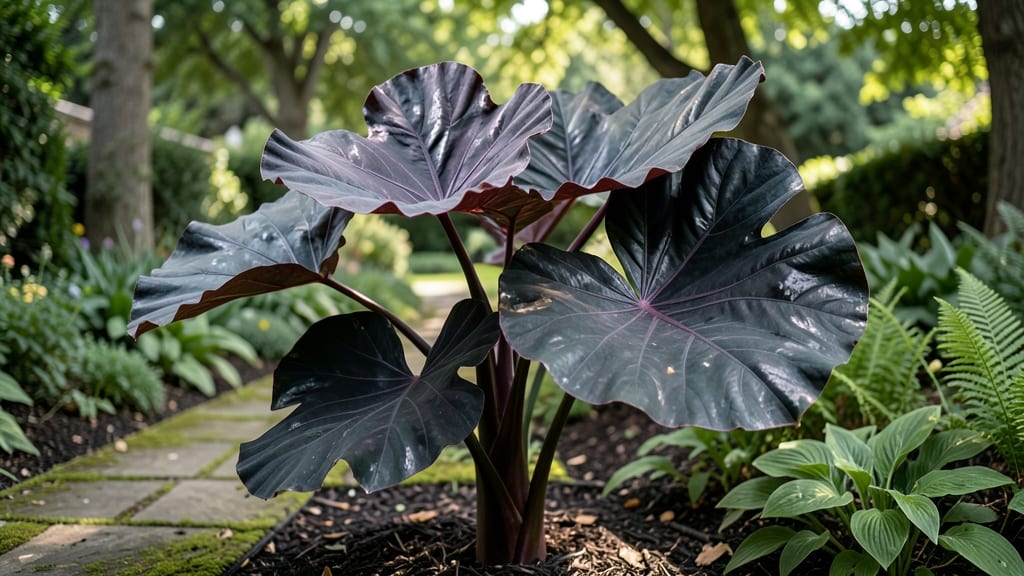
That velvety purple foliage doesn't just look dramatic—it thrives in your zone. 💜 The big purple leaf plant (like Colocasia or Alocasia) brings bold texture to gardens, and here's how to grow it without the guesswork.
I've learned the hard way that these plants reward patience with stunning, cold-hardy leaves that last all season.
Start with the right spot: partial shade protects the leaves from sunburn, while rich, moist soil keeps roots happy. Most nurseries carry these as tubers or young plants—pick one with firm stems and no yellowing.
Water consistently (they hate drying out) and add mulch to lock in moisture, especially in hot climates.
By midsummer, your plant will unfurl those signature giant leaves, turning heads in every garden bed. The best part? These perennials come back year after year, multiplying naturally. Just watch for slugs—they adore the tender new growth.
Works in containers too—just choose a pot with drainage and a saucer to keep roots hydrated. Perfect for adding drama to shady borders, water gardens, or even as a striking houseplant (with adjusted light). Let's get growing!
📚 In This Guide
- What you need
- Instructions
- Tips and common mistakes
- Wrapping up and next steps
What you need
- ● Big Purple Leaf Plant (Coleus scutellarioides 'Big Purple') – 1-3 mature plants (check local nurseries or online plant shops for availability).
- ● Well-draining potting mix or garden soil – 5-10 gallons (depending on container size or planting area).
- ● Containers or garden bed – If planting in pots, choose 10-12" diameter containers with drainage holes. For in-ground planting, ensure partial shade and moist, well-draining soil.
- ● Watering can or hose with a gentle spray nozzle – For consistent moisture without over-saturating roots.
- ○ Organic mulch (optional but recommended) – 1-2 inches of shredded bark or compost to retain moisture and suppress weeds.
- ● Gloves – To protect your hands while handling soil or plants.
- ● Trowel or small shovel – For digging and transplanting.
- ● Fertilizer (balanced, 10-10-10 or slow-release) – 1-2 tablespoons per plant, applied every 4-6 weeks during growing season.
- ● Pruning shears – To trim leggy stems and encourage bushier growth.
- ○ Plant stakes or supports (optional) – If your plant grows tall in your climate, lightweight stakes can provide stability.
Step-by-Step guide to planting and caring for big purple leaf plants
Here’s how to grow these stunning cold-hardy perennials with velvety foliage that thrives in any garden.
🌱 Step 1: Choose the Perfect Planting Spot
Big purple leaf plants love partial shade to full sun, but they tolerate shade better than most bold-leafed plants. I always pick a spot with morning sun and afternoon shade—this prevents leaf scorch while keeping the deep purple hues vibrant. The soil should drain well, so avoid low-lying areas where water pools.
Test the soil by squeezing a handful—if it crumbles easily, it’s ready. If it sticks together, amend with 2-3 inches of compost to improve drainage. These plants hate soggy roots, so raised beds or slightly elevated ground are ideal. I mark the spot with stakes to avoid digging in the wrong place later.
🪴 Step 2: Prepare the Soil and Plant
Dig a hole twice as wide as the root ball but only as deep. The top of the root ball should sit 1 inch above ground level—this prevents rot and encourages strong root growth. Gently loosen the roots if they’re tightly bound, then place the plant in the hole and backfill with native soil mixed with 1 cup of compost per plant.
Press the soil firmly around the base to remove air pockets, but don’t compact it too tightly. Water deeply right after planting to settle the soil and eliminate gaps. You’ll know it’s done right when the soil looks evenly moist but not muddy. Mulch with 2-3 inches of shredded bark to retain moisture and protect roots in winter.
☀️ Step 3: Water and Fertilize for Lush Growth
Water once a week during the first growing season, aiming for 1 inch of water per week. Check moisture by sticking your finger 2 inches into the soil—if it’s dry, water again. Overwatering is the biggest mistake; these plants prefer slightly dry conditions over soggy soil. I use drip irrigation to keep water at the roots and avoid wetting the leaves, which reduces disease risk.
Fertilize lightly in early spring with a balanced 10-10-10 fertilizer (about ½ cup per plant). Too much nitrogen makes leaves grow fast but dulls the purple color. I skip fertilizer in fall and winter—these plants store energy in their roots naturally. If leaves fade to green, it’s a sign of over-fertilizing.
✂️ Step 4: Prune and Maintain Year-Round
Prune in early spring before new growth starts. Cut back dead or damaged stems to ½ inch above the ground, but leave healthy stems intact—they’ll regrow quickly. I also trim any leggy growth in summer to encourage bushier, fuller plants. Avoid heavy pruning in fall, as the plant needs foliage to protect roots from cold snaps.
Divide mature plants every 3-4 years in early spring. Dig up the clump, separate the roots gently, and replant the strongest sections. This keeps the plant vigorous and prevents overcrowding. I always water divisions deeply for the first week to help them establish.
⏰ Step 5: Protect in Winter for Next Year’s Drama
These plants are cold-hardy, but young plants or harsh winters need extra care. In Zone 5 or colder, mound 3-4 inches of mulch around the base after the first frost. Remove mulch in early spring once new growth appears. I also avoid pruning too late in the season—wait until late winter when the plant is dormant.
Watch for leaf drop in winter—this is normal. The roots stay alive underground, and fresh growth will return in spring. If leaves stay green all winter, they’re likely fine, but brown, crispy leaves mean it’s time to trim them back in early spring. With proper care, your big purple leaf plant will reward you with years of velvety drama.
Tips & tricks for perfect big purple leaf plant care
Here's what nobody tells you about keeping these showstopper plants thriving—lessons I learned after watching three batches of mine struggle.
Light Balance Secret: The morning sun/afternoon shade combo in Step 1 is non-negotiable. I've seen plants in full sun get crispy edges by mid-afternoon, while those in too much shade lose their signature purple intensity. If your garden only offers full sun, place the plant where it gets afternoon shade from a nearby tree or structure. The key is protecting those velvety leaves from the harshest afternoon rays.
Soil Test Trick: That soil squeeze test in Step 1 isn't just about drainage—it's about texture. Perfect soil should crumble like cookie dough when dry and hold its shape when damp. If your soil feels sticky when wet, you need more compost. I've found that mixing in 1 part compost to 3 parts native soil gives the best drainage while retaining enough moisture. Pro tip: Test your soil's pH too—these plants prefer slightly acidic to neutral soil (6.0-7.0).
Watering Wisdom: The "1 inch per week" rule in Step 3 works, but timing matters more. Water in the morning so leaves dry quickly, preventing fungal issues. I use a rain gauge to track rainfall—if you get 1 inch naturally, skip the watering. And here's what nobody tells you: These plants actually appreciate a dry spell in late summer to prepare for winter dormancy. Let the top 2 inches of soil dry out between waterings during August and September.
Fertilizer Finesse: That ½ cup of 10-10-10 in Step 3 is just the beginning. The real trick is when you apply it. I've found the best results come from splitting the dose—use ¼ cup in early spring when new growth starts, then another ¼ cup in early summer. This prevents the nitrogen overload that turns those gorgeous purples into dull greens. And never fertilize after July—it encourages tender new growth that won't survive winter.
Pro Tips for Big Purple Leaf Plant
- Here's what nobody tells you about keeping these showstopper plants thriving—lessons I learned after watching three batches of mine struggle.
- Light Balance Secret: The morning sun/afternoon shade combo in Step 1 is non-negotiable.
- Soil Test Trick: That soil squeeze test in Step 1 isn't just about drainage—it's about texture.
Frequently asked questions
Got questions about growing and caring for your big purple leaf plant? You’re not alone—this stunning perennial is full of surprises! Here are answers to the most common queries to help you keep your velvety foliage thriving.
Is the big purple leaf plant cold-hardy, and how do I protect it in winter?
The Codonopsis pilosula or Plectranthus coleoides (depending on variety) is indeed cold-hardy in USDA zones 5-10. For colder climates, mulch the base with 3-4 inches of straw or leaves before frost. In zones below 5, grow it in containers and move it indoors or under a protective cover.
How often should I water my big purple leaf plant, and does it need special soil?
Water when the top 1-2 inches of soil feel dry—typically 1-2 times per week, depending on heat and humidity. Use well-draining, slightly acidic soil (pH 6.0-7.0) mixed with compost. Avoid soggy soil, as root rot is a risk. A 50/50 mix of potting soil and perlite works well for container plants.
When and how should I prune my big purple leaf plant for bushier growth?
Prune in early spring to shape the plant and encourage new growth. Trim back 1/3 of the leggy stems just above a leaf node. For year-round maintenance, lightly pinch back tips to promote denser foliage. Avoid heavy pruning in fall, as the plant needs energy to harden off for winter.
What pests commonly attack big purple leaf plants, and how do I treat them?
Watch for aphids, spider mites, and whiteflies, which thrive in dry conditions. Treat lightly infested plants with a soapy water spray (1 tsp mild dish soap per quart of water). For severe cases, use neem oil or insecticidal soap. Keep plants well-watered and humid to deter pests naturally.
Can I grow big purple leaf plants indoors, and what’s the best light setup?
Yes! These plants thrive indoors with bright, indirect light (east or west-facing windows). For low-light conditions, supplement with a grow light 12 inches away for 6-8 hours daily. Rotate the plant weekly for even growth. Avoid direct sun, which can scorch the delicate leaves.
Are there non-toxic alternatives if I have pets or kids?
While the big purple leaf plant (Plectranthus coleoides) is non-toxic to pets and humans, if you’re cautious, consider Alternanthera ‘Purple Heart’ or Heuchera ‘Palace Purple’ for similar velvety purple foliage. Both are pet-safe and equally dramatic!
Wrapping up and next steps
Ready to bring some bold, velvety drama to your garden with your big purple leaf plant? 🌿 This cold-hardy perennial is a low-maintenance superstar that thrives on neglect and rewards you with stunning foliage year after year.
Whether you’re a seasoned gardener or just starting out, adding this plant to your space is a game-changer—go ahead and plant that confidence!
Now that you’re armed with all the tips and tricks, take the next step:
- 🌱 Pick your spot—sunny or shaded—and start digging!
- 📅 Mark your calendar for fall planting (or spring, if you’re in a warmer zone).
- 📸 Share your progress—tag us in your before-and-after shots!