
Succulent
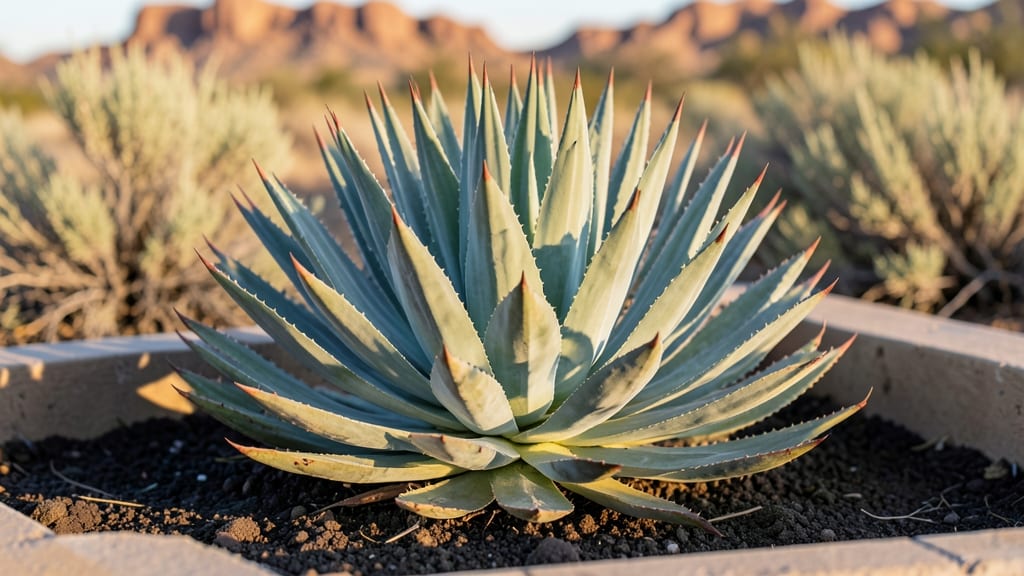
Growing blue rough leaf agave transforms your yard into a desert oasis with striking architectural drama. 🌵 This drought-tolerant stunner thrives where most plants struggle—hot, dry climates—but even beginners can coax it into thriving with just a few key tricks.
I’ve watched mine grow from a 6-inch pup to a 3-foot statement piece in just three years, and it barely needed watering. The secret lies in well-draining soil and full sun exposure—think gravelly mixes or cactus blends, never heavy clay.
Water only when the soil is completely dry, and you’ll avoid the root rot that claims so many agaves. Container growers can use pots with drainage holes, but even a shallow ground planting works if the soil drains fast enough.
By summer’s end, you’ll have a bold blue-green rosette that catches every sunset, its spiky edges adding texture to any landscape. The best part? It’s nearly pest-free and handles heat waves like a champ. Even my black thumb couldn’t kill this one.
For colder zones, move containers indoors or mulch heavily—just don’t let it freeze. And if you want more plants, offsets form naturally at the base, ready to replant once they’re a few inches tall.
📚 In This Guide
- What you need
- Instructions
- Tips and common mistakes
- Wrapping up and next steps
What you need
- ● Blue Rough Leaf Agave Plant: 1 healthy, mature specimen (ensure it’s disease-free and has vibrant blue-green foliage).
- ● Well-Draining Soil: A cactus/succulent mix (or 50% potting soil + 50% perlite/pumice). Quantity: Enough to fill your container or garden bed.
- ● Pot (if container-growing): Terracotta or fabric pot (4–6 inches in diameter for small plants, larger for mature agaves). Drainage holes are a must!
- ● Gravel or Pebbles: For drainage layer (1–2 inches at the bottom of pots).
- ● Watering Can or Hose: With a gentle spray nozzle (overwatering is the #1 killer of agaves!).
- ● Sunlight Access: Full sun (6+ hours daily).
- ● Gloves: Thick gardening gloves to protect from sharp leaves.
- ● Pruning Shears: For trimming dead leaves or offsets.
- ● Slow-Release Fertilizer: Balanced succulent fertilizer (apply sparingly, 1–2 times per year).
- ● Mulch: Gravel or decomposed granite to prevent soil moisture retention.
- ● pH Test Kit: To ensure soil pH is slightly acidic to neutral (6.0–7.0).
Step-by-step instructions for planting and caring for blue rough leaf agave
Here’s how to grow these striking succulents with minimal fuss—just follow these key steps.
🪴 Step 1: Choose the Right Location and Soil
Blue rough leaf agave thrives in full sun—at least 6-8 hours daily—so pick a spot that gets direct sunlight most of the day. Avoid shady areas, which cause the leaves to stretch and lose their vibrant blue-gray color. If you’re in a hot climate, a spot with partial afternoon shade helps prevent sunburn on the edges.
Use well-draining soil—this is critical. A mix of cactus or succulent soil with added perlite or coarse sand (about 20-30% by volume) prevents root rot. I like to blend equal parts potting mix and perlite for extra airflow. If planting directly in the ground, amend heavy soil with gravel or crushed rock to improve drainage.
☀️ Step 2: Plant at the Correct Depth and Spacing
Dig a hole no deeper than the root ball’s depth—burying too deep suffocates the roots. The top of the plant should sit flush with the soil surface or slightly above it. Agave roots are shallow, so avoid compacting the soil around the base—just press lightly to secure the plant.
Space plants 3-4 feet apart to allow for their eventual size. Blue rough leaf agave grows 2-3 feet wide and tall, so crowding leads to competition for water and nutrients. If planting multiple, arrange them in odd-numbered groupings for a natural, balanced look.
💧 Step 3: Water Sparingly and Adjust for Seasons
Water deeply but infrequently—this is the key to agave success. After planting, water once a week for the first month to help roots establish, then reduce to every 2-3 weeks once settled. Check soil moisture by sticking your finger 1-2 inches deep; water only when it feels completely dry. Overwatering is the fastest way to kill agave.
In summer heat, you might need to water every 3-4 weeks, but never let water pool around the base. In winter, cut back to once every 4-6 weeks—agave goes semi-dormant and stores water in its leaves. Yellowing leaves usually mean overwatering, while crispy edges signal underwatering.
✂️ Step 4: Fertilize Lightly and Prune Only When Necessary
Agave doesn’t need much fertilizer—too much causes weak growth and rot. In spring, apply a balanced, diluted succulent fertilizer (like 5-5-5) at half strength once a month. Stop fertilizing in fall and winter when growth slows. I skip fertilizer entirely in the first year to avoid stressing new plants.
Pruning is rare, but if a leaf turns brown or dies, snip it at the base with clean, sharp shears. Never trim healthy leaves—agave stores water in its foliage, and removing it weakens the plant. If pups (baby agave) form at the base, you can gently dig them up in spring to propagate or replant elsewhere.
🌿 Step 5: Protect from Pests and Harsh Conditions
Agave is tough but not invincible. Watch for mealybugs or scale, which hide in leaf crevices. Wipe leaves with rubbing alcohol on a cloth to remove pests, or spray with neem oil if infestations persist. Avoid chemical pesticides—they can harm the plant and nearby wildlife.
In freezing climates, mulch the base with gravel or bark to insulate roots. If temperatures drop below 20°F, cover the plant with burlap or frost cloth at night. Blue rough leaf agave is hardy to USDA Zone 8, so in colder areas, grow it in containers and move indoors during winter.
Tips & tricks for perfect blue rough leaf agave growth
These simple strategies will help you coax the most dramatic, vibrant blue-gray foliage from your agave plants.
Sunlight Strategy: The 6-8 hours of daily sun requirement isn't just about quantity—it's about quality. Morning sun is ideal for blue rough leaf agave, as the intense midday rays can scorch the edges, especially in hot climates. I've found that positioning plants slightly east of south in my garden gives them that perfect balance of light without the afternoon intensity. If your climate gets particularly brutal summers, consider providing afternoon shade during the hottest months to protect those stunning blue leaves from sunburn.
Soil Science: The 20-30% perlite or coarse sand mix in your soil isn't just about drainage—it's about creating an oxygen-rich environment for those shallow agave roots. I've learned the hard way that compacted soil suffocates agave roots, leading to rot. To test your soil's drainage, fill a container with your mix and pour water through it. If it drains completely within 10 minutes, you're good to go. For extra insurance, add a handful of chicken grit to your planting hole—it breaks down slowly and improves drainage over time while adding minerals.
Watering Wisdom: That first month of weekly watering is crucial for root establishment, but here's what I've discovered about the timing: water in the morning so the soil has all day to dry out. Wet leaves at night can lead to fungal issues, and agave stores water in its leaves, so it doesn't need constant moisture. I've created a simple watering schedule that works for my climate: every Tuesday and Friday for the first month, then every other Tuesday after that. This rhythm helps me remember without overwatering.
Cold Weather Protection: The 20°F threshold is where blue rough leaf agave starts to struggle, but I've found that preparation makes all the difference. In colder climates, I recommend moving potted agave to a sheltered location like a garage or sunny window during winter. For in-ground plants, create a windbreak using burlap or frost cloth on the north side. I've also had success with a simple DIY solution: wrapping the base of the plant with insulation foam board cut to fit around the root zone—it's cheap, effective, and disappears when spring arrives.
Pro Tips for Blue Rough Leaf Agave
- These simple strategies will help you coax the most dramatic, vibrant blue-gray foliage from your agave plants.
- Sunlight Strategy: The 6-8 hours of daily sun requirement isn't just about quantity—it's about quality.
- Soil Science: The 20-30% perlite or coarse sand mix in your soil isn't just about drainage—it's about creating an oxygen-rich environment for those shallow agave roots.
Frequently asked questions
Got questions about growing blue rough leaf agave? You’re not alone—this striking succulent has a few quirks! Here are answers to the most common queries to help you cultivate these bold, spiky beauties with confidence.
How fast does blue rough leaf agave grow?
This agave grows slowly—expect about 1–3 inches per year under ideal conditions. Patience is key! In optimal sunlight and well-draining soil, mature plants may reach 3–5 feet wide over 5–10 years. Pro tip: Avoid overwatering; it stunts growth faster than anything else!
Can blue rough leaf agave survive winter frost?
While mild frost (25–30°F) might cause leaf scorch, this agave is hardy to USDA Zone 9a. In colder climates, protect it with mulch or a frost cloth. If temps drop below 20°F, expect leaf damage or dormancy. Survival hack: Plant in a sheltered spot or container for easy winter relocation!
How often should I water blue rough leaf agave?
Water sparingly—only when the soil is completely dry (every 2–4 weeks in summer, less in winter). Overwatering causes root rot, which is fatal. Stick your finger 2 inches deep; if dry, it’s time to hydrate. Key sign: Wrinkled leaves = thirsty plant!
What’s a good alternative if I can’t grow blue rough leaf agave?
If your climate is too cold or dry, try these low-maintenance agave lookalikes:
- Blue Agave (Agave tequilana) – Similar shape, slightly larger, and cold-hardy to Zone 8.
- Parry’s Agave (Agave parryi) – Smaller, frost-tolerant (Zone 7), and thrives in rocky soil.
- Fox Tail Agave (Agave attenuata) – Soft, trailing leaves (Zone 9) for a softer look.
Why are my agave leaves turning yellow or brown?
Yellow/brown edges usually mean overwatering or sunburn. Check these fixes:
- Sunburn: Move to partial shade (especially in intense afternoon sun).
- Overwatering: Let soil dry thoroughly between waterings. Drainage holes are a must!
- Pests (rare): Inspect for mealybugs or scale; treat with neem oil if needed.
Wrapping up and next steps
The Blue Rough Leaf Agave is a stunning, low-maintenance succulent that thrives in arid conditions and adds bold drama to any landscape. With the right care—sunlight, well-draining soil, and minimal water—you’ll enjoy its striking blue-gray foliage and architectural charm for years.
Whether you’re a seasoned gardener or a beginner, this plant rewards patience with its resilience and beauty.
Ready to grow your own? Start by gathering your supplies, pick the perfect spot, and watch your Agave americana flourish! 🌵✨ Review the essentials and take the first step toward your dream desert garden today.