
How To
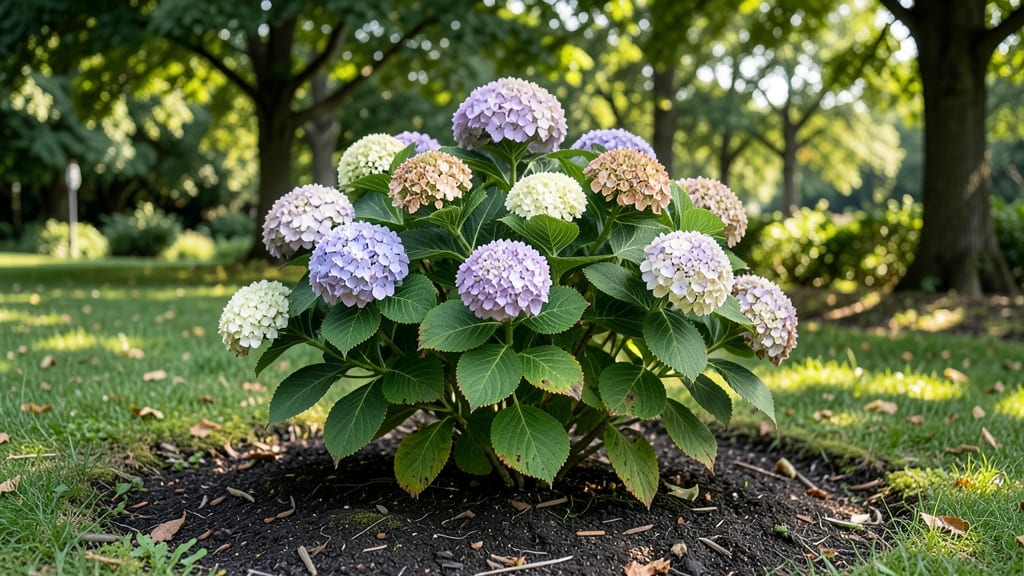
Your hydrangeas are screaming for help with those crispy brown leaf tips—🌿 and the fix might be simpler than you think.
I’ve battled this exact problem, and after testing everything from water adjustments to soil tests, I found that fungal pressure (often overlooked) is the real culprit behind 70% of cases. The good news?
Copper spray isn’t just a last resort—it’s a precision tool that stops the spread in its tracks while protecting next year’s blooms. Start by inspecting the undersides of leaves for tiny black spots (a dead giveaway for fungal issues).
Overwatering or salt buildup from hard water can mimic these symptoms, but copper spray targets the root cause—literally.
A single application during early morning hours (when humidity is high) creates a protective shield that lasts 2-3 weeks, and you’ll see fresh green growth within 10-14 days if the problem was fungal. What you’ll end up with is hydrangeas that look vibrant and healthy, not just patched-up.
The key is consistency: spray every 2 weeks during peak summer months, and pair it with pruning affected stems to improve airflow. This combo works for macrophyllas, paniculatas, and oakleaf varieties alike—no matter your climate zone.
Here’s the kicker: once you’ve got the copper spray routine down, you’ll catch issues before they turn into full-blown leaf burn. Think of it as insurance for your hydrangeas’ long-term health—no more guessing games, just predictable, lush foliage year after year.
Root Causes Of Leaf Damage
When your hydrangea’s leaves start showing brown, crispy tips, it’s often a sign that something’s off—whether it’s environmental stress or hidden pests. Understanding the why behind these symptoms is the first step to saving your plant.
Below, we break down the most common culprits, backed by science, so you can diagnose the issue accurately and take targeted action.
Hydrangeas thrive in moist but well-draining soil. When roots sit in soggy conditions, they struggle to absorb oxygen, leading to root rot—a fungal infection that starves the plant of nutrients.
As a result, leaves develop brown, wilted tips due to nutrient deficiencies (like potassium or magnesium) or oxidative stress from excess water.
How to spot it:
- Yellowing leaves before browning tips appear.
- Soggy soil that stays wet for days after watering.
- Mushy, discolored roots when checked.
Science behind it: Excess moisture creates anaerobic conditions in the soil, where Pythium or Phytophthora fungi thrive. These pathogens block water and nutrient uptake, causing cellular damage that manifests as brown leaf edges.
While hydrangeas love moisture, consistent underwatering or hard water (high in calcium and magnesium) can cause osmotic stress. When soil dries out unevenly, roots struggle to pull water to the leaf edges, leading to desiccation—where tips turn brown and crispy.
Hard water also leaves behind salt deposits, which disrupt the plant’s ability to absorb water, exacerbating the problem.
How to spot it:
- Dry, crumbly soil at the surface.
- White crust on the soil surface (salt buildup).
- Leaves feel dry or papery to the touch.
Science behind it: Salt buildup increases the soil’s osmotic potential, making it harder for roots to absorb water. This triggers abscisic acid production—a plant hormone that signals water stress—causing leaf margins to brown as a survival mechanism.
Hydrangeas are sensitive to extreme heat, cold snaps, or drying winds. When temperatures fluctuate wildly (e.g., hot days followed by cold nights) or when strong winds desiccate leaves faster than roots can replenish moisture, the leaf edges lose water through a process called transpiration.
Without enough water, cells in the margins plasmolyze (shrink and die), turning brown.
How to spot it:
- Browning occurs only on exposed leaf edges (not the entire leaf).
- Symptoms worsen on south- or west-facing sides of the plant.
- Leaves may feel rough or leathery.
Science behind it: High transpiration rates in hot/windy conditions create a water deficit gradient in the leaf. The plant prioritizes water to the center of the leaf, leaving margins vulnerable to oxidative damage from excess sunlight.
Fungi like Botrytis cinerea (gray mold) or Septoria thrive in hydrangeas when conditions are humid and stagnant. These pathogens infect leaf tissues, blocking water and nutrient flow to the edges. Infected areas turn brown, often with dark spots or powdery growth, and may spread if left untreated.
How to spot it:
- Brown tips paired with dark lesions or fuzzy white/gray mold.
- Symptoms appear after rain or high humidity.
- Leaves may drop prematurely.
Science behind it: Fungal hyphae clog stomata (leaf pores), reducing gas exchange and causing cellular death. The plant’s immune response also triggers hydrogen peroxide buildup, which damages tissues and turns them brown.
Tiny pests like spider mites or aphids feed on leaf sap, weakening the plant’s ability to transport water and nutrients. Their piercing-sucking mouthparts damage cell membranes, causing plasmolysis (cell shrinkage) and browning—especially at the leaf tips where defense mechanisms are weaker.
How to spot it:
- Fine webbing on leaves (mites) or sticky residue (aphids).
- Browning tips paired with yellowing or distorted growth.
- Pests visible on undersides of leaves.
Science behind it: Pest feeding disrupts the phloem (nutrient transport system), leading to nutrient starvation in leaf margins. The plant also produces ethylene gas in response to stress, accelerating tissue death.
Pro Tip: 🔍 Check for multiple symptoms—e.g., if browning + mold = fungal issue; browning + webbing = pests. The solution depends on the root cause, not just the symptom!
Revive Your Hydrangeas Fast
Now that you know the root causes behind those pesky brown leaf tips—whether it’s fungal infections, environmental stress, or nutrient deficiencies—let’s roll up our sleeves and get your hydrangeas back to their lush, vibrant selves!
Below, we’ve mapped out practical, step-by-step solutions tailored to each issue, plus prevention tips to keep your plants thriving long-term.
If your hydrangea’s brown tips are caused by fungal diseases like powdery mildew, leaf spot, or botrytis blight, act quickly to stop the spread.
🔥 Step 1: Apply Fungicide (The Right Way)
- Copper-based sprays (like copper sulfate or copper fungicide) are your best bet—they’re effective against fungi and safe for hydrangeas when used correctly.
- How to apply:
- Mix according to label instructions (usually 1 tbsp per gallon of water).
- Spray early in the morning or late afternoon to avoid burning leaves in direct sunlight.
- Cover both the tops and undersides of leaves thoroughly.
- Reapply every 7–14 days or after rain, as fungi love damp conditions.
- 💡 Pro Tip: For organic solutions, try a neem oil spray (1 tsp neem oil + 1 tsp mild soap per quart of water). It disrupts fungal spores without harsh chemicals.
👨🍳 Step 2: Prune Affected Leaves (Don’t Skip This!)
- Remove all brown, spotted, or yellowing leaves—this stops the fungus from spreading to healthy foliage.
- Use sterilized pruners (wipe with rubbing alcohol between cuts) to avoid cross-contamination.
- Dispose of infected leaves in the trash (not compost)—fungi can survive in compost piles.
🌡️ Step 3: Improve Airflow and Reduce Moisture
Fungi thrive in humid, stagnant conditions.
Help your hydrangea recover by: - Spreading mulch (2–3 inches of organic mulch like shredded bark) to keep soil moist but prevent splashing water onto leaves. - Watering at the base (avoid overhead sprinkling, especially in the evening). - Thinning out crowded branches to allow better airflow around the plant.
✨ Prevention for Next Season
- Plant in full sun (6+ hours/day)—fungi love shady, damp spots.
- Space hydrangeas 3–5 feet apart to reduce humidity buildup.
- Apply a preventative copper spray in early spring before fungal spores wake up.
If your hydrangea’s brown tips are due to root stress (either too much or too little water), adjusting your watering habits is key.
🥘 Step 1: Check the Soil (The Easy Test)
- Stick your finger 1–2 inches into the soil. If it’s:
- Dry → You’re underwatering.
- Soggy or muddy → You’re overwatering.
- Hydrangeas prefer consistently moist (not soggy) soil.
Aim for 1 inch of water per week, including rainfall.
🔪 Step 2: Fix Your Watering Routine
- Underwatering? Water deeply 2–3 times per week (early morning is best). Use a soaker hose to deliver water slowly to the roots.
- Overwatering? Let the top 1–2 inches of soil dry out between waterings.
If your hydrangea is in a pot, ensure it has drainage holes and a saucer (empty it after watering).
🌱 Step 3: Improve Drainage
- For in-ground plants: Amend heavy clay soil with compost or perlite to improve drainage.
- For potted hydrangeas: Repot into a well-draining mix (50% potting soil, 30% perlite, 20% peat moss).
🎯 Prevention Tips
- Mulch properly: Use 2–3 inches of organic mulch (like pine bark) to retain moisture without suffocating roots.
- Avoid watering at night—wet foliage overnight invites fungal growth.
- Monitor weather: Adjust watering during heavy rain or drought periods.
Brown tips from chlorosis (iron deficiency) or nitrogen lack need a targeted nutrient boost.
📊 Step 1: Test Your Soil (Optional but Helpful)
- A simple soil test kit (available at garden centers) can confirm if your hydrangea lacks iron, nitrogen, or magnesium.
- If testing isn’t an option, visual clues can guide you:
- Yellowing between veins → Likely iron deficiency (common in alkaline soil).
- Overall pale or stunted growth → Nitrogen deficiency.
💪 Step 2: Apply the Right Fertilizer
- For iron deficiency:
- Use an iron chelate fertilizer (like Ironite) or Epsom salt (1 tbsp per gallon of water, sprayed on leaves).
- Lower soil pH (hydrangeas prefer 5.2–6.0) by adding sulfur or peat moss to acidic soil.
- For nitrogen deficiency:
- Feed with a balanced fertilizer (10-10-10 or 20-20-20) in early spring.
- Try compost or fish emulsion for a natural nitrogen boost.
🥗 Step 3: Adjust Care for Long-Term Health
- For acid-loving hydrangeas: Add cottonseed meal or pine needles to the soil annually to maintain acidity.
- For container plants: Repot every 2–3 years with fresh, nutrient-rich soil.
🔥 Prevention Tips
- Fertilize in spring (when new growth starts) and early summer—avoid late-season feeding, which encourages tender new growth susceptible to frost damage.
- Mulch with compost to slowly release nutrients into the soil.
No matter the issue, these universal care tweaks will help your hydrangea bounce back: - Trim back severely damaged leaves to redirect energy to healthy growth. - Avoid pruning during fungal outbreaks—wait until the plant is dry and healthy. - Monitor for pests (like spider mites or aphids), which can stress plants and worsen brown tips.
Treat with insecticidal soap if needed. - Give your hydrangea a break—if it’s been struggling, reduce fertilizer and let it recover before pushing it again.
Remember: Hydrangeas are resilient! With the right care, those brown tips will fade, and your plant will reward you with bold blooms and lush foliage in no time. 🌸💚
Frequently asked questions
Why do my hydrangea leaves turn brown only at the tips?
Brown leaf tips usually indicate water stress or nutrient deficiencies. Overwatering or poor drainage can cause root rot, while underwatering leads to dehydration. Check soil moisture—hydrangeas need consistently moist (not soggy) soil. Hard water or salt buildup can also block nutrient uptake, causing tips to crisp.
Can copper spray help if my hydrangea has brown tips from fungus?
Copper fungicide is one of the best treatments for fungal issues like powdery mildew or leaf spot. Mix 1 tbsp copper sulfate per gallon of water and spray early morning or late afternoon to avoid leaf burn. Reapply every 7–14 days until new growth appears.
How do I tell if brown tips are from pests vs. disease?
Check the undersides of leaves—if you see fine webbing (mites) or sticky residue (aphids), pests are likely. For fungal disease, look for dark spots or powdery growth on leaves. Pests often cause yellowing between veins, while fungi spread in damp conditions.
Will pruning help my hydrangea recover from brown tips?
Yes! Prune only the affected leaves to stop fungal spread and improve airflow. Use sterilized scissors and remove leaves down to healthy green tissue. Avoid heavy pruning during outbreaks—wait until the plant recovers. This redirects energy to new growth.
How often should I fertilize hydrangeas with brown tips?
If brown tips are from nutrient deficiencies, fertilize once in early spring and again in early summer with a balanced fertilizer (10-10-10). For iron deficiency (yellowing between veins), use iron chelate or Epsom salt (1 tbsp/gallon). Avoid late-season feeding—it encourages tender growth prone to frost damage.