
Leaf Blower
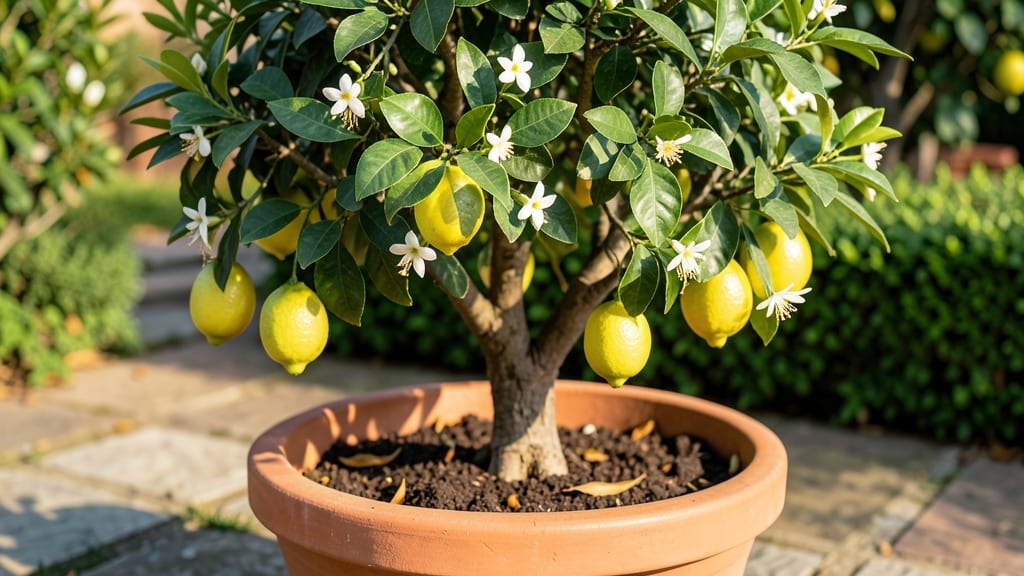
If your lemon tree's leaf margins turn brown, it’s typically a sign of improper watering, nutrient deficiencies, or environmental stress like low humidity or excessive sunlight. Address it by adjusting your watering routine, improving soil drainage, and creating a more stable microclimate for your plant.
Brown edges on lemon tree leaves often signal a plant under stress, but the cause can be surprisingly simple to diagnose. 🌿 Overwatering or underwatering both create similar symptoms—just check the soil moisture first.
If the soil stays soggy for days, you're likely drowning the roots, while dry, crispy edges point to thirst. Environmental factors like sudden temperature swings or dry air from heating systems can also trigger this browning, especially in winter when humidity drops indoors.
Once you identify the issue, the fix is straightforward. For watering problems, aim for consistency—lemon trees prefer their soil to stay evenly moist but never waterlogged.
A simple pebble tray with water beneath the pot can boost humidity around your plant, and pruning affected leaves redirects energy to healthier growth. If you suspect nutrient deficiencies, a balanced citrus fertilizer will help, but always test your soil first to avoid overcorrecting.
💡 In This Article
- Why Lemon Tree Leaves Develop Brown Edges
- Step-by-Step Organic Fixes for Lemon Leaf Browning
Why lemon tree leaves develop brown edges
The most common cause of brown edges on lemon leaves is water stress, but the mechanism differs dramatically between underwatering and overwatering. When soil dries out too much, root cells lose turgor pressure and can't transport water efficiently.
This triggers a cascade where the leaf margins—being the oldest and furthest from the vascular system—suffer first. 🌱 Underwatered leaves often feel crispy to the touch, almost like thin parchment paper, while the center remains green.
In contrast, overwatering creates anaerobic conditions in the soil, suffocating roots and preventing nutrient uptake, which manifests as brown, mushy edges that may even rot.
Nutrient deficiencies, particularly iron chlorosis, also cause brown leaf margins, but the pattern differs. Iron deficiency shows as yellowing between the veins (interveinal chlorosis) with brown edges, often starting on younger leaves.
This occurs when alkaline soil (pH above 7.0) locks out iron, which citrus trees need for chlorophyll production. Spider mites, another culprit, feed on leaf sap, causing stippling and browning along the edges.
You'll notice fine webbing on the undersides of leaves and a dusty appearance, as these pests thrive in dry, low-humidity environments.
Environmental factors like direct sunlight or heat stress can scorch leaves, creating crispy brown edges that look sunburned. Lemon trees prefer bright, indirect light—think of it as 6 hours of morning sun followed by afternoon shade.
When exposed to intense afternoon rays (especially in summer), leaves can reach temperatures 10-15°F hotter than the air, causing cellular damage. Low humidity, common in winter homes with forced-air heating, also pulls moisture from leaves through a process called transpiration, leading to desiccation and browning.
To diagnose, perform a simple soil check: Stick your finger 2-3 inches deep into the soil. If it feels bone-dry, underwatering is likely. If it's soggy and smells musty, overwatering is the issue.
For nutrient deficiencies, examine the leaf pattern—yellowing between veins suggests iron, while uniform browning points to water issues. Pests leave behind visible damage like webbing or tiny specks, while environmental stress often affects leaves on one side of the plant (e.g., south-facing branches).
Here’s a quick visual guide to narrow down the cause:
- Crispy, dry edges: Underwatering or low humidity
- Mushy, rotting edges: Overwatering or poor drainage
- Yellowing between veins + brown edges: Iron deficiency (chlorosis)
- Stippling + webbing: Spider mites or other pests
- Sunburnt appearance on one side: Direct sunlight exposure
Understanding these distinctions helps you target the right fix. For example, adjusting watering won't help if the issue is iron deficiency or pests—you'd need to amend the soil or apply organic insecticidal soap instead. 🌿