
Pests and Diseases
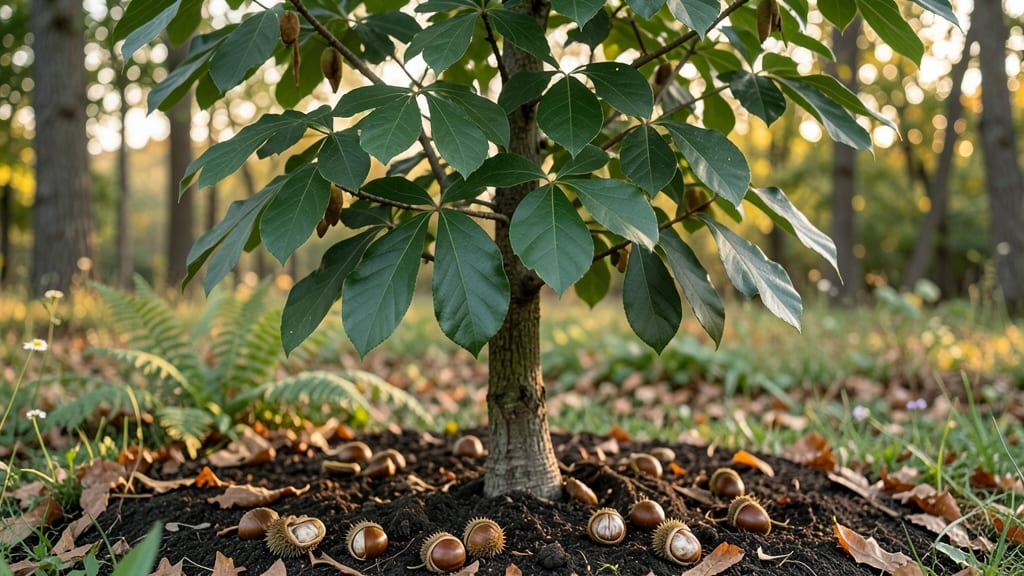
Buckeye leaf and nut problems can turn your shade tree into a mess—unless you know the right steps. 🌿 I’ve spent years diagnosing buckeye issues, from fungal spots to nut drop, and the key is catching problems early with simple organic fixes that actually work.
These trees thrive in partial shade with well-draining soil, but their leaves and nuts signal trouble before the roots do. Yellowing leaves often mean overwatering, while blackened nuts usually point to fungal infections. The good news? A few targeted sprays and pruning adjustments can restore them to healthy, ornamental glory.
By the end of summer, you’ll see fresh foliage and fewer dropped nuts—no harsh chemicals needed. The secret is timing: treat spots in early spring and prune after nut drop to prevent reinfection. Perfect for gardeners with shade trees, parks, or wildlife-friendly yards.
Here’s how to keep yours lush and productive.
📚 In This Guide
- What you need
- Instructions
- Tips and common mistakes
- Wrapping up and next steps
What you need
- ● Buckeye plants: Healthy Aesculus species (e.g., Ohio buckeye, California buckeye) with visible leaf/nut issues.
- ● Diagnostic tools: Hand lens (10x magnification) for close inspection of leaves/nuts.
- ● pH testing kit (for soil analysis, range: 6.0–7.0 ideal for buckeyes).
- ● Moisture meter (to check soil hydration levels).
- ● Treatment supplies: Organic fungicides: Neem oil (1–2% concentration) or copper fungicide (0.5–1 lb per gallon).
- ● Insecticides (organic): Horticultural oil or insecticidal soap (for pests like aphids or mites).
- ● Compost: 2–3 gallons of well-aged compost for soil enrichment.
- ● Mulch: 2–3 inches of wood chips or straw to retain moisture.
- ● Pruning shears (sterilized with rubbing alcohol) for removing infected leaves/nuts.
- ● Sprayer (hose-end or backpack) for even application of treatments.
- ● Garden journal to track symptoms, treatments, and progress over time.
- ● Gloves and long sleeves (to protect against sap or fungal spores).
Instructions for diagnosing and treating buckeye leaf and nut issues
Here's how I spot problems early and restore healthy growth using organic methods.
🌿 Step 1: Identify the Problem Through Visual Inspection
Start by examining both the leaves and nuts closely. Healthy buckeye leaves should be glossy green with no spots or discoloration. Look for brown or black spots on leaves, which often indicate fungal infections like anthracnose or leaf spot. Check the undersides of leaves too—yellowing or curling often appears there first.
For nuts, inspect for discoloration, soft spots, or mold. Healthy buckeye nuts should have a smooth, hard shell. If you see weeping sap or a foul odor, that's a sign of bacterial infection or infestation. Take a small sample to your local extension office for testing if you're unsure—it's worth the peace of mind.
🌱 Step 2: Prune Affected Areas Immediately
Use clean, sharp pruning shears to remove any leaves with more than 25% damage. Cut back to healthy tissue just above a leaf node. This prevents the spread of disease to other parts of the plant. I always sterilize my tools with rubbing alcohol between cuts to avoid cross-contamination.
For nuts showing signs of rot or infestation, remove them completely and dispose of them in sealed bags. Don't compost infected plant material—it can spread spores to other plants. Focus on removing only the most severely affected parts first, as over-pruning can stress the plant.
💧 Step 3: Apply Organic Fungicide and Adjust Watering
Mix up a solution of 1 tablespoon baking soda, 1 quart water, and a drop of dish soap (the soap helps it stick). Spray this mixture on both sides of all leaves, focusing on the undersides where fungal spores often hide. Apply in the early morning so the leaves have time to dry completely before nightfall.
Reduce overhead watering immediately—buckeyes are prone to fungal issues when leaves stay wet. Water at the base of the plant in the morning instead. If you notice yellowing leaves after watering, that's a sign of overwatering. Let the top 2 inches of soil dry out between waterings.
☀️ Step 4: Improve Air Circulation and Light Exposure
Thin out any dense branches to increase airflow around the plant. I aim for 3-4 feet of space between branches to prevent humidity buildup. If your buckeye is in a container, consider moving it to a larger pot or to the ground if space allows—containers can trap moisture.
Ensure the plant gets at least 6 hours of direct sunlight daily. Lack of light weakens the plant's defenses. If you're dealing with a young tree, avoid placing it in shaded areas where air doesn't circulate well. A gentle fan on low setting near the plant can also help prevent fungal spores from settling.
⏰ Step 5: Monitor and Retreat as Needed
Check your buckeye weekly for new signs of stress or infection. Healthy new growth should appear within 2-3 weeks if the plant is recovering. If you see fresh spots or wilting, repeat the baking soda spray treatment and check your watering habits again.
For persistent issues, consider adding a 2-inch layer of organic mulch around the base of the plant. This helps regulate soil moisture and temperature while suppressing weeds that might harbor pests. Keep mulch 6 inches away from the trunk to prevent rot at the base.
Tips & tricks for perfect buckeye leaf and nut care
These little-known tricks will help you catch problems early and keep your buckeye thriving with minimal fuss. I've learned these the hard way after seeing too many trees suffer from preventable issues.
Visual Inspection Pro Tip: In Step 1, when checking for brown or black spots, use a magnifying glass to examine the leaf edges first. Fungal spores often start there before spreading. I also check the leaf veins—if they're darkening, that's a clear sign of anthracnose. Remember, healthy leaves should be glossy and uniform in color, not just "mostly green."
Pruning Precision: When removing leaves with more than 25% damage in Step 2, make your cuts at a 45-degree angle just above a leaf node. This helps water run off the cut and prevents rot. I keep my pruning shears in rubbing alcohol between cuts to avoid spreading any potential pathogens. For stubborn branches, I use a small saw—never tear the bark, which invites infections.
Fungicide Application: For the baking soda solution in Step 3, I add an extra teaspoon of apple cider vinegar to the quart of water. The vinegar's acidity helps break down fungal cell walls, making the treatment even more effective. Always spray until the solution drips from the leaves—that ensures complete coverage. And here's the thing: if you see powdery residue after spraying, you didn't use enough solution.
Sunlight Strategy: The 6 hours of direct sunlight in Step 4 doesn't have to be consecutive. Early morning and late afternoon sun work perfectly, especially in hot climates. I position my buckeye to catch the morning sun first—this helps dry dew quickly and prevents fungal growth. For container-grown plants, rotate them weekly to ensure even light exposure on all sides.
Pro Tips for Buckeye Leaf And Nut
- These little-known tricks will help you catch problems early and keep your buckeye thriving with minimal fuss.
- Visual Inspection Pro Tip: In Step 1, when checking for brown or black spots, use a magnifying glass to examine the leaf edges first.
- Pruning Precision: When removing leaves with more than 25% damage in Step 2, make your cuts at a 45-degree angle just above a leaf node.
Frequently asked questions
Got questions about buckeye leaves and nuts?
Here are answers to the most common concerns—from identification to care—so you can keep your trees thriving!
What do buckeye leaf and nut issues look like?
Buckeye trees (like horse chestnut) often show leaf scorch (brown edges), nut rot (mushy, discolored husks), or leaf miner damage (serpentine tunnels in leaves). Check for aphids, scale insects, or fungal spots (black/yellow patches). Early signs? Yellowing leaves or premature nut drop.
When should I treat buckeye leaf/nut problems?
Act fast! Treat leaf diseases (like anthracnose) in early spring (before buds swell) or fall (after leaf drop). For nut issues (e.g., weevils), monitor in late summer—remove damaged nuts immediately. Fungicides (copper-based) or neem oil work best before symptoms spread.
What’s the best organic fix for buckeye leaf spots?
Try a 3-step organic combo:
- Prune infected leaves/branches (sterilize tools with 70% alcohol).
- Spray baking soda mix (1 tbsp baking soda + 1 quart water + few drops of soap) weekly.
- Apply compost tea or mycorrhizal fungi to boost tree immunity.
Are buckeye nuts safe to eat if leaves are diseased?
Nope! Diseased leaves/nuts = toxic risk. Fungi (like Cryphonectria) or pests (e.g., buckeye weevils) can contaminate nuts. Always discard nuts from sick trees—even if the shell looks fine. Wild buckeyes are highly toxic (contain esculin), so never consume them!
Can I save a buckeye tree if half its nuts are rotting?
Maybe! Remove all rotting nuts (wear gloves—sap is irritating!) and check for cankers (sunken, oozing wounds). Prune 10–15% of branches to improve airflow. Apply organic fungicide (e.g., Serenade) and mulch with wood chips. Monitor for 2 seasons—if new nuts form without rot, the tree may recover!
Wrapping up and next steps
From spotting early signs of buckeye leaf and nut issues to implementing organic treatments, you now have the tools to keep your trees thriving! 🌿 Remember, patience and consistency are key—monitor your plants regularly and adjust care as needed. Ready to take action? Start by inspecting your trees this week and try one of the organic remedies mentioned above.
Your efforts will pay off with healthier, more resilient buckeyes! 🌱
- Next step: Schedule a weekly check-in for your trees to catch any new symptoms early.
- Bonus tip: Share your progress with fellow gardeners—community support makes the journey even more rewarding!