
Pruning
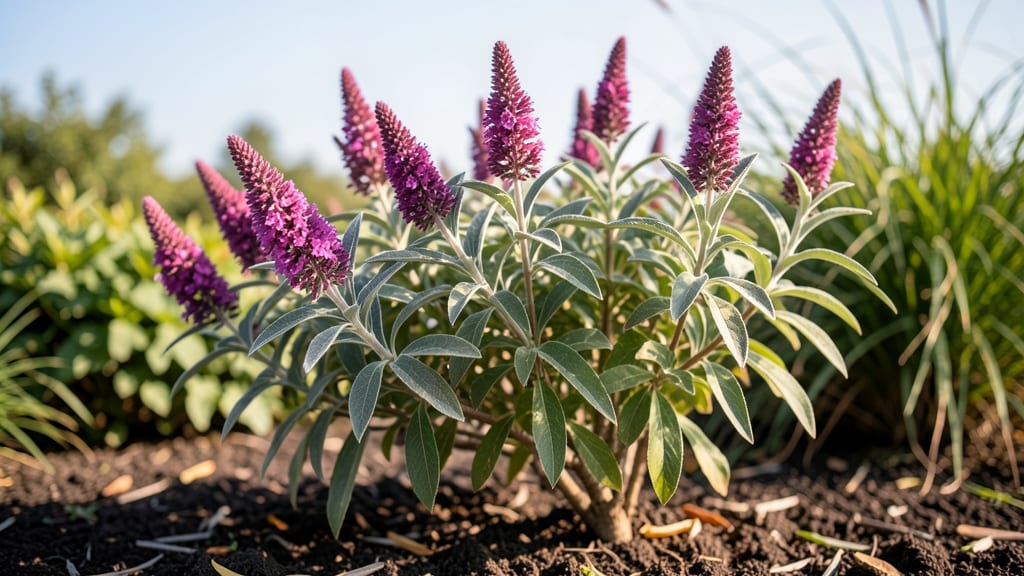
Butterfly bush leaf identification can look shockingly different depending on the species—and spotting the right one means attracting the right pollinators. 🌿 I’ve spent years studying these plants, and the first thing you’ll notice is how their foliage varies: some are fuzzy, some are smooth, and a few even have a silvery sheen.
The key species—like ‘Lo & Behold’ or ‘Pink Microphone’—each have distinct leaf shapes and textures that set them apart at first glance.
Healthy leaves should be deep green, slightly elongated, and free of irregular patterns, but watch for powdery white coatings (powdery mildew) or dark brown spots (leaf spot).
Spider mites leave tiny yellow stippling, while aphids cluster on undersides like tiny green pearls. These visual cues help you diagnose problems before they spread—no lab needed.
Once you identify the issue, solutions are simple: prune infected stems, apply neem oil for pests, or adjust watering to prevent fungal growth. A single misdiagnosis can waste weeks of care, so learning these patterns now saves you frustration later.
Whether you’re a new gardener or a seasoned pro, mastering these leaf clues ensures your butterfly bush stays vibrant, productive, and buzzing with pollinators all season. Here’s how to tell them apart—no guesswork required.
Understanding Leaf Changes in Butterfly Bush
Butterfly bushes (Buddleja spp.) are prized for their vibrant blooms and ability to attract pollinators, but their leaves can reveal a lot about the plant’s health—or its struggles. If you’ve noticed unexpected leaf patterns, discoloration, or deformities, these visual cues often point to underlying issues.
Below, we break down the most common reasons why butterfly bush leaves behave differently, along with the science behind each cause.
Butterfly bushes are hardy, but extreme conditions can trigger leaf stress. Here’s how:
- Heat Stress:
When temperatures soar above 90°F (32°C), leaves may scorch (brown edges, crispy texture) or develop necrotic spots (dead tissue). This happens because high heat disrupts the plant’s stomatal regulation—tiny pores on leaves that control water loss and gas exchange. Without proper cooling, cells overheat and die.
Actionable fix: Provide afternoon shade with lightweight shade cloth (30–50% coverage) and mulch the root zone to retain moisture.
- Cold Damage:
Frost or prolonged cold (below 20°F/-7°C) causes leaves to turn black, wilt, or develop water-soaked lesions. Cold stress triggers ice crystal formation in leaf cells, rupturing membranes and blocking nutrient flow.
Actionable fix: Plant in sheltered microclimates (e.g., near south-facing walls) and use burlap wraps for young plants in early spring.
- Water Imbalance:
Overwatering leads to yellowing (chlorosis) and drooping leaves due to root asphyxiation—oxygen deprivation in waterlogged soil. Underwatering causes curling, brittle leaves as the plant conserves moisture.
Actionable fix: Ensure well-draining soil (amend with perlite or sand) and water deeply but infrequently (1–1.5 inches per week, except in drought).
Insects and mites feed on butterfly bush leaves, leaving behind telltale signs. Here’s what to watch for:
| Pest | Leaf Symptoms | Why It Happens | Solution |
|---|---|---|---|
| Spider Mites | Fine webbing, stippled yellow/brown speckles, leaf drop | These microscopic arachnids pierce cells to suck sap, injecting toxins that trigger chlorophyll breakdown (causing speckling). Dry conditions worsen outbreaks. | Spray with neem oil or introduce predatory mites (e.g., Phytoseiulus persimilis). |
| Japanese Beetles | Skewered holes, chewed edges, black excrement ("frass") | Adult beetles skewer leaves to feed on soft tissue, while larvae (grubs) munch on roots. Their saliva contains enzymes that disrupt plant cell walls. | Handpick beetles into soapy water or apply milky spore bacteria to soil. |
| Aphids | Sticky honeydew, curled leaves, black sooty mold | Aphids inject saliva to liquefy plant cells, then suck out nutrients. Their honeydew attracts fungal growth (sooty mold), blocking sunlight. | Blast off with water spray or use ladybugs as natural predators. |
Leaf color and shape changes often signal missing nutrients. Butterfly bushes thrive in moderately fertile soil, but deficiencies show up in specific ways:
- Yellowing Between Veins (Iron Chlorosis):
Pale yellow leaves with green veins indicate iron deficiency, common in alkaline soils (pH > 7.0). Iron is immobile in plants, so new leaves can’t access it.
Actionable fix: Test soil pH and amend with chelated iron or sulfur to lower pH gradually.
- Purple or Red Leaf Undersides:
This signals phosphorus deficiency, causing anthocyanin production (a stress pigment). Phosphorus is critical for energy transfer (ATP) in cells.
Actionable fix: Apply bone meal or a balanced 10-10-10 fertilizer in early spring.
- Small, Pale Leaves:
Stunted growth with light green or yellow leaves often means nitrogen deficiency. Nitrogen is the building block of chlorophyll and proteins.
Actionable fix: Use compost or blood meal and avoid over-pruning, which depletes stored nitrogen.
Pathogens thrive in humid, stagnant conditions and can turn butterfly bush leaves into a battleground. Recognize these red flags:
- Powdery Mildew:
White, powdery patches on upper leaf surfaces are Erysiphe fungi. They block stomata, reducing photosynthesis and causing leaf distortion.
Why it happens: Fungi spread via airborne spores, favored by high humidity (>75%) and poor airflow.
Actionable fix: Space plants 3–4 feet apart, water at soil level, and apply baking soda spray (1 tsp baking soda + 1 quart water + a drop of soap).
- Leaf Spot Diseases:
Dark, irregular spots with yellow halos (often caused by Septoria or Cercospora) indicate fungal infection. These pathogens clog xylem vessels, disrupting water transport.
Why it happens: Overhead watering splashes spores onto leaves, and wet foliage for >12 hours creates ideal conditions.
Actionable fix: Remove infected leaves immediately and apply copper fungicide preventatively in spring.
- Bacterial Leaf Spot:
Gre
Quick Fixes for Butterfly Bush Leaf Issues
Identifying butterfly bush leaves is just the first step—keeping them healthy requires action! Whether your plant is struggling with powdery mildew, aphid infestations, or nutrient deficiencies, these practical solutions will help you restore your bush to vibrant, lush glory.
Below, we’ve mapped common problems to step-by-step fixes, plus prevention tips to keep your butterfly bush thriving year-round.
If your butterfly bush leaves are covered in white powder or dark spots, fungal infections are likely the culprit. These issues thrive in humid conditions but can be managed with these steps:
🔥 Step-by-Step Treatment
- Prune Infected Leaves 🌱
- Use clean, sharp pruners to remove heavily affected leaves and stems. Dispose of them in the trash (not compost) to prevent spreading spores.
- Pro Tip: Sterilize your pruners with rubbing alcohol between cuts to avoid cross-contamination.
- Apply Fungicide 💊 - Spray leaves with a copper-based fungicide or a neem oil solution (1 tbsp neem oil + 1 quart water + a drop of dish soap).
Reapply every 7–10 days until symptoms disappear. - For severe cases: Try a baking soda spray (1 tsp baking soda + 1 quart water + a few drops of soap) for a natural, budget-friendly option.
- Improve Airflow 💨
- Thin out overcrowded branches to allow sunlight and air to circulate. Avoid planting butterfly bushes too closely together.
🛡️ Prevention Tips
- Water in the morning to let leaves dry quickly.
- Space plants 3–5 feet apart for better airflow.
- Avoid overhead watering—use drip irrigation or soaker hoses instead.
Tiny pests can wreak havoc on butterfly bush leaves, causing yellowing, curling, or sticky residue (aphid honeydew). Here’s how to evict them:
🍳 Natural Pest Control Methods
- Blast Off Pests with Water 💦
- Spray leaves with a strong stream of water to dislodge aphids and spider mites. Do this in the early morning for best results.
- Introduce Beneficial Insects 🐞
- Ladybugs, lacewings, and parasitic wasps are natural predators of butterfly bush pests. Purchase them from garden centers or attract them with dill, fennel, or marigolds planted nearby.
- Use Insecticidal Soap 🧼
- Mix 1.5 tbsp mild castile soap + 1 quart water and spray directly on pests (avoid flowers to protect pollinators). Reapply every 5–7 days.
🎯 Long-Term Pest Prevention
- Inspect new plants before bringing them home—quarantine them for a week if pests are suspected.
- Remove fallen leaves regularly to eliminate hiding spots.
- Avoid over-fertilizing with nitrogen—it attracts soft-bodied pests like aphids.
Yellowing leaves, stunted growth, or pale foliage often signal a nutrient deficiency. Butterfly bushes typically need balanced fertilization to stay healthy. Here’s how to diagnose and fix it:
📊 Diagnosing Deficiencies
| Symptom | Likely Cause | Solution |
|---|---|---|
| Yellow lower leaves | Nitrogen deficiency | Apply a balanced fertilizer (10-10-10) or compost. |
| Purple or red stems/leaves | Phosphorus deficiency | Use a phosphorus-rich fertilizer (e.g., bone meal). |
| Weak, small leaves | Potassium deficiency | Feed with a potassium sulfate or banana peel tea. |
| Brown leaf edges | Magnesium deficiency | Sprinkle Epsom salt (1 tbsp/gallon water) on soil monthly. |
💪 Fertilization & Soil Care
- Test Your Soil 🌍
- Use a DIY soil test kit (available at garden centers) to check pH and nutrient levels. Butterfly bushes prefer slightly acidic to neutral soil (pH 6.0–7.0).
- Fertilize at the Right Time ⏰
- Apply slow-release fertilizer in early spring before new growth starts. Avoid fertilizing in fall or winter—it can encourage tender new growth that’s prone to frost damage.
- Mulch for Moisture & Nutrients 🍂
- Spread 2–3 inches of organic mulch (like shredded bark or compost) around the base to retain moisture and slowly release nutrients.
Prevention is the best cure! Follow these habits to keep your butterfly bush’s leaves looking their best:
- Prune annually in late winter or early spring to remove dead wood and encourage new growth. 🔪
- Deadhead spent blooms to redirect energy to leaf production. ✂️
- Monitor for stress signs—wilting, discoloration, or slow growth often signal underlying issues. 🌡️
- Rotate crops if growing in containers—switch to fresh soil every 2–3 years to prevent nutrient depletion. 🌱
With these fixes, your butterfly bush will bounce back with vibrant, disease-free leaves that attract pollinators and add beauty to your garden. Happy gardening! 🌸
Frequently asked questions
How do I tell the difference between healthy butterfly bush leaves and those with powdery mildew?
Healthy butterfly bush leaves are deep green, elongated, and slightly fuzzy on the undersides. Powdery mildew shows up as white, powdery patches on upper leaf surfaces, often starting between veins. The infected areas may also appear distorted or curled as the fungus blocks sunlight and disrupts growth.
Are there any butterfly bush varieties with uniquely shaped leaves?
Yes! 'Lo & Behold' has narrow, willow-like leaves with a silvery sheen, while 'Pink Microphone' features slightly broader, darker green foliage. 'Royal Purple' stands out with deep purple-tinged leaves, and dwarf varieties like 'Blue Chip' have smaller, compact leaves that stay dense even when mature. These differences help you identify varieties at first glance.
Why are my butterfly bush leaves turning yellow, but the veins stay green?
This classic symptom indicates iron chlorosis, often caused by alkaline soil (pH > 7.0). Iron becomes unavailable to the plant when soil pH is too high, leaving veins green while leaf tissue between them turns pale yellow. Test your soil and amend with chelated iron or sulfur to lower pH gradually.
Can I use the same leaf identification tips for butterfly bush and similar-looking plants?
No—while some plants like Russian sage (Perovskia) have similar foliage, butterfly bush leaves are distinctly fuzzy on the undersides and grow in opposite pairs along the stem. Russian sage has gray-green, aromatic leaves that grow in whorls. Always check both leaf arrangement and texture for accurate identification.
What should I do if I find tiny yellow speckles on my butterfly bush leaves?
Those speckles are likely spider mite damage. Spider mites inject toxins that break down chlorophyll, causing tiny yellow or brown spots. Treat immediately with neem oil spray (1 tbsp neem oil + 1 quart water) or introduce predatory mites. Keep your plants well-watered, as dry conditions worsen outbreaks.