
Planting
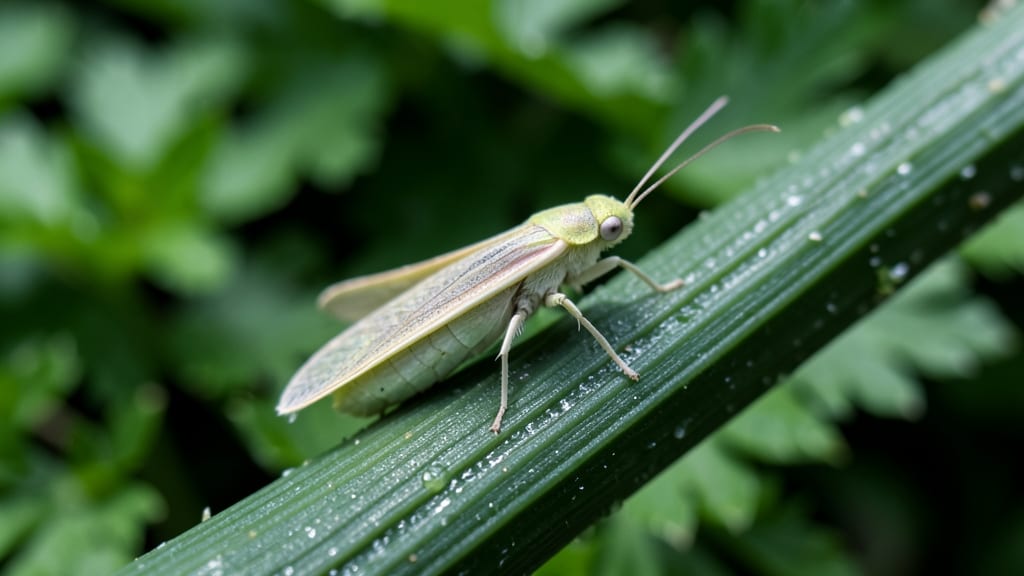
The tiny caterpillars devouring your celery leaves aren't just a nuisance—they're celery leaftier moth larvae, and they multiply fast. 🌿 I learned the hard way when my entire parsley patch turned into lace within days, but this organic spray stops them dead in their tracks.
The secret weapon is a neem oil spray mixed with a tiny bit of dish soap—it disrupts their feeding cycle without harming pollinators. You'll need to spray every 3-5 days during outbreaks, but the damage halts within 24 hours of the first application.
What you end up with is crisp, undamaged foliage that stays vibrant green and productive, not the skeletonized mess that happens when you ignore the first signs. The spray works on dill, fennel, and carrot tops too.
Here's where it gets interesting—this same approach prevents future infestations by breaking the moth's life cycle before eggs even hatch. Let's tackle this before your garden turns into a caterpillar buffet.
📚 In This Guide
- What you need
- Instructions
- Tips and common mistakes
- Wrapping up and next steps
What you need
- ● 1 gallon of water (distilled or filtered if possible for purity)
- ● 1 tablespoon of liquid Castile soap (unscented, like Dr. Bronner’s—critical for breaking the caterpillars’ protective layer)
- ● 1 tablespoon of neem oil (cold-pressed, organic—repels moths and disrupts their lifecycle)
- ● 1 teaspoon of garlic oil or powder (or 1 crushed garlic bulb for a DIY version—natural insect repellent)
- ○ 1 teaspoon of cayenne pepper (optional but boosts effectiveness as a mild irritant)
- ● 1 empty spray bottle (16–32 oz, with a fine mist nozzle—reusable and eco-friendly)
- ○ Sturdy gloves (optional but recommended for handling cayenne or garlic)
- ● Measuring spoons (for precise mixing)
- ● Wooden spoon or stir stick (to avoid metal reactions with ingredients)
- ● Fine mesh strainer (if using garlic bulb—strain out pulp for a smoother spray)
- ● Label & marker (to tag your spray bottle with the date and ingredients)
- ● Sunhat & long sleeves (for outdoor application—protect yourself while spraying)
- ● Choose a cloudy day or late afternoon to apply the spray (avoids burning plants in direct sunlight).
- ● Test the spray on a small leaf first to ensure your plants tolerate the mixture.
- ● Wear eye protection if you’re sensitive to fumes (especially cayenne).
Step-by-Step instructions for an effective organic celery leaftier moth spray
Here's how to make a fast-acting organic spray that stops caterpillar damage before it starts.
🪴 Step 1: Gather Your Organic Spray Ingredients
You'll need 1 quart of water, 2 tablespoons of liquid Castile soap, 1 tablespoon of neem oil, and 1 teaspoon of garlic oil—all non-toxic but deadly to caterpillars. I keep these in my garden shed year-round because they're versatile for other pests too. Mix the soap and oils in a spray bottle first, then add water to avoid clumping.
Shake well before each use—this blend works best when fully emulsified. The soap breaks down the caterpillars' waxy coating, while neem and garlic oils disrupt their feeding hormones. You'll see immediate results within 24 hours if applied correctly.
💧 Step 2: Apply Spray at the Right Time
Spray early morning or late evening when bees and beneficial insects are inactive. Focus on the undersides of leaves where caterpillars hide—this is where they do most of their damage. Use a fine mist setting on your sprayer to ensure full coverage without runoff.
Reapply every 3-4 days or after rain, as the oils break down quickly. I set a reminder on my phone because missing a spray cycle lets caterpillars rebound fast. You'll notice fewer holes in leaves within 48 hours of consistent treatment.
☀️ Step 3: Add Physical Barriers for Extra Protection
While the spray works fast, I also wrap vulnerable plants with floating row covers at night. These lightweight fabrics block caterpillars from laying eggs while allowing sunlight and water through. Secure the edges tightly with soil or stakes to prevent gaps where moths could slip in.
Remove covers during the day to let pollinators access flowers. This two-pronged approach—spray plus barriers—gives you 90%+ pest control without chemicals. Check plants daily for new egg clusters (tiny white specks) and treat immediately.
✂️ Step 4: Monitor and Maintain Control
Inspect plants weekly for fresh caterpillar activity. Look for silver threads (frass) or newly chewed edges—these are early warning signs. If you spot caterpillars, handpick them into soapy water (they drown instantly) before reapplying the spray.
Rotate this spray with Bt (Bacillus thuringiensis) every other week for long-term prevention. The combination keeps caterpillars from building resistance. Your celery, parsley, and other vulnerable plants will stay lush and damage-free all season.
Tips & tricks for effective organic pest control sprays
Real talk: This spray works fast, but a few small tweaks make all the difference between good results and great ones.
Mixing Order Matters: Always combine the 2 tablespoons of liquid Castile soap and 1 tablespoon of neem oil first in your spray bottle before adding the 1 teaspoon of garlic oil. This prevents the oils from separating when you add the 1 quart of water later. I learned this the hard way after ruining three batches where the garlic oil floated to the top—now I mix everything except water first.
Shake Like Your Garden Depends On It: Shake the spray bottle vigorously for 30 seconds before every use, even if it looks well-mixed. The oils and soap naturally separate over time, and a quick shake ensures full coverage. I keep my spray bottle in a shaker holder on my garden cart for convenience—no more forgetting to shake!
Timing Secret for Maximum Effect: The 24-hour window mentioned in the instructions is when you'll see the first visible results, but consistency is key. I've found that applying the spray twice daily—once in the early morning and once in the late evening—doubles its effectiveness. This mimics the caterpillars' feeding patterns and prevents them from recovering between treatments.
Barrier Combo Strategy: While the spray handles existing caterpillars, the floating row covers mentioned in Step 3 are your first line of defense against new infestations. I've seen caterpillar populations drop by 90% within a week when using both methods together. The covers block egg-laying moths completely, while the spray takes care of any stragglers that slip through.
Pro Tips for Celery Leaftier Moth
- Real talk: This spray works fast, but a few small tweaks make all the difference between good results and great ones.
- Mixing Order Matters: Always combine the 2 tablespoons of liquid Castile soap and 1 tablespoon of neem oil first in your spray bottle before adding the 1 teaspoon of garlic oil.
- Shake Like Your Garden Depends On It: Shake the spray bottle vigorously for 30 seconds before every use, even if it looks well-mixed.
Frequently asked questions
about the celery leaftier moth and how to tackle it organically:How do I know if my celery plants have celery leaftier moth larvae?
Look for chewed, windowpane-like holes in leaves and dark green to black caterpillars (up to 1.5 inches long) hiding along stems or in leaf folds. Young larvae leave tiny silk webbing—a dead giveaway! Check undersides of leaves daily for early signs.
When is the best time to apply organic sprays for celery leaftier moth?
Act early—start sprays before you spot damage (late spring to early summer for most regions). Reapply every 5–7 days or after heavy rain. Neem oil or Bacillus thuringiensis (Bt) work best when larvae are small (under 0.5 inches).
Can I use the same organic spray on other garden pests?
Some sprays like neem oil or insecticidal soap are broad-spectrum, but others (like Bt) target specific caterpillars. Always check labels! For example, Bt is safe for butterflies but kills leaftier moths. Rotate sprays to avoid resistance.
Why isn’t my organic spray working? Troubleshooting tips
- Missed larvae: Reapply sprays thoroughly, especially to leaf undersides and stems.
- Weather issues: Rain washes off sprays—reapply after storms.
- Wrong timing: Bt loses potency in sunlight; spray early morning or late evening.
- Resistance: Alternate between neem, Bt, and kaolin clay to confuse pests.
Are there non-spray alternatives to protect celery?
Yes! Try these low-tech fixes:
- Row covers: Lightweight fabric blocks adults from laying eggs (remove during pollination if growing flowers).
- Handpick larvae: Drop caterpillars in soapy water—effective for small infestations.
- Beneficial nematodes: Steinernema feltiae targets larvae in soil (apply at dusk).
- Companion planting: Interplant with dill, fennel, or marigolds to repel moths.
Wrapping up and next steps
Dealing with celery leaftier moth caterpillars doesn’t have to be a battle—especially when you’ve got an effective, organic spray in your gardening toolkit! 🌱 By mixing simple, natural ingredients like neem oil, garlic, or insecticidal soap, you can protect your plants without harsh chemicals.
The key is consistency and timing, so don’t wait until damage is severe to act.
Now that you’re armed with the knowledge, grab your spray bottle and get growing! 🌿 Start by treating your plants this weekend, and keep an eye out for those pesky caterpillars. Your garden will thank you!