
Pests and Diseases
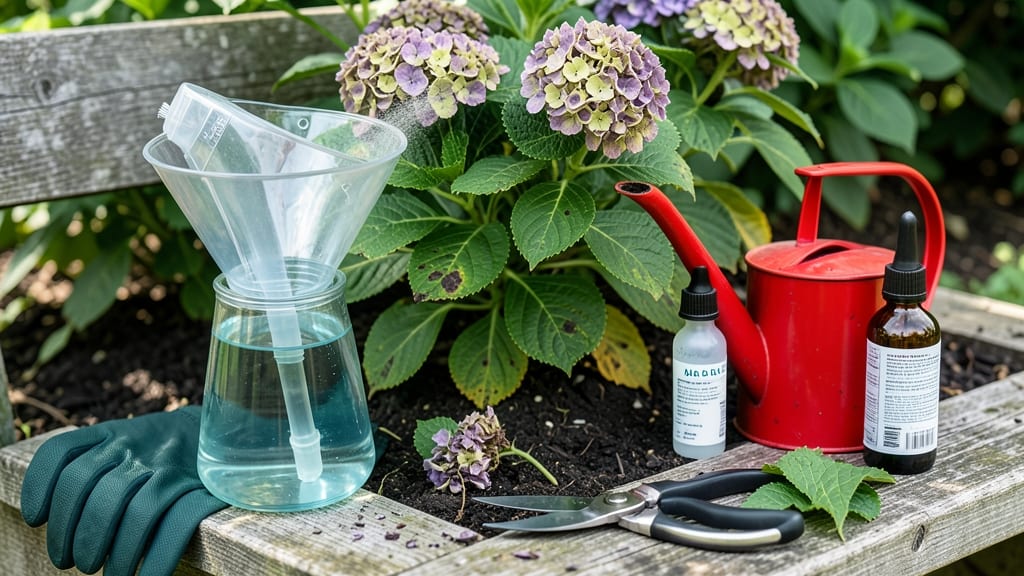
When your hydrangea leaves start showing those ugly brown spots and curling edges, you're dealing with cercospora leaf spot hydrangea treatment—a fungal infection that spreads fast in humid weather. 🌿 I’ve battled this on my own hydrangeas, and the key to saving them is acting early with the right mix of neem oil and baking soda.
The fungus thrives in damp conditions, so proper airflow and spacing between plants are your first line of defense. But once those spots appear, a homemade spray blend stops the spread in its tracks. You’ll need just a few simple ingredients—no fancy chemicals required.
Within 5-7 days of consistent treatment, new growth will emerge clean and healthy. The spots stop spreading, and your hydrangea rebounds with vibrant foliage and those showstopping blooms you love. This method works for all hydrangea varieties, from lacecaps to bigleaf types.
The secret is consistency—spray every 7-10 days until new leaves appear without spots, and you’ll have a thriving plant in no time.
Root Causes of Hydrangea Leaf Spots
Cercospora leaf spot isn’t just a random nuisance—it’s the result of specific conditions that create the perfect storm for fungal growth. Understanding these triggers helps you prevent outbreaks and treat them faster. Here’s why your hydrangeas might be developing those telltale brown spots:
The primary culprit behind cercospora leaf spot is the Cercospora fungus, a specialized pathogen that thrives on hydrangeas (Hydrangea macrophylla and related species). Unlike general-purpose fungi, Cercospora has evolved to exploit hydrangeas specifically, targeting their leaves with precision.
- Spore Survival: Fungal spores can linger in soil, mulch, or plant debris for years, waiting for the right conditions to reactivate. Even a single infected leaf left on the ground can release thousands of spores when moisture returns.
- Wind and Water Spread: Spores hitch rides on wind, splashing water, or garden tools, easily jumping from plant to plant. Overhead irrigation (like sprinklers) accelerates this by creating a misty environment spores love.
- Weakened Host Plants: Stressed hydrangeas—whether from drought, poor soil, or nutrient deficiencies—are far more susceptible to infection. Think of it like a person with a cold: if your plant’s defenses are down, the fungus moves in.
💡 Pro Tip: If you’ve had cercospora issues before, remove all plant debris in fall (including fallen leaves and pruned stems) and avoid composting infected material. Heat-treating pruners with rubbing alcohol can also stop cross-contamination.
The Cercospora fungus is a water-loving opportunist. While it needs some moisture to survive, it thrives when humidity and leaf wetness are consistently high. Here’s how moisture fuels the problem:
| Condition | Why It Helps the Fungus |
|---|---|
| Frequent Rain or Overwatering | Leaves stay damp for 12+ hours, giving spores direct access to stomata (leaf pores) and weak cell walls. |
| High Humidity (70%+) | Slows leaf drying, creating a fungal-friendly microclimate on the leaf surface. |
| Poor Air Circulation | Trapped moisture in dense foliage (like bigleaf hydrangeas) extends the window for infection. |
| Morning Dew | While natural, prolonged dew (especially in shady, humid areas) can trigger outbreaks if paired with warm nights. |
🌡️ Key Temp Range: The fungus peaks when daytime temps hover between 75–85°F (24–29°C) and nights stay above 60°F (15°C). Cooler mornings with warm afternoons? That’s prime cercospora weather.
Fungal diseases like cercospora don’t just appear—they’re often invited by gardening habits that create cozy fungal havens. Here’s how:
- Mulch Overload: Thick mulch layers (especially organic mulch like wood chips) can smother roots and trap moisture, while also harboring fungal spores. Aim for 2–3 inches of mulch max.
- Contaminated Tools: Pruners, shears, or even gloves can carry spores from infected plants to healthy ones. Sanitize tools with 70% rubbing alcohol or a bleach solution (1 part bleach to 9 parts water) between uses.
- Monoculture Planting: Crowding hydrangeas (or other susceptible plants like impatiens or begonias) reduces airflow, letting moisture linger and spores spread unchecked.
- Ignored Debris: Leaving infected leaves or stems in the garden acts like a fungal seed bank, releasing spores season after season.
✨ Prevention Hack: Interplant hydrangeas with fungus-resistant companions like rosemary, lavender, or marigolds, which improve airflow and deter pathogens naturally.
Hydrangeas under stress are fungal magnets. When plants struggle to photosynthesize or absorb nutrients, their leaves become easier targets. Common stressors include:
- Nutrient Deficiencies: Low nitrogen (N) or potassium (K) weakens cell walls, making leaves more vulnerable to fungal penetration. A quick soil test can reveal gaps.
- Compacted or Poor Soil: Roots struggling in dense, waterlogged, or nutrient-poor soil can’t support healthy leaf growth, leaving them prone to infection.
- Sunburn or Heat Stress: Hydrangeas in full sun without acclimation can develop sun-scorched leaves, creating entry points for fungi.
- Transplant Shock: Newly planted hydrangeas take 6–12 months to establish strong roots. During this time, they’re highly susceptible to fungal attacks.
🔥 Quick Fix: Boost stressed hydrangeas with a balanced fertilizer (like 10-10-10) and mulch with compost to improve soil structure and moisture retention without suffocating roots.
How to Treat and Prevent Cercospora Leaf Spot
Cercospora leaf spot can turn your hydrangeas from lush and vibrant into a sad, spotted mess—but don’t worry! With the right targeted treatments and preventive care, you can restore your plants to their former glory.
Below, we break down practical solutions based on the root causes of the issue, from quick fixes to long-term strategies.
If your hydrangeas already show signs of Cercospora (brown spots, yellow halos, or leaf drop), act fast with these easy, effective organic treatments:
1️⃣ Neem Oil & Baking Soda Blend (Best for Early Stages)
A powerhouse combo that disrupts fungal spores while boosting plant immunity. What you’ll need:
- 1 tsp baking soda
- 1 tbsp neem oil
- 1 tsp dish soap (as an emulsifier)
- 1 gallon water
Steps: 🔥 Mix it up: Combine all ingredients in a spray bottle and shake well. 🍳 Spray thoroughly: Coat both sides of leaves (especially undersides where spores hide). 👨🍳 Apply at dawn/dusk to avoid burning leaves in sunlight. ⏰ Reapply every 7–10 days until new growth appears (3–4 weeks typically).
Why it works: Baking soda raises leaf pH, making it harder for fungi to thrive, while neem oil smothers spores.
2️⃣ Copper Fungicide (For Severe Cases)
If the infection is widespread, copper-based sprays (like copper sulfate or copper hydroxide) are highly effective against Cercospora. How to use:
- Follow label instructions (usually 1–2 tbsp per gallon of water).
- Spray until leaves glisten, focusing on infected areas.
- Reapply every 10–14 days for 3–4 weeks.
⚠️ Caution: Avoid spraying in windy conditions or when bees are active.
3️⃣ Prune and Remove Infected Leaves
🔪 Cut out the problem: Snip off spotted leaves (don’t compost them—dispose of them in the trash). 🌡️ Sterilize tools: Wipe pruners with rubbing alcohol between cuts to prevent spreading spores. 🎯 Thin out foliage: Improve airflow by removing crowded branches—fungi love damp, shaded areas.
Once your hydrangeas recover, stop the cycle with these proactive steps:
1️⃣ Improve Air Circulation
💡 Space plants 3–4 feet apart to reduce humidity buildup. ✨ Prune regularly to keep the center of the bush open.
2️⃣ Water Wisely
🌡️ Water at the base (avoid overhead spraying—wet leaves = fungal buffet). 🎯 Water early in the day so foliage dries before evening. 🔥 Use drip irrigation if possible—it keeps leaves dry.
3️⃣ Boost Plant Health
💪 Feed with balanced fertilizer (10-10-10) in early spring to strengthen growth. 🥗 Mulch properly: Use 2–3 inches of organic mulch (like shredded bark) to prevent soil splash onto leaves.
4️⃣ Rotate Fungicides (If Needed)
If Cercospora keeps returning, switch treatments annually to avoid resistance:
- Year 1: Neem oil + baking soda
- Year 2: Copper fungicide
- Year 3: Potassium bicarbonate spray (1 tbsp per gallon of water)
If your hydrangea is severely damaged (50%+ leaf loss), take these extra steps:
- Move the plant to a shadier spot (fungi thrive in full sun + humidity).
- Apply a systemic fungicide (like Myclobutanil) for stubborn cases—follow label rates strictly.
- Consider replacing the plant if it’s beyond saving—sometimes starting fresh is best!
- Check leaves weekly during rainy seasons.
- Act at the first sign of spots—early treatment = easier recovery.
- Keep a garden journal to track what works (and what doesn’t) for your hydrangeas!
With these step-by-step fixes, your hydrangeas will bounce back stronger than ever—and stay spot-free for seasons to come! 🌸
Frequently asked questions about hydrangea leaf spot treatment
How do I know if my hydrangea has cercospora leaf spot instead of another disease?
Look for dark brown spots with yellow halos on the upper leaf surface, while the undersides develop grayish fungal growth. Unlike powdery mildew (which looks like white dust), cercospora spots are irregularly shaped and often have tiny black specks (fungal spores) in the center. Check for these signs on new growth first.
Can I use regular dish soap alone to treat hydrangea leaf spot?
No, dish soap alone won't stop the fungus—it only helps spread the neem oil/baking soda mixture. The soap acts as an emulsifier to help the oil and water blend properly. Without it, the neem oil would just bead up on leaves. Use 1 teaspoon mild dish soap per gallon of spray solution for best results.
How long does it take to see improvement after starting treatment?
With consistent spraying (every 7-10 days), you should see noticeable improvement in 2-3 weeks. New leaves should emerge without spots within 3-4 weeks of starting treatment. If you don't see progress after 4 weeks, switch to a copper fungicide for more severe cases.
Will my hydrangea bloom normally if it had leaf spot this year?
Yes! While leaf spot can make plants look unhealthy, it rarely affects flower production. Your hydrangea should still bloom normally as long as you treat the fungus promptly. The key is to remove infected leaves and improve airflow so the plant can focus energy on new growth and flowers.
Can I use the same fungicide spray on other plants in my garden?
Most fungicides are plant-safe, but check labels for specific plants. Neem oil and baking soda sprays are generally safe for most ornamentals, while copper fungicides should be avoided for edibles (like vegetables) due to potential copper residue. Always test on a small area first and avoid spraying flowers or fruits directly.