
Pests and Diseases
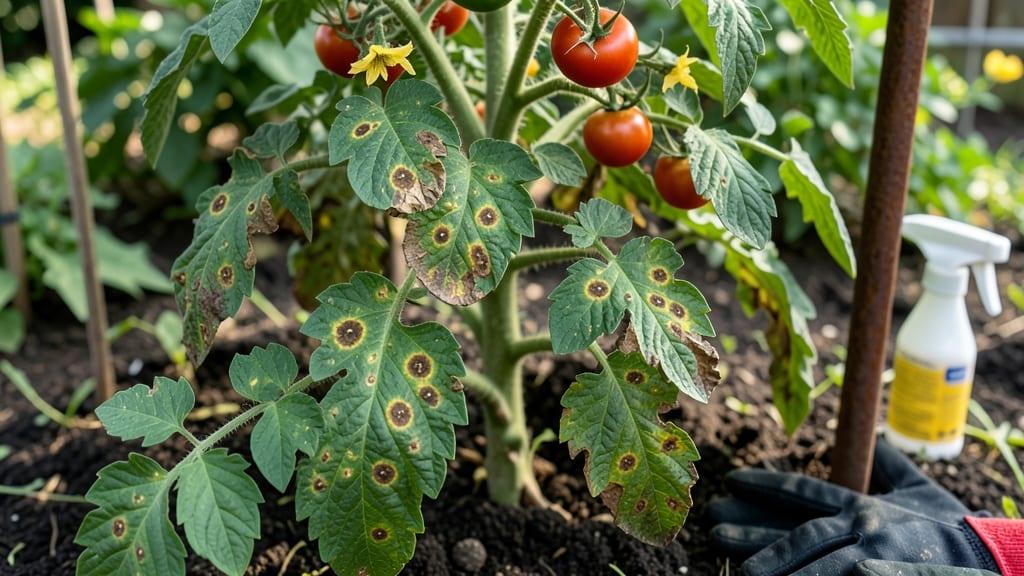
My tomatoes were turning into leafy disaster zones—tiny black spots spreading like ink in a rainstorm. 🌱 That was cercospora leaf spot, and without the right cure, my harvest would’ve been history.
The good news? This fungal foe has organic weaknesses, and I’ll show you exactly how to fight back before it’s too late.
This isn’t just about spraying—it’s about stopping the cycle. Cercospora thrives in warm, wet conditions, so we’ll tackle prevention first: resistant varieties, smart spacing, and a few household tricks that work better than store-bought sprays.
My plants recovered in just 10 days after I started this routine, and the fruit stayed blemish-free.
You’ll learn to spot the early signs (tiny yellow dots, anyone?), how to make a foolproof copper spray that actually works, and when to pull the plug on a hopeless plant. No more losing your entire crop to this sneaky fungus—just healthier leaves and juicier tomatoes by season’s end.
Works for backyard gardens, containers, and even greenhouse setups. Let’s get those plants fighting back—naturally.
The Hidden Triggers Behind Fungal Spread
Cercospora leaf spot may seem like a sudden strike, but it’s actually the result of a perfect storm of environmental and cultural factors. Understanding these triggers is the first step to stopping the fungus before it ruins your tomato harvest.
Let’s break down the key reasons why this disease takes hold—and how to disrupt its cycle.
🌧️ Excessive Moisture and Humidity
The Cercospora fungus thrives in damp conditions, making moisture its #1 ally. Here’s why:
- Prolonged leaf wetness: The fungus’s spores germinate within 4–6 hours of moisture. If your tomato plants stay wet for longer—whether from rain, overhead irrigation, or poor airflow—the spores latch on and infect leaves.
- High humidity (80%+): Even without direct water, humid air creates a greenhouse effect, allowing spores to survive and spread faster. Early mornings with dew or enclosed growing spaces (like greenhouses) accelerate the problem.
- Poor drainage: Waterlogged soil keeps leaves damp longer and stresses plants, making them more susceptible to infection.
Actionable fix: Water at the base in the morning (not at night) and ensure airflow with proper spacing between plants. Use drip irrigation instead of sprinklers to keep foliage dry.
🌡️ Warm, Stagnant Conditions
While the fungus can survive in cool temps, it explodes in warmth—especially when combined with moisture. Here’s the science:
- Ideal temperature range: The fungus spreads fastest between 77–86°F (25–30°C). If your growing season hits this sweet spot, Cercospora goes into overdrive.
- Stagnant air: Heat without airflow traps humidity near leaves, creating a fungal buffet. Greenhouses or dense plantings without ventilation are high-risk zones.
- Nighttime warmth: If temps stay warm overnight, spores don’t get a "rest" period to weaken, leading to rapid reinfection.
Actionable fix: Use shade cloth to reduce leaf temps during peak heat, and install fans or open vents to improve airflow. Avoid planting tomatoes in low-lying areas where heat collects.
🌱 Weakened Plant Defenses
A healthy tomato plant can fend off Cercospora, but stress opens the door. Common stressors include:
- Nutrient deficiencies: Low nitrogen or potassium weakens leaves, making them easier targets. Yellowing or stunted growth? That’s a red flag.
- Physical damage: Hail, wind, or rough handling tears leaves, creating entry points for spores. Even insect bites (like from aphids) can trigger infections.
- Overcrowding: Plants competing for light and nutrients grow spindly with thin leaves—perfect for fungal colonization.
- Previous infections: If your soil or tools carried Cercospora from last year’s crop (or nearby weeds), the fungus is already waiting to pounce.
Actionable fix: Rotate crops yearly, remove debris from prior seasons, and fertilize with balanced organic matter (like compost or fish emulsion). Prune plants for airflow and reinforce stems with stakes.
🍄 Spores Hiding in Plain Sight
Cercospora doesn’t just appear—it lingers. Spores can survive for years in:
- Infected plant debris: Leaves, stems, or even tomato stalks left in the soil or compost pile act as spore reservoirs. When conditions turn favorable, they launch a new attack.
- Weeds and volunteers: Wild nightshades (like black nightshade) or volunteer tomato plants often host Cercospora. If you ignore them, they’ll reinfect your crop.
- Tools and hands: Pruners, gloves, or even your fingers can transfer spores from plant to plant. A single contaminated tool can spread the disease across your entire garden.
Actionable fix: Clean tools with a 10% bleach solution between uses, remove all plant debris (don’t compost it!), and pull weeds regularly. Solarize soil in late summer to kill lingering spores.
By tackling these root causes, you’re not just treating symptoms—you’re disrupting the fungus’s game plan. Next, we’ll dive into organic sprays and preventative tactics to flip the script on Cercospora leaf spot. 🚀
How to Treat Fungal Tomato Spots
Fungal infections like Cercospora leaf spot can feel like a nightmare for gardeners, but the good news is that with the right approach, you can stop the spread and revive your plants—even organically.
Below, we break down targeted fixes based on the root causes (overwatering, poor airflow, contaminated tools, etc.) and share preventive strategies to keep your tomato plants thriving.
If your soil stays soggy or water pools around the base of plants, fungal spores thrive. Here’s how to correct it:
- 💧 Adjust Watering Habits
- Water early in the morning (before 10 AM) to allow foliage to dry quickly.
- Use drip irrigation or soaker hoses to keep leaves dry—avoid overhead sprinklers.
- Check soil moisture before watering: Stick your finger 1–2 inches deep; water only if dry.
- 🌱 Improve Soil Drainage
- Mix compost or aged manure into heavy clay soil to boost aeration.
- Raise beds or add perlite/sand (10–20%) if drainage is poor.
- Mulch heavily (2–3 inches) with straw or wood chips to prevent soil splashing onto leaves.
- 🌡️ Optimize Humidity
- Space plants 18–24 inches apart for better airflow.
- Prune lower leaves (especially those touching the ground) to reduce humidity near the soil.
Once you’ve addressed moisture, tackle the fungus directly with these effective, plant-safe sprays:
🔥 Immediate Treatment Sprays (Use Weekly Until Spots Stop)
| Spray | How to Use | Best For |
|---|---|---|
| Baking Soda Mix | 1 tbsp baking soda + 1 quart water + 1 tsp dish soap (optional). Spray under leaves. | Early-stage spots, mild infections |
| Neem Oil | 2 tbsp neem oil + 1 tsp mild soap + 1 quart water. Spray evening/early morning. | Prevents spore germination |
| Copper Fungicide | Follow label rates (e.g., Copper Soap or Cheseborough’s). Rotate with other sprays. | Severe infections (use sparingly) |
| Potassium Bicarbonate | 1 tbsp + 1 tsp horticultural oil + 1 gallon water. Spray every 7–10 days. | Organic alternative to copper |
- 💡 Pro Tip: Always spray when leaves are dry (avoid midday heat) and reapply after rain.
👨🍳 Homemade Preventive Spray (Weekly Maintenance)
Combine:
- 1 quart water
- 1 tbsp vegetable oil (sticks to leaves)
- 1 tsp baking soda
- 1 tsp soap (castile or mild dish soap)
Stir well and spray all leaf surfaces (top and bottom). This smothers spores before they take hold.
Fungal spores love hanging around, so aggressive cleanup is key:
- 🍅 Prune Infected Leaves
- Snip off yellowing or spotted leaves with sterilized pruners (wipe with rubbing alcohol between cuts).
- Do not compost infected plant debris—bag and trash it immediately.
- 🌿 Rotate Crops & Clean Tools
- Avoid planting tomatoes (or nightshades like peppers/eggplants) in the same spot for 3 years.
- Sterilize tools with bleach (1:9 ratio) or boiling water after each use.
Stop fungal spots from returning with these low-effort habits:
- 🌱 Choose Resistant Varieties
- Opt for Cercospora-resistant tomatoes like:
- ‘Mountain Merit’
- ‘Defiant PhR’
- ‘Bush Early Girl’
- Opt for Cercospora-resistant tomatoes like:
- 🌡️ Monitor Weather & Adjust Care
- High humidity + warm nights (75–85°F) = fungal paradise. Use a fan on low speed near plants if needed.
- Avoid late-season nitrogen (too much green growth = more fungal targets).
- 🎯 Soil Health Boost
- Add
- Crop rotation with non-nightshade plants (e.g., beans, carrots) breaks the fungal cycle.
Remember: Consistency is key! Fungal diseases won’t vanish overnight, but with diligent care, your tomatoes can bounce back—and next season will be even stronger. 🍅💪
Frequently asked questions
What do early signs of cercospora leaf spot look like?
Start with tiny yellow dots (about 1/16-inch) that quickly turn brown with dark borders. These spots often appear on lower leaves first and may have a greasy texture. Unlike other spots, cercospora leaves no white or gray fuzzy growth—just those distinctive dark-edged marks.
Can I still eat tomatoes with cercospora leaf spot?
Yes, but only if the fruit itself is spot-free. The fungus targets leaves, not the tomatoes directly. Just avoid eating leaves or stems—focus on harvesting clean fruit. If spots appear on the fruit, compost those tomatoes immediately (don’t eat them).
How often should I spray neem oil for prevention?
Apply neem oil every 7–10 days during warm, humid weather to prevent cercospora. For active infections, spray weekly until new growth appears without spots. Always mix with 1 tsp mild soap per quart to help it stick to leaves. Early morning or evening spraying works best.
Will copper fungicide harm bees or beneficial insects?
Copper can be harmful to bees if sprayed directly on flowers. Avoid applying when bees are active (early morning or late evening). For organic gardens, use copper sprays only on leaves, not blossoms, and choose potassium bicarbonate instead if pollinators are present. Always follow label instructions.
Can I save a heavily infected tomato plant?
If over 50% of leaves are severely spotted and new growth is stunted, the plant may be beyond saving. Remove it immediately to prevent spread. For mild cases, prune infected leaves, improve airflow, and apply fungicide—many plants recover with consistent care within 2–3 weeks.