
Pests and Diseases
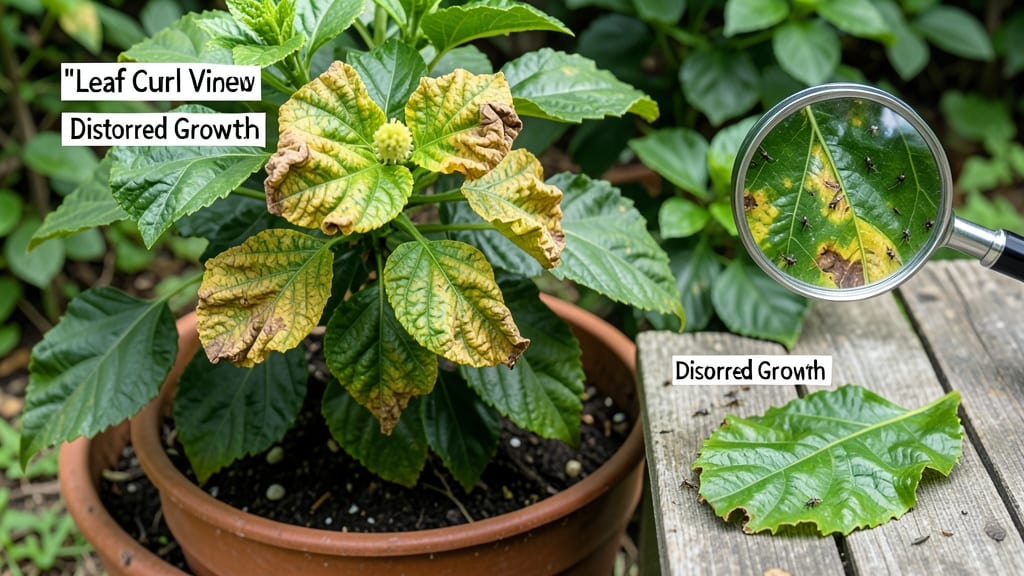
That crinkled, yellowing mess on your hibiscus leaves isn’t just bad luck—it’s hibiscus leaf curl disease, and I’ll show you how to diagnose it and stop the spread in 3 simple steps. 🌿 The moment I saw my prized hibiscus leaves curling like tiny scrolls, I knew my usual pruning routine wouldn’t cut it.
This viral infection spreads fast, but with the right approach, you can save your plant—or at least keep it from becoming a disease hotspot.
The culprit? Usually whiteflies or aphids carrying the virus, though sometimes it hitches a ride on contaminated pruning tools. Stunted growth, distorted leaves, and a general "off" look are your first clues. The good news?
You can prune infected leaves aggressively (sterilize your tools first!) and control pests with neem oil or insecticidal soap—no harsh chemicals needed. I’ve saved multiple hibiscus plants this way, even when they looked hopeless at first.
By the time you’re done, your hibiscus will be back to vibrant, healthy growth—no more crinkled leaves or weak stems. The key is acting fast: remove infected parts immediately, quarantine new growth, and keep pests under control.
Prevention is easier than cure here, but even if your plant is already struggling, these steps can turn things around.
This works for tropical hibiscus, rose-of-Sharon, and even some ornamentals—just adjust the pruning approach based on the plant’s size. Whether you’re dealing with a single infected leaf or a full-blown outbreak, these methods give you the best shot at a full recovery. Let’s get your hibiscus thriving again.
Root Causes of Leaf Curling
Understanding why hibiscus leaves curl is the first step toward prevention and treatment. This viral and insect-borne condition rarely appears out of nowhere—it’s almost always triggered by specific environmental or biological factors. Let’s break down the real culprits behind this frustrating plant problem.
The most common cause of leaf curl in hibiscus is the Hibiscus leaf curl virus (HiLCV), a plant virus transmitted by tiny, winged insects called whiteflies. Here’s how it works:
- Whitefly Transmission: Whiteflies feed on plant sap and inject the virus into healthy hibiscus leaves while they eat.
A single infected plant can spread the virus to nearby plants in just weeks. - Weakened Plants as Targets: Stressed or nutrient-deficient hibiscus are far more susceptible to viral infections.
Poor soil health, overcrowding, or sudden temperature shifts make plants an easy meal for whiteflies—and their viral payload. - No Cure for the Virus: Once infected, a hibiscus plant cannot be cured of HiLCV. The best defense is prevention (see our treatment steps later).
Pro Tip: 🔍 Check the undersides of leaves for tiny whiteflies or sticky residue (honeydew). Early detection = fewer losses!
Leaf curling can also mimic viral symptoms when hibiscus endure environmental abuse. These factors don’t cause the virus but weaken plants, making them prime targets:
- Extreme Heat or Cold: Hibiscus thrive in warm, stable climates (70–85°F).
Sudden heatwaves or frost can shock the plant, causing leaves to curl as a survival response. - Water Imbalance: - Overwatering: Soggy soil suffocates roots, starving leaves of oxygen and causing them to pucker. - Underwatering: Dry soil triggers stress signals, making leaves curl inward to conserve moisture. - Poor Soil Drainage: Compacted or clay-heavy soil traps excess water, leading to root rot and upward symptoms like curling.
Quick Fix: 💡 Test your soil’s moisture by sticking a finger 1–2 inches deep. If it’s damp, hold off on watering. If bone-dry, give a deep drink—but ensure pots have drainage holes!
Not all leaf curl is viral—some pests physically damage leaves, causing them to distort or curl. Common offenders include:
| Pest | How It Attacks | Tell-Tale Signs |
|---|---|---|
| Spider Mites | Pierce leaves to suck sap, causing curling and stippling. | Tiny webs on undersides; bronze/yellow speckling. |
| Aphids | Cluster on new growth, injecting toxins. | Sticky residue; curled, crinkled leaves. |
| Thrips | Scratch leaf surfaces while feeding. | Silver streaks; distorted, cupped leaves. |
Action Step: 🛡️ Blast pests off with water (early morning spray) or introduce beneficial insects like ladybugs to control populations naturally.
Even with perfect conditions, gardening habits can accelerate leaf curl. Watch for these red flags: - Over-Fertilizing: Too much nitrogen promotes lush but weak growth, inviting pests and viruses. - Pruning Without Sanitation: Dirty tools can carry viruses from infected to healthy plants.
Always sterilize shears with rubbing alcohol. - Ignoring Infected Plants: Removing curled leaves too late allows whiteflies to spread. Isolate and destroy severely infected plants immediately.
Pro Tip: ✂️ Prune strategically: Remove only symptomatic leaves (not whole branches) to avoid stressing the plant further.
Often, leaf curl isn’t caused by one factor but a combination of them. For example:
- Poor drainage (environmental) → root stress → weakened plant.
- Whiteflies arrive (pest) → inject HiLCV → viral outbreak.
- Overcrowded plants (cultural) → limited airflow → pest/pest explosion.
Break the chain by addressing all weak links—soil, pests, and plant care—simultaneously.
How to Treat and Prevent Leaf Curl
If your hibiscus plants are showing signs of leaf curl, don’t panic—there are organic, actionable steps to revive them and prevent future outbreaks. The key is addressing the root causes (literally and figuratively) with targeted fixes.
Below, we break down cause-specific solutions, from immediate care to long-term prevention, all while keeping your garden chemical-free.
Cause: Viral or fungal spread via infected leaves or aphids. Fix:
- 🔪 Prune damaged foliage with sterilized scissors (wipe with rubbing alcohol between cuts).
- 🗑️ Dispose of pruned leaves in sealed bags—do not compost them, as pathogens can linger.
- 🌿 Focus on new growth: Cut back curled or distorted leaves and any adjacent healthy-looking leaves that might be compromised. Healthy leaves may still harbor viruses, so err on the side of caution.
- 💡 Pro Tip: If the plant is severely infected, consider removing it entirely to prevent cross-contamination to other hibiscus or nearby plants.
Cause: These pests spread the virus and weaken plants, making them susceptible to secondary infections. Fix:
- 🍳 Homemade insecticidal soap spray: Mix 1 tbsp mild liquid soap (like Castile) + 1 quart water + 1 tsp neem oil. Spray early morning or late evening (avoid direct sunlight, which can burn leaves). Reapply every 3–5 days until pests vanish.
- 👨🍳 Neem oil treatment (stronger option): Blend 1 tbsp neem oil + 1 tsp dish soap + 1 quart water. Spray undersides of leaves (where aphids hide) and repeat weekly for 2 weeks.
- 🌡️ Introduce beneficial insects: Ladybugs, lacewings, and parasitic wasps devour aphids naturally. Purchase them online or attract them with dill, fennel, or marigold plants nearby.
- 🎯 Physical removal: For small infestations, blast aphids off with a strong stream of water from a hose (early morning works best).
Cause: Weakened plants are more vulnerable to viruses and fungal infections. Fix:
- 🥗 Strengthen roots with compost tea: Brew 1 cup compost + 5 gallons water for 24–48 hours, then strain and water the soil. Rich in microbes, this enhances nutrient uptake and disease resistance.
- 🍎 Balance nutrients with banana peel fertilizer: Bury chopped banana peels (rich in potassium) near the base of the plant to support overall health.
- 💪 Foliar spray with seaweed extract: Mix 1 tbsp seaweed extract + 1 gallon water and spray leaves weekly. Seaweed stimulates growth hormones and acts as a mild antifungal.
Cause: Overwatering or poor airflow creates humid conditions, ideal for fungal growth. Fix:
- ⏰ Water deeply but less frequently: Hibiscus roots need 1–2 inches of water per week (check soil moisture—top inch should be dry before watering). Avoid wetting leaves to prevent fungal spores from settling.
- 🌬️ Improve airflow: Space plants 2–3 feet apart and prune nearby overgrowth (like tall grass or weeds) that blocks circulation.
- ☀️ Increase sunlight exposure: Hibiscus thrive in full sun (6+ hours daily). Move potted plants to sunnier spots or thin canopy trees if shade is the issue.
Cause: Recurring infections often stem from contaminated tools, soil, or neighboring plants. Fix:
- 🧼 Sanitize tools regularly: Wipe pruners and garden tools with rubbing alcohol or bleach water (1:10 ratio) before and after use.
- 🌍 Rotate crops: If growing hibiscus in garden beds, avoid planting in the same spot for 2–3 years to break disease cycles.
- 🌱 Use disease-resistant varieties: Opt for hibiscus cultivars like ‘Dwarf Red’ or ‘Lime Green’, which are less prone to leaf curl than tropical varieties.
- 🚫 Quarantine new plants: Before adding new hibiscus to your garden, isolate them for 2–4 weeks and monitor for symptoms.
✨ Final Thought: While hibiscus leaf curl can’t always be cured (especially if viral), these steps will slow progression, strengthen your plants, and minimize future outbreaks. Stay vigilant, and your hibiscus will bounce back with vibrant, healthy foliage in no time!
Frequently asked questions about hibiscus leaf curl disease
Can you save a hibiscus plant already infected with leaf curl?
You may slow its decline but cannot cure the virus itself. Remove all curled leaves immediately with sterilized tools, then focus on strengthening the plant with compost tea and neem oil sprays. For severe cases, consider removing the plant entirely to protect others.
How do I tell if my hibiscus has leaf curl or just heat stress?
Check for tiny whiteflies on leaf undersides or sticky honeydew residue—these indicate viral leaf curl. Heat stress causes uniform curling without pests or stunted growth. Move plants to shade temporarily and monitor for pest activity.
Is neem oil safe to use while my hibiscus is flowering?
Yes, but apply early morning or late evening to avoid harming pollinators. Neem oil won’t damage flowers, but always test a small leaf first. For extra protection, use it after flowers open to preserve pollinators.
Will removing infected leaves stop the disease from spreading?
It dramatically reduces spread, but you must also control whiteflies/aphids. Sterilize tools between cuts, dispose of pruned leaves in sealed bags, and treat nearby plants preventively. Without pest control, new growth may still get infected.
Can I reuse soil from a hibiscus that had leaf curl?
No—dispose of infected soil as viruses can persist. For potted plants, replace soil entirely or sterilize by baking at 200°F for 30 minutes. In garden beds, remove contaminated soil and replace with fresh, disease-free mix.