
Diseases
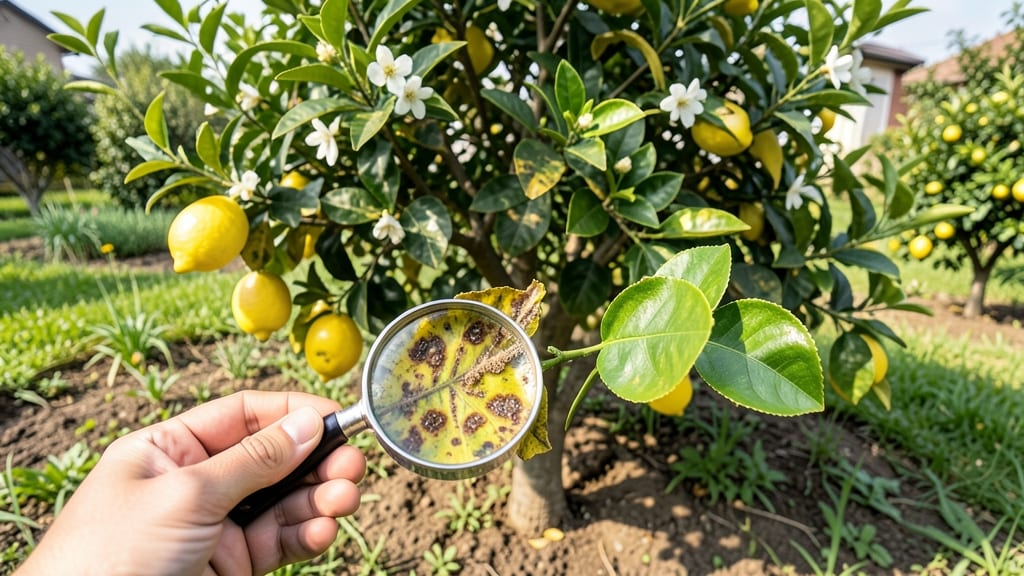
When your citrus tree’s leaves start looking like a crime scene—yellowing, spotted, or crispy—you’re dealing with citrus leaf diseases that can turn a thriving tree into a sad skeleton in weeks. 🌿 I’ve seen it happen to my Meyer lemon, and the good news is most of these issues have organic fixes if you catch them early.
The bad news? Waiting too long means pruners and maybe even a new tree.
Citrus greening, scab, and melanose are the usual suspects, each leaving its own telltale signs: greening causes blotchy yellow leaves, scab shows up as raised brown spots, and melanose turns leaves into a sad, speckled mess.
The key to saving your tree is acting fast—pruning infected branches, cleaning up fallen leaves, and treating with copper fungicide or neem oil before the disease spreads like gossip at a garden party.
You’ll start seeing improvement within a couple of weeks if you tackle sanitation and treatment right. A healthy tree will push out fresh, glossy leaves, and the fruit (if any) will taste sweeter than ever.
The secret? Prevention—keep your tree well-watered, avoid overhead watering, and inspect leaves weekly, especially after rain.
Still stumped? If the disease keeps coming back or spreads to other trees, it’s time to call a local extension office. Some infections need stronger interventions, and sometimes even the best organic fixes can’t save a tree that’s already too far gone.
Better to act now than lose your citrus to a slow, ugly death.
Root Causes Of Citrus Leaf Troubles
Citrus trees are resilient, but their leaves are prime targets for a variety of pathogens, environmental stressors, and even human mistakes. Understanding why these issues arise is the first step to prevention—and keeping your grove thriving.
Below, we break down the most common culprits behind citrus leaf diseases, explained in clear, actionable terms.
Fungal diseases are the #1 cause of citrus leaf decline, thriving in warm, humid conditions. These microscopic organisms latch onto weak spots in leaves, blocking nutrient flow and causing unsightly (and often deadly) symptoms.
🍄 Humidity And Poor Airflow
- Why it happens: Fungi like Phyllosticta (causing citrus scab) and Alternaria (leaf spot) spread rapidly when leaves stay damp for long periods. Overcrowded trees or dense foliage trap moisture, creating the perfect breeding ground.
- Actionable fix: Prune for airflow, avoid overhead watering, and space trees 8–12 feet apart.
🌱 Weakened Tree Defense
- Why it happens: Stressed trees (from drought, poor soil, or nutrient deficiencies) can’t fight off fungal attacks. For example, Melanose (a fungal disease) exploits trees weakened by nitrogen deficiency or root damage.
- Actionable fix: Test soil pH (ideal: 6.0–7.0) and fertilize with balanced citrus-specific blends (high in zinc and manganese).
🌧️ Rain And Overwatering
- Why it happens: Excess moisture washes away natural protective waxes on leaves, leaving them vulnerable. Anthracnose (another fungal foe) thrives in soggy conditions, especially during prolonged rainy seasons.
- Actionable fix: Water at the base (not leaves) and ensure proper drainage—citrus roots rot in waterlogged soil.
Unlike fungi, bacteria move quickly and can destroy a tree in weeks. They often hitch a ride on tools, wind, or even splashing water.
🔥 Poor Sanitation Practices
- Why it happens: Bacteria like Xanthomonas (citrus bacterial spot) spread via contaminated pruners, harvest bins, or even hands. A single infected leaf can contaminate an entire tree.
- Actionable fix: Sterilize tools with 70% rubbing alcohol between uses and remove infected leaves immediately.
🌿 Wounds And Insect Damage
- Why it happens: Citrus leafminers or aphids create entry points for bacteria. Candidatus Liberibacter (HLB, or citrus greening) spreads when psyllids feed on damaged tissue.
- Actionable fix: Use neem oil to deter pests and seal pruning cuts with copper-based wound dressing.
🌡️ Temperature Fluctuations
- Why it happens: Sudden heat or cold shocks weaken leaves, making them susceptible to bacterial invasion. For example, Pseudomonas thrives in temperatures above 85°F (29°C).
- Actionable fix: Use shade cloth in summer and windbreaks in winter to stabilize conditions.
Not all leaf diseases are caused by microbes—some pests carry pathogens or directly damage foliage, setting the stage for secondary infections.
🐛 Scale And Mealybugs
- Why it happens: These sap-sucking insects excrete honeydew, a sticky substance that fosters sooty mold—a black fungal growth that smothers leaves and blocks sunlight.
- Actionable fix: Spray with horticultural oil in early spring (before pests lay eggs) and introduce ladybugs as natural predators.
🐞 Citrus Leafminers
- Why it happens: Their larvae tunnel through leaves, creating wounds that invite fungal/bacterial infections. Infested leaves often curl, yellow, and drop prematurely.
- Actionable fix: Apply kaolin clay or insecticidal soap as a physical barrier.
🕷️ Spider Mites (Drought Stressors)
- Why it happens: During dry spells, mites multiply rapidly, piercing leaves and causing stippling (white/yellow dots). Weakened leaves become prime targets for diseases like Alternaria.
- Actionable fix: Mist trees with water (mites hate humidity) and use a strong stream to dislodge them.
Sometimes, the problem isn’t a pathogen at all—it’s the tree’s environment fighting back against poor conditions.
☀️ Extreme Heat Or Sunburn
- Why it happens: Intense sunlight (especially in arid climates) causes sun scorch, where leaf edges crisp and turn brown. This weakens the leaf’s immune response.
- Actionable fix: Provide afternoon shade with shade cloth (30–50% coverage) and mulch heavily to retain moisture.
❄️ Cold Damage
- Why it happens: Freezing temperatures rupture leaf cells, leading to blackened, mushy spots. This opens doors for opportunistic fungi like Botrytis.
- Actionable fix: Plant cold-hardy varieties (e.g., ‘Satsuma’) and use frost cloth in winter.
💧 Chemical Burn
- Why it happens: Overuse of synthetic fertilizers or herbicides (especially copper-based fungicides) can scorch leaves, making them prone to infections.
- Actionable fix: Switch to organic amendments like compost tea and foliar sprays of seaweed extract for gentle nutrition.
Pro Tip: 💡 Most citrus leaf diseases start small—act fast! Regularly inspect the undersides of leaves (where pathogens love to hide) and remove any suspicious spots before they spread. Prevention is always cheaper (and less stressful) than cure.
Fixing Citrus Leaf Issues Naturally
Now that you’ve identified the culprit behind your citrus tree’s leaf troubles, it’s time to act! The good news? Many citrus leaf diseases and disorders respond well to organic, proactive care—without harsh chemicals.
Below, we’ll match common causes to practical fixes, plus prevention tips to keep your tree thriving long-term.
**🔥 Cause: Fungal spores spread by wind, rain, or contaminated tools. 👨🍳 Fix It:
- Prune & Remove Infected Leaves
- Use
- Bag and discard infected debris in the trash (not compost)—fungi can survive in soil!
- Apply Copper Fungicide (Organic Option)
- Mix
- Spray early morning or evening (avoid direct sun) on both leaf surfaces and trunk. Reapply every 7–10 days until new growth appears.
- Boost Airflow & Reduce Moisture
- Water at the base (not overhead) and avoid evening watering to let leaves dry quickly.
- Strengthen the Tree’s Defense
🔥 Cause: Lack of key nutrients (iron, zinc, nitrogen, magnesium). 👨🍳 Fix It:
| Symptom | Likely Deficiency | Solution |
|---|---|---|
| Yellow between veins | Iron (chlorosis) | Apply chelated iron (or iron sulfate) to soil or spray foliar iron. |
| Purple stems/leaves | Phosphorus | Work in bone meal or rock phosphate into the soil. |
| Yellow edges | Magnesium | Spray Epsom salt solution (1 tbsp/gallon) or add magnesium sulfate. |
| Small, pale leaves | Nitrogen | Use composted manure or a balanced organic fertilizer (5-5-5). |
💡 Pro Tip: Test your soil (DIY kits are affordable!) to confirm deficiencies before treating.
🔥 Cause: Overwatering, underwatering, temperature extremes, or salt buildup. 👨🍳 Fix It:
- Adjust Watering Habits
- Too little water? Water deeply 2–3 times per week (more in extreme heat). Use mulch to retain moisture.
- Protect from Heat & Cold
- Move potted citrus away from drafts or cold winds in winter.
- Flush Out Salt Buildup
- If soil feels crusty or leaves look
🔥 Cause: Spider mites, aphids, scale, or citrus leafminers. 👨🍳 Fix It:
- Blast Off Pests with Water
- Introduce Beneficial Insects
- Use Insecticidal Soap or Oil
- Mix
- Horticultural oil (like neem oil) smothers scale and mites. Apply when temps are above 50°F.
- Remove Heavy Infestations
- For
- 🌡️ Monitor Regularly – Check leaves weekly for early signs (spots, holes, discoloration).
- ✨ Sterilize Tools – Clean pruners with rubbing alcohol between trees to prevent spread.
- 🍂 Clean Up Debris – Rake and remove fallen leaves to eliminate fungal spores.
- 🌿 Strengthen Soil – Amend with compost yearly to improve nutrient uptake and drainage.
- 🛡️ Quarantine New Plants – Keep newly purchased citrus separate for 2–4 weeks to spot pests/diseases early.
✨ Final Thought: Most citrus leaf issues are manageable with quick action—don’t wait until the problem spreads! Start with one targeted fix (like copper spray for fungus or Epsom salt for magnesium), then layer in preventive care** for long-term health.
Your citrus tree will be back to vibrant in no time! 🍊💚
Frequently asked questions
How do I tell the difference between fungal spots and insect damage on citrus leaves?
Fungal spots (like scab or melanose) appear as raised, crusty patches or speckles that often have a yellow halo around them. Insect damage, however, shows up as tiny holes, chewed edges, or webbing. Check the leaf undersides—fungal spores love to hide there, while insect eggs or larvae might be visible too.
Can I save a citrus tree if it already has citrus greening (HLB)?
Unfortunately, once a tree is infected with HLB, there's no cure. The bacteria spreads through psyllids, and the tree will gradually decline. Your best options are to remove infected trees immediately to prevent spread, plant resistant varieties, and monitor for psyllids with neem oil sprays.
Why are my citrus leaves turning yellow but there are no visible spots?
Yellowing without spots often signals nutrient deficiencies (like iron or nitrogen) or overwatering. Check the pattern: yellow between veins suggests iron deficiency, while yellow edges may indicate magnesium issues. Test your soil and adjust watering—citrus roots need good drainage but consistent moisture.
How often should I apply copper fungicide to prevent diseases?
Apply copper fungicide every 7-10 days during active growing seasons (spring-fall) or after heavy rains. For prevention, two applications—one in early spring and another after summer—can help build protective layers. Always spray in the evening to avoid leaf burn from sunlight.
Is it safe to compost citrus leaves with fungal diseases?
No, never compost infected leaves! Fungal spores survive composting and can reinfect your plants. Instead, bag infected leaves in plastic and throw them in the trash. This is especially critical for diseases like scab or melanose that spread easily through soil and debris.