
Pests and Diseases
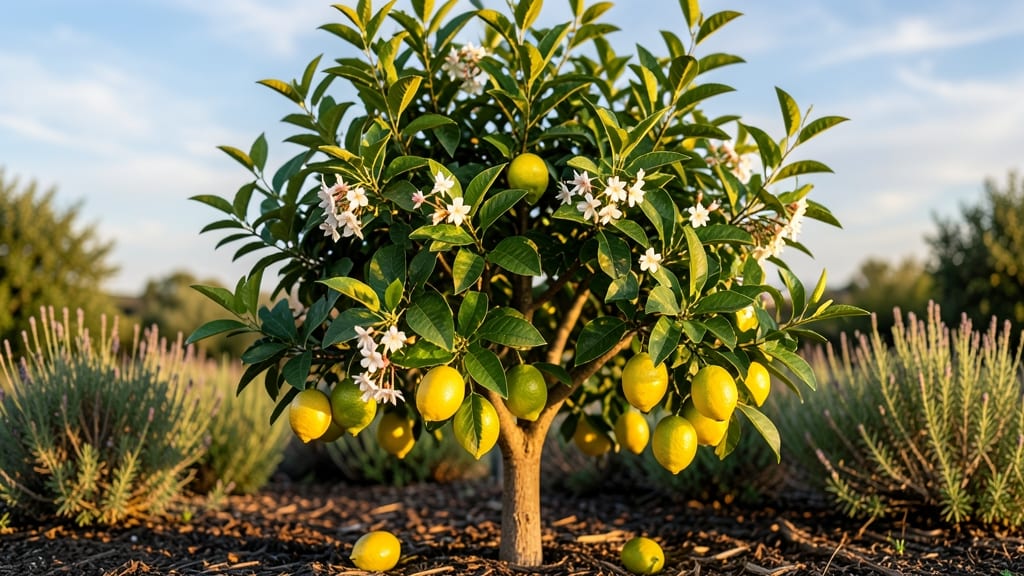
Citrus leaf identification starts with a close look at what’s really wrong—because one yellow leaf can mean citrus greening, nutrient deficiency, or even just too much sun. 🌿 I’ve spent years studying citrus trees, and the key is noticing the pattern: Are the spots uniform?
Is the yellowing between veins or along them? That tells you exactly what’s attacking your tree. Most gardeners miss the early signs because they don’t know what to look for. Aphids leave sticky residue, mites cause stippling, and greening starts with blotchy greens that never turn yellow.
Grab a magnifying glass—this is where the clues hide. The sooner you spot these, the easier it is to save your tree. You’ll learn to tell the difference between fungal spots (like canker) and insect damage in minutes. No lab needed—just your eyes and a basic understanding of leaf shapes.
Once you master this, you’ll catch problems before they spread, and your citrus harvest will thank you. This works for lemons, oranges, limes, and even dwarf varieties. Let’s get those leaves under the microscope—metaphorically, of course.
📚 In This Guide
- What you need
- Instructions
- Tips and common mistakes
- Wrapping up and next steps
What you need
- ● Fresh citrus leaves: Healthy and diseased samples (at least 3-5 leaves per type for comparison). Pro tip: 💡 Collect leaves from different parts of the tree (top, middle, bottom) for a comprehensive assessment.
- ● Hand lens or magnifying glass: A 10x magnification lens works best to inspect fine details like pest eggs, mites, or fungal spores.
- ● Notebook and pen: For recording observations, symptoms, and potential matches.
- ● Ruler or measuring tape: To note leaf size, spot dimensions, or discoloration patterns.
- ● Camera or smartphone: With a macro mode or high-resolution camera (12MP or higher) for close-up photos of symptoms.
- ● Plastic bags or containers: Sealable bags to transport leaf samples safely (avoid crushing them!).
- ● Reference guide or app: A printed citrus disease/pest ID guide or a trusted app like PlantSnap or iNaturalist for digital comparison.
- ● Alcohol wipes or rubbing alcohol (70% isopropyl): For disinfecting tools between samples and cleaning sticky residues (e.g., from aphids or scale insects).
- ● Petri dish or clear plastic wrap: To temporarily store leaf samples in a humid environment if you’re testing for fungal growth.
- ● Field guide to citrus pests/diseases: Books like "Citrus Diseases" by M. E. McPherson or "Compendium of Citrus Diseases" for advanced ID.
- ● UV flashlight (blacklight): To detect fungal infections or pest activity that fluoresce under UV light.
- ● Gloves (nitrile or latex): If handling heavily infested or diseased leaves to protect your skin.
How to identify citrus leaf problems in minutes
Skip the guesswork—here’s how to spot common citrus diseases and pests fast, using just your eyes and a little practice.
🌿 Step 1: Examine Leaf Color for Early Signs
Start by checking the upper and lower leaf surfaces for color changes. Healthy citrus leaves are a glossy, vibrant green. If you see yellowing between veins (a pattern called chlorosis), it’s often a sign of nutrient deficiency—usually iron or nitrogen—or a fungal issue like citrus greening. Flip the leaf over: rust-colored spots or black speckles suggest fungal diseases like melanose or anthracnose.
I always start at the youngest leaves—they show problems first. If the yellowing spreads from the older leaves outward, it’s likely a magnesium deficiency. But if the new growth is stunted and leaves curl upward, that’s a classic sign of citrus greening, a bacterial disease spread by psyllids. Don’t wait until leaves drop—catch it early when you still have time to treat.
🐛 Step 2: Look for Physical Damage and Pests
Run your fingers gently over the leaf undersides—you’ll often feel tiny bumps or webbing before you see pests. Citrus psyllids (the culprits behind greening) leave sticky honeydew on leaves and white, waxy secretions on stems. Scale insects appear as brown, shell-like bumps that don’t move, while aphids cluster in soft, green groups on new growth. Use a hand lens if you’re unsure—pests are easier to spot up close.
Check the leaf edges for chewed holes or serrated tears—those are signs of citrus leaf miners or caterpillars. If you see silver or white streaks under leaves, it’s likely spider mites, which thrive in dry conditions. I keep a small spray bottle of water handy to mist suspicious leaves—pests scatter, confirming their presence.
💧 Step 3: Check for Moisture-Related Clues
Damp, soggy-looking leaves with dark, water-soaked spots mean overwatering or bacterial leaf spot. If the leaf edges curl downward and feel leathery, your citrus is underwatered. Brown, crispy patches on leaf tips? That’s salt buildup from tap water—flush the soil with rainwater or distilled water to fix it. Always check the soil moisture by sticking your finger 1 inch deep—if it’s dry, water; if it’s muddy, hold off.
Fungal diseases like melanose love high humidity. If you see black, raised spots on leaves and dark streaks on stems, reduce overhead watering and prune infected leaves immediately with sterilized scissors. I keep a small bowl of rubbing alcohol nearby to wipe tools between cuts—cross-contamination spreads disease faster than you’d think.
✂️ Step 4: Compare Symptoms to Common Issues
Grab a notebook or phone to jot down your observations: leaf color, spots, pests, and location (new growth vs. old). Cross-reference with a citrus disease chart (I keep one saved on my phone). Yellowing + stunted growth = greening or psyllids. Black spots + leaf drop = anthracnose or melanose. Holes + silk webbing = leaf miners or caterpillars. If you’re still unsure, bag a few leaves in a plastic bag and take them to a local cooperative extension office—they’ll diagnose it for free.
Here’s the thing—citrus problems rarely appear alone. If you spot psyllids, check for greening symptoms. If leaves are yellowing, inspect for scale or mites. I treat one issue at a time, starting with the most severe. For example, if greening is confirmed, I remove all infected leaves, apply neem oil, and replace the top 2 inches of soil to starve the bacteria.
🔍 Step 5: Take Preventative Action Immediately
Once you’ve identified the problem, act fast. For pests, I spray with insecticidal soap (mix 1 tsp mild soap + 1 quart water) in the early morning to avoid harming beneficial insects. For fungal diseases, prune infected areas, sterilize tools, and apply copper fungicide as a preventative. Nutrient deficiencies? Flush the soil with chelated iron solution (available at garden centers) and add compost to improve soil health.
Don’t forget prevention. I inspect new plants for pests before bringing them home, avoid overhead watering, and mulch heavily to reduce soil splashing. Citrus trees are tough, but they hate neglect—once symptoms appear, the damage is done. A quick weekly leaf check saves hours of cleanup later. Trust me, 10 minutes now beats weeks of treatment down the road.
Tips & tricks for citrus leaf identification
Here's what nobody tells you about catching problems before they spread—and how to do it in just a few minutes.
Start with the Youngest Leaves: In Step 1, when examining leaf color, focus on the newest growth first. These leaves show symptoms before older ones do. I've seen cases where the top leaves appeared healthy while the lower ones were already infected with greening. If you notice yellowing or curling only on new leaves, it's a red flag for psyllids or nutrient deficiencies.
Use a Hand Lens for Hidden Pests: Step 2 mentions checking leaf undersides, but here's the thing—many pests are microscopic until they multiply. Keep a 10x magnification hand lens handy (they're cheap at garden centers) to spot tiny eggs or early-stage infestations. I caught a spider mite outbreak early because I noticed the fine webbing under leaves that looked like dust to the naked eye.
The 10-Minute Weekly Check: Prevention is the fastest way to avoid problems. Set a timer for 10 minutes every week—just like Step 5 suggests—and systematically check each leaf. I use a simple checklist: color, texture, pests, and moisture. This routine catches issues before they become unmanageable. The key is consistency; I've had trees recover completely from early-stage greening because I caught it during my weekly check.
Sterilize Tools Between Trees: When pruning infected leaves in Step 3 or Step 5, don't skip this critical step. Even a quick wipe with rubbing alcohol between cuts prevents cross-contamination. I've seen entire citrus groves get infected because gardeners used the same shears on healthy and diseased trees without sterilizing them first.
Pro Tips for Citrus Leaf Identification
- Here's what nobody tells you about catching problems before they spread—and how to do it in just a few minutes.
- Start with the Youngest Leaves: In Step 1, when examining leaf color, focus on the newest growth first.
- Use a Hand Lens for Hidden Pests: Step 2 mentions checking leaf undersides, but here's the thing—many pests are microscopic until they multiply.
Frequently asked questions
Got questions about citrus leaf identification? You’re not alone! Here are some of the most common concerns—and quick answers—to help you keep your citrus trees healthy and thriving.
How do I tell the difference between healthy citrus leaves and diseased ones?
Healthy citrus leaves are glossy, bright green, and free of spots or discoloration. Look for yellowing, brown spots, or unusual patterns—these often signal fungal diseases (like citrus canker) or nutrient deficiencies. Check the undersides too; pests like mites or scale love to hide there! If in doubt, snap a photo and compare it to online guides or consult a local extension office.
When is the best time to inspect citrus leaves for pests or diseases?
Inspect your citrus leaves regularly, but focus on these key times: spring (before blooming) to catch early pests, summer (every 2–4 weeks) when humidity spikes, and fall (after harvest) to assess winter damage. Morning inspections work best—leaves are dry, making it easier to spot issues like aphids or fungal spores.
What if my citrus tree’s leaves look weird but I don’t see obvious pests or diseases?
Weird-looking leaves could stem from environmental stress, like overwatering (yellowing), underwatering (dry, curling edges), or nutrient deficiencies (pale leaves). Test your soil’s pH (citrus prefers 6.0–7.0) and fertilize with a citrus-specific blend if needed. Also, check for sunburn (white/yellow patches) if leaves are suddenly exposed to harsh afternoon sun.
Can I use home remedies to treat citrus leaf diseases before calling a pro?
For mild cases, try these DIY fixes:
- Neem oil spray: Mix 1 tsp neem oil + 1 tsp mild soap in 1 quart water to deter pests like aphids or mites.
- Baking soda spray: 1 tbsp baking soda + 1 quart water + a drop of oil (to stick) can help with fungal issues like powdery mildew.
- Prune and destroy: Cut off severely diseased leaves with sterilized shears and dispose of them in the trash (not compost).
For severe infections (e.g., citrus canker), contact your local cooperative extension service—they can recommend fungicides or confirm the diagnosis.
Are there citrus trees with naturally pest-resistant leaves?
While no citrus variety is 100% pest-proof, some are tougher than others. Consider ‘Meyer lemon’ (more cold-hardy and less prone to canker than standard lemons) or ‘Satsuma mandarin’ (resistant to greening disease in some regions). For extra protection, plant companion plants like marigolds (repel nematodes) or basil (deters whiteflies) nearby!
Wrapping up and next steps
Mastering citrus leaf identification is your first line of defense against pests and diseases—because early detection means healthier trees! 🌿 Whether you’re a seasoned gardener or just starting, recognizing the signs of trouble keeps your citrus grove thriving.
Now that you’ve got the tools and know-how, take action: inspect your trees regularly, act at the first sign of trouble, and share your new skills with fellow plant lovers!
Next step: Grab your magnifying glass and start your citrus leaf audit today—your trees will thank you! 🍊✨