
Pruning
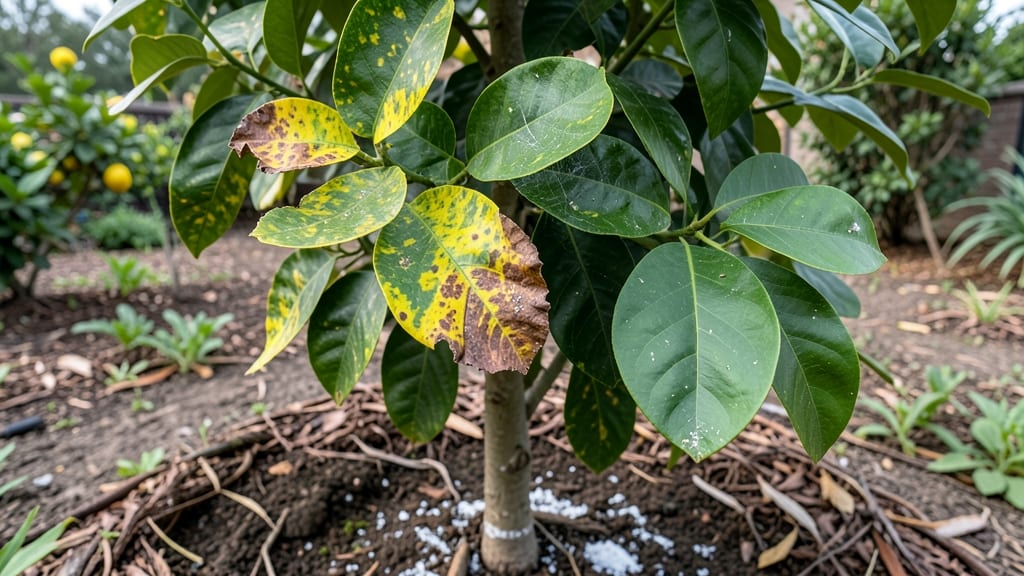
Citrus tree leaf problems send SOS signals through their foliage—yellowing, curling, or spotted leaves that scream "something's wrong." 🌿 I've spent years diagnosing these issues in my own grove, and the solutions are simpler than you'd think, starting with understanding what your tree is really trying to tell you.
The most common culprits are nutrient deficiencies (like iron or nitrogen), fungal infections from overwatering, or tiny pests like spider mites hiding on the undersides of leaves.
What looks like a hopeless case is often just a mismatch between what your tree needs and what it's getting—whether that's too much shade, not enough drainage, or a soil pH that's off.
With the right organic treatments—neem oil sprays, balanced fertilizers, or simple pruning to improve airflow—you can turn those distressed leaves around in just a few weeks. I've revived trees that looked ready for the compost pile using these exact methods, and the key is acting fast before the problem spreads.
This guide covers the most common issues, step-by-step fixes, and preventive care that keeps your citrus thriving year-round. No more guessing—just clear, actionable solutions that work for both backyard trees and container-grown varieties.
Root Causes Behind Leaf Woes
Understanding why your citrus tree’s leaves are acting up starts with identifying the underlying triggers. These issues rarely happen in isolation—they’re often a chain reaction of environmental stress, pest invasions, or nutritional imbalances.
Let’s break down the key culprits behind common citrus leaf problems, so you can address them at their source.
Fungi thrive in warm, humid conditions, making citrus trees—especially those in tropical or subtropical climates—prime targets. The most notorious offenders include:
- Citrus Canker (Xanthomonas citri) - Why it happens: This bacterial-like pathogen enters through wounds (pruning cuts, storms, or insect bites) and spreads via wind, rain, or contaminated tools.
High humidity (above 75%) and temperatures between 77–95°F (25–35°C) create the perfect breeding ground. - Red flags: Small, water-soaked lesions on leaves that turn yellow with a raised, greasy margin. Severe cases cause leaf drop and dieback.
- Melanose (Diaporthe citri) - Why it happens: A fungal disease favored by wet foliage and poor air circulation.
Spores overwinter in infected leaves or bark, then germinate when conditions are damp (e.g., after rain or overhead watering). - Red flags: Dark, sunken spots on leaves with a yellow halo. Leaves may curl or fall prematurely.
- Alternaria Leaf Spot (Alternaria alternata) - Why it happens: Thrives in hot, humid weather (80–90°F / 27–32°C) and on stressed trees.
It enters through stomata (leaf pores) or wounds, often after heavy nitrogen fertilization (which promotes lush, susceptible growth). - Red flags: Concentric rings or "target-like" spots with gray centers and dark borders.
Actionable fix: Improve airflow with proper spacing, avoid overhead watering, and remove infected leaves immediately (sterilize pruners with 10% bleach solution).
Pests don’t just nibble leaves—they inject toxins, spread diseases, and weaken trees by siphoning nutrients. Here’s how they sabotage your citrus:
- Scale Insects (e.g., Citrus Scale or Black Scale) - Why it happens: These sap-sucking pests secrete honeydew, a sticky substance that fosters sooty mold (a black fungal growth).
Scale thrives in dry, hot conditions and multiplies rapidly on stressed trees. - Red flags: Sticky residue on leaves, black sooty mold, and yellowing leaves. Check undersides of leaves for small, armored bumps.
- Citrus Leafminers (Phyllocnistis citrella)
- Red flags: White, winding trails on leaves that eventually turn brown and brittle.
They pierce cells to feed, causing stippling (tiny white/yellow dots) and leaf drop. - Red flags: Fine webbing on undersides of leaves and a "bronzed" appearance.
Actionable fix: Blast pests off with a strong water spray (early morning), introduce beneficial predators (ladybugs, lacewings), or use neem oil (follow label rates).
Citrus trees are heavy feeders, and deficiencies show up fast in leaves—often as discoloration or abnormal growth. Here’s what’s missing when leaves misbehave:
| Symptom | Likely Deficiency | Why It Happens |
|---|---|---|
| Yellowing between veins (chlorosis) | Iron (Fe) | Overly alkaline soil (pH > 7.0) locks out iron, even if it’s present. Citrus needs acidic to slightly acidic soil (pH 6.0–7.0). |
| Yellowing at leaf edges | Nitrogen (N) | Poor soil, over-pruning, or leaching (common in sandy soils) depletes nitrogen. |
| Purple or red leaves | Phosphorus (P) | Cold soil temps or compacted roots restrict phosphorus uptake. |
| Small, dark green leaves | Magnesium (Mg) | Acidic soil or excessive potassium crowds out magnesium. |
| Leaf curling or cupping | Zinc (Zn) or Manganese (Mn) | Often tied to high soil pH or over-fertilization with phosphorus. |
Actionable fix:
- For iron/chlorosis: Apply chelated iron (e.g., Ironite) or sulfur to lower pH.
- For nitrogen: Use compost, fish emulsion, or slow-release organic fertilizer (like alfalfa meal).
- For micronutrients: Foliar spray with Epsom salt (magnesium) or manganese sulfate.
Citrus trees are resilient, but push them too far, and leaves scream for help. Common triggers:
- Overwatering or Poor Drainage
- Red flags: Yellowing leaves, wilting despite wet soil, or mushrooms at the base.
- Why it happens: Drought forces trees to conserve water by dropping leaves, while extreme heat (above 100°F / 38°C) causes sunburn (brown, crispy patches).
- Red flags: Dry, brittle leaves, leaf scorch, or premature drop.
- Why it happens: Citrus is tropical—temperatures below 28°F (-2°C) damage cell membranes, causing blackened, mushy leaves. Even light freezes (32–36°F / 0–2°C) can stunt growth.
- Red flags: Dark, waterlogged-looking leaves or dieback on young shoots.
Actionable fix:
- Drainage: Amend soil with compost or perlite; raise trees on mounds in heavy clay.
- Watering: Stick your finger 2 inches into soil—water if dry. Drip irrigation > overhead sprinklers.
- Protection: Use frost cloth or row covers for young trees; mulch (straw or wood chips) insulates roots.
Mistakes with fertilizers, pesticides, or even tap water can turn leaves into crispy confetti. Here’s how:
- Over-Fertilization (Salt Burn)
- Why it happens: Excess synthetic fertilizers (especially high in nitrogen) or tap water with high chloride/sodium builds up salts in the root zone, osmotic stress occurs, and leaves can’t absorb water.
- Red flags: Brown, curled leaf edges (like "scorched"), stunted growth.
- Pesticide/Pesticide Drift
- Why it happens: Systemic herbicides (e.g., glyphosate) or copper-based fungicides (used for citrus canker) can drift or be overapplied, causing leaf burn.
- Red flags: Bleached or necrotic patches on leaves.
Actionable fix:
- Flush soil with water if salt buildup is suspected.
- Use organic fertilizers (like worm castings) or slow-release options.
- Spot-treat with pesticides; avoid windy days.
Pro Tip: 💡 Keep a "leaf journal"—note symptoms, weather, and treatments. Patterns (e.g., problems after rain or fertilizer) reveal the root cause faster than guesswork!
Quick Fixes for Citrus Tree Leaf Woes
Revive your citrus tree with these targeted, organic solutions—no harsh chemicals needed! Below, we map common leaf issues to their fixes, plus prevention tips to keep your tree thriving. 🌿💚
H3: 🔥 Step 1: Diagnose the Root Cause Yellowing leaves could mean your citrus tree is hungry or drowning. Check the soil:
- Upper leaves yellow? → Likely a nitrogen deficiency (common in fast-growing trees).
- Lower leaves yellow first? → Possible iron or zinc deficiency (micronutrient lack).
- Entire leaf yellows with brown edges? → Overwatering or poor drainage.
H3: 🍳 Step 2: Feed with Organic Fertilizers For nutrient deficiencies, use these organic boosts:
- Nitrogen (for green growth): Mix 1 tbsp fish emulsion or alfalfa meal per gallon of water. Apply every 4–6 weeks in spring/summer.
- Micronutrients (iron/zinc): Sprinkle chelated iron granules around the root zone or use Epsom salt (1 tbsp per gallon) for magnesium/sulfur support.
- Slow-release option: Top-dress with composted manure or worm castings in early spring.
H3: 💡 Pro Tip: Test your soil (pH 6.0–7.0 is ideal for citrus). If it’s too alkaline, add sulfur to acidify it gradually.
H3: 🌡️ Step 3: Adjust Watering Habits If overwatering is the issue:
- Let the top 2–3 inches of soil dry before watering.
- Improve drainage by amending soil with perlite or coarse sand.
- Water deeply but less often—citrus trees hate soggy roots!
H3: 🔥 Step 1: Check Soil Moisture Stick your finger 2 inches into the soil:
- Dry? → Your tree needs more water (but avoid flooding).
- Salty crust on soil? → Salt buildup from tap water or fertilizers.
H3: 🍳 Step 2: Flush the Soil If salt is the culprit:
- Water deeply for 10–15 minutes to leach out salts.
- Repeat weekly until soil feels less gritty.
- Use rainwater or filtered water moving forward to prevent recurrence.
H3: ⏰ Step 3: Mulch for Moisture Retention Spread 2–3 inches of organic mulch (straw, wood chips) around the base (keep it 6 inches away from the trunk). This:
- Retains moisture.
- Regulates soil temperature.
- Reduces evaporation.
H3: 🔪 Step 1: Identify the Culprit Common citrus leaf pests:
- Citrus leaf miners (tiny white worms → serpentine trails).
- Aphids (sticky residue, curled leaves).
- Scale insects (brown bumps on stems/leaves).
H3: 🍳 Step 2: Organic Pest Control
- Neem oil spray (1 tbsp neem oil + 1 tsp mild soap per quart of water). Spray both sides of leaves every 5–7 days until pests vanish.
- Horticultural oil (for scale insects—apply in early morning/evening to avoid burning leaves).
- Beneficial insects: Release ladybugs or lacewings to eat aphids naturally.
H3: 💡 Pro Tip: Prune and destroy heavily infested leaves to stop the spread. Drop them in a sealed bag (not compost).
H3: 🔥 Step 1: Provide Shade & Hydration If leaves are soft, wilted, or blackened:
- Move potted citrus to partial shade (especially in 90°F+ temps).
- Mist leaves lightly in extreme heat (but avoid soggy soil).
- Water at the base (not overhead) to prevent fungal spores from splashing up.
H3: 🍳 Step 2: Treat Fungal Issues If wilting + yellow spots or powdery white growth:
- Prune affected branches immediately.
- Spray with baking soda solution (1 tbsp baking soda + 1 tsp oil + 1 gallon water) weekly until symptoms fade.
- Improve air circulation by thinning dense foliage.
H3: ✨ Prevention Checklist ✅ Water consistently (don’t let soil dry out completely). ✅ Avoid overhead watering at night. ✅ Space trees 6–10 feet apart for airflow. ✅ Clean up fallen leaves to reduce fungal spores.
🎯 Final Reminder: Most citrus leaf problems are preventable with proper care! Monitor your tree weekly, and act fast at the first sign of trouble. 🌱 A healthy citrus tree rewards you with years of sweet fruit—so don’t let small issues become big headaches!
Frequently asked questions about citrus tree leaf problems
Why are my citrus leaves turning yellow between the veins?
This classic symptom usually signals an iron deficiency (chlorosis), especially if your soil is alkaline (pH above 7.0). Citrus trees need acidic to slightly acidic soil (pH 6.0-7.0) to absorb iron. Try applying chelated iron or adding sulfur to lower the pH gradually. Yellowing between veins is different from edge-burn, which typically indicates nitrogen issues.
Can I use household vinegar to fix citrus leaf problems?
Vinegar can help lower soil pH for iron deficiencies, but use it carefully! Mix 1 cup white vinegar per gallon of water and apply sparingly to the soil (never directly on leaves). Test your soil first—if it's already acidic (below 6.0), vinegar could make the problem worse. A safer organic option is elemental sulfur, which acidifies soil more gradually.
What's the fastest way to tell if my citrus leaves have pests?
Flip leaves over and check for these telltale signs: tiny white worms (leaf miners), sticky residue (aphids), or fine webbing (spider mites). For scale insects, look for small, armored bumps on stems. Early morning is the best time to spot pests—they're sluggish when temperatures are cool. If you see these signs, neem oil spray is your fastest organic fix.
Will pruning help with citrus leaf problems?
Pruning improves air circulation, which prevents fungal diseases like melanose or alternaria. Remove 1/3 of the oldest, thickest branches to let sunlight penetrate, and always cut back to a healthy bud. Sterilize your pruners with 10% bleach solution between cuts to prevent spreading bacterial infections. Just avoid heavy pruning during fruiting seasons.
How often should I fertilize my citrus tree to prevent leaf problems?
Feed your citrus tree every 4-6 weeks during spring and summer with a balanced organic fertilizer (like 6-6-6 or 8-3-9 ratio). In fall and winter, reduce to every 8-12 weeks—citrus trees go semi-dormant in cooler months. Over-fertilizing causes salt buildup, which burns leaves. Always water thoroughly after applying fertilizer to prevent root damage.