
Pests and Diseases
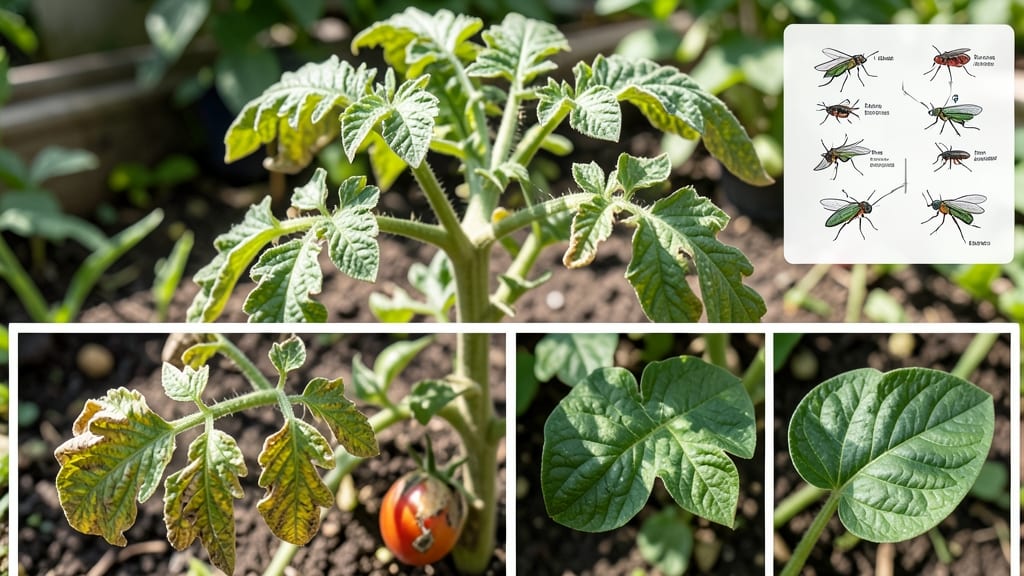
When your kale leaves start curling like a frozen scroll, curly leaf disease isn’t just ugly—it’s a productivity killer. 🌱 I’ve seen healthy plants go from crisp and vibrant to crinkled and stunted in weeks, and the worst part?
It jumps between plants faster than you can say "copper spray." The good news? This guide cuts through the guesswork so you can turn those sad, twisted leaves around before the whole garden follows suit.
Most cases stem from viruses (like cucumber mosaic) or spider mites hitching rides on wind or garden tools, but poor sanitation and stressed plants make things worse.
I’ve treated everything from heirloom tomatoes to pepper plants with the same approach—quarantine first, then spray with copper fungicide (organic option) or neem oil (for mites) while removing infected leaves. The key? Act fast—once the virus spreads, there’s no cure, just damage control.
You’ll start seeing improvement within 7-10 days if you catch it early: leaves unfurl, new growth stays smooth, and the plant regains its vigor. For prevention, rotate crops, sanitize tools, and plant resistant varieties like ‘Winterbor’ kale or ‘Defiant PhR’ tomatoes.
Copper spray isn’t just a treatment—it’s your first line of defense against future outbreaks.
This method works for tomatoes, peppers, cannabis, and even brassicas—just adjust the spray frequency based on humidity. The goal isn’t perfection; it’s stopping the spread so your garden stays productive. Let’s get those leaves back to their crisp, healthy selves.
Root Causes Of Leaf Distortion
Curly leaf disease in kale isn’t just an unsightly nuisance—it’s a complex interaction between environmental stress, microbial invaders, and plant physiology. Understanding the why behind the wavy, puckered leaves is the first step toward prevention and treatment.
Below, we break down the primary culprits behind this frustrating condition, from microscopic pathogens to weather-related triggers.
The most common culprit behind curly leaf disease is the **fungus *Cercospora beticola*** (also called Cercospora leaf spot), though other fungi like Alternaria can contribute. Here’s how it works:
- Spores in the Air 🌬️: Fungal spores lurk in soil, water, and even on neighboring plants. When conditions are right—warm, humid, and damp—they land on kale leaves and germinate. - Leaf Surface Invasion 🌱: The fungus penetrates the leaf epidermis, disrupting cell function.
Infected cells swell unevenly, causing the signature curling, puckering, and yellowing. - Nutrient Theft 🍃: The fungus saps nutrients from the plant, weakening its structure and making it more susceptible to secondary infections.
💡 Pro Tip: Fungal spores thrive in temperatures between 70–85°F (21–29°C) and high humidity (70%+). If your growing season aligns with these conditions, your kale is at high risk.
Viruses like Turnip Mosaic Virus (TuMV) or Cucumber Mosaic Virus (CMV) can also trigger curly leaf symptoms. Here’s how they hijack your kale:
- Aphid Vectors 🐜: These tiny sap-sucking insects transmit viruses from infected plants to healthy ones. A single aphid landing on your kale can introduce a viral payload. - Systemic Infection 🔄: Once inside, viruses replicate rapidly in plant cells, disrupting protein synthesis.
This causes stunted growth, distorted leaves, and mosaic patterns (light/dark green patches). - No Cure, Only Control ❌: Unlike fungi, viruses cannot be treated with sprays. Prevention (like removing infected plants and controlling aphids) is your best defense.
🔥 Warning: Viral infections often persist in plant debris, so rotate crops and sterilize tools to avoid reinfection.
Not all curly leaves mean disease—sometimes, environmental factors mimic symptoms. Here’s how heat, water, and light play a role:
| Stressor | How It Causes Curling | How to Fix It |
|---|---|---|
| Extreme Heat 🔥 | High temps (>90°F/32°C) cause protein denaturation, making leaves brittle and curled. | Provide shade cloth or drip irrigation to cool leaves. |
| Water Stress 💧 | Underwatering → Leaves curl inward to conserve moisture. Overwatering → Root rot weakens the plant, leading to distorted growth. | Water deeply but infrequently (1–1.5 inches per week). |
| Poor Drainage 🏞️ | Compacted or waterlogged soil starves roots of oxygen, causing stress signals to shoot upward. | Amend soil with compost or sand and ensure raised beds. |
| Nutrient Imbalance 🥬 | Too much nitrogen → Soft, weak leaves that curl. Deficiency in magnesium or calcium → Interveinal chlorosis (yellowing between veins). | Test soil and balance fertilizers (e.g., Epsom salt for magnesium). |
✨ Quick Fix: If environmental stress is the issue, adjusting care often reverses curling within 1–2 weeks.
Even the best-intentioned gardening habits can invite disease. Here’s how:
- Overcrowding 🏢: Dense plantings reduce airflow, trapping humidity and fungal spores near leaves.
- Poor Sanitation 🧹: Leaving infected plant debris in the soil or garden beds provides a fungal overwintering ground.
- Monocropping 🌾: Growing kale (or brassicas) in the same spot year after year exhausts soil and builds up pathogens.
🎯 Prevention Checklist: ✅ Space plants 12–18 inches apart for airflow. ✅ Rotate crops (avoid planting brassicas in the same bed for 3+ years). ✅ Remove and destroy infected leaves immediately (don’t compost them).
A healthy kale plant resists curly leaf disease better. When plants are stressed by:
- Pest damage (e.g., flea beetles, cabbage worms),
- Improper pH (brassicas prefer 6.0–7.0),
- Competition from weeds (stealing nutrients),
they become easy targets for pathogens.
💪 Boost Defenses With:
- Compost tea (beneficial microbes).
- Neem oil spray (prevents fungal spores from germinating).
- Balanced fertilizer (10-10-10 or organic options like fish emulsion).
Fixing Warped Kale Leaves Fast
Curly leaf disease—whether caused by pests, pathogens, or environmental stress—can turn your lush kale into a sad, twisted mess. But don’t toss those plants just yet! With the right approach, you can nurse them back to health and even prevent future outbreaks.
Below, we break down targeted fixes for each common cause, plus prevention tips to keep your kale thriving.
If tiny bugs like aphids, cabbage worms, or flea beetles are the culprits, act fast to stop the damage.
🐛 Step 1: Handpick or Blast Off Pests
- Morning routine: Check leaves for pests (especially undersides). Drop them into soapy water.
- High-pressure spray: Use a strong stream of water to dislodge aphids and cabbage worms.
Do this in the early morning or evening to avoid shocking the plants.
🍳 Step 2: Apply Organic or Chemical Sprays
| Pest | Solution | When to Apply |
|---|---|---|
| Aphids | Neem oil spray (1 tsp neem oil + 1 tsp dish soap + 1 quart water) | Every 5–7 days until gone |
| Cabbage worms | Bacillus thuringiensis (Bt) or pyrethrin spray | At dusk, repeat every 3–4 days |
| Flea beetles | Diatomaceous earth (DE) (sprinkle around base) or row covers | After watering, reapply after rain |
💡 Pro Tip: Rotate treatments to prevent resistance. If using chemical sprays, follow label instructions exactly—overuse can harm beneficial insects.
🌡️ Step 3: Introduce Natural Predators
- Ladybugs, lacewings, or parasitic wasps love aphids and cabbage worms. Buy them online or attract them with dill, fennel, or marigolds nearby.
If fungal infections (like downy mildew) or bacterial leaf curl are to blame, sanitation and copper-based sprays are your best tools.
🔪 Step 1: Prune & Dispose of Infected Leaves
- Cut off severely curled or spotted leaves with sterilized scissors (wipe with rubbing alcohol between cuts).
- Do NOT compost infected plant debris—bag and trash it to prevent spread.
🥘 Step 2: Spray with Copper Fungicide
- Mix: 1 tbsp copper sulfate or copper fungicide in 1 gallon of water.
- Apply: Spray evenly on both sides of leaves, focusing on undersides where spores hide.
- Frequency: Every 7–10 days until new growth is healthy.
💡 Pro Tip: Avoid copper sprays if your soil is already copper-rich (test first). Overuse can harm soil microbes.
✨ Step 3: Improve Airflow & Reduce Moisture
- Space plants 12–18 inches apart to prevent humidity buildup.
- Water at the base (not overhead) and avoid late-day watering to let leaves dry quickly.
Sometimes, stress from poor growing conditions causes curling. Fix these quickly to revive your kale.
☀️ Step 1: Optimize Sunlight
- Too much sun? Move plants to partial shade (especially in hot climates).
- Too little sun? Relocate to a sunnier spot (kale needs 4–6 hours of direct sun).
💪 Step 2: Test & Amend Soil
- pH check: Kale prefers 6.0–7.0. Test with a soil kit and adjust with lime (to raise pH) or sulfur (to lower pH).
- Nutrient boost: Add compost or balanced fertilizer (10-10-10) if leaves are yellowing (nitrogen deficiency).
💡 Pro Tip: Mulch with straw to retain moisture and regulate soil temperature—prevents stress-related curling.
Once your kale recovers, lock in those gains with these long-term strategies:
✅ Crop rotation: Plant kale in a different spot each year to break disease cycles. ✅ Resistant varieties: Choose hybrid kale like ‘Winterbor’ or ‘Lacinato’ (less prone to pests). ✅ Row covers: Use floating row covers early in the season to block pests before they arrive. ✅ Regular scouting: Check plants weekly for early signs of pests or disease. ✅ Healthy soil = healthy plants: Feed with compost tea or fish emulsion for strong immunity.
Final Thought: Most cases of curly leaf disease are reversible with the right mix of removal, treatment, and prevention. Start with the root cause, act quickly, and your kale will bounce back—stronger than ever! 🚀
Frequently asked questions about curly leaf disease
Is curly leaf disease contagious between plants?
Yes, it can spread quickly! Fungal spores or viral particles often hitch rides on wind, water, or even garden tools. If one plant shows symptoms, quarantine it immediately and disinfect tools with rubbing alcohol. Viral causes (like cucumber mosaic) spread faster than fungal ones—remove infected plants completely to prevent contamination.
Can I still harvest leaves from plants with curly leaf disease?
Only if the curling is mild and caused by environmental stress (like heat). For fungal or viral cases, avoid harvesting infected leaves—they may harbor pathogens. Focus on removing only the most severely affected parts to protect the rest of the plant. Always wash harvested leaves thoroughly before eating.
How do I tell if my plant has a virus or fungus causing the curling?
Check for these clues: Viruses often show mosaic patterns (light/dark green patches) or stunted growth, while fungi cause yellow spots or powdery mildew on leaf undersides. Fungal infections also spread faster in humid conditions. If unsure, test with a home soil/fungal test kit or consult a local extension office.
Will copper spray harm beneficial insects like bees?
Yes, copper sprays can be toxic to pollinators if applied during blooming periods. Apply only early morning or late evening when bees are less active, and avoid spraying flowers directly. For organic alternatives, try neem oil (less harmful) or introduce ladybugs to control pests naturally.
How long does it take to see improvement after treatment?
With proper care, you’ll typically see new, healthy leaves in 7–14 days. For fungal issues, copper sprays work fastest (3–5 days), while viral cases may take longer to stabilize. Monitor plants closely and adjust treatments if symptoms persist—sometimes secondary infections develop.