
Container Gardens
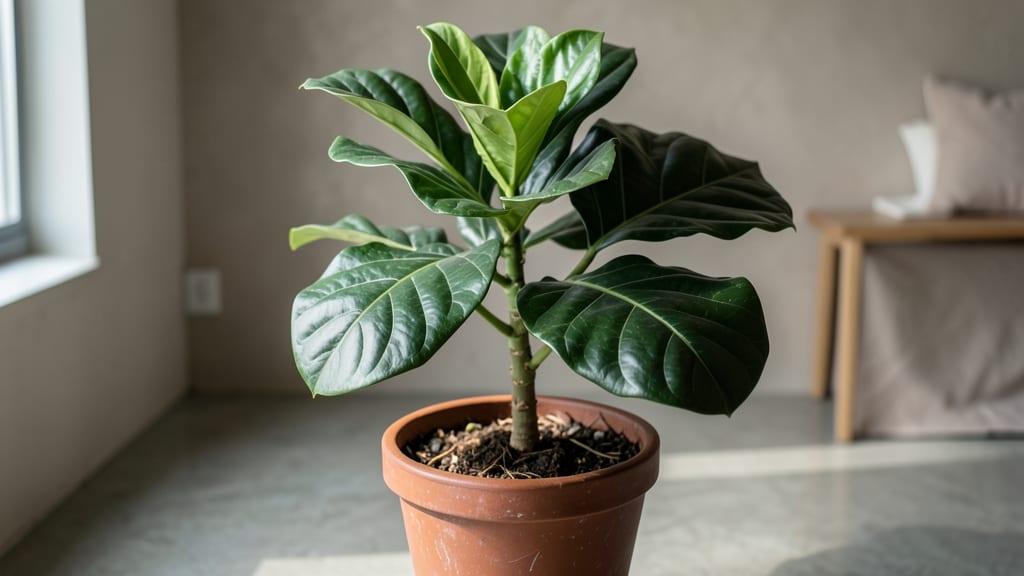
Growing a fiddle leaf fig indoors doesn't require perfect conditions—just the right adjustments. 🌿 I've nursed my own from droopy leaves to lush, 6-foot-tall statement pieces by focusing on three key factors: indirect light, consistent moisture, and humidity that mimics its jungle roots.
The biggest myth is that fiddle leaf figs need bright light all day. Mine thrives in my east-facing window where morning sun warms the leaves but afternoon light stays gentle.
Overwatering is the real enemy—wait until the top 2 inches of soil feel dry before watering again, and always use a pot with drainage holes.
With proper care, you'll see new growth within 4-6 weeks, and those iconic fiddle-shaped leaves will develop rich, velvety textures. The plant rewards patience with dramatic vertical growth and glossy foliage that brightens any room.
Even beginners can master this—it's all about observing your plant's signals. Drooping leaves mean it's thirsty or too dry; brown spots? Too much sun or fluoride in your water. I'll show you how to spot these cues and adjust before problems start.
📚 In This Guide
- What you need
- Instructions
- Tips and common mistakes
- Wrapping up and next steps
What you need
- ● Fiddle Leaf Fig Plant: 1 healthy specimen (choose a size that fits your space—small pots are great for beginners!).
- ● Pot: 1 well-draining ceramic, terracotta, or fabric pot (1–2 inches larger in diameter than the nursery pot). Pro tip: Ensure it has drainage holes!
- ● Well-Draining Soil: 1 bag (5–10 gallons) of high-quality potting mix for tropical plants (or a blend of 50% potting soil + 50% perlite/pumice for drainage).
- ○ Drainage Layer: 1–2 inches of gravel, pebbles, or perlite (optional but recommended for extra drainage).
- ● Watering Can: 1 with a narrow spout (to avoid overwatering).
- ○ Humidity Tray or Pebbles: 1 (optional but helpful for maintaining humidity in dry climates).
- ● Misting Bottle: 1 (for occasional leaf misting in low-humidity areas).
- ● Fertilizer: 1 bottle of balanced liquid fertilizer (e.g., 10-10-10 or 20-20-20, diluted to half-strength).
- ● Pruning Shears: 1 pair (for trimming dead or yellowing leaves).
- ○ Gloves (Optional): 1 pair (fiddle leaf figs can be sap-sensitive—wear them if you have sensitive skin!).
- ● Bright, Indirect Light: A spot near a north- or east-facing window (or under grow lights if natural light is limited).
- ● Stable Temperature: Keep your home between 60–75°F (15–24°C)—avoid drafts or cold windows!
- ● Patience: Fiddle leaf figs are slow to adjust—give it 2–4 weeks to acclimate to its new home.
- ● Consistency: Stick to a watering schedule (every 1–2 weeks, depending on soil dryness).
How to grow a thriving fiddle leaf fig indoors
Here's the simple, foolproof method I use to keep my fiddle leaf figs lush and healthy—even in low-light spaces.
🪴 Step 1: Choose the Right Pot and Soil
Start with a pot that has drainage holes—fiddle leaf figs hate soggy roots. I like terracotta because it breathes and helps prevent root rot, but any ceramic or plastic container with drainage works. The pot should be 2-3 inches wider than the root ball of your plant, giving it room to grow without being overwhelmed.
Use a well-draining potting mix designed for tropical plants. I blend one part perlite or pumice with three parts high-quality potting soil to improve aeration. This mix prevents compaction, which can suffocate roots and lead to yellowing leaves—a common beginner mistake.
☀️ Step 2: Position in the Best Light for Low-Light Success
Fiddle leaf figs thrive in bright, indirect light, but they can adapt to lower light conditions if given time. Place your plant near an east-facing window for gentle morning sun or a few feet back from a south-facing window. Avoid harsh direct sunlight, which can scorch leaves and cause brown spots.
If your space is truly dim, rotate the pot a quarter turn weekly so all sides get equal exposure. You'll notice new growth leaning toward the light—this is normal and just means your plant is stretching for more. Supplement with a grow light if natural light is insufficient, keeping it 12-18 inches away for 12-14 hours daily.
💧 Step 3: Water with Precision to Avoid Root Rot
Water your fiddle leaf fig only when the top 2-3 inches of soil feel dry to the touch. Stick your finger in the soil—if it's damp, wait a few more days. Overwatering is the #1 killer of fiddle leaf figs, so I always err on the side of underwatering. When you do water, soak the soil thoroughly until water runs out the drainage holes, then empty the saucer to prevent root rot.
Mist the leaves occasionally to mimic humidity, especially in dry indoor environments. I use a spray bottle with room-temperature water and mist in the morning so the leaves have time to dry before nightfall. Aim for 40-50% humidity—you'll know you're in the right range when leaves stay plump and green, not crispy or yellowing.
✂️ Step 4: Prune and Clean for Long-Term Health
Prune your fiddle leaf fig in early spring to encourage bushier growth. Use clean, sharp pruning shears to cut just above a leaf node (the bump where leaves grow). This encourages new branches to form, giving your plant a fuller look. Don't worry about cutting off healthy leaves—your plant will recover and grow even more vibrant foliage.
Wipe the leaves with a damp cloth every few weeks to remove dust, which can block light absorption. I do this while watering so it becomes part of my routine. Avoid harsh leaf shine sprays—they can clog pores and harm the plant. A simple damp cloth keeps leaves clean and helps your plant photosynthesize efficiently.
🌿 Step 5: Feed and Monitor for Pests
Fertilize your fiddle leaf fig every 4-6 weeks during spring and summer with a balanced, water-soluble fertilizer diluted to half strength. I use a 20-20-20 formula because it gives my plant all the nutrients it needs without overwhelming it. Stop fertilizing in fall and winter when growth slows naturally.
Check the undersides of leaves regularly for pests like spider mites or mealybugs. I shine a flashlight on the leaves weekly—pests love to hide in the crevices. If you spot any, treat with a mild insecticidal soap or neem oil spray. Act fast, because these pests can spread quickly and weaken your plant.
Tips & tricks for perfect fiddle leaf fig care
Here's what nobody tells you about keeping your fiddle leaf fig happy in less-than-ideal lighting.
Light Adaptation Strategy: If your fiddle leaf fig starts stretching toward the light (a condition called etiolation), it's not too late to fix it. Move it to a slightly brighter spot gradually—sudden changes can shock the plant. For truly dim spaces, invest in a LED grow light on a timer for those 12-14 hours daily mentioned in Step 2. I've seen plants recover beautifully with just 6 hours of supplemental light per day, but consistency is key.
Soil Science: The one part perlite to three parts soil ratio in Step 1 isn't just about drainage—it's about creating an airy environment for roots to breathe. After repotting, gently press the soil mix around the roots to eliminate air pockets, but don't compact it. Think of it like fluffing a pillow: just enough to support, not so much it loses its shape. This prevents waterlogging while still keeping roots anchored.
Watering Wisdom: The "top 2-3 inches dry" rule in Step 3 is your best friend, but here's the secret: use your finger to check soil moisture at different depths. The top inch might feel dry while deeper soil stays moist—this is normal! Water until you see it flowing from the drainage holes, then wait until that water evaporates before adding more. I've learned this the hard way after watching roots rot from overzealous watering.
Pruning Payoff: When pruning in Step 4, don't toss those cuttings! Place them in water with just the bottom node submerged—you'll be surprised how many grow roots within weeks. I've propagated three new fiddle leaf figs this way, and they make fantastic gifts. Just be patient; new growth takes about 6-8 weeks to appear.
Pro Tips for Fiddle Leaf Fig For Indoors
- Here's what nobody tells you about keeping your fiddle leaf fig happy in less-than-ideal lighting.
- Light Adaptation Strategy: If your fiddle leaf fig starts stretching toward the light (a condition called etiolation), it's not too late to fix it.
- Soil Science: The one part perlite to three parts soil ratio in Step 1 isn't just about drainage—it's about creating an airy environment for roots to breathe.
Frequently asked questions
Got questions?
Whether you're a new plant parent or just curious about keeping a Ficus lyrata happy indoors, here are answers to the most common queries!
How much light does a fiddle leaf fig really need indoors?
A fiddle leaf fig thrives in bright, indirect light—think east or north-facing windows. If it’s in low light, expect slow growth or leaf drop. Pro tip: Rotate the plant every few weeks for even exposure!
Why are my fiddle leaf fig leaves turning brown or crispy?
Brown edges or crispy leaves usually mean underwatering or overwatering. Check the soil—if it’s bone-dry, water deeply. If soggy, let it dry out before watering again. Bonus: Tap leaves to test turgidity (they should feel firm, not limp).
Can I revive a fiddle leaf fig with yellow leaves?
Yellow leaves often signal overwatering or poor drainage. Trim affected leaves and adjust care: water only when the top 2-3 inches of soil are dry, and ensure the pot has drainage holes. With consistent adjustments, new growth should bounce back!
What’s the best temperature range for indoor fiddle leaf figs?
Keep your fiddle leaf fig in 65–75°F (18–24°C) during the day and avoid drafts (like AC vents or heaters). Below 50°F (10°C), growth slows or stops—so cozy up that plant in winter!
Are there low-light alternatives to fiddle leaf figs?
If your space lacks bright light, try ZZ plants, snake plants, or pothos—they’re tougher and happier in dimmer corners. Fiddle leaf figs are stunning but not low-light champions!
Wrapping up and next steps
Growing a fiddle leaf fig indoors is totally doable—even in low-light spaces! 🌿 With the right care (bright, indirect light, occasional misting, and well-draining soil), you’ll watch it thrive and add a touch of tropical elegance to your home.
Remember, patience and consistency are key—your plant will reward you with lush, vibrant leaves over time.
Ready to take the next step? Start with a single plant and experiment with placement. Track its progress, adjust care as needed, and soon you’ll be a fiddle leaf fig whisperer! Happy planting! 🌱