
Plants
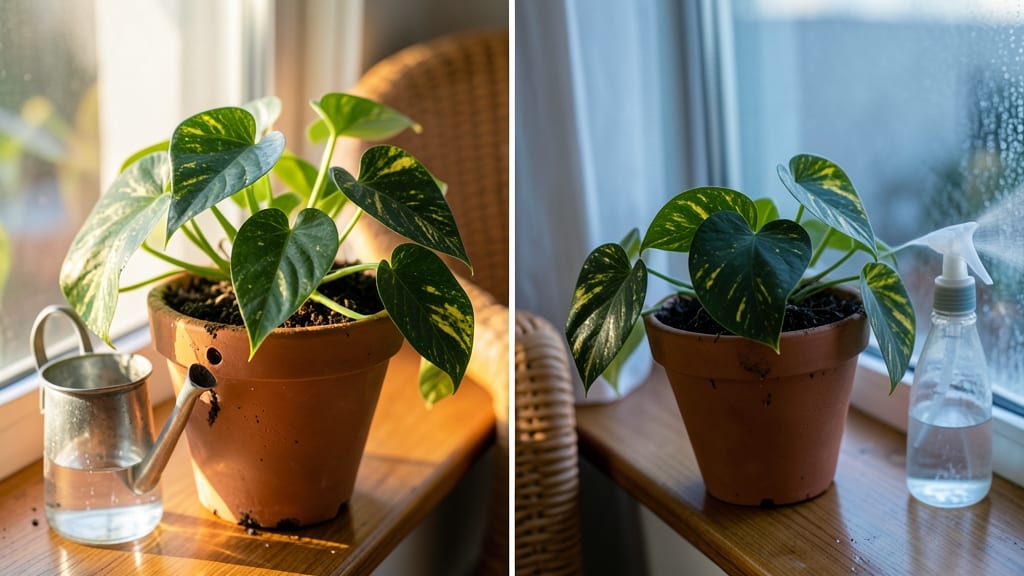
Want your five leaf plant to thrive with bold, vibrant foliage? These 10 expert-backed care tips reveal the secrets to faster growth, larger leaves, and healthier plants—whether you're a beginner or seasoned gardener.
Optimal Lighting Conditions for Maximum Leaf Growth
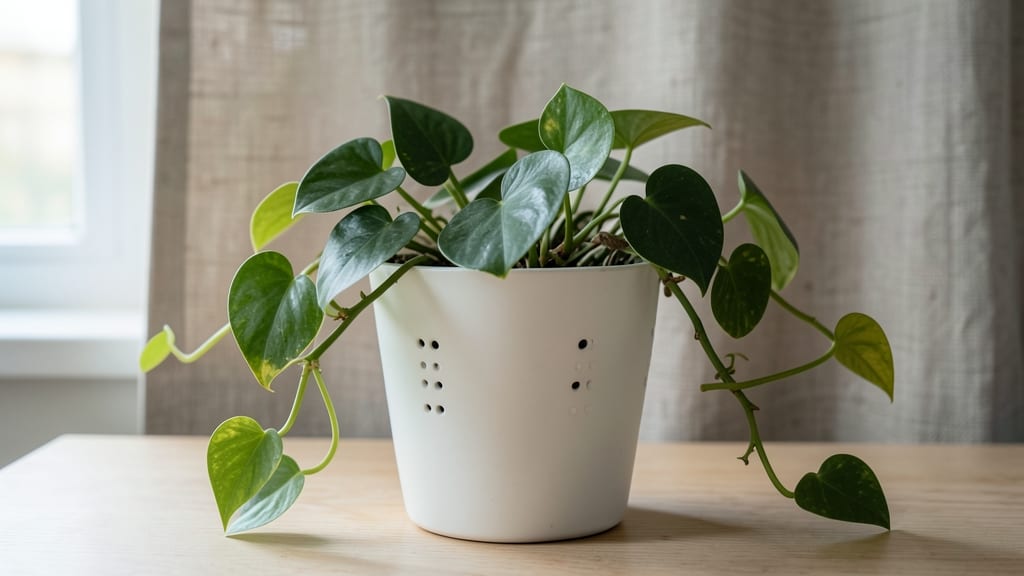
Struggling with small, pale leaves on your five leaf plant? The secret to lush, vibrant foliage lies in mastering bright, indirect light—the perfect balance for triggering chlorophyll production without risking sunburn. Most indoor growers unknowingly place their plants in either too much harsh sunlight or not enough light, both of which stunt leaf growth.
Place your plant within 3-6 feet of an east- or north-facing window where it receives 4-6 hours of filtered sunlight daily. If natural light is limited, supplement with a full-spectrum grow light for 12-14 hours per day. Watch as your plant responds with larger, darker leaves within weeks. Avoid south- or west-facing windows, as direct afternoon sun can scorch delicate leaves.
This lighting strategy is especially valuable for urban gardeners with small apartments or offices, where natural light is often inconsistent. With the right light exposure, you’ll transform leggy stems into a bushy, leafy masterpiece. 🌿
Perfect Watering Schedule to Prevent Leaf Shriveling
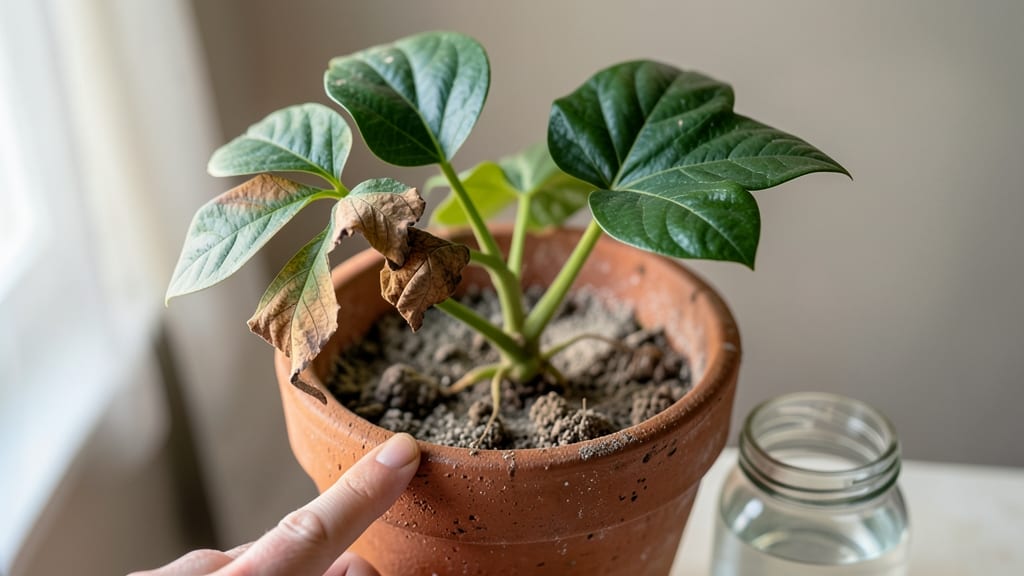
Struggling with five leaf plants that look wilted or crispy? The problem isn’t just how much you water—it’s when. A precise schedule prevents both soggy roots and thirsty leaves, keeping foliage plump and vibrant year-round.
Water your plant when the top 1-2 inches of soil feel dry to the touch (use your finger as a gauge). For potted plants, this typically means every 5-7 days in warm weather, but adjust for humidity—mist your leaves in dry climates to slow evaporation. Always water until excess drains from the bottom, then empty the saucer to avoid root rot. Overwatering causes yellowing leaves, while underwatering leads to shriveled edges.
This method works best for indoor growers with limited natural light, where moisture evaporates slower. Stick to this routine, and you’ll see leaves stay firm and glossy in no time. 💚
Best Soil Mix for Nutrient-Rich Five Leaf Growth
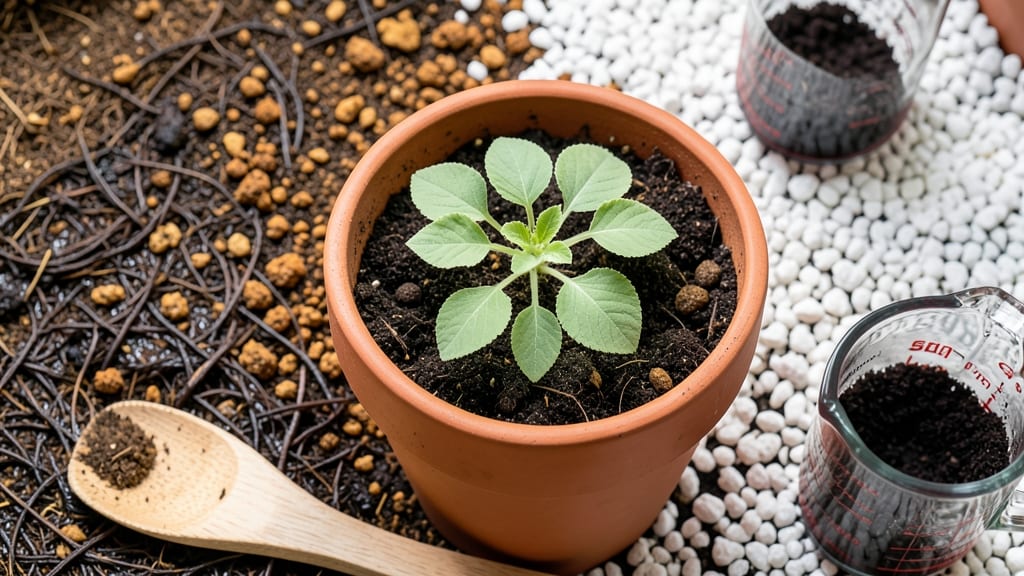
Stunted leaf growth? The secret lies in your soil—five leaf plants crave a light, airy mix that balances moisture retention with oxygen flow. A homemade blend of 50% peat or coconut coir, 30% compost, and 20% perlite creates the perfect foundation for rapid expansion.
This well-draining combination prevents root rot while delivering steady nutrients. For potted plants, add a handful of worm castings to boost microbial activity. In garden beds, mix in sand to improve aeration. The key is avoiding compacted soil—five leaf plants wilt when roots suffocate, but thrive when their roots can breathe and spread.
Urban gardeners with limited space will love this mix—it works equally well in containers or raised beds. The perlite keeps roots from sitting in soggy soil, while compost ensures leaves stay lush and dark. Give your plants this foundation, and watch those leaves grow bigger in weeks! 🌿
How to Fertilize for Larger, Darker Leaves
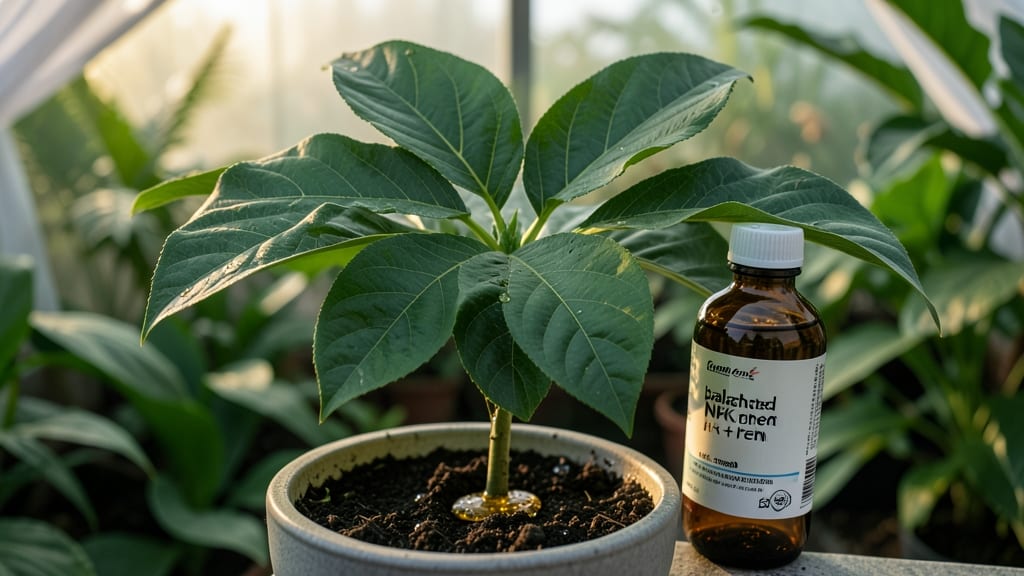
Want leaves that look like they belong in a botanical garden? A balanced liquid fertilizer rich in iron and nitrogen is the secret weapon for transforming your five-leaf plant’s foliage into lush, deep-green powerhouses.
Apply a diluted liquid fertilizer (half-strength) every 4-6 weeks during spring and summer—when your plant is in its active growing phase. Look for formulas with iron chelate to prevent yellowing between veins (a classic sign of deficiency) while nitrogen fuels rapid leaf expansion. For container plants, mix fertilizer into water and apply at the soil line to avoid leaf burn.
This approach works wonders for both potato plants and Potentilla varieties, giving gardeners with limited space a quick way to boost leaf size without heavy pruning. Just remember: less is more—over-fertilizing can scorch roots and dull that vibrant green. 💚
Pruning Techniques to Encourage Bushier Growth
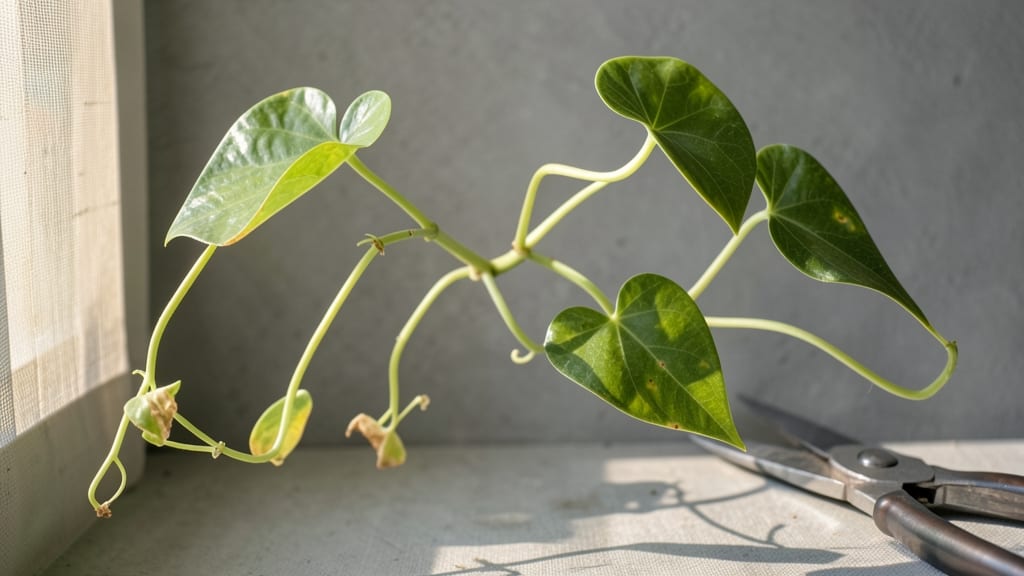
Notice how your five leaf plant stretches toward the light but produces sparse, weak foliage? The fix isn’t more fertilizer—it’s strategic pruning to redirect energy where you want it. By trimming leggy stems just above leaf nodes, you trigger bushier growth while maintaining the plant’s overall size.
Start by removing yellowed or damaged leaves first—they drain energy. Then, cut back overgrown stems by one-third, always at a 45-degree angle to prevent water pooling. For potato plants or Potentilla, focus on the topmost leaves to encourage lateral branching. Prune in early spring for best results, but avoid heavy cuts in late summer, which may stunt fall growth. This method works wonders for both indoor containers and garden beds. 🌿
Humidity Hacks for Glossy, Juicy Leaves
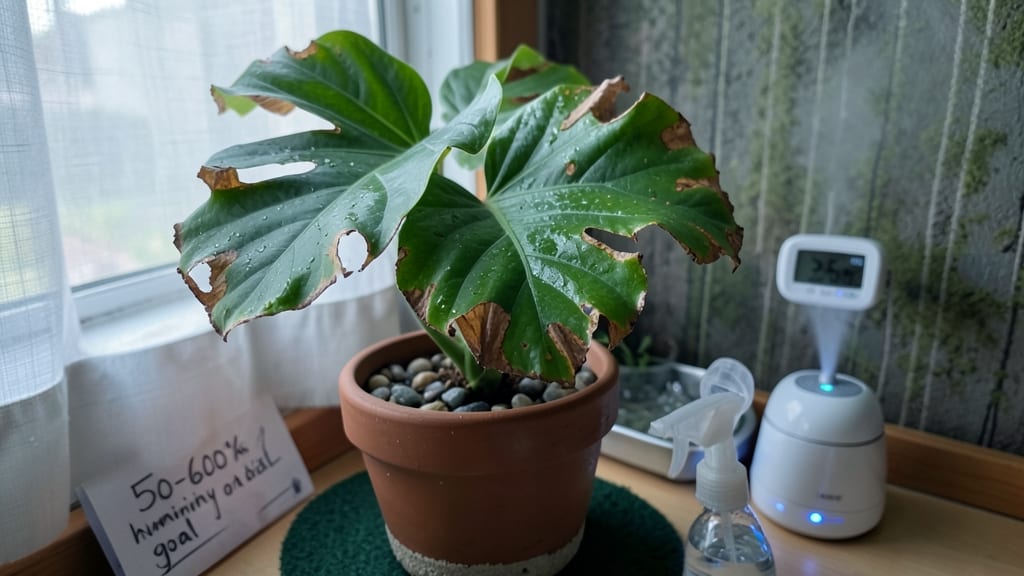
Notice how some five leaf plants develop dull, crispy edges? That’s often a sign they’re craving more humidity—just like their tropical ancestors. Recreating a 50-60% humidity environment at home is easier than you think, and it transforms wilted leaves into glossy, juicy masterpieces.
Start with a pebble tray: Fill a shallow tray with water and smooth pebbles, then place your plant pot on top. The evaporating water creates a natural mist around the leaves. For a quicker fix, mist leaves daily with room-temperature water—especially in winter when indoor air gets dry. Grouping plants together also works, as they release moisture into the air. Avoid over-misting, though, as soggy leaves attract fungus.
This trick is a game-changer for urban gardeners with dry indoor air or small spaces. Within weeks, you’ll see leaves regain their lush texture and vibrant color—proof that a little moisture goes a long way. ✨
Temperature and Airflow for Year-Round Growth
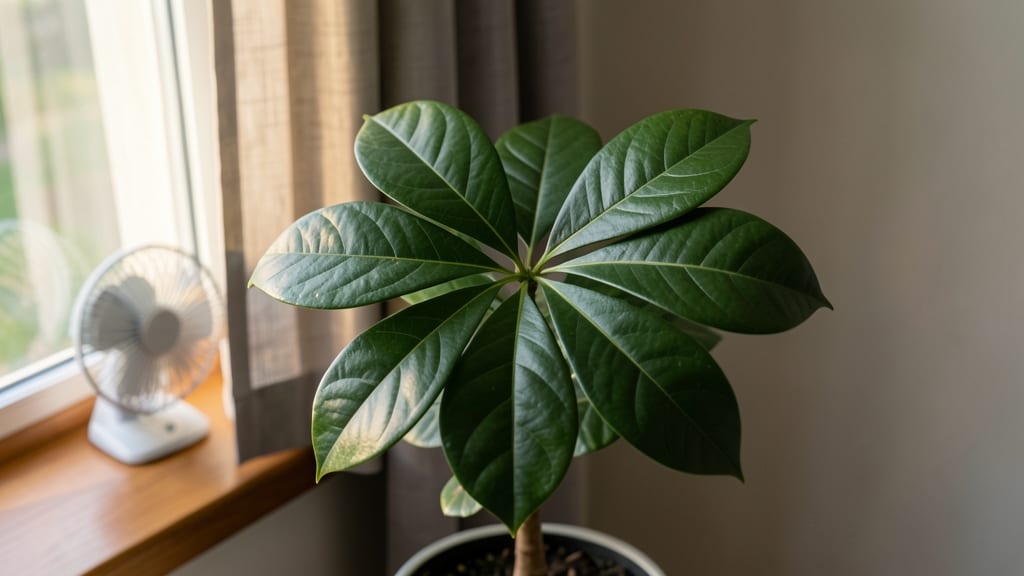
Struggling to keep your five leaf plant thriving year-round? The secret lies in creating a stable climate—65-75°F temperatures and gentle airflow are non-negotiable for preventing pests and promoting even leaf growth.
Place your plant near an open window or use a small fan on low to mimic natural breezes, which strengthen stems and deter spider mites. Avoid drafts from AC vents or heaters, as sudden temperature swings stress the plant. For indoor-outdoor transitions, acclimate gradually over 1-2 weeks to prevent shock.
This approach is especially helpful for urban gardeners or those with limited outdoor space, ensuring your plant stays lush and pest-free without complicated setups. 🌿
Natural Pest Control to Protect Leaf Health
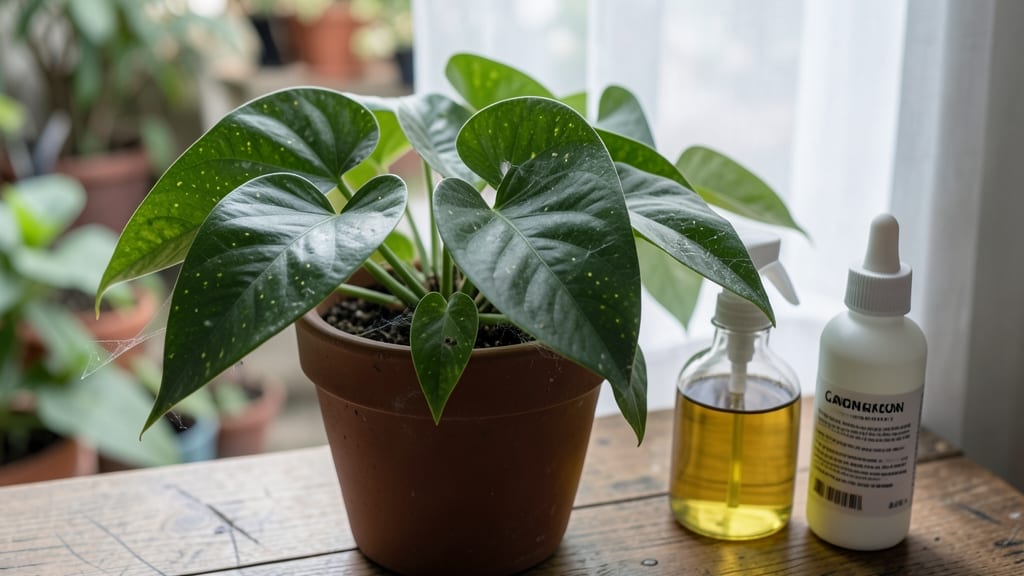
If your five-leaf plant’s leaves are looking dull or speckled, pests like spider mites might be the culprit—but you don’t need harsh chemicals to fight back. Neem oil and insecticidal soap are two powerhouse, plant-safe solutions that smother pests while keeping your foliage lush and intact.
Mix 1 teaspoon of neem oil with 1 quart of water and a drop of dish soap (to help it stick), then spray leaves thoroughly every 7–10 days during outbreaks. For insecticidal soap, use a pre-mixed formula and apply directly to infested areas—both work best in warm, dry conditions when pests are most active. These treatments are gentle enough for indoor plants but strong enough to deter mites, aphids, and whiteflies.
This method is ideal for gardeners who prioritize chemical-free care and want to protect their plant’s delicate leaves without harming pets or kids. A little prevention now keeps your five-leaf plant thriving. 💚
Repotting Guide for Faster Leaf Expansion
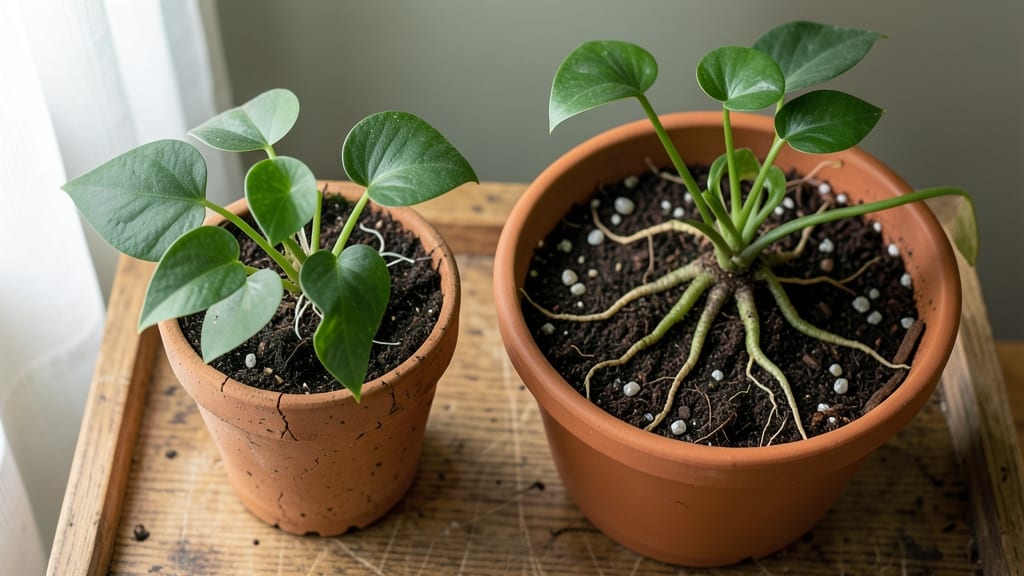
Notice your five leaf plant’s growth slowing down? Root-bound stress stunts leaf expansion—but this simple repotting refresh can reignite vigorous growth in just weeks. The key is timing and technique to avoid transplant shock while unlocking new root space for larger foliage.
Start by choosing a pot 2-3 inches wider than the current one, with drainage holes. Gently remove the plant, then tease apart circular roots at the base with your fingers—this encourages outward growth. Refresh with a light, airy potting mix (50% peat, 30% perlite, 20% compost) and water thoroughly. Prune 10-15% of the top growth to balance the plant’s energy. Repeat every 2-3 years during spring’s active growth phase.
This method works wonders for container-grown plants like Boston ferns or potato plants, giving them the space to develop those lush, five-leafed wonders you’re after. 🌱
Seasonal Care Adjustments for Year-Long Growth

Keeping your five leaf plant thriving year-round means adapting care to seasonal shifts—because what works in summer may harm it in winter. The key is matching your routine to the plant’s natural rhythm, ensuring continuous leaf development without stress.
In summer, when growth is active, water deeply every 3-4 days and fertilize monthly with a balanced liquid feed. Move plants to bright, indirect light (like an east-facing window) to prevent leaf scorch. As temperatures drop in fall, reduce watering to every 7-10 days and cut back on fertilizer. During winter dormancy, place your plant near a south-facing window for gentle light and water sparingly—only when the top 1 inch of soil feels dry.
This seasonal approach works best for indoor gardeners juggling limited space and light. By syncing care with nature’s cycles, you’ll avoid stunted growth and keep those signature leaves lush all year. ✨