
Pests and Diseases
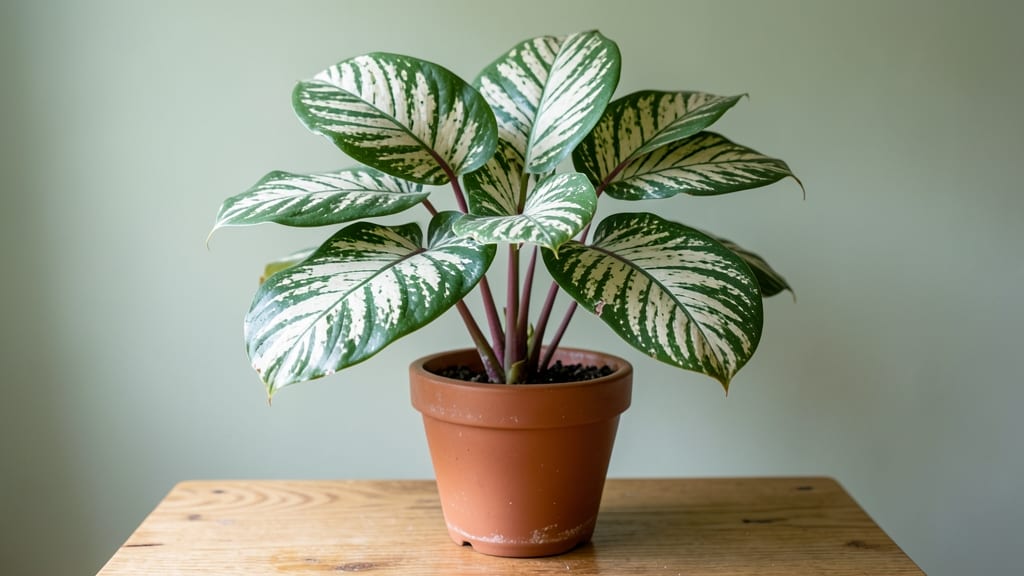
Five leaf vine poison (Aristolochia macrophylla) contains toxic compounds called aristolochic acids that cause severe nausea, vomiting, and kidney damage if ingested or handled improperly. All plant parts are hazardous, and symptoms may appear within hours of exposure.
This aggressive vine, often mistaken for harmless ornamental plants, poses serious health risks due to its potent aristolochic acids. 🌿 These compounds don't just trigger immediate digestive distress—they can cause long-term kidney damage and even increase cancer risks with prolonged exposure.
What's alarming is how quickly symptoms appear, sometimes within hours of contact, making proper identification and handling absolutely critical for gardeners and wildlife enthusiasts alike.
Even brief skin contact or accidental ingestion of leaves, stems, or roots can lead to severe reactions. The plant's attractive foliage makes it particularly dangerous when growing near children's play areas or common garden paths.
Always wear protective gloves and masks when dealing with suspicious vines, and never compost plant material that might contain this toxin.
💡 In This Article
- Toxic Compounds in Five Leaf Vine and How They Affect Humans
- Safe Removal and Disposal of Five Leaf Vine from Gardens
Toxic compounds in five leaf vine and how they affect humans
The five leaf vine's danger lies in its aristolochic acids (AA), specifically types I and II, which act like chemical time bombs in your body. These compounds are naturally occurring carcinogens that interfere with DNA repair mechanisms, causing mutations that can lead to cancer over time.
Type I is particularly potent, found in higher concentrations in the roots and leaves, while type II is more common in the stems. When ingested, even small amounts—like a single leaf—can trigger severe reactions because these acids disrupt cellular processes at a molecular level.
What makes these toxins so insidious is their dual mechanism of action. First, they cause acute poisoning by damaging organs like the kidneys and liver within hours. You might experience symptoms like violent vomiting, abdominal cramps, and diarrhea as your body tries to expel the toxins.
Second, they trigger chronic toxicity by promoting oxidative stress and inflammation, which can lead to kidney failure or even certain cancers (like renal pelvic carcinoma) after prolonged exposure.
The kidneys are especially vulnerable because they filter these acids from the bloodstream, concentrating them in the urine where they cause direct tissue damage.
Skin contact isn't harmless either. The sap contains enough aristolochic acids to cause dermatitis—red, itchy rashes that develop within 24 hours of exposure. Inhaling crushed leaves or stems releases microscopic particles that can irritate your respiratory system, leading to coughing, wheezing, or even pulmonary edema in severe cases.
This is why gardeners often mistake the vine for harmless ivy or Virginia creeper, only to regret it when symptoms appear. The plant's attractive, heart-shaped leaves with five distinct lobes make it particularly deceptive in landscaping.
Here's what happens in your body when you come into contact with these toxins:
- Ingestion: Aristolochic acids are rapidly absorbed in the digestive tract, reaching peak concentrations in your bloodstream within 30-60 minutes. They then bind to DNA, causing mutations that can trigger cancer years later.
- Skin Contact: The acids penetrate through microscopic cuts or sweat glands, leading to localized inflammation and blistering within 12-48 hours. Prolonged exposure increases the risk of skin cancer.
- Inhalation: Particles smaller than 10 micrometers can reach your lungs, causing inflammation similar to chemical pneumonitis. Chronic exposure may lead to respiratory tract cancers.
The most alarming aspect is how low the toxic dose can be. Studies show that consuming just 0.1 milligrams of aristolochic acid I per kilogram of body weight can cause acute poisoning in adults.
For a 150-pound person, that's roughly the amount found in two teaspoons of crushed leaves. This makes the five leaf vine one of the most dangerous plants you might encounter in your garden, rivaling even poison hemlock in its toxicity.
What most people don't realize is that the effects aren't always immediate. While acute symptoms like vomiting or rash appear quickly, the long-term risks—like kidney disease or cancer—can develop years after exposure.
This delayed onset is why even brief contact should be treated with extreme caution. If you suspect exposure, seek medical attention immediately, even if symptoms seem mild at first. 💥