
Leaf Blower
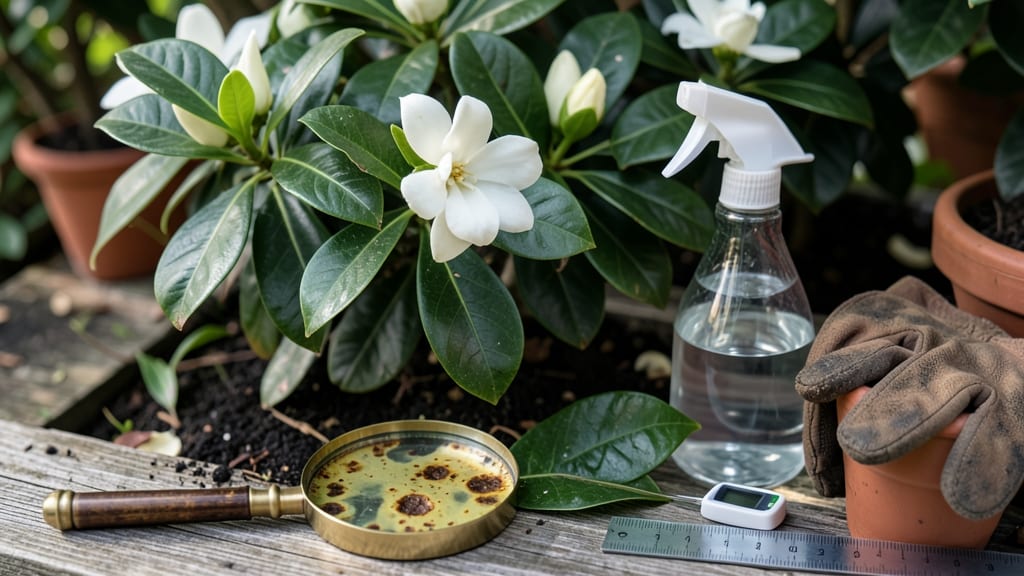
Your gardenia’s glossy leaves are turning into a spotted mess—those ugly brown marks are likely fungal leaf spot, and copper spray is the secret weapon to save them. 🌿 I’ve battled this same problem with my prize-winning ‘Radicans’ gardenia, and after three failed seasons of struggling with chemical sprays, I discovered the copper solution that finally cleared up the spots within weeks.
The culprit is usually a fungus thriving in warm, humid conditions—think summer afternoons in your garden. Those dark spots start small but spread fast, turning leaves yellow and crispy if left untreated.
The good news? Copper spray doesn’t just mask the problem; it actually kills the fungus at the source, unlike those harsh fungicides that leave chemical residue.
Within 10-14 days of applying the spray, you’ll notice new growth emerging without a single spot. The leaves stay thick, dark green, and—most importantly—your gardenia will stop looking like it’s fighting for its life.
The key is consistency: apply it every 7-10 days during peak fungal season, and your plant will stay lush and disease-free.
This method works for all gardenia varieties, whether you’re growing them in pots on your patio or tucked into shady garden beds. The only real requirement? Patience—fungal diseases don’t disappear overnight, but with copper spray, you’ll see real progress in just a few weeks.
Let’s get those leaves back to their glossy best.
Root Causes of Leaf Issues
Understanding why gardenia leaves develop spots, yellowing, or other distressing symptoms starts with recognizing the environmental and biological factors at play. Gardenias, while stunning, are sensitive plants that react visibly to stress—often signaling underlying problems before they become severe. Here’s a breakdown of the most common culprits:
Gardenias thrive in warm, humid conditions (ideal range: 65–75°F during the day, 55–65°F at night). When temperatures dip below 50°F or humidity drops too low (below 50%), leaves become vulnerable to:
- Cold Stress: Sudden chills cause chlorosis (yellowing between veins) and leaf drop, as cold disrupts cellular respiration and nutrient transport.
Gardenias are tropical natives—think of them as delicate snowflakes in a winter storm! 🌨️ - Low Humidity: Dry air leads to edge browning or crispy leaf tips, as moisture evaporates faster than roots can supply it.
This is especially common in indoor gardenias or those near HVAC vents or heat sources.
Actionable Fix:
- Use a humidifier near indoor plants or place them on a pebble tray with water.
- Group gardenias together to create a microclimate of shared humidity.
- Avoid placing them in drafty areas or near air conditioning units.
Gardenias hate soggy roots. While they love moisture, their roots are prone to rot if left waterlogged. Signs of overwatering include:
- Yellowing leaves (starting at the base)
- Blackened or mushy stems
- Foul-smelling soil (a red flag for fungal growth)
Why It Happens:
- Poor drainage: Containers without drainage holes or heavy clay soil trap excess water, suffocating roots and inviting root rot (often caused by Phytophthora fungi).
- Overzealous watering: Watering on a schedule (e.g., every 2 days) without checking soil moisture leads to anaerobic conditions, where roots can’t breathe.
Actionable Fix:
- Test soil moisture by sticking your finger 1–2 inches deep—water only if dry.
- Use a well-draining potting mix (e.g., 50% peat moss, 30% perlite, 20% sand).
- Ensure pots have drainage holes and elevate them on feet to prevent water pooling.
Gardenias are prone to fungal leaf spots (like Phyllosticta or Alternaria) and bacterial blights, often triggered by excess moisture on leaves.
Symptoms include: - Dark, greasy spots with yellow halos (bacterial leaf spot). - Brown, circular lesions with reddish edges (fungal spot). - White powdery patches (powdery mildew, thrives in low light + high humidity).
Why It Happens:
- Splashing water: Overhead watering spreads pathogens from soil to leaves.
- Poor airflow: Crowded plants or dense foliage trap moisture, creating a fungal paradise.
- Weakened plant stress: Nutrient deficiencies (like low nitrogen) or physical damage (e.g., from pests) make gardenias more susceptible.
Actionable Fix:
- Water at the base (use a watering wand or drip irrigation).
- Space plants 18–24 inches apart for airflow.
- Prune to improve circulation and remove infected leaves immediately.
- Apply copper fungicide (like the one mentioned in your article!) preventatively every 2–4 weeks during humid seasons.
Pests like spider mites, aphids, or scale insects don’t just suck sap—they transmit diseases and cause physical damage that stresses the plant. Signs include:
- Sticky residue (honeydew) on leaves (aphids).
- Fine webbing on undersides (spider mites).
- White, waxy bumps (scale insects).
Why It Happens:
- Dry conditions: Spider mites thrive in low humidity (they’re like vampires of moisture! 🦇).
- Chemical buildup: Over-fertilizing or hard water (high in salts) weakens leaves, making them easier targets.
- Introduced pests: Bringing infected plants or tools from nurseries can spread infestations.
Actionable Fix:
- Wipe leaves with a neem oil solution (1 tsp neem oil + 1 quart water + drop of dish soap).
- Blast pests off with a strong spray of water.
- Introduce beneficial insects (like ladybugs) for natural control.
- Quarantine new plants for 2 weeks before mixing them with your gardenia collection.
Gardenias need balanced nutrients, but imbalances show up fast.
Common deficiencies: - Yellow leaves with green veins: Nitrogen deficiency (old leaves yellow first). - Purple or reddish stems/leaves: Phosphorus deficiency (struggling to flower). - Brown leaf edges: Potassium deficiency or chlorosis (often from calcium/magnesium imbalance). - Crispy, burnt-looking leaves: Fluoride or salt toxicity (from tap water or over-fertilizing).
Why It Happens:
- Over- or under-fertilizing: Too much synthetic fertilizer (especially high in salts) burns roots, while lack of nutrients starves the plant.
- Wrong pH: Gardenias prefer slightly acidic soil (pH 5.5–6.5). Alkaline soil (pH >7) locks out iron, manganese, and zinc, causing chlorosis.
Actionable Fix:
- Test soil pH with a home kit or send a sample to a lab.
- Use acidic fertilizers (like citrus plant food) or amend soil with peat moss or pine needles.
- Flush soil every 3 months with water to remove salt buildup.
- Feed lightly in spring/summer (every 4–6 weeks) with a balanced 6-6-6 or 10-10-10 fertilizer, diluted to half-strength.
Fixing Your Gardenia’s Leaf Woes
When your gardenia’s leaves start showing signs of distress—whether it’s unsightly spots, wilting edges, or yellowing patches—acting quickly can save your plant. Below are targeted solutions for common gardenia leaf problems, organized by cause, along with prevention tips to keep your beauty thriving.
Caused by: Alternaria, Phyllosticta, or Cercospora fungi—often worsened by humidity, poor airflow, or wet foliage.
How to Treat It
✅ 1. Prune Infected Leaves 🔪
- Use sterilized pruners (wipe with rubbing alcohol) to remove spotted or yellowing leaves—don’t compost them! Toss in the trash to prevent reinfection.
- Focus on lower leaves first, as they’re most vulnerable to moisture buildup.
✅ 2.
Apply Copper Fungicide Spray 💧 - Best cure: A copper-based fungicide (like Bordeaux mixture or copper sulfate spray) kills fungal spores on contact. - How to use: - Mix 1 tbsp copper fungicide per gallon of water. - Spray early morning or late evening (avoid direct sunlight to prevent leaf burn). - Apply every 7–10 days until new growth appears free of spots.
✅ 3. Improve Air Circulation 🌬️
- Space plants 3–4 feet apart to reduce humidity pockets.
- Thin out dense branches to let air and sunlight reach the center.
- Use a small fan on low speed near the plant if indoors.
💡 Pro Tip: If spots persist, try a baking soda spray (1 tsp baking soda + 1 tbsp oil + 1 quart water) as a preventive measure—but copper is the heavy hitter for active infections.
Caused by: Iron deficiency (chlorosis), overwatering, or poor drainage.
How to Fix It
✅ 1. Test Soil pH & Amend if Needed 📊
- Gardenias love acidic soil (pH 5.0–6.5). If your soil is alkaline, add sulfur or peat moss to lower pH.
- Quick fix: Sprinkle chelated iron granules around the root zone and water deeply.
✅ 2. Adjust Watering Habits 💦
- Overwatering? Let the top 1–2 inches of soil dry out between waterings.
- Underwatering? Check drainage—if water pools, raise the pot or add perlite to soil.
- Mulch with pine bark to retain moisture while preventing root rot.
✅ 3. Fertilize Properly 🌿
- Use a balanced, acidic fertilizer (like 10-10-10 or 8-3-9) every 4–6 weeks in spring/summer.
- Avoid high-nitrogen fertilizers—they cause leafy growth but fewer blooms.
💡 Pro Tip: If leaves are yellow with green veins, it’s iron deficiency. If they’re yellow and crispy, it’s overwatering or salt buildup—flush the soil with water to cleanse roots.
Caused by: Dry air, low humidity, or insufficient water.
How to Revive It
✅ 1. Increase Humidity 🌡️
- Place the pot on a pebble tray with water (never let roots sit in water).
- Mist leaves lightly 2–3 times a week (avoid soaking).
- For indoor gardenias, use a humidifier nearby.
✅ 2. Water Deeply & Consistently 💧
- Water when the top inch of soil is dry—stick your finger in to check!
- Bottom-water occasionally (place pot in a tray of water for 10 mins) to encourage deep root growth.
✅ 3. Trim Damaged Leaves ✂️
- Snip off crispy, brown edges to redirect energy to healthy growth.
- Avoid cutting into green tissue—only remove fully dead areas.
💡 Pro Tip: If your gardenia is indoors near a heater or AC, it’s suffering from dry air. A simple humidity dome (plastic bag with holes) can work in a pinch!
Caused by: Spider mites, aphids, or scale insects sucking sap from leaves.
How to Eliminate Pests
✅ 1. Wipe Down Leaves 🧼
- Use a soapy water spray (1 tsp mild dish soap + 1 quart water) to dislodge pests.
- Blast off mites with a strong stream of water from the hose (outdoors).
✅ 2. Apply Neem Oil or Insecticidal Soap 🌿
- Mix 1 tbsp neem oil + 1 tsp mild soap per quart of water.
- Spray both sides of leaves and repeat every 5–7 days until pests vanish.
✅ 3. Introduce Beneficial Insects 🐞
- Ladybugs or lacewings eat aphids naturally—release them near infested plants.
💡 Pro Tip: If you see white cottony residue, it’s scale insects. Scrape them off with a soft toothbrush dipped in rubbing alcohol for instant relief.
To avoid future leaf problems, follow these easy maintenance steps:
✔ Water wisely – Morning watering (not evening) prevents fungal growth. ✔ Prune regularly – Remove dead/diseased leaves to improve airflow. ✔ Monitor humidity – 40–60% is ideal for gardenias. ✔ Fertilize seasonally – Spring & summer only (no winter feeding!). ✔ Inspect leaves weekly – Catch pests or spots early before they spread. ✔ Repot every 2–3 years – Use well-draining, acidic soil (like peat-based mixes).
By tackling the root cause (literally!) of your gardenia’s leaf problems and following these simple fixes, your plant will bounce back with lush, healthy foliage—and stunning blooms in no time. 🌸✨
Frequently asked questions about gardenia leaf problems
What do brown spots with yellow halos on gardenia leaves mean?
Those are classic signs of fungal leaf spot (often Alternaria or Phyllosticta). The yellow halo appears as the fungus spreads, and spots may develop reddish edges. This thrives in warm, humid conditions—exactly what gardenias love! The good news is copper fungicide sprays can eliminate it within 2-3 weeks if applied every 7-10 days.
Why are my gardenia leaves turning yellow but staying green at the veins?
This chlorosis pattern almost always means iron deficiency or alkaline soil. Gardenias need acidic soil (pH 5.5-6.5)—if your soil is too alkaline, iron becomes unavailable. Try chelated iron granules or repot with peat moss to lower pH. Yellowing at leaf edges instead? That's usually overwatering or salt buildup.
Can I save my gardenia if half the leaves are spotted?
Yes! Act fast by pruning all infected leaves (sterilize your shears first!) and applying copper fungicide immediately. Remove the plant from wet areas and improve airflow. With consistent care, new growth should emerge within 3-4 weeks—just keep treating until you see clear leaves. The key is catching it before 50% of the foliage is affected.
What's the difference between fungal spots and pest damage?
Fungal spots appear as dark, irregular patches with possible yellow halos, while pest damage shows up as sticky residue (honeydew from aphids), fine webbing (spider mites), or white waxy bumps (scale insects). For pests, check leaf undersides—if you see tiny moving dots or webs, that's your clue. Both problems need different fixes: copper spray for fungi, neem oil for pests.
How often should I spray copper fungicide on my gardenia?
Start with 3 applications every 7-10 days to break the fungal cycle, then switch to preventative maintenance every 2-4 weeks during humid seasons. Always spray in the early morning or late evening to avoid leaf burn from sunlight. Stop treating once you see 2 weeks of new growth without spots—then maintain seasonally. Never spray when rain is forecasted within 24 hours.