
Leaf Blower
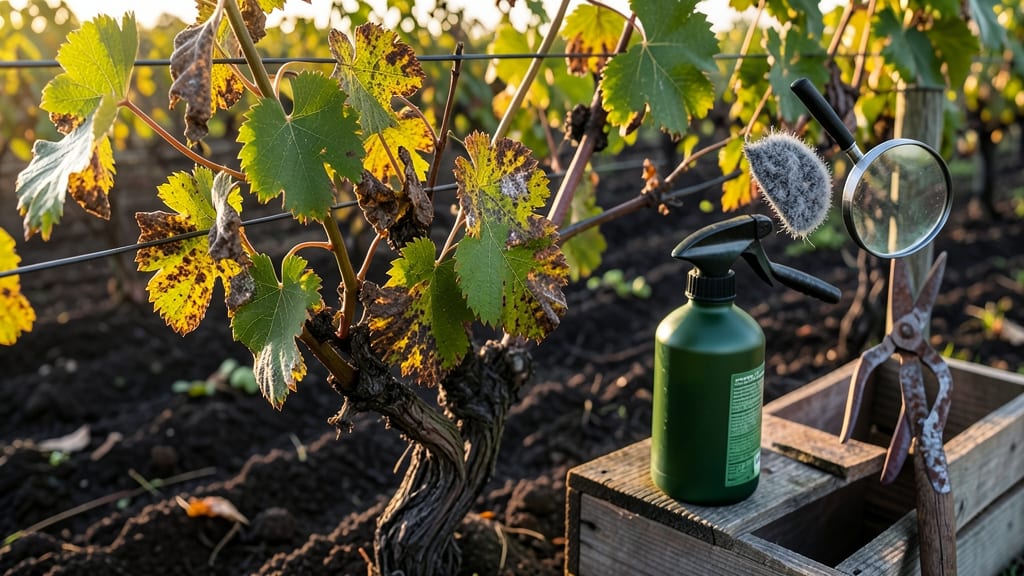
My grape leaf fungus-free vines stayed healthy through last season's humidity battles thanks to a simple copper spray schedule that stopped fungus before it started. 🌱 The key isn't just spraying—it's timing those applications right, pairing them with proper pruning, and keeping air flowing through the vines.
Most gardeners wait until they see spots, but by then it's too late. The real culprit is trapped moisture from dense foliage and poor airflow, not just wet weather.
I learned that the hard way when my vines developed those telltale yellow patches—turns out, those spots spread faster than you'd think. Copper spray works because it creates a protective shield on leaves while also being safe for beneficial insects when used correctly.
You'll see the difference within 2-3 weeks of consistent spraying: leaves stay dark green, no curling at the edges, and the vines put all their energy into fruit instead of fighting disease. The schedule I use takes just 15 minutes every other week during peak fungus season.
Works for both table grapes and wine varieties, and adapts easily to organic or conventional approaches. Here's exactly how to set up your spray calendar.
Why it happens
Fungal infections like grape leaf fungus (often caused by pathogens such as Guignardia bidwellii, Pseudopeziza tracheiphila, or Botrytis cinerea) don’t appear out of nowhere—they thrive when conditions align just right.
Understanding these triggers is the first step to outsmarting them. Here’s why your vines might be under siege:
Fungi love moisture—think of it as their natural habitat. When grape leaves stay damp for prolonged periods, spores germinate and spread like wildfire. Here’s why it’s a problem:
- Prolonged leaf wetness: Even light rain or morning dew can create the perfect breeding ground if leaves don’t dry within 6–12 hours. Guignardia, for example, needs at least 9 hours of leaf wetness to infect.
- Poor air circulation: Dense canopies or tightly packed vines trap moisture, while overhead irrigation (like sprinklers) can splash spores onto leaves, accelerating infection.
- Seasonal spikes: Spring and early summer are peak risk times when rain is frequent, and new growth is tender. Botrytis (gray mold) thrives in cool, wet conditions, often appearing after blooming.
Actionable fix: Space vines properly for airflow, avoid overhead watering, and harvest rainwater data to time preventative sprays before wet periods.
Fungal spores are patient—they hibernate in old leaves, pruning debris, or even infected fruit mummies (dried berries) from last season. When conditions improve, they wake up and attack.
- Infected plant material: Leaving fallen leaves, canes, or fruit on the ground creates a spore reservoir. Pseudopeziza (black rot) overwinters in infected canes and buds, ready to pounce in spring.
- Weeds & alternate hosts: Some fungi (like Plasmopara viticola, which causes downy mildew) can survive on nearby weeds or wild grapes, jumping to your vines when conditions are right.
- Tools & equipment: Pruners, trellises, or even your boots can carry spores from one vine to another if not cleaned between uses.
Actionable fix: Clear debris annually, sterilize tools with 70% alcohol or bleach, and remove weeds within a 10-foot radius of vines.
Fungi are opportunists—they exploit vines weakened by stress. Temperature swings and environmental stressors create the perfect opening.
- Cool, wet springs: Ideal for downy mildew and black rot, which thrive between 60–75°F (15–24°C) with high humidity. Botrytis prefers cooler temps (50–68°F / 10–20°C).
- Heat & drought stress: While heat alone doesn’t cause fungus, stressed vines have thinner cuticles, making them easier targets. Anthracnose (another grape leaf fungus) attacks during warm, wet periods.
- Nutrient deficiencies: Low nitrogen or potassium weakens leaves, while excess nitrogen promotes lush growth that traps moisture.
Actionable fix: Monitor weather forecasts to spray before rain-cool spells. Use mulch to moderate soil temps and ensure balanced fertilization (test soil annually).
Healthy vines resist fungus better. When they’re overworked or struggling, fungal infections take hold faster.
- Excessive canopy density: Shady, humid conditions inside thick foliage slow drying and encourage spore growth. Powdery mildew (caused by Erysiphe necator) loves this environment.
- Improper pruning: Over-pruning weakens vines, while under-pruning creates tangled growth that traps moisture. Both scenarios invite fungus.
- Root damage or disease: Compromised roots reduce a vine’s ability to fight off pathogens, making leaves more susceptible.
Actionable fix: Prune for an open, sunlit canopy (aim for 30–50% sunlight penetration) and train vines to trellises for better airflow. Rotate copper sprays with contact fungicides like sulfur if mildew is a recurring issue.
Pro tip: 🔍 Scout your vines weekly during high-risk periods. Look for early signs like yellowing, dark spots, or white powdery patches—catching fungus early means less damage and fewer sprays needed.
Quick Fixes for Fungal Leaf Problems
Fungal infections on grape leaves can feel like a losing battle, but with the right approach, you can turn things around fast and protect your vines. Below, we’ve mapped the most common causes of leaf fungus to practical, step-by-step solutions—plus prevention tips to keep your vines thriving long-term.
No complicated chemistry here, just effective, vineyard-approved fixes you can start today.
Cause: Humidity, poor airflow, or thick foliage traps moisture, giving fungus a foothold. Fix:
- 🔪 Trim aggressively – Remove 10-20% of leaves (especially lower ones) to boost airflow. Focus on cluster zones where humidity lingers.
- 🌬️ Space vines properly – If vines are too close, re-train trellises or thin out rows to allow sunlight and breeze to circulate.
- 💧 Water smarter – Avoid overhead sprinklers (use drip irrigation instead) and water early in the day so leaves dry by evening.
💡 Pro Tip: If pruning feels drastic, start with selective thinning—just open up the canopy in problem areas.
Cause: Excess moisture creates the perfect breeding ground for fungus. Fix:
- 🛡️ Apply copper-based fungicide – Use Bordeaux mixture (copper sulfate + lime) or fixed copper sprays (like Copper Soap).
- When? Spray every 7–14 days during wet seasons (or after heavy rain).
- How? Mix 1–2 lbs of copper per 100 gallons of water and apply evenly on both leaf surfaces.
- 🌡️ Time it right – Spray before rain (copper needs 4–6 hours to bind to leaves).
- 🔄 Rotate sprays – Alternate with sulfur or potassium bicarbonate to prevent resistance.
⚠️ Warning: Copper can burn leaves if overused—test on a small area first and follow label rates.
Cause: Fungal spores (like black rot or downy mildew) have already taken hold. Fix:
| Symptom | Solution | Frequency |
|---|---|---|
| Black spots | Neem oil (1%) + baking soda (1 tbsp/gal) or fixed copper spray | Every 7–10 days |
| Yellow patches | Sulfur dust (3–5 lbs/acre) or hydrogen peroxide (1% spray) | Weekly until cleared |
| White fuzzy growth | Baking soda spray (1 tbsp + 1 tsp oil per gallon) or potassium bicarbonate | Every 5–7 days during wet weather |
💡 Pro Tip: For organic growers, milk spray (1 part milk to 9 parts water) can boost natural resistance—just reapply after rain.
Stop fungus before it starts with these low-effort habits:
- 🌿 Mulch with straw or wood chips – Keeps soil moist (reducing stress) but prevents splashing spores onto leaves.
- 🌞 Maximize sunlight – Thin out shady lower leaves to dry foliage faster.
- 🧹 Clean up debris – Remove fallen leaves and fruit (burn or compost them far from vines).
- 🌱 Plant resistant varieties – If fungus is recurrent, switch to disease-resistant grape types like Chardonnay or Cabernet Sauvignon clones.
Final Push: Act now—fungus spreads fast, but with these fixes, you’ll regain control in weeks. Monitor leaves weekly, adjust sprays as needed, and soon, your vines will be strong, green, and fungus-free! 🍇✨
Frequently asked questions about grape leaf fungus
What are the first signs of grape leaf fungus I should watch for?
Look for small yellow spots that develop into dark, irregular patches with possible white or gray fuzzy growth. Leaves may also curl at the edges or develop blackened veins. These symptoms typically appear on the undersides of leaves first, where moisture lingers longest.
How often should I apply copper spray to prevent fungus?
For best results, apply copper fungicide every 7-14 days during peak fungus season (spring through early summer). Start spraying before rain events, as copper needs 4-6 hours to bind to leaves. Reduce frequency to every 3-4 weeks during dry periods.
Can I use household items like baking soda to treat grape leaf fungus?
Yes! Mix 1 tablespoon baking soda + 1 teaspoon oil per gallon of water for a gentle organic spray. Apply to both leaf surfaces every 5-7 days during wet weather. This works best for early-stage powdery mildew but should be used alongside proper pruning and airflow improvements.
Why does my grape vine keep getting fungus even after spraying?
Fungus often returns due to poor airflow, overhead watering, or old spores in debris. Check your pruning technique—vines need 30-50% sunlight penetration. Also sterilize tools between vines and remove all fallen leaves from the area to break the fungal cycle.
Is it safe to eat grapes from vines that had leaf fungus?
While the fruit itself may remain edible, severely infected vines produce lower-quality grapes. If you see black rot or downy mildew on leaves, harvest fruit early and monitor for spoiled berries. For wine grapes, infected fruit should be discarded to prevent contamination during processing.