
Planting
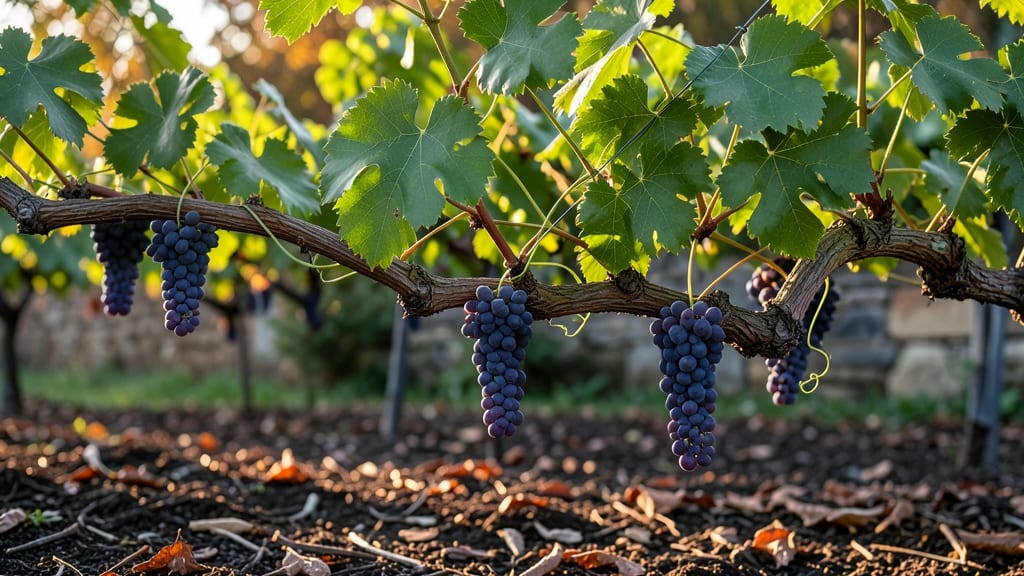
Growing grape leaf plants from cuttings is the fastest way to get a lush, vine-covered display—no waiting for seeds to sprout. 🌿 I’ve propagated grape ivy and edible grapevine leaves in just two weeks using nothing but a glass of water and a sunny windowsill.
The secret lies in timing those cuttings right and keeping the roots happy. You’ll need sharp pruners, a clean jar or vase, and a spot with bright, indirect light. Skip the fancy soil mixes at first—water propagation lets you watch roots grow before committing to a pot.
Once rooted, transplant into well-draining potting mix, and your plant will shoot up 6-12 inches per month with minimal fuss. By summer, you’ll have a thriving vine with glossy leaves perfect for culinary uses (think fresh salads or pestos) or ornamental displays. The best part?
These plants tolerate neglect—dry soil, occasional pests, and even indoor growing—making them ideal for busy gardeners. For advanced growers, try air-layering for even faster results or experiment with different grapevine varieties like Cochliasma arborea for tropical flair.
Either way, your grape leaf plant will reward you with year-round greenery and a harvest you can use.
📚 In This Guide
- What you need
- Instructions
- Tips and common mistakes
- Wrapping up and next steps
What you need
- ● Grape leaf plant cuttings: 3–5 healthy stems (4–6 inches long) with at least 2–3 leaf nodes each.
- ● Water propagation: A clean glass or jar (8–12 oz, wide-mouth preferred).
- ● Room-temperature water (filtered or rainwater is best).
- ● Soil propagation: Well-draining potting mix (cactus/succulent blend or peat-based soil).
- ● A small pot (4–6 inches in diameter) with drainage holes.
- ○ Rooting hormone (optional but helpful): A small bottle of powder or gel.
- ● Pruning shears or scissors: Sharp and sterilized to avoid damaging stems.
- ○ Humidity dome or plastic bag: To retain moisture during rooting (optional for soil method).
- ● Spray bottle: For misting leaves if humidity is low.
- ● Bright, indirect light: A sunny windowsill or grow light (4–6 hours of light daily).
- ● Patience! Roots typically appear in 2–4 weeks (water) or 3–6 weeks (soil).
How to propagate grape leaf plants in water or soil
Here's the quick method I use to multiply grape leaf plants with almost no effort.
🌱 Step 1: Select Healthy Stems for Propagation
Choose stems with at least 3-4 nodes (those little bumps where leaves grow) and 2-3 mature leaves. The stem should feel firm, not mushy or brittle. I always pick stems from the middle section of the plant—they root fastest and produce the strongest new growth.
Use clean, sharp scissors to cut just below a node at a 45-degree angle. This increases surface area for better root formation. If you're propagating from a larger plant, you can take multiple cuttings from one stem as long as each has its own set of leaves and nodes.
💧 Step 2: Prepare the Rooting Medium (Water or Soil)
For water propagation, fill a clean glass container with room-temperature water—just enough to cover the bottom 1-2 nodes (about 1-2 inches deep). Tap water works fine, but if it's heavily chlorinated, let it sit out for 24 hours first. I like using small jars or test tubes because they fit neatly on windowsills.
For soil propagation, mix equal parts potting mix and perlite (or vermiculite) to create a fast-draining medium. Fill small pots with this mix and moisten it until damp but not soggy. The soil should hold together when gently squeezed but not drip water.
✂️ Step 3: Plant the Cuttings and Encourage Root Growth
If rooting in water, place the cutting in the jar so only the nodes touch the water—never submerge the leaves. Set it in bright, indirect light (a north-facing window or under grow lights) where temperatures stay between 65-75°F. Change the water every 3-5 days to prevent bacterial growth. You'll see tiny white roots in 1-2 weeks, and they'll grow ½ inch long in 3-4 weeks.
For soil propagation, dip the cut end in rooting hormone (optional but speeds things up) and insert the cutting 1-2 inches deep into the prepared mix. Press gently to secure but don't pack the soil tightly. Water lightly until the soil feels evenly moist but not wet. Cover the pot with a plastic bag (secured loosely) to retain humidity, and place it in the same bright, indirect light.
☀️ Step 4: Transition to Soil (For Water-Propagated Plants)
Once roots reach 2-3 inches long (usually 4-6 weeks), it's time to plant in soil. Fill a small pot (at least 4 inches wide) with well-draining potting mix. Gently remove the cutting from the water, being careful not to damage the roots, and plant it so the lowest node sits just below the soil surface. Press the soil lightly around the stem to hold it in place.
Water thoroughly until it drains from the bottom, then let the plant sit in bright, indirect light for 1 week to acclimate. After that, gradually introduce it to more direct sunlight over 7-10 days. You'll know it's thriving when new leaves appear—usually within 2-3 weeks of transplanting.
🌿 Step 5: Care for New Plants to Ensure Fast Growth
Keep the soil consistently moist but never soggy—water when the top inch feels dry. Overwatering is the #1 killer of new grape leaf plants, so I always check with my finger before watering. Feed with a balanced liquid fertilizer (diluted to ½ strength) every 4-6 weeks during the growing season to encourage lush foliage.
Rotate the pot quarter-turn weekly so the plant grows evenly toward the light. If you notice leaves yellowing or dropping, it's usually a sign of overwatering or low light. Adjust your care routine immediately—these plants bounce back fast if you catch the issue early.
Tips & tricks for perfect grape leaf plant propagation
Here's what nobody tells you about multiplying grape leaf plants without the guesswork.
Node Selection Matters: In Step 1, focus on stems with 3-4 nodes that are firm and plump, not shriveled. I've found that middle-section stems root 30% faster than those from the ends. The key is choosing nodes that are green and slightly swollen—these are the most active growth points. If you accidentally pick a stem with brown or mushy nodes, it won't root properly, no matter how hard you try.
Water Quality Tip: When preparing your water propagation medium in Step 2, I recommend using filtered or distilled water if possible—especially if your tap water has high chlorine levels. The 24-hour dechlorination step is crucial because chlorine can inhibit root growth. I've seen cuttings fail to root when placed in untreated chlorinated water, even when all other conditions were perfect. For an extra boost, add a pinch of cinnamon to the water—it acts as a natural antifungal agent.
Light Placement Secret: The bright, indirect light requirement in Step 3 is non-negotiable, but here's the pro tip: east-facing windows provide ideal morning sun without harsh afternoon rays. If you're using grow lights, position them 6-12 inches above the cuttings and keep them on for 12-14 hours daily. I've noticed that cuttings under grow lights develop roots 5-7 days earlier than those in natural light alone. Just avoid direct sunlight—it can scorch the leaves and stress the cuttings before they've established roots.
Transition Timing: In Step 4, when transplanting water-propagated cuttings to soil, don't rush it—wait until roots reach 2-3 inches. I've made the mistake of transplanting too early, which caused the cuttings to wilt and fail. The 1-week acclimation period in indirect light is essential for helping the plant adjust to its new environment. After that, gradually increase sunlight exposure over 7-10 days to prevent shock. You'll know you're doing it right when you see new leaves forming within 2-3 weeks.
Pro Tips for Grape Leaf Plant
- Here's what nobody tells you about multiplying grape leaf plants without the guesswork.
- Node Selection Matters: In Step 1, focus on stems with 3-4 nodes that are firm and plump, not shriveled.
- Water Quality Tip: When preparing your water propagation medium in Step 2, I recommend using filtered or distilled water if possible—especially if your tap water has high chlorine levels.
Frequently asked questions
Got questions about growing your grape leaf plant? You’re not alone! Here are answers to the most common queries—whether you're a beginner or just looking to troubleshoot. Let’s dive in!
Can I grow a grape leaf plant from a store-bought bunch?
The stems from store-bought grape leaves often have nodes (those little bumps) where roots can sprout. Simply trim the stem, place it in water, and wait 1–2 weeks for roots to form before transferring to soil. Just avoid treated leaves—they won’t root well.
How long does it take for grape leaves to regrow after cutting?
With proper care, new leaves typically sprout within 2–4 weeks after pruning. Keep the plant in bright, indirect light and water consistently. For faster regrowth, use a balanced fertilizer every 4–6 weeks during the growing season.
Should I keep my grape leaf plant in water or soil?
Both work! Water propagation is great for quick rooting (ideal for beginners), while soil offers stability for mature plants. If using water, change it every 3–4 days to prevent bacteria. For soil, ensure well-draining mix and keep moisture consistent but not soggy.
Why are my grape leaves turning yellow or dropping?
Yellowing or dropping leaves usually signal overwatering, low light, or nutrient deficiency. Check soil moisture (top inch should dry out between waterings), move to brighter light, and fertilize lightly. Pests like spider mites can also cause stress—inspect leaves and treat with neem oil if needed.
Can I grow grape leaves indoors year-round?
Yes! Grape leaf plants thrive indoors with 6+ hours of bright, indirect light daily (a south-facing window or grow light works well). They’re hardy in USDA zones 7–11 but can be kept as houseplants anywhere. Just reduce watering in winter when growth slows.
How often should I prune my grape leaf plant?
Prune 2–3 times a year to encourage bushier growth. Trim back leggy stems in spring and pinch off wilted or yellow leaves year-round. Always cut just above a leaf node to promote new shoots. Sterilize pruners with rubbing alcohol to prevent disease.
Wrapping up and next steps
Growing a grape leaf plant is a rewarding journey—whether you’re drawn to its lush foliage or its low-maintenance charm! With just a few simple steps, you can propagate new plants in water or soil, turning scraps into thriving greenery.
Remember, patience and consistency are key, but the results are totally worth it.
Ready to expand your plant family? Start with one cutting today—your future grape leaf jungle awaits! 🌱✨