
Pests and Diseases
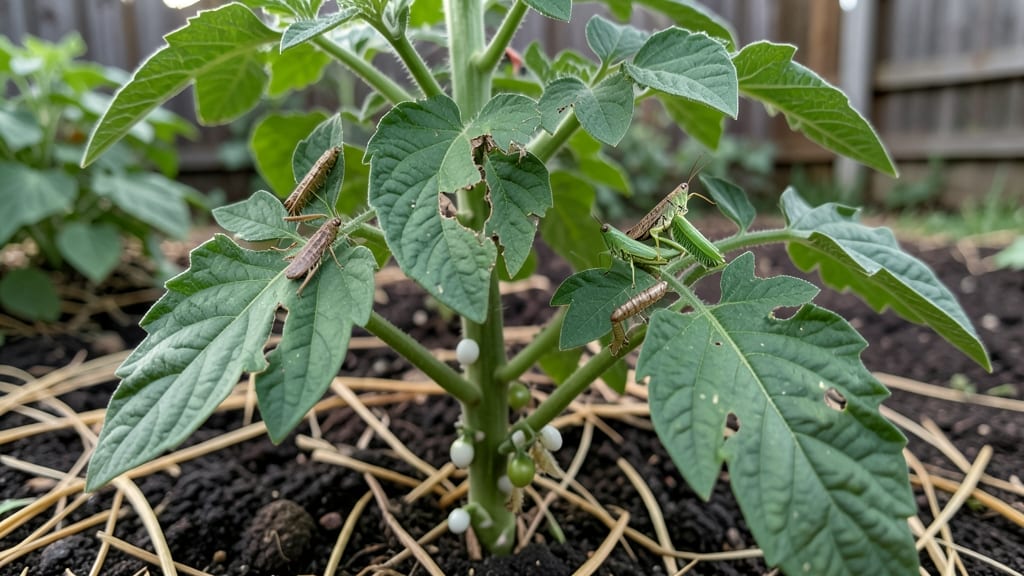
Grasshopper leaf damage turns vibrant green into skeleton leaves faster than you can say "summer drought." 🌱 I’ve watched my prized tomato plants go from lush canopies to Swiss cheese in just a few days—until I learned the early signs and organic fixes that actually work. The first clue?
Small, irregular holes along leaf edges that grow into larger tears as nymphs mature into ravenous adults. They target everything from vegetables to ornamental plants, but the damage isn’t just cosmetic—it weakens plants, stunts growth, and invites secondary pests like aphids.
With the right approach, you can stop them before they ruin your harvest. I’ll show you how to spot infestations early, use physical barriers that work, and deploy organic sprays that grasshoppers hate—no chemicals required. This works for backyard gardens, container plants, and even small urban plots.
Let’s protect your plants the natural way.
Understanding the Root Causes
Grasshoppers don’t just munch on leaves out of boredom—they’re driven by biology, environment, and survival instincts. When your plants start showing signs of grasshopper leaf damage, it’s usually because these insects are responding to one or more of these key triggers.
Let’s break down why they target your garden in the first place.
Grasshoppers thrive in open, grassy fields where food is abundant and predators are scarce. But when these areas become overgrown or crowded—due to drought, overgrazing, or human development—they’re forced to seek out alternative food sources.
Your lush garden, with its tender leaves and vibrant foliage, becomes an all-you-can-eat buffet. Drought-stressed grasses in their natural habitat make them more aggressive in searching for moisture-rich plants, like your vegetables or ornamental flowers.
Why it matters: If your yard borders a field or pasture, you’re in the crosshairs. Grasshoppers will migrate toward greener, more hydrated plants—especially during dry spells.
Grasshoppers aren’t picky eaters, but they have a preference for plants that are high in nitrogen and water content.
Young, tender shoots and leaves are their top choices because they’re easier to digest and packed with the nutrients they need for growth and reproduction. Legumes (like beans and peas), corn, and leafy greens (such as lettuce and spinach) are particularly vulnerable because their high protein content makes them irresistible.
Additionally, stressed plants—those weakened by poor soil health, lack of water, or disease—emit chemical signals that grasshoppers can detect. These signals act like a dinner bell, drawing them in for an easy meal.
Actionable insight: If you notice grasshoppers targeting specific plants, check your soil’s nitrogen levels. A balanced fertilizer can sometimes deter them by making your plants less appealing—or at least more resilient.
Grasshoppers are cold-blooded, meaning their activity levels skyrocket when temperatures rise. Warm, dry weather accelerates their metabolism, increasing their appetite and reproductive rate. A single generation can explode into thousands of nymphs (baby grasshoppers) in just a few weeks if conditions are perfect.
Here’s how weather plays a role:
- Drought: Lack of water forces grasshoppers to seek out juicier plants, like those in your garden.
- Heatwaves: High temperatures make plants wilt, but grasshoppers still feed aggressively to stay hydrated.
- Early springs or delayed winters: Extended growing seasons give grasshoppers more time to multiply before they become a major problem.
In regions with hot, dry summers, outbreaks are more common because grasshoppers have fewer natural predators (like birds or spiders) to keep their populations in check.
Pro tip: Monitor local weather forecasts and grasshopper activity reports. If your area is experiencing a heatwave or drought, be extra vigilant—this is peak grasshopper season.
In a healthy ecosystem, grasshoppers are kept in balance by predators like birds, spiders, toads, and parasitic wasps. However, when these predators decline—due to pesticide use, habitat destruction, or overhunting—grasshopper populations can spiral out of control.
Even urbanization reduces predator numbers, giving grasshoppers free rein to feast on your garden.
Additionally, monoculture farming (planting large areas with a single crop) removes the diversity that predators rely on for food. Without enough spiders or birds around, grasshoppers face little resistance when they invade your yard.
What you can do: Encourage predators by planting native flowers and shrubs that attract birds and beneficial insects. A small pond or birdhouse can also make your garden less appealing to grasshoppers by increasing natural defenses.
Sometimes, well-meaning gardening practices can unintentionally invite grasshoppers to the party. For example:
- Over-fertilizing with nitrogen: While it boosts plant growth, it also makes leaves more tender and nutritious—like a neon “Eat Me” sign for grasshoppers.
- Irrigating excessively: Lush, water-rich plants are a grasshopper’s dream, especially in dry climates.
- Removing ground cover: Grasshoppers hide in mulch, grass clippings, and leaf litter. Clearing these areas can disrupt their lifecycle but also expose their eggs to predators—or your garden.
Even landscaping with non-native plants can remove the natural barriers that keep grasshoppers in check. Native plants often have chemical defenses that deter pests, while exotic species may lack these protections.
Smart move: Rotate crops, use organic mulches (like straw), and avoid overwatering vulnerable plants. A little less perfection in your garden can mean fewer grasshopper feasts.
Quick Fixes for Chewed Leaves
Grasshoppers can turn your garden into a buffet overnight, but don’t panic—there are effective, organic ways to protect your plants without harsh chemicals. Below, we’ve mapped out practical solutions based on the root cause of the damage, from immediate fixes to long-term prevention.
If you’ve already spotted chewed leaves, act fast to minimize further destruction and help your plants recover.
🍳 Handpick & Relocate Grasshoppers
- When to use: Small infestations (early detection) or spot-checking vulnerable plants.
- How to do it:
- Go out early in the morning when grasshoppers are sluggish.
- Wear gloves and long sleeves to avoid bites.
- Gently pluck them off leaves and drop them into a bucket of soapy water (1 tbsp dish soap per gallon).
- Alternative: Use a net or aspirator to vacuum them up (great for lawns).
- Pro tip: 💡 Check undersides of leaves and near stems—grasshoppers love hiding there!
🛡️ Physical Barriers for Young Plants
- When to use: Seedlings, tender perennials, or high-value crops (like herbs or veggies).
- How to do it:
- Wrap floating row covers (lightweight fabric) over plants.
- Secure with clips or bricks to prevent grasshoppers from crawling underneath.
- DIY option: Use chicken wire or mesh screens (¼-inch holes max).
- Pro tip: ✨ Leave small gaps at the bottom for airflow but block grasshoppers with a soapy water barrier (spray the soil edge).
If grasshoppers have overrun your garden, these natural repellents and traps will help reclaim your plants.
🍋 Citrus & Spicy Sprays (Safe for Edibles)
- When to use: Moderate infestations on vegetables, fruits, and herbs.
- How to make it:
- Peel 2-3 citrus fruits (oranges, lemons, grapefruit) and blend with 1 quart of water.
- Add 1 tsp cayenne pepper or hot sauce for extra kick.
- Strain, pour into a spray bottle, and apply directly to leaves (avoid flowering plants if spraying bees).
- Reapply every 3-5 days or after rain.
- Pro tip: 🌡️ Best applied in the evening—grasshoppers avoid spicy scents in cooler temps.
🕷️ Beneficial Predators (Long-Term Solution)
- When to use: Persistent grasshopper problems (especially in xeric or prairie gardens).
- How to attract them:
- Birds: Install birdhouses and bird baths—robins, sparrows, and swallows love eating grasshoppers.
- Toads & Frogs: Create a small pond or shallow water dish to attract them.
- Parasitic Wasps: Plant native wildflowers (like milkweed or goldenrod) to support grasshopper-specific predators.
- Pro tip: 🎯 Avoid pesticides—they kill the very predators you’re trying to attract!
🪲 Diatomaceous Earth (DE) for Lawns & Soil
- When to use: Grasshoppers hopping across lawns or near garden edges.
- How to apply:
- Sprinkle food-grade DE lightly over grass, mulch, and soil (avoid direct contact with plants).
- Grasshoppers’ exoskeletons dry out when they crawl through it.
- Reapply after rain or watering (DE loses effectiveness when wet).
- ⚠️ Warning: Do not use on edible plants—it can irritate skin and lungs.
The best defense? A garden grasshoppers won’t want to visit in the first place.
🌱 Plant Smart: Grasshopper-Resistant Choices
Some plants are less appealing to grasshoppers.
Try: - Herbs: Rosemary, thyme, mint, and lavender (strong scents deter them). - Vegetables: Onions, garlic, and chives (contain natural repellents). - Flowers: Marigolds, nasturtiums, and sunflowers (some act as traps). - Avoid: Young corn, beans, and tender lettuce—grasshopper favorites!
🌡️ Maintain a Healthy Garden Ecosystem
- Diverse planting: Grasshoppers target monocultures—mix plants to confuse them.
- Remove thatch & debris: Less hiding = fewer grasshoppers.
- Water deeply but less often: Stressed plants (from drought or overwatering) attract pests.
- Mow high: Keep lawns 3-4 inches tall—taller grass hides natural predators like frogs.
🕯️ Light Traps (For Severe Outbreaks)
- When to use: Late summer/early fall when grasshopper populations peak.
- How to set it up:
- Place a white sheet or bucket under a bright light (LED or mercury vapor).
- Grasshoppers jump toward the light and get trapped.
- Check traps daily and dispose of them in soapy water.
- Pro tip: 🔥 Works best on clear, warm nights—grasshoppers are most active then!
Final Note: Consistency is key—combine 2-3 methods (e.g., handpicking + sprays + predator-friendly plants) for the best results. With these organic, grasshopper-proof strategies, your garden will stay lush and pest-free! 🌱🚫🐜
Frequently asked questions about leaf damage from grasshoppers
What do grasshopper-damaged leaves actually look like?
Start with small, irregular holes along leaf edges that grow into larger, jagged tears. Look for chewed areas that resemble Swiss cheese or windowpanes—grasshoppers prefer to eat the soft tissue between veins. Unlike caterpillars, they rarely create silk webbing or frass (droppings) on leaves.
Can grasshoppers kill my plants?
While they won't kill mature plants outright, severe damage weakens them significantly. Young seedlings and stressed plants are most vulnerable—grasshoppers can strip entire leaves, reducing photosynthesis and inviting diseases. Focus on protecting new growth and vulnerable crops like corn, beans, and lettuce.
How do I know if grasshoppers are the problem vs. deer or rabbits?
Grasshopper damage is irregular and scattered with clean-cut edges, while deer leave uneven, ragged tears and rabbits create straight-line cuts near the ground. Look for the insects themselves—grasshoppers are green/brown with powerful hind legs, often seen hopping away when disturbed.
Will neem oil or garlic spray work against grasshoppers?
Neem oil shows limited effectiveness—it may repel some grasshoppers but won't kill them. Garlic spray (blended garlic + water) works better as a deterrent when applied directly to leaves. For maximum impact, combine with physical barriers like row covers during peak feeding hours (late afternoon).
When is the best time to treat grasshopper damage?
Act immediately when you spot first signs of feeding—grasshoppers multiply rapidly in warm weather. Early morning or evening treatments work best when grasshoppers are least active. For severe infestations, focus on late summer/early fall when nymphs mature into adults and populations peak.