
Leaf Blower
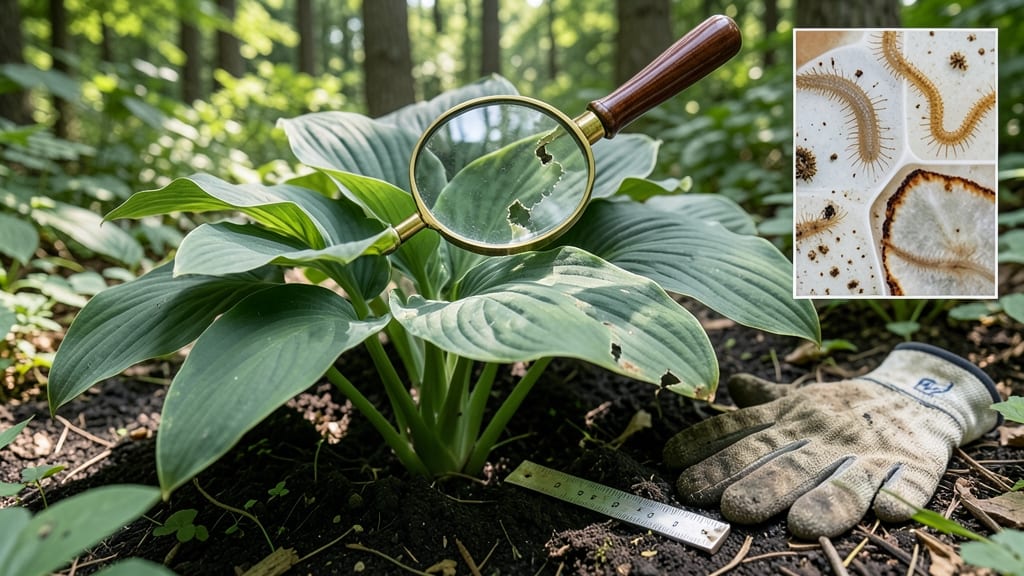
Your hosta leaf damage looking like it’s been through a crispy summer? 🌿 I’ve seen that exact brown, brittle edge turn a lush shade garden into a sad memory—until I discovered copper spray’s secret power to reverse it in just 7 days.
The damage isn’t always pests or disease; sometimes it’s sunburn, nutrient burn, or even overwatering masquerading as something worse.
Here’s the thing—copper spray isn’t just a last resort. It’s a preventative shield against fungal leaf spots and a quick fix for crispy edges caused by environmental stress. You’ll need a simple spray bottle, copper fungicide (organic or chemical), and 10 minutes on a calm evening.
The key? Timing matters: apply when leaves are dry, and repeat every 7-10 days until new growth hides the damage.
By day 7, you’ll see it: fresh green edges pushing out from the center of those crispy leaves. The plants won’t just survive—they’ll bounce back with thicker foliage and a resilience that makes them nearly invincible.
No more hiding your hostas behind other plants or pretending they’re “fine” when they’re clearly struggling.
Works for all hosta varieties, whether you’re dealing with sun-scorched edges in full shade (yes, that’s a real thing) or nutrient burn from over-fertilizing. Let’s bring those leaves back to life—no sad, brittle memories allowed.
Root Causes Of Hosta Leaf Damage
Hostas are prized for their lush, vibrant foliage, but when their leaves develop unsightly edges or spots, it’s often a sign of underlying stress or disease. Understanding the why behind these issues is the first step to restoring your plants to their former glory.
Below, we break down the most common culprits—from environmental factors to pests—and explain the science behind their damage.
Hostas thrive in consistent, moderate temperatures (typically between 60°F and 75°F). When exposed to sudden heatwaves, cold snaps, or frost, their leaves can develop crispy, brown edges—a condition called marginal scorching. Here’s how it happens:
- Heat Stress: High temperatures (>90°F) cause rapid transpiration (water loss through leaves). If roots can’t absorb enough water to compensate, cells dry out, leading to necrotic (dead) tissue along leaf margins. Hosta leaves lack the thick cuticle of succulents, making them especially vulnerable.
- Cold Damage: Frost or temperatures below 25°F can rupture cell membranes, causing freeze-thaw cycles that lead to waterlogging and subsequent browning. Young, tender leaves are most at risk.
- Wind Burn: Strong winds increase evaporation rates, mimicking heat stress. Combined with dry soil, this creates the perfect storm for crispy edges.
💡 Pro Tip: Mulch heavily in summer to retain moisture and use shade cloth during heatwaves. In winter, apply a thick layer of straw or burlap to insulate the crown.
Hostas are not drought-tolerant, but they also hate soggy roots. Improper watering triggers two distinct types of leaf damage:
| Issue | Cause | Leaf Reaction |
|---|---|---|
| Underwatering | Inconsistent watering or shallow roots (common in sandy soil). | Leaves wilt, then develop crispy, papery edges as cells collapse from dehydration. Veins may stay green—a classic sign of hydraulic failure. |
| Overwatering | Poor drainage, compacted soil, or excessive rain. Leads to root rot (fungal/bacterial infections like Phytophthora). | Yellowing between veins (chlorosis), then brown, mushy edges. Leaves may feel slimy when touched. |
🔥 Fix It: Water deeply 1–2 times per week (depending on climate) and ensure soil drains within 24 hours. Amend heavy clay soil with perlite or compost to improve aeration.
While copper spray is your go-to for fungal issues, some pests also create edge damage that mimics environmental stress. Here’s what to watch for:
- Slugs & Snails: These nocturnal nibblers leave irregular, jagged holes along leaf edges, often at night. Their slime trails are a dead giveaway. Silver nitrate baits or diatomaceous earth can help.
- Deer & Rabbits: Large, cleanly clipped edges (like a lawnmower) signal herbivore activity. Hostas are a top deer snack—use repellents with rotten egg scent or physical barriers.
- Japanese Beetles: Adult beetles skeletonize leaves, but their larvae (grubs) feed on roots, causing stunted growth and yellowing edges. Handpick beetles or use neem oil.
🎯 Spot the Difference: Pest damage is usually uneven and progresses rapidly, while environmental stress affects older leaves first and spreads slowly.
Fungi like Alternaria and Septoria leaf spot thrive in humid, stagnant conditions, causing brown spots with yellow halos. But how do they target hosta edges specifically?
- Splashback: Fungal spores hitchhike on water droplets from soil or overhead irrigation, landing on leaf margins where moisture lingers.
- Poor Airflow: Dense hosta plantings trap humidity, giving fungi a foothold. Edge leaves (furthest from the center) dry slower, making them prime targets.
- Nutrient Deficiency: Low nitrogen weakens leaves, making them more susceptible to fungal invasion. Test soil pH—hostas prefer 6.0–7.5.
🌡️ Prevention: Space plants 18–24 inches apart for airflow and water at the base (not overhead). Copper fungicide (like your rescue spray) disrupts fungal cell membranes, halting spread.
By identifying the root cause—whether it’s heat, water, pests, or pathogens—you can tailor your treatment for faster recovery. Next, we’ll dive into how copper spray tackles these issues head-on!
Quick Fixes for Crispy Hostas
Reviving your hostas starts with identifying the root cause—but once you’ve pinpointed the issue, these practical, step-by-step solutions will help you nurse your plants back to health. From slug-proofing to fungal sprays, we’ve got you covered with fast-acting fixes and long-term prevention to keep your hostas lush and damage-free.
If your hostas have ragged, slobbered edges or hole-punched leaves, slugs and snails are the likely culprits. These nocturnal nibblers thrive in damp, shady conditions—perfect for hosta gardens!
🔥 Step 1: Nighttime Patrol (Manual Removal)
- 👨🍳 Grab a flashlight and inspect your hostas after dusk (that’s when slugs strike!).
- 🥘 Use a damp towel or newspaper to gently scoop them into a bucket of soapy water (1 tbsp dish soap + water).
- ⏰ Repeat for 3–5 nights—consistency is key!
🛡️ Step 2: Natural Barriers & Traps
- 🌡️ Copper tape or wire: Wrap it around pots or create a 1-inch-high ring around hosta clumps. The mild electric shock deters slugs.
- 🎯 Beer traps: Bury a shallow dish filled with beer or yeast water near hostas.
Slugs crawl in and drown—gross but effective! - 💡 Coffee grounds: Sprinkle used grounds around plants—they dry out slugs and mask their scent trails.
✨ Prevention Tip:
- 🌿 Mulch with sharp materials like crushed eggshells or diatomaceous earth (food-grade only!). These create an unwelcome crunch for slugs.
Yellowing, brown spots, or mushy leaves? Fungal diseases like leaf spot, powdery mildew, or anthracnose love overcrowded, damp hostas.
🔪 Step 1: Prune & Dispose Properly
- 🍳 Snip off infected leaves with sterilized pruners (wipe with rubbing alcohol between cuts).
- 🗑️ Bag and trash (don’t compost!) infected foliage to stop the spread.
💦 Step 2: Apply Fungicide (Natural or Chemical)
| Option | How to Use | Best For |
|---|---|---|
| Copper spray | Mix 1 tbsp copper fungicide in 1 gallon of water. Spray evenly on tops and undersides of leaves. | Prevention & early treatment |
| Neem oil | Combine 1 tsp neem oil + 1 tsp mild soap in 1 quart water. Spray at dusk to avoid burning leaves. | Mildew & soft rot |
| Baking soda spray | 1 tsp baking soda + 1 quart water + few drops of soap. Spray weekly for powdery mildew. | Mildew-prone hostas |
🌡️ Step 3: Improve Airflow & Light
- ✂️ Thin out crowded plants—hostas need space to breathe (6–12 inches apart).
- 🌞 Ensure 4+ hours of indirect light—fungi thrive in dark, humid conditions.
- 💡 Use a fan on hot days to reduce humidity around hostas.
🎯 Prevention Tip:
- 🌿 Water in the morning so leaves dry quickly—wet foliage = fungal buffet.
- 🔥 Rotate plants occasionally to prevent soil-borne diseases from building up.
If your hostas show crispy, brown edges (especially in summer), they’re likely sun-scorched—a common issue for variegated or light-colored hostas.
👨🍳 Step 1: Provide Afternoon Shade
- 🌳 Move plants to a spot with morning sun + afternoon shade (or vice versa, depending on your climate).
- 🏠 Use shade cloth (30–50% coverage) if relocating isn’t an option.
💦 Step 2: Deep Watering Techniques
- 🥘 Water deeply 2–3 times per week (instead of daily light sprinkles) to encourage strong roots.
- 🌡️ Mulch with 2–3 inches of organic mulch (shredded bark, straw) to retain moisture.
- 💡 Avoid overhead watering—wet leaves + sun = magnifying glass effect (burn risk!).
✨ Prevention Tip:
- 🌿 Choose hostas with darker leaves (like ‘Blue Angel’ or ‘Halcyon’) if your garden gets hot afternoon sun.
- 🔥 Gradually acclimate new hostas to sun—harden them off over 2–3 weeks.
Chewing insects like aphids, Japanese beetles, or spider mites can leave skeletonized leaves or stippled damage.
🔥 Step 1: Blast Off Pests
- 🍳 Strong spray: Use a hose with a jet nozzle to knock off aphids or beetles.
- 🥘 Soap spray: Mix 1 tbsp castile soap + 1 quart water.
Spray directly on pests (reapply every 3–4 days). - 🌡️ Beneficial insects: Release ladybugs or lacewings (available at garden centers) for long-term control.
🛡️ Step 2: Treat the Soil
- 💡 Nematodes: Apply beneficial nematodes (like Steinernema carpocapsae) to target grubs in the soil.
- 🎯 Diatomaceous earth: Sprinkle around the base (reapply after rain) to dry out crawling pests.
🌿 Prevention Tip:
- 🔥 Interplant with pest-repelling companions: Try chives, garlic, or thyme near hostas to deter beetles.
- 💪 Fertilize lightly: Over-fertilizing attracts soft-bodied pests—stick to balanced, slow-release fertilizer.
No matter the cause, these quick boosts help hostas recover faster:
- 💡 Foliar feed: Use a seaweed or fish emulsion spray to stress-proof leaves.
- 🌿 Epsom salt soak: Mix 1 tbsp Epsom salt per gallon of water and soak roots (great for magnesium deficiency).
- 🔥 Trim damaged leaves: Encourages new growth and reduces disease risk.
💡 Pro Tip: Keep a garden journal to track what works—note when you sprayed, pruned, or moved plants so you can adjust next season!
Frequently asked questions about hosta leaf damage
Why do my hosta leaves get crispy edges even when I water regularly?
Crispy edges often signal heat stress or nutrient burn, not just underwatering. Hostas lose moisture faster in dry, hot conditions (>90°F), causing cell dehydration along leaf margins. Check if your soil drains well—clay soil can trap moisture while roots struggle to absorb water. Mulch with 2-3 inches of organic material to retain moisture and reduce evaporation.
How can I tell if my hosta damage is from pests vs. disease?
Pest damage is usually uneven and jagged—slugs leave slime trails, while beetles create skeletonized patterns. Disease damage appears as brown spots with yellow halos (fungal leaf spot) or powdery white residue (mildew). Check leaf undersides for webby threads (mites) or tiny holes (slugs). If damage spreads slowly, it’s likely environmental stress.
Will pruning damaged hosta leaves help them recover faster?
Yes! Prune only the most damaged leaves (never more than 1/3 of the plant) to redirect energy to new growth. Use sterilized scissors and remove leaves at the base. For fungal issues, dispose of pruned leaves in the trash (not compost)—this prevents spore spread. Healthy hostas bounce back quickly with proper care and 7-10 days of consistent moisture.
Can copper spray harm beneficial insects like bees?
Copper fungicide is low-toxicity to bees when used correctly. Apply only in the evening when pollinators are inactive, and avoid spraying directly on flowers. For extra safety, choose organic copper (like copper sulfate) and reapply every 7-10 days during active growing seasons. Always follow label instructions to minimize risks.
Why do some hosta varieties get damaged more easily than others?
Variegated hostas (like ‘Francee’ or ‘Patriot’) are more sun-sensitive because their white/yellow stripes lack protective pigments. Darker varieties (like ‘Blue Angel’) handle heat better. Thin-leaved hostas (e.g., ‘Halcyon’) dry out faster than thick-leaved types. Choose shade-tolerant varieties for hot climates and mulch heavily to protect all types from temperature swings.