
Vegetables
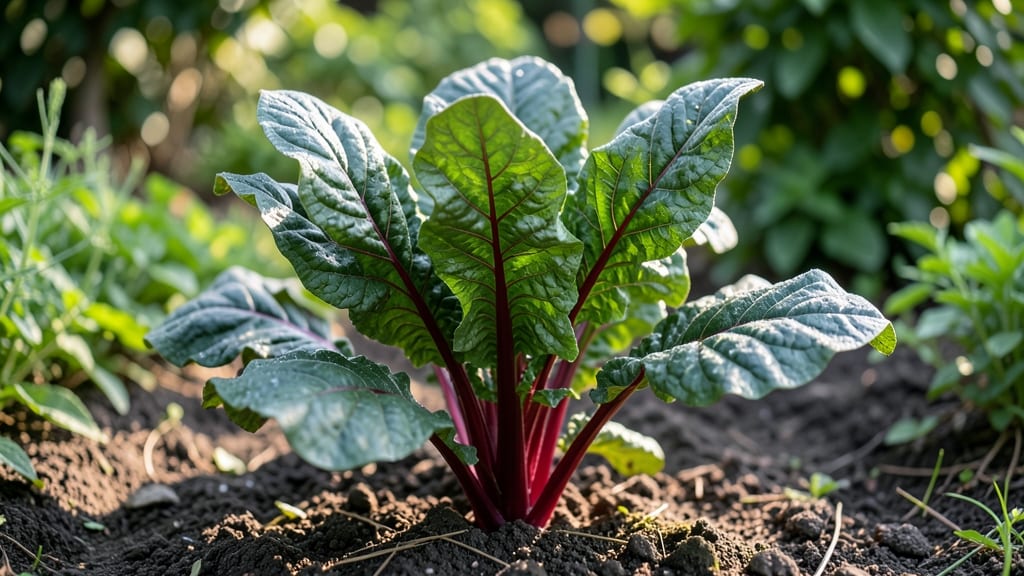
That green leaf with red-stem vegetable in your garden isn’t just pretty—it’s a cold-hardy perennial that keeps producing crisp, flavorful stalks long after most vegetables call it quits. 🌱 I’ve grown it through three winters, and the secret isn’t fancy soil or constant coddling—it’s patience and the right timing.
The deep red stems aren’t just for show; they’re packed with antioxidants and stay sweet even after frost.
You’ll need full sun to partial shade and well-draining soil with a pH of 6.0–7.0—think compost-rich loam, not heavy clay. Plant in early spring or late summer, spacing seedlings 12–18 inches apart in rows 18 inches apart.
Water deeply once a week, keeping the soil consistently moist but never soggy. A balanced 10-10-10 fertilizer every 4–6 weeks keeps growth steady, but don’t overdo it—celery hates rich soil that makes it soft and stringy.
Harvest when stalks reach 12–18 inches tall, cutting them at the base with a sharp knife. The outer stalks mature first, so snip those first and let the inner ones thicken.
Store uncut stalks in the fridge for up to 2 weeks, or freeze them after blanching for soups and stews. The real magic? These plants regrow from the base after cutting, giving you multiple harvests per season.
Watch for celery leaf miners (tiny white moths) and aphids—both love new growth. Spray with neem oil at the first sign of damage, and keep weeds at bay to avoid attracting pests.
In colder zones, mulch heavily in fall to protect roots through winter. Once established, this plant is nearly indestructible—just give it space and steady care.
📚 In This Guide
- What you need
- Instructions
- Tips and common mistakes
- Wrapping up and next steps
What you need
- ● Seeds or young plants: 5–10 seeds (if starting from scratch) or 2–3 young plants (for faster results)
- ● Pro tip: Choose organic, non-GMO seeds for the best flavor and sustainability! 🌱
- ● Well-draining soil: 1–2 cubic yards (depending on garden size), enriched with compost (aim for 60% organic matter)
- ● Fertilizer: Balanced organic fertilizer (e.g., 10-10-10 NPK ratio)
- ○ Optional: Slow-release granules or worm castings for extra nutrients
- ● Garden tools: Trowel (for planting seeds)
- ● Hand fork (to loosen soil)
- ● Garden gloves (to protect your hands)
- ● Watering supplies: Watering can or hose with a gentle spray nozzle
- ○ Optional: Drip irrigation kit for consistent moisture
- ● Mulch: Straw or shredded leaves (1–2 inches thick) to retain moisture and suppress weeds
- ● Climate: Cold-hardy zones 3–9 (check your USDA zone for best results!)
- ● Sunlight: Partial shade to full sun (4–6 hours of sunlight daily)
- ● Spacing: 12–18 inches apart in rows (or 18–24 inches for larger varieties)
- ● pH Level: Slightly acidic to neutral soil (6.0–7.0)
How to grow and maintain a stunning Swiss chard garden
This vibrant, cold-hardy perennial thrives with minimal fuss and delivers year-round color—here's how to cultivate it like a pro.
🌱 Step 1: Choose the Right Planting Location and Prepare Soil
Swiss chard loves sun but tolerates partial shade, making it perfect for gardens with mixed light conditions. Aim for at least 4-6 hours of direct sunlight daily—though it will still produce in 3-4 hours if leaves are your priority. Test your soil's drainage by pressing a handful; if it stays clumped, amend with 2-3 inches of compost to improve aeration.
This vegetable thrives in well-draining, fertile soil with a pH between 6.0 and 7.0. Work in a 2-inch layer of aged compost or well-rotted manure before planting. I always add a handful of balanced organic fertilizer (10-10-10) to the planting hole—it jumpstarts root growth without burning tender seedlings. The key is loose, crumbly soil that holds moisture but doesn't suffocate roots.
🌱 Step 2: Plant Seeds or Transplants at the Right Time
Direct-sow seeds 2-3 weeks before your last frost date for early harvests, or start them indoors 4-6 weeks before transplanting if your growing season is short. Swiss chard germinates best in 60-70°F soil, so don't rush—wait until the ground warms naturally. Plant seeds ½ inch deep and 1 inch apart in rows 12-18 inches apart to allow for full growth.
If using transplants, space them 8-10 inches apart to prevent overcrowding. The red stems develop best with good air circulation, so avoid planting too densely. Water gently after planting to settle the soil around seeds or roots. Here's the thing—Swiss chard is cold-hardy down to 15°F, so you can even plant a late-summer crop for a winter harvest in mild climates.
☀️ Step 3: Water Consistently and Fertilize for Vibrant Growth
Keep the soil evenly moist but not soggy—Swiss chard has shallow roots and wilts quickly when dry. Water at the base 1-1.5 inches per week, more during hot spells. I use a soaker hose to deliver water slowly and prevent leaf diseases. Mulch with 2-3 inches of straw or shredded leaves to retain moisture and suppress weeds, which compete for nutrients.
Feed plants every 3-4 weeks with a liquid fish emulsion or compost tea to maintain vibrant colors. The red stems deepen with proper nutrition, especially phosphorus. Watch for yellowing leaves—this usually means nitrogen deficiency. If you see it, side-dress with additional compost or a low-nitrogen fertilizer to correct the imbalance.
✂️ Step 4: Harvest Regularly and Maintain for Continuous Production
Begin harvesting outer leaves when they reach 6-8 inches tall, cutting just above a leaf pair to encourage regrowth. This method keeps plants productive for 60-90 days or longer in mild climates. The younger, inner leaves are tender and sweet, while mature leaves develop a slightly earthy flavor—perfect for soups or sautéing.
Pinch back flowering stalks as they appear to redirect energy into leaf production. If left unchecked, Swiss chard will bolt and go to seed, especially in hot weather. I always harvest in the morning when leaves are crispest and most flavorful. With proper care, a single plant can yield 1-2 pounds of leaves weekly—plenty for a family of four.
🌿 Step 5: Overwinter and Prepare for Next Season
Swiss chard is one of the most cold-hardy vegetables, surviving light frosts down to 20°F. In colder zones, protect plants with a thick layer of straw mulch (6-8 inches) to insulate roots. The leaves may yellow but will regrow in spring. Cut back dead foliage in early spring and fertilize lightly to encourage new growth.
For a second harvest, sow new seeds in late summer for a fall/winter crop. The red stems add striking color to winter gardens, and the leaves remain tender even after light frosts. I always save seeds from my best-performing plants—Swiss chard self-seeds readily, but selecting your own ensures vibrant colors and disease resistance for next year.
Tips & tricks for growing stunning Swiss chard
Here's what nobody tells you about growing this resilient vegetable—details that make all the difference between good and showstopping.
Sunlight Strategy: While Swiss chard thrives in full sun (4-6 hours daily), I've found that positioning plants slightly east-west in your garden maximizes morning sunlight while avoiding harsh afternoon rays, especially in hot climates. This prevents leaf scorch while still delivering the vibrant colors we all love. For partial shade spots, prioritize the 3-4 hours of direct light during peak sunlight hours (10am-2pm) rather than spreading it out—this ensures the red stems develop properly.
Soil Science Secret: The 2-inch layer of aged compost mentioned in Step 1 isn't just about nutrients—it's about creating the perfect soil texture. I always mix in a handful of perlite or coarse sand to prevent compaction, which is especially important for Swiss chard's shallow roots. The goal is soil that crumbles easily between your fingers, not clumps that would suffocate tender seedlings. Think of it as giving your plants a fluffy pillow to grow in.
Timing is Everything: When planting seeds ½ inch deep in Step 2, I recommend using a dibble or pencil to make clean holes—this prevents soil from falling back in and covering seeds too deeply. For transplants, the 8-10 inch spacing might seem generous, but trust me on this: crowded plants develop weaker stems and less vibrant colors. The red stems actually deepen when they have room to photosynthesize efficiently. Pro tip: Mark your rows with landscape fabric before planting to maintain perfect spacing.
Winter Wonderland Prep: The 6-8 inch straw mulch recommendation for overwintering (Step 5) is non-negotiable in colder zones, but here's the extra detail: I always add a layer of cardboard underneath the straw to block weeds and insulate better. This two-layer system keeps roots protected down to 20°F while preventing the straw from breaking down too quickly. In spring, simply pull back the mulch and you'll often find tender new growth already emerging!
Pro Tips for Green Leaf With Red Stem Vegetable
- Here's what nobody tells you about growing this resilient vegetable—details that make all the difference between good and showstopping.
- This prevents leaf scorch while still delivering the vibrant colors we all love.
- Soil Science Secret: The 2-inch layer of aged compost mentioned in Step 1 isn't just about nutrients—it's about creating the perfect soil texture.
Frequently asked questions
Got questions about this vibrant, cold-hardy perennial? You’re not alone! Here are some of the most common queries gardeners have about growing, maintaining, and enjoying green leaf with red stem vegetables—plus quick, practical answers to keep your garden thriving.
What’s the best way to identify this vegetable by its red stems?
Look for bright red or deep purple stems that contrast sharply with the glossy green leaves—common in varieties like Swiss chard or beet greens. The stems should be crisp and upright, not wilted or yellowing. If you’re unsure, check the leaf shape: broad, arrowhead-like leaves are a dead giveaway!
Can this vegetable survive winter in cold climates?
This hardy perennial thrives in cold weather and often regrows in spring after frost. In zones 3–9, it can handle light freezes, but mulch with straw or leaves for extra protection. Just avoid heavy snow buildup, which can damage tender stems.
How do I harvest without killing the plant?
Use clean scissors or pruners to snip outer leaves at the base, leaving the inner growth intact. Avoid cutting more than ⅓ of the plant at once—this encourages bushier regrowth. For stems, harvest when tender but firm (about 6–8 inches tall). Regular harvesting boosts production!
What can I substitute if I can’t find this vegetable?
If you’re craving that red-stemmed flavor, try:
- Rhubarb (tart, but not a true leafy green)
- Spinach or kale (milder, but nutrient-packed)
- Red-stemmed celery (similar texture, though less cold-hardy)
Why are my red stems turning yellow or mushy?
Yellowing or mushy stems usually signal overwatering, pests, or disease. Check for:
- Root rot: Ensure soil drains well and water only when the top inch is dry.
- Pests: Inspect for aphids or slugs—spray with neem oil or remove slugs by hand.
- Fungal issues: Space plants for airflow and avoid wetting leaves when watering.
Wrapping up and next steps
Incorporating a green leaf with red stem vegetable into your garden isn’t just about aesthetics—it’s a smart, sustainable choice for year-round beauty and harvests. This cold-hardy perennial thrives with minimal fuss, offering nutrient-rich greens and a striking visual contrast that elevates any space.
Whether you're a seasoned gardener or just starting, its resilience and versatility make it a game-changer for low-maintenance, high-reward gardening.
Ready to transform your garden? Start small—plant a few this season, experiment with companion plants, and watch your garden flourish with drama and deliciousness! 🌱✨