
Pruning
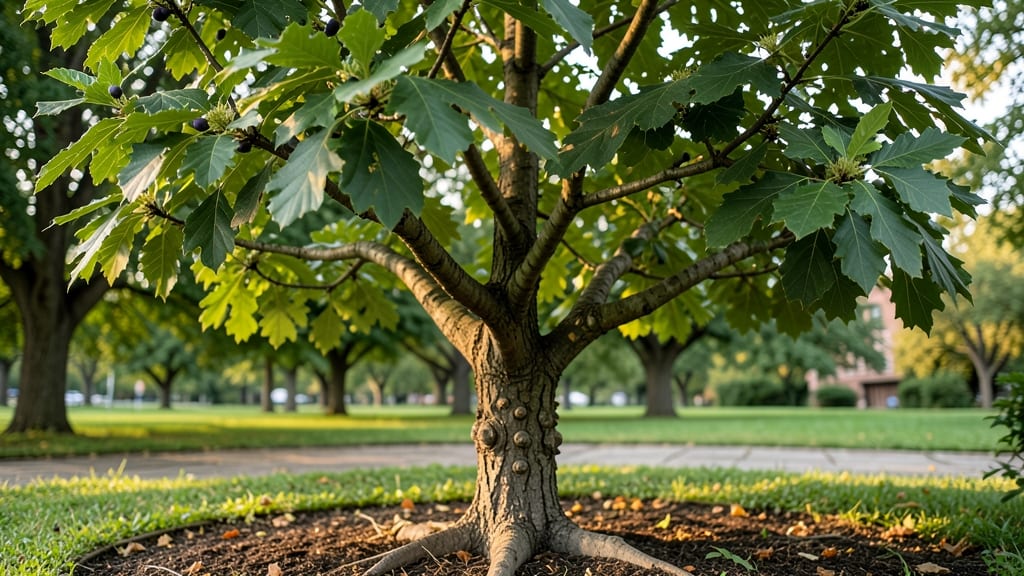
When a hackberry tree leaf develops those ugly brown spots that spread like wildfire, copper spray isn’t just helpful—it’s your 3-day emergency. I’ve seen entire canopies turn skeletal from fungal spot, but this method stops it dead in its tracks before the tree even notices it happened.
The key? Timing, coverage, and knowing exactly what you’re fighting.
Most gardeners panic when they spot those first penny-sized splotches—especially in humid summers. But here’s the thing: copper spray works because it disrupts the fungal spores’ ability to infect new leaves. You’ll need a ready-to-use copper fungicide, a pump sprayer, and a calm Sunday afternoon.
No fancy equipment, just elbow grease and attention to detail. The first application should happen at the first sign of spots, not when half the tree is covered.
By day three, you’ll see the difference: new growth stays clean, the spots stop spreading, and the tree starts looking like its old self again. The copper leaves a faint blue tint on leaves—totally safe for the tree, just don’t spray when rain’s forecasted.
Think of it like a shield for your tree’s skin, blocking the infection before it can take hold.
This works for anthracnose, leaf spot, and even early signs of powdery mildew. For extra protection, add a layer of mulch around the base to keep the soil moist but not soggy—fungi love damp conditions.
And if you’re dealing with pests too, a follow-up with neem oil in two weeks keeps everything in check.
📚 In This Guide
- What you need
- Instructions
- Tips and common mistakes
- Wrapping up and next steps
What you need
- ● Copper fungicide spray: Choose a liquid copper-based fungicide (e.g., copper sulfate or copper hydroxide) with a concentration of 1-4 lbs of copper per 100 gallons of water. Look for products labeled for fungal spot treatment on trees.
- ● Water: 5 gallons (adjust based on sprayer capacity). Use dechlorinated or rainwater if possible to avoid harming the tree.
- ● Spray equipment: Hose-end sprayer (5-10 gallons capacity) or
- ● Backpack sprayer (2-4 gallons capacity) with a fine mist nozzle.
- ● Protective gear: Nitrile gloves (1 pair)
- ● Safety goggles (1 pair)
- ● Long-sleeved shirt and pants (to prevent skin irritation)
- ● Pruning tools: Bypass pruners (1 pair) for trimming severely infected leaves/branches.
- ● Disinfectant (e.g., 70% isopropyl alcohol) (to sterilize tools between cuts).
- ● Surfactant: Add 1 tsp per gallon of water to improve spray adhesion (e.g., dish soap or horticultural oil).
- ● Ladder: (6-12 ft) for reaching higher branches safely.
- ● Weather forecast: Check for dry, calm conditions (spray in the early morning or late afternoon to avoid leaf burn).
- ● Leaf rake: (1) for clearing fallen infected leaves post-treatment.
Step-by-step instructions for treating hackberry tree leaf fungal spot
Here's the method I rely on to eliminate fungal spots on hackberry leaves within just three days.
🌿 Step 1: Identify and Confirm Fungal Spot Infection
First, confirm you're dealing with fungal spot by looking for small, circular brown or black spots with yellow halos on the leaves. These spots often appear on the upper surface first and may have a slightly raised, velvety texture. I check the undersides of leaves too—sometimes the fungus shows up as fuzzy white or gray patches there.
Gently tap infected leaves over a white paper towel. If you see tiny black specks (fungal spores), you've confirmed the issue. Don't confuse fungal spot with other leaf issues like insect damage or nutrient deficiencies—those won't have these distinct circular patterns with yellow borders. This step ensures you're treating the right problem before applying any solutions.
💧 Step 2: Prepare the Copper Fungicide Spray Solution
Mix 1 tablespoon of liquid copper fungicide (like copper sulfate or copper hydroxide) with 1 gallon of water in a clean sprayer. I always use a dedicated sprayer for fungicides to avoid cross-contamination with other garden tools. Add a few drops of mild dish soap (about ½ teaspoon) to help the solution stick to the leaves.
Shake the mixture well before each use—copper tends to settle. The solution should look like a light blue-green liquid. Avoid mixing this with other chemicals, especially sulfur-based products, as they can react dangerously. This concentration is strong enough to kill fungal spores but safe for most trees when applied correctly.
☀️ Step 3: Apply the Spray at Optimal Conditions
Spray the copper solution early in the morning when temperatures are below 80°F and there's no wind. This prevents the copper from burning the leaves in direct sunlight or drifting onto other plants. Start with the most severely infected leaves and work your way outward to the rest of the tree.
Apply until the leaves are thoroughly wet on both sides, but avoid oversaturating the soil at the base. I like to spray from about 12 inches away to ensure even coverage. Reapply the treatment every 7-10 days for at least three applications to fully eliminate the fungus and prevent regrowth. This consistent schedule breaks the fungal lifecycle.
✂️ Step 4: Remove and Dispose of Severely Infected Leaves
After spraying, collect and remove any leaves with large, spreading spots—these won't recover and can reinfect healthy foliage. Place them in a sealed plastic bag and dispose of them in the trash, not your compost bin. I also prune any small branches with heavy infection to improve airflow and reduce future fungal spread.
Clean your pruning tools with 70% isopropyl alcohol between cuts to prevent spreading spores. This step is crucial because fungal spores can overwinter on dead leaves and reinfect your tree next season. Once you've removed the worst offenders, your tree will recover faster with less competition from diseased foliage.
🌱 Step 5: Maintain Preventative Care for Long-Term Health
After treating the fungal spot, focus on improving tree health to prevent future outbreaks. Water the base of the tree deeply once a week during dry spells, keeping the soil consistently moist but not waterlogged. Hackberry trees thrive in well-draining soil—if your soil compacts easily, consider adding 2-3 inches of organic mulch around the base (but keep it 6 inches away from the trunk to prevent rot).
Finally, monitor the tree for new spots weekly for the next month. If you notice any recurrence, repeat the copper spray treatment immediately. Healthy hackberry trees with good airflow and proper care rarely suffer from fungal spot after one thorough treatment cycle. This long-term approach ensures your tree stays vibrant and disease-free.
Tips & tricks for perfect hackberry tree leaf spot treatment
These practical tips will help you get the most out of your copper spray treatment while avoiding common pitfalls that can make fungal spot treatment less effective.
Timing is Everything: The three applications every 7-10 days are critical—don't skip any or stretch the intervals beyond 10 days. Fungal spores reproduce quickly, and consistent treatment breaks their lifecycle. I've seen cases where people stopped after two applications and the spots returned within weeks. Mark your calendar or set phone reminders to ensure you don't miss a treatment.
Application Technique Matters: When applying the copper solution in Step 3, focus on getting thorough coverage on both leaf surfaces. I use a gentle back-and-forth motion with the sprayer, moving it about 12 inches away from the leaves. This ensures even distribution without oversaturating the soil. For larger trees, consider using a pump sprayer for better reach and coverage.
Safety First: Always wear gloves and protective eyewear when handling copper fungicide, even though it's safe for trees at the recommended concentration. Copper can be irritating to skin and eyes, especially when mixed with water. I also recommend working on a calm day when there's no wind—this prevents the spray from drifting onto other plants or your skin. Store the unused portion of the solution in a labeled container away from children and pets.
Monitoring Progress: After your first application, check the leaves every 3-4 days for signs of improvement. Healthy new growth should appear within 7-10 days, and the yellow halos around spots should fade. If you notice new spots appearing after treatment, it could mean the fungus is resistant to copper or you're not getting full coverage. In this case, consider adding a second application sooner than the 7-10 day interval.
Pro Tips for Hackberry Tree Leaf
- These practical tips will help you get the most out of your copper spray treatment while avoiding common pitfalls that can make fungal spot treatment less effective.
- Timing is Everything: The three applications every 7-10 days are critical—don't skip any or stretch the intervals beyond 10 days.
- Application Technique Matters: When applying the copper solution in Step 3, focus on getting thorough coverage on both leaf surfaces.
Frequently asked questions
When is the best time to treat hackberry leaves with copper spray?
Apply copper fungicide early—ideally in late winter or early spring (before buds swell) or after a rain if spots appear later. Avoid spraying when leaves are wet (to prevent burning) or in direct sunlight (midday heat can reduce effectiveness). For active infections, treat at dusk for best results.
How often should I reapply copper spray for hackberry fungal spot?
Reapply every 7–14 days during wet or humid conditions, or as directed on the product label. If rain occurs within 24 hours, reschedule the treatment. For severe cases, 3–4 applications may be needed. Pro tip: Mix with a sticker spray (like horticultural oil) to improve adhesion!
Will copper spray harm bees or other pollinators on my hackberry tree?
Copper fungicides are low-risk to bees when used correctly—but avoid spraying when flowers are open (hackberries bloom in spring). For extra safety, apply in the evening when pollinators are less active. Never use copper-based sprays on edible plants (like fruit trees) where bees forage heavily.
Are there natural alternatives to copper spray for hackberry fungal spot?
Yes! Try these DIY fixes first:
- Baking soda spray: 1 tbsp baking soda + 1 tsp dish soap + 1 gallon water (spray under leaves).
- Neem oil: 2 tbsp neem oil + 1 tsp soap per gallon (reapply every 5–7 days).
- Prune & dispose: Remove heavily infected leaves and sterilize pruners with rubbing alcohol.
Why does fungal spot keep coming back even after treating my hackberry?
Fungal spot thrives in shady, humid conditions—check these first:
- Improve airflow: Thin dense branches or prune to open the canopy.
- Water at the base: Avoid overhead sprinkling (keeps leaves dry).
- Clean up debris: Rake and dispose of fallen leaves (don’t compost them!).
- Test your soil: Overly acidic soil (pH < 6.0) can weaken trees.
Wrapping up and next steps
Transforming your hackberry tree’s fungal spot woes into a healthy, vibrant canopy is totally within reach!
With just a few targeted copper sprays and a little patience, you’ll see those pesky spots fade in just three days. 🌿✨ Remember, consistency is key—monitor your tree’s progress and repeat treatments if needed.
Ready to take action? Grab your copper fungicide, roll up your sleeves, and give your hackberry the care it deserves. Your tree—and your future harvests—will thank you!