
Leaf Blower
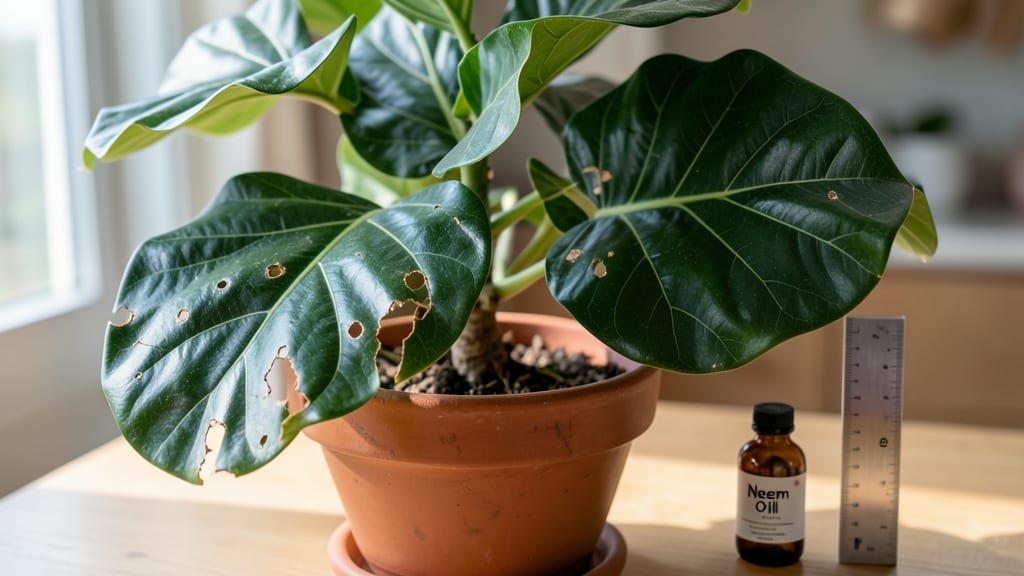
Crispy-edged holes in your fiddle leaf fig’s leaves mean one thing: it’s time to play detective. 🌿 I’ve seen these telltale signs go from alarming to "oh, that’s fixable" once I figured out what’s really happening—whether it’s tiny pests, dry air, or something else entirely.
The most common culprits are spider mites or thrips, but don’t rule out mechanical damage from rough handling or even underwatering. I’ve learned that 90% of the time, the fix is simple: a targeted spray, better humidity, or adjusting your watering routine.
The key is acting fast before the damage spreads.
You’ll restore those leaves to lush, hole-free glory in just a few weeks with the right approach. The first step is identifying the exact cause—because what works for pests won’t help if the problem is environmental. Let’s get your fig looking vibrant again.
This works for both new and established plants, whether you’re dealing with a single leaf or a full infestation. The methods here are gentle enough for organic gardeners but tough enough to stop the damage in its tracks.
Root Causes Behind Leaf Damage
Discovering holes or crispy edges on your Fiddle Leaf Fig (Ficus lyrata) can feel like a mystery—especially when your plant seems otherwise healthy. The truth? These issues almost always stem from environmental stress or pest activity.
Below, we break down the key culprits behind leaf damage, backed by science, so you can diagnose and fix the problem fast.
Fiddle Leaf Figs are tropical plants, but their roots hate sitting in soggy soil. When overwatered, excess moisture triggers a cascade of problems:
- Root Rot (Pythium/Fusarium): Fungal pathogens thrive in waterlogged conditions, blocking nutrient uptake and causing leaf necrosis (dead tissue). The plant compensates by shedding damaged leaves—or worse, developing holes as cells collapse from oxygen deprivation.
- Edema (Water Stress): Poor drainage forces roots to struggle, leading to blister-like lesions on leaves. These burst over time, leaving ragged holes. Pro Tip: Test drainage by watering and checking if excess drains within 10 minutes.
- Salt Buildup: Tap water minerals accumulate in saturated soil, creating a toxic environment. Salty soil disrupts cellular function, causing crispy, brown edges that eventually tear into holes.
Actionable Fix: Let the top 2–3 inches of soil dry completely before watering. Use a well-draining mix (60% potting soil, 30% perlite, 10% orchid bark) and a pot with drainage holes. Flush the soil every 3 months with distilled water to reduce salt buildup.
While overwatering gets more attention, drought stress is just as damaging. Fiddle Leaf Figs native to tropical forests need consistent moisture:
- Cellular Dehydration: When soil dries out, leaves plasmolyze—cell walls shrink away from their membranes, causing edges to curl and crisp. Over time, this leads to tearing or hole formation as brittle tissue snaps.
- Humidity Deficit: Indoor air (especially in winter) can drop below 40% humidity, far below the plant’s ideal 40–60%. Low humidity increases transpiration (water loss), accelerating edge browning and hole development.
Actionable Fix:
- Water when the top 1–2 inches of soil are dry (insert a moisture meter for precision).
- Boost humidity with a pebble tray, humidifier, or group plants together to create a microclimate.
- Avoid cold drafts (e.g., near AC vents), which dry leaves faster.
Tiny invaders like spider mites, thrips, or mealybugs don’t just nibble—they inject toxins and strip chlorophyll, leaving behind a trail of damage:
- Spider Mites: These arachnids pierce cells to suck out sap, causing stippling (tiny white/yellow dots) that expand into larger holes as tissue weakens. Their webbing dries leaves, making them brittle.
- Thrips: These slender pests scrape leaf surfaces, leaving silver streaks or irregular holes. Their feeding also transmits fungal infections, compounding damage.
- Mealybugs: While they don’t create holes directly, their honeydew secretions attract sooty mold, which blocks light and suffocates leaves, leading to necrosis.
Actionable Fix:
- Inspect leaves undersides and stems with a magnifying glass. Look for webbing, tiny bugs, or cottony masses.
- Blast pests off with a stream of water, then apply neem oil (1 tsp per quart of water) or insecticidal soap. Repeat every 5–7 days.
- Isolate the plant to prevent spread and wipe nearby surfaces with rubbing alcohol.
Fiddle Leaf Figs are sensitive to extreme fluctuations in their environment. Sudden changes can trigger abscission (leaf drop) or hole formation:
- Direct Sunlight (Burning): While they love bright, indirect light, harsh afternoon sun causes photoxidative stress. Chlorophyll breaks down, leading to bleached or crispy patches that tear into holes.
- Cold Drafts or Temperature Shifts: Dropping below 60°F (15°C) or rapid temperature swings disrupt enzyme activity, causing cellular damage that manifests as holes or discoloration.
- Fertilizer Burn: Over-fertilizing (especially with synthetic salts) creates a hypertonic soil solution, forcing roots to work overtime. This leads to leaf tip necrosis and holes as nutrients become unevenly distributed.
Actionable Fix:
- Place the plant 3–6 feet from a east/west-facing window or use sheer curtains to diffuse light.
- Keep temperatures stable between 65–85°F (18–29°C). Avoid placing near doors, vents, or air conditioners.
- Fertilize only in spring/summer with a balanced, diluted formula (half-strength every 6–8 weeks).
💡 Pro Tip: Keep a plant journal to track watering, light exposure, and environmental changes. Patterns (like holes appearing after moving the plant) reveal the root cause faster!
Fixing Fiddle Leaf Fig Damage
Now that you’ve identified the cause of those pesky holes or crispy edges on your fiddle leaf fig, it’s time to take action! Each issue requires a slightly different approach, but the good news is that most fixes are simple and effective.
Follow these step-by-step solutions to nurse your plant back to health—and keep it thriving long-term.
If your fiddle leaf fig is dealing with yellowing leaves, mushy stems, or brown, crispy edges from water stress, the first step is to correct your watering habits.
🍳 Step 1: Let the Soil Dry Out Completely
- Check moisture levels by sticking your finger 1-2 inches deep into the soil.
If it feels damp, wait before watering. - Use the "dry-down method"—water only when the top 2-3 inches of soil are bone dry (usually every 1-2 weeks, depending on humidity and light). - Pro Tip: 💡 If your plant is in a pot without drainage holes, switch to one with holes to prevent root rot.
👨🍳 Step 2: Repot if Necessary
- If the roots are rotting or mushy, gently remove the plant from its pot, trim away any black, mushy roots with sterilized scissors, and repot in fresh, well-draining soil.
- Choose a pot just 1-2 inches larger than the current one—fiddle leaf figs prefer slightly snug spaces.
🥘 Step 3: Improve Drainage & Soil Mix
- Avoid heavy, compacted soil—mix potting soil with perlite, orchid bark, or coconut coir (20-30%) for better aeration.
- Add a layer of gravel or pebbles at the bottom of the pot for extra drainage.
⏰ Prevention Tips:
✅ Water in the morning so excess moisture can evaporate during the day. ✅ Use a moisture meter if you’re unsure when to water. ✅ Group plants together to increase humidity naturally (but avoid soggy conditions).
If your fiddle leaf fig’s leaves are crispy, brown, or curling at the edges due to dry air, it’s time to increase humidity.
💦 Step 1: Mist Regularly (But Not Too Much)
- Mist leaves 2-3 times a week with room-temperature water (avoid wetting the crown to prevent fungal issues).
- Pro Tip: 🌡️ Use a humidifier near the plant—fiddle leaf figs thrive in 40-60% humidity.
🌿 Step 2: Group Plants Together
- Place your fiddle leaf fig near other houseplants to create a microclimate with higher humidity.
🚿 Step 3: Use a Pebble Tray or Humidity Dome
- Fill a shallow tray with pebbles and water, then place the pot on top (ensure the pot sits above the waterline).
- For extra protection, cover the plant with a clear plastic bag for a few hours daily (remove to prevent mold).
✨ Prevention Tips:
✅ Avoid placing near heaters or vents—dry air worsens the issue. ✅ Wipe leaves with a damp cloth to remove dust, helping them absorb moisture better. ✅ Rotate the plant weekly for even humidity exposure.
If your fiddle leaf fig is getting sunburnt (leaves turning yellow, crispy, or white), it’s time to adjust its lighting.
🏠 Step 1: Move to Indirect Light
- Place near an east or north-facing window (bright but no direct midday sun).
- If you must keep it in a south or west window, use a sheer curtain to diffuse light.
🌿 Step 2: Rotate the Plant Weekly
- Turn the pot ¼ turn every week so all sides get even, gentle light.
🌱 Prevention Tips:
✅ Avoid placing near glass doors or windows—sunlight intensifies through glass. ✅ Watch for leaf bleaching—if new growth looks pale, it’s getting too much light. ✅ Use artificial grow lights (LED or fluorescent) if natural light is insufficient.
If tiny holes, webbing, or sticky residue (from sap-sucking pests) are damaging your fiddle leaf fig, act fast to remove them.
🔪 Step 1: Isolate & Inspect the Plant
- Move the plant away from others to prevent spreading.
- Check undersides of leaves, stems, and soil for spider mites, mealybugs, or scale insects.
🧼 Step 2: Wipe Down Leaves
- Dip a soft cloth in soapy water (mild dish soap + water) and gently wipe all leaves and stems.
- Rinse thoroughly with clean water to avoid soap buildup.
💦 Step 3: Treat with Neem Oil (For Stubborn Pests)
- Mix 1 tsp neem oil + 1 tsp mild soap in 1 quart of water.
- Spray the solution on all plant surfaces (avoid oversaturating soil).
- Repeat every 5-7 days until pests are gone.
🛡️ Prevention Tips:
✅ Quarantine new plants for 2-4 weeks before introducing them to your collection. ✅ Inspect leaves weekly—early detection makes removal easier. ✅ Encourage beneficial insects (like ladybugs) to keep pests in check.
If your fiddle leaf fig has small holes from weak growth or yellowing between veins, it may need better nutrition.
📊 Step 1: Use a Balanced Fertilizer
- Dilute a liquid fertilizer (like 20-20-20) to half-strength and apply every 4-6 weeks in spring/summer.
- Avoid fertilizing in fall/winter—the plant is dormant.
🥗 Step 2: Consider Micronutrients
- If leaves look pale or stunted, try a chelated iron supplement (common for chlorosis).
- Epsom salt (magnesium sulfate) can help if leaves are yellowing between veins—mix 1 tbsp per gallon of water and spray foliage monthly.
💪 Prevention Tips:
✅ Flush the soil every 3-4 months with plain water to remove salt buildup. ✅ Use slow-release granules for steady nutrition without overfeeding. ✅ Prune yellow or damaged leaves to encourage new, healthy growth.
Final Thought: 🎯 Most fiddle leaf fig issues are easily reversible with the right care. Act quickly when you spot problems, and your plant will bounce back stronger than ever! Once fixed, consistent maintenance (proper watering, humidity, and light) will keep those holes at bay for good.
Frequently asked questions
Why do holes appear suddenly on my fiddle leaf fig's leaves?
Holes often appear due to pest activity (like spider mites or thrips) or environmental stress. Pests pierce leaves to feed, creating tiny holes that expand as tissue weakens. Environmental factors like low humidity or dry air can also cause edges to crisp and tear. Check leaf undersides for webs or tiny bugs first.
Can I save a fiddle leaf fig with large holes in the leaves?
Yes! While you can't reverse existing holes, you can stop the damage and encourage new growth. Prune severely damaged leaves at the base, adjust care (like increasing humidity or fixing watering), and treat pests if present. The plant will grow fresh, hole-free leaves over time.
How do I tell if my fiddle leaf fig has spider mites or thrips?
Spider mites leave tiny white/yellow dots and fine webbing, while thrips create silver streaks or irregular holes. Use a magnifying glass to check leaf undersides—look for tiny moving creatures. Thrips are harder to spot but often leave a shiny residue from their feeding.
Will pruning leaves with holes help my fiddle leaf fig recover?
Pruning removes stress on the plant and redirects energy to new growth. Use clean scissors to cut damaged leaves at the base, avoiding healthy tissue. For large holes, trim the entire leaf—this prevents further damage and encourages bushier, healthier foliage.
How often should I check my fiddle leaf fig for pests?
Inspect your plant weekly, especially during warm months when pests thrive. Focus on leaf undersides, stems, and soil surface. Early detection makes treatment easier—catching pests before they create holes gives your fig the best chance to recover quickly.