
Pests and Diseases
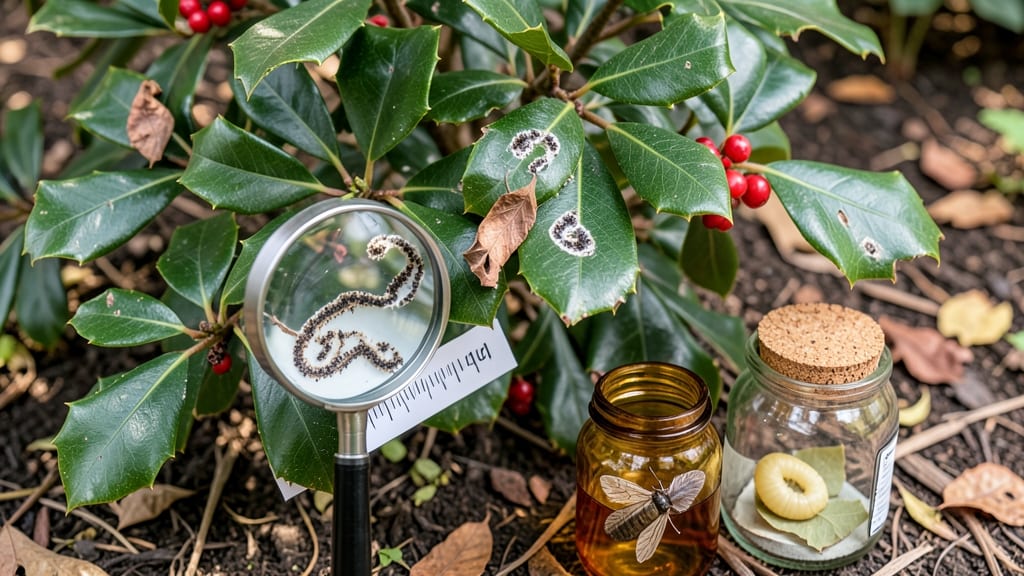
Your holly’s once-lush leaves are turning brown and brittle—holly leaf miners are the culprits. 🌿 These tiny pests create serpentine trails in foliage, and without intervention, your plant’s health will keep declining. The good news? A copper spray protocol can revive your holly in just 2-3 weeks with consistent treatment.
The damage starts when larvae burrow into leaves, creating visible tunnels that disrupt photosynthesis. Left unchecked, the plant weakens, drops foliage, and loses its signature beauty. The key to stopping this is early action—copper sprays disrupt the miners’ life cycle while being safe for the environment when used correctly.
By following this protocol, you’ll see new growth pushing out within 10-14 days, with the browned leaves falling away naturally. The copper spray works by creating a protective barrier that prevents new larvae from settling, while also suffocating existing ones.
It’s a fast, organic solution that restores your holly’s health without harsh chemicals.
This method works year-round, but early detection in spring or summer gives you the best chance for full recovery. Even heavily infested hollies can bounce back with consistent care—here’s how to make it happen without stressing your plant further.
Hidden Invaders Behind Leaf Damage
When your holly shrubs start showing unsightly blotches, serpentine trails, or premature browning, the culprit is often a tiny but relentless pest: the holly leaf miner. These delicate, translucent larvae tunnel through leaves, turning vibrant foliage into a patchwork of discoloration and stunted growth.
But why does this happen? Understanding the root causes—from environmental triggers to plant vulnerabilities—helps you disrupt the cycle before damage spirals out of control.
The holly leaf miner (likely Phytomyza ilicis or Cameraria ohridella) targets stressed or nutrient-deficient holly plants. When holly shrubs lack proper care, they become prime real estate for these pests. Here’s why:
- Nutrient Deficiencies: Holly thrives in well-drained, slightly acidic soil rich in organic matter. If your soil is depleted of nitrogen, phosphorus, or micronutrients like magnesium, the plant’s defenses weaken. Leaf miners exploit this vulnerability, as healthy leaves are less appealing to their larvae.
- Water Stress: Both overwatering and drought stress holly plants. Overwatering leads to root rot, while drought causes wilting and stunted growth—both scenarios make leaves more susceptible to mining. Pro tip: 💡 Maintain consistent moisture (1–1.5 inches per week) and improve drainage with compost or sand.
- Physical Damage: Prior injuries from pruning, hail, or other pests (like spider mites) create entry points. Damaged leaves release volatile organic compounds (VOCs) that may attract female leaf miners seeking to lay eggs.
🔍 Actionable Fix: Conduct a soil test to address deficiencies, mulch to retain moisture, and prune holly shrubs in late winter to remove weak growth before mining season (spring/summer).
The holly leaf miner’s life cycle is tightly linked to seasonal changes, and their survival strategies make them hard to eradicate. Here’s how timing plays a role:
| Stage | When It Happens | Why It Matters |
|---|---|---|
| Overwintering | Adults or pupae hide in leaf litter, bark crevices, or under mulch during winter. | If you leave fallen leaves or dense mulch near holly bushes, survivors emerge earlier in spring, giving them a head start on infestation. |
| Egg Laying | Spring (March–May), when new leaves emerge. | Females prefer tender, young leaves—pruning too late in winter leaves fresh growth vulnerable. |
| Larval Feeding | Summer (June–August), when mines become visible. | Hot, dry conditions accelerate larval development, leading to more generations per season. |
⏰ Actionable Fix: Remove leaf litter and debris in late winter before adults emerge. Time copper sprays (see protocol) for early spring to target eggs before they hatch. Repeat applications every 2–3 weeks during peak activity.
Leaf miners thrive in specific microclimates. If your holly’s environment mirrors their preferences, infestations will persist. Key triggers include:
- Warm, Sheltered Locations: Holly leaf miners favor shaded or partially shaded areas with stable temperatures (60–80°F). Dense foliage or nearby structures (like fences or walls) create ideal hiding spots for adults and pupae.
- High Humidity: Moisture-loving larvae develop faster in humid conditions. Coastal regions or areas with poor airflow are hotspots for outbreaks.
- Monoculture Plantings: Planting multiple holly varieties close together provides a buffet for leaf miners. Diversity in your landscape disrupts their feeding patterns.
🌡️ Actionable Fix:
- Improve airflow around holly shrubs by pruning nearby branches or thinning dense growth.
- In humid climates, use reflective mulch (like aluminum foil) to deter adults from laying eggs.
- Avoid grouping holly plants—space them 3–5 feet apart to reduce spread.
While holly leaf miners have few natural enemies, some beneficial insects can help keep populations in check—if given the right conditions. Common predators include:
- Parasitic Wasps: Species like Chrysocharis lay eggs inside leaf miner larvae, eventually killing them.
- Birds: Birds like warblers and chickadees feed on adult leaf miners when they’re most visible.
- Ground Beetles: These predators feed on leaf miner pupae in the soil.
✨ Why It Backfires: Pesticides (especially broad-spectrum chemicals) kill these predators faster than leaf miners, creating a vacuum that allows infestations to explode. Copper sprays, however, are selectively toxic to leaf miners while sparing beneficial insects.
💡 Actionable Fix: Foster a predator-friendly garden by:
- Planting nectar-rich flowers (like dill, fennel, or yarrow) near holly shrubs.
- Avoiding chemical pesticides; opt for copper-based sprays or horticultural oil instead.
- Leaving some leaf litter in undisturbed areas to provide habitat for ground beetles.
Quick Fixes for Damaged Holly Foliage
If your holly plants are already showing signs of leaf miner damage—think yellowing, curling, or webbing—don’t panic. With the right approach, you can revive your foliage and stop further destruction.
Below are practical, step-by-step solutions tailored to the root causes of infestations, from organic remedies to copper-based treatments. Plus, we’ll share prevention tips to keep your holly thriving long-term.
Cause: Heavy leaf miner activity weakens plants by stripping nutrients. Fix:
- Inspect daily for early signs: tiny white larvae, serpentine mines, or brown frass (waste).
- Prune affected leaves with clean, sharp shears—drop them in a sealed bag (not compost) to prevent spread.
- Focus on new growth first, as miners target tender leaves.
💡 Pro Tip: Use gloves—some gardeners report skin irritation from handling infested foliage.
Cause: Fungus or bacterial secondary infections often follow miner damage. Fix: A copper fungicide spray (like Copper Sulfate 50% WP) kills pathogens and deters miners. How to Apply:
- Mix 1 tbsp copper fungicide per gallon of water (follow label rates).
- Spray undersides of leaves (where miners hide) at dusk (avoid UV degradation).
- Reapply every 7–10 days until new growth appears.
- Add neem oil (1 tsp/gallon) for extra miner repellency.
⚠️ Warning: Avoid spraying in windy conditions—copper can harm nearby plants or soil.
Cause: Lack of natural predators (like parasitic wasps) allows miners to thrive. Fix: Attract beneficial insects with these steps:
- Plant companion flowers (e.g., dill, fennel, or yarrow) near holly bushes.
- Release ladybugs or lacewings (available at garden centers).
- Avoid broad-spectrum pesticides—they kill predator insects too.
🌡️ Bonus: Bird feeders near holly bushes encourage insect-eating birds!
Cause: Weakened roots from miner stress make holly vulnerable. Fix: Strengthen your plant’s defenses with:
- Epsom salt soak (1 tbsp/gallon water) every 4 weeks for magnesium boost.
- Compost top-dressing around the base to improve soil microbes.
- Deep watering (1 inch/week) to flush out miner larvae from roots.
🎯 Targeted Tip: Mulch with pine needles—acidic soil mimics holly’s natural habitat, deterring miners.
Stop miners before they start with these low-effort habits: ✅ Inspect plants weekly—catch infestations early. ✅ Clean up fallen leaves in autumn (miners overwinter in debris). ✅ Space holly bushes for airflow (reduces humidity, which miners love). ✅ Apply horticultural oil in late winter (smothers overwintering eggs).
Final Note: Consistency is key—combine removal, copper sprays, and predator support for the best results. With these steps, your holly’s foliage should bounce back in 4–6 weeks, looking lush and miner-free! 🌿✨
Frequently asked questions
What do holly leaf miner damage symptoms look like?
Holly leaf miners create distinctive serpentine trails on leaves, often filled with tiny brown frass (larval waste). Look for yellowing patches between the trails and small white larvae when you lift leaves. Severe cases show curled, browned foliage that eventually drops.
How often should I apply copper spray for holly leaf miners?
Apply copper fungicide spray every 7-10 days during active mining season (spring to summer). For best results, start treatments in early spring before eggs hatch, and continue until new growth appears. Always follow label instructions for concentration.
Can I use copper spray if I have other plants nearby?
Copper sprays are generally safe for most plants, but avoid spraying when windy or on edible crops. The copper can accumulate in soil over time, so limit applications to 4-5 times per season. Always test on a small area first and keep it away from water sources.
Will my holly recover if I remove all the infested leaves?
Yes, but you must combine removal with copper treatments for full recovery. Prune out all visibly damaged leaves and destroy them (don't compost). New growth will emerge within 2-4 weeks if you also address the larvae with copper sprays and improve plant health through proper watering and fertilization.
What's the best time of day to apply copper spray?
Apply copper sprays in the late afternoon or evening to prevent UV degradation. This gives the solution time to settle on leaves before nightfall. Avoid spraying when temperatures exceed 85°F, as heat can reduce effectiveness and potentially harm the plant.