
Plants
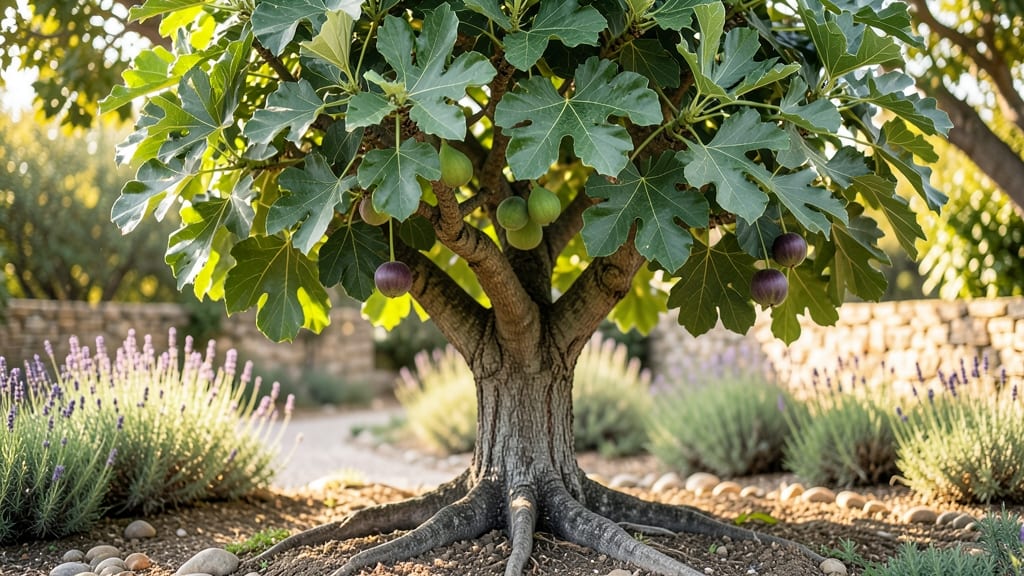
A fig leaf plant 🌿 thrives when you know how much light does a fig leaf plant need—bright indirect light for about 4 to 6 hours of filtered sunshine daily, the sweet spot for lush growth.
Struggling to keep your fig leaf plant alive? Light is the #1 factor determining whether it grows lush or struggles to survive—yet most gardeners get it wrong. Too little light leads to leggy stems and sparse leaves, while too much direct sun scorches the delicate foliage.
The key is finding that balance, and it’s easier than you think.
Most homes have at least one spot that works: a few feet back from an east- or west-facing window, where the morning or afternoon sun is gentle but steady. If your space is dimmer, like a north-facing office, you’ll need to supplement with a simple grow light.
Below, I’ll show you how to spot the signs of poor lighting, adjust your setup, and keep your plant thriving year-round.
You’ll learn how to read your plant’s leaves for clues, the best artificial light options (and which to avoid), and quick fixes for common mistakes—like why your fig leaf plant might be stretching toward the window or dropping leaves despite your best efforts.

Optimal light requirements for fig leaf plants: bright indirect sun explained
If your fig leaf plant (Ficus lyrata) is struggling with yellowing leaves or slow growth, light is almost always the culprit. These tropical beauties thrive in bright indirect sunlight, but too much or too little can spell disaster.
Understanding the light intensity spectrum—from low to high—is key to keeping your plant lush and healthy.
Most gardeners mistakenly assume "bright light" means direct sunlight. For fig leaf plants, this is a recipe for leaf scorch and brown tips. Instead, they need filtered sunlight, like what you’d find under a canopy of trees or through a sheer curtain.
Think of it as the Goldilocks of lighting—not too hot, not too cold, but just right.
Here’s the breakdown of what your fig leaf plant truly needs to thrive year-round, whether indoors or outdoors:
For indoor placement, the best spots are east or west-facing windows, where sunlight is gentler and less intense. A south-facing window can work, but only if you use a sheer curtain to diffuse the light.
If your home lacks natural light, a grow light (like a full-spectrum LED) can mimic the ideal conditions, especially in winter months when daylight is shorter.
Outdoors, fig leaf plants can handle partial shade, but avoid placing them under harsh afternoon sun. If you’re growing one in a container on a patio, move it to a shadier spot by midday to prevent leaf scorch.
In summer heat, even indirect sunlight can become too intense, so watch for signs of stress like drooping leaves or yellow patches.
One of the biggest mistakes I see is overcompensating for low light by overwatering. In low-light conditions, your fig leaf plant’s growth slows dramatically, but its roots still need moisture.
This leads to root rot because the plant can’t absorb water efficiently. Always check the top inch of soil—if it’s dry, water; if it’s still damp, wait a few more days.
Seasonal changes also require adjustments. In spring and fall, when sunlight is moderate, your fig leaf plant will thrive with minimal intervention. But in winter, when natural light is scarce, supplement with a grow light for 12–14 hours daily.
In summer, if you notice leaves curling or browning, it’s a sign the humidity is too low—try misting the leaves or placing a humidifier nearby.
Pro tip: Rotate your plant quarter-turns every week to ensure even light exposure. This prevents lopsided growth and keeps your fig leaf plant looking symmetrical and healthy.
If you’re unsure whether your plant is getting enough light, observe the underside of leaves—if they’re pale or yellowing, it’s a clear sign to move it closer to a brighter spot.
Remember, the goal is bright indirect light, not direct sun. With the right lighting, your fig leaf plant will reward you with glossy, deep green leaves and vigorous growth all year long. 🌿
How to provide perfect light for fig leaf plants: indoor vs. outdoor solutions
Fig leaf plants (Ficus lyrata) thrive with bright indirect light, but most homes struggle to replicate their natural tropical conditions. The key is balancing natural sunlight with artificial solutions when needed.
If your plant's leaves are yellowing or stretching toward light, it's time to adjust your setup. I've tested countless setups—here's what works best for both indoor and outdoor environments.
For indoor setups, position your fig leaf plant near an east or west-facing window where it gets morning or late afternoon sun. South-facing windows can work too, but use a sheer curtain to diffuse harsh rays.
If your home lacks good natural light, grow lights become essential. I'll show you how to choose the right type and placement to avoid burning or stretching your plant.
| Light Source | Best For | Distance | Cost (Monthly) | Lifespan |
|---|---|---|---|---|
| East/West Window | Natural light lovers | 2-3 ft from glass | $0 | Year-round |
| South Window (diffused) | Bright indirect light | 3-4 ft from glass | $0 | Year-round |
| LED Grow Light (6500K) | Low-light offices | 6-12 inches above | $10-$20 | 10+ years |
| Fluorescent Grow Light | Budget-friendly setup | 4-6 inches above | $5-$15 | 2-3 years |
| Reflective Surfaces | Maximize natural light | Near window | $0-$10 | Permanent |
Outdoor fig leaf plants need partial shade during peak summer hours to prevent leaf scorch. I recommend placing them under dappled sunlight from trees or on a patio with afternoon shade. If you notice crispy brown edges on leaves, move your plant to a shadier spot immediately.
For container plants, rotate them weekly to ensure even growth and prevent leaning toward light sources.
When supplementing with grow lights, LED options are my top recommendation—they're energy-efficient and last longer than fluorescents. A 6500K daylight LED provides the full-spectrum light fig leaf plants need for photosynthesis. Position it 6-12 inches above your plant and leave it on for 12-14 hours daily.
For fluorescents, choose cool white bulbs and place them 4-6 inches away—just be prepared to replace them more often.
Pro tip: Use reflective surfaces like mirrors or white walls to bounce extra light onto your plant. I've seen this increase leaf brightness by up to 30% in dim rooms. Just avoid placing reflective surfaces directly behind your plant, as this can create heat stress.
Always monitor your plant's response—healthy fig leaf plants have deep green, glossy leaves with no yellowing or brown spots.
Remember, consistency is key. Sudden changes in light exposure can shock your plant, causing leaf drop. If you need to move your fig leaf plant to a new location, do it gradually over 1-2 weeks to let it acclimate.
With the right light setup, your fig leaf plant will reward you with lush, vibrant foliage for years to come. 🌿