
Trees
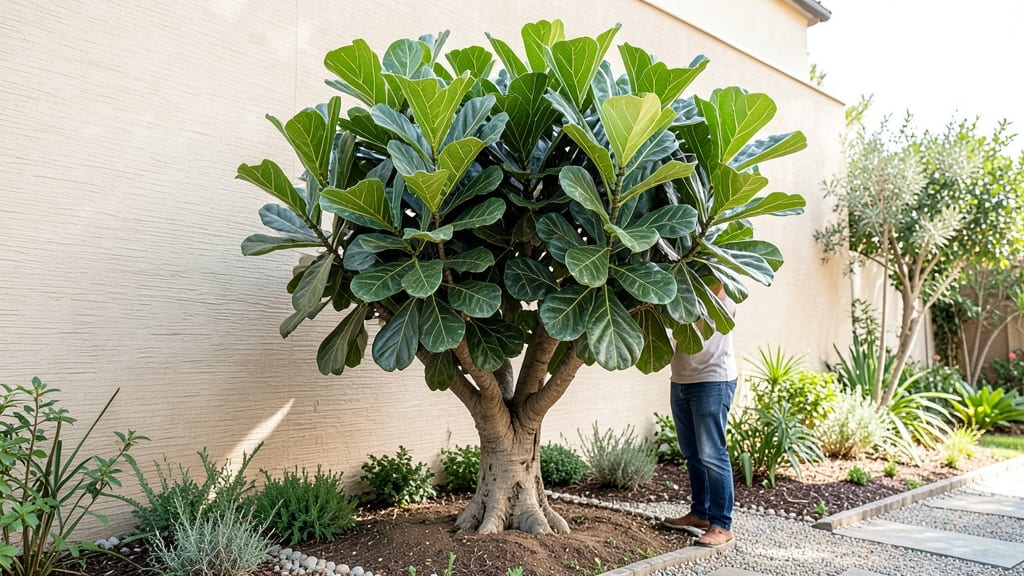
Fiddle leaf fig trees grow to 10–15 feet tall indoors, a height that can transform your space into a lush tropical retreat—but only if you’re prepared for their rapid growth.
If you’re dreaming of a lush, tropical indoor jungle but wondering whether a fiddle leaf fig will soon reach your ceiling, you’re not alone—this fast-growing favorite can surprise even seasoned plant parents with its eventual height.
Under ideal conditions—bright, indirect light and consistent care—your 🌿 Fiddle Leaf Fig Tree can shoot up 1–2 feet per year in its early years, making early pruning a must if you want to keep it manageable.
Without intervention, it’ll stretch toward the sky, testing the limits of your ceiling fans and light fixtures.
In this guide, you’ll discover how to predict your plant’s growth, choose the right variety for your space, and use simple pruning techniques to control its height—so you can enjoy its stunning foliage without the ceiling drama.


Fiddle leaf fig tree height by variety: growth expectations explained
If you’ve fallen for the glossy fiddle leaf fig (Ficus lyrata), you’re likely wondering just how tall this tropical beauty can grow—especially indoors where space is limited. The answer depends on the variety, care conditions, and whether you’re growing it in a pot or outdoors.
While some varieties stay compact, others can reach ceiling heights in just a few years, making height control a key consideration for plant parents.
Under ideal conditions, a mature fiddle leaf fig can grow 10 to 15 feet tall, but this varies dramatically between varieties. For example, the ‘Compacta’ variety stays shorter, while the standard Ficus lyrata can shoot up quickly if left unchecked.
Understanding these differences—and how to influence growth—will help you plan for your plant’s future size and manage its height effectively.
Light exposure is the #1 factor influencing height. Too little light slows growth, but too much direct sun can cause leaf scorch and stress, leading to rapid, leggy growth. Similarly, container size plays a role: root-bound plants grow taller faster as they stretch for space. Pruning also dramatically impacts height, allowing you to shape your plant into a bushier, more manageable form.
| Variety | Mature Height (Indoor) | Growth Rate | Height in 3 Years | Best For |
|---|---|---|---|---|
| Standard Ficus lyrata | 10–15 ft | Fast (1–2 ft/year) | 6–10 ft | Large spaces, ceilings ≥10 ft |
| ‘Compacta’ | 6–10 ft | Moderate (6–12 in/year) | 4–6 ft | Small apartments, offices |
| ‘Bambino’ | 3–5 ft | Slow (3–6 in/year) | 2–3 ft | Tables, shelves, small pots |
| ‘Variegata’ | 8–12 ft | Fast (1–2 ft/year) | 5–8 ft | Statement plants, large rooms |
| ‘Little Miss Figgy’ | 3–4 ft | Slow (3–6 in/year) | 2–3 ft | Desks, countertops, gifts |
If you’re eyeing the ‘Bambino’ or ‘Little Miss Figgy’, you’re in luck—they’re bred to stay petite, making them perfect for tables and shelves. These dwarf varieties rarely exceed 4 feet, even with ideal care.
However, if you love the classic look of a standard fiddle leaf fig, be prepared for rapid growth: without pruning, it can hit 10 feet in just 3–5 years. The ‘Variegata’, with its stunning white-variegated leaves, grows almost as fast but adds a dramatic visual punch.
One of the biggest misconceptions is that fiddle leaf figs grow equally well indoors and outdoors. While they thrive outdoors in USDA Zones 10–12, indoor growth is slower due to limited light and space.
Outdoors, they can reach 15–20 feet in tropical climates, but indoors, even the fastest growers max out at 12–15 feet unless given exceptional care. To slow height growth indoors, choose a smaller pot (12–16 inches in diameter) and prune regularly.
Pruning isn’t just for height control—it also encourages fuller foliage and healthier growth. The best time to prune is spring or early summer, when your plant is actively growing. Use clean, sharp shears to cut just above a leaf node (the bump where leaves grow).
This encourages new branches to form, creating a bushier, more compact shape. Avoid pruning in winter, as the plant enters dormancy and healing takes longer.
Light isn’t just about intensity—it’s also about duration. Fiddle leaf figs need 6+ hours of bright, indirect light daily. If your plant stretches toward the window with long, bare stems, it’s a sign of light deprivation.
Rotate your plant quarter-turns every few weeks to ensure even growth. For low-light conditions, supplement with a grow light (12–14 hours/day) to maintain compact growth and vibrant leaves.
Container size directly impacts height. A root-bound fiddle leaf fig will grow taller faster as it searches for space. If you want to keep your plant shorter and bushier, repot into a container that’s only 2–3 inches larger in diameter than its current pot.
This gentle root restriction signals the plant to grow outward instead of upward. Just ensure the pot has drainage holes to prevent root rot—a common issue with overwatered fiddle leaf figs.
Finally, don’t underestimate the power of fertilizer. During the growing season (spring–summer), feed your fiddle leaf fig with a
How to control fiddle leaf fig height: pruning and care tips
If you’ve ever watched your fiddle leaf fig shoot up like a jungle giant, you know how quickly these plants can outgrow their space. With the right pruning techniques and care adjustments, you can keep your plant lush and manageable instead of towering over your head.
The key is understanding when to trim and how to support healthy growth without stunting it.
Fiddle leaf figs naturally grow 10-15 feet tall indoors when left unchecked, but with strategic pruning, you can encourage fuller foliage and control their height. I’ve found that container size and light exposure play huge roles in vertical growth—more on that later.
Let’s start with the basics of when and how to prune for the best results.
⚠️ WARNING: Over-Pruning Risks Pruning your fiddle leaf fig too aggressively can stress the plant and lead to leaf drop or stunted growth. Always trim just above a leaf node (where leaves grow) to encourage new branches.
Avoid cutting into bare stems—this can create weak growth points. If you’re unsure where to cut, wait until you see at least 3-4 leaves above your target spot for safety.
Timing is everything when it comes to pruning. The best time to trim your fiddle leaf fig is in early spring or late summer, when the plant is entering a growth phase. Avoid pruning during winter dormancy (November-February), as the plant needs all its energy to survive.
I like to schedule my pruning right after repotting in spring—it’s a great way to shape the plant while it’s recovering from the transplant shock.
To slow vertical growth, choose a pot that’s only 2-3 inches larger than your plant’s current root ball. A smaller container restricts root expansion, which in turn limits how tall your fiddle leaf fig can grow.
Pair this with a well-draining soil mix (like a blend of potting soil, perlite, and orchid bark) to prevent root rot, which can weaken the plant and encourage rapid, unstable growth.
Lighting is another critical factor in controlling height. Fiddle leaf figs grow taller and leggier when they don’t get enough light, as they stretch toward any available brightness. Place your plant near an east or north-facing window for bright indirect light, which promotes bushier growth.
If your space lacks natural light, supplement with a grow light for 12-14 hours a day—this mimics summer conditions and keeps growth balanced.
Common mistakes like overwatering or underwatering can also accelerate height. Let the top 1-2 inches of soil dry out between waterings to prevent root stress, which can cause the plant to grow rapidly in an attempt to recover.
And always use a pot with drainage holes—soggy soil is a fast track to a leggy, unstable fiddle leaf fig. With these tips, you’ll keep your plant thriving at a height that works for your space!