
Tools
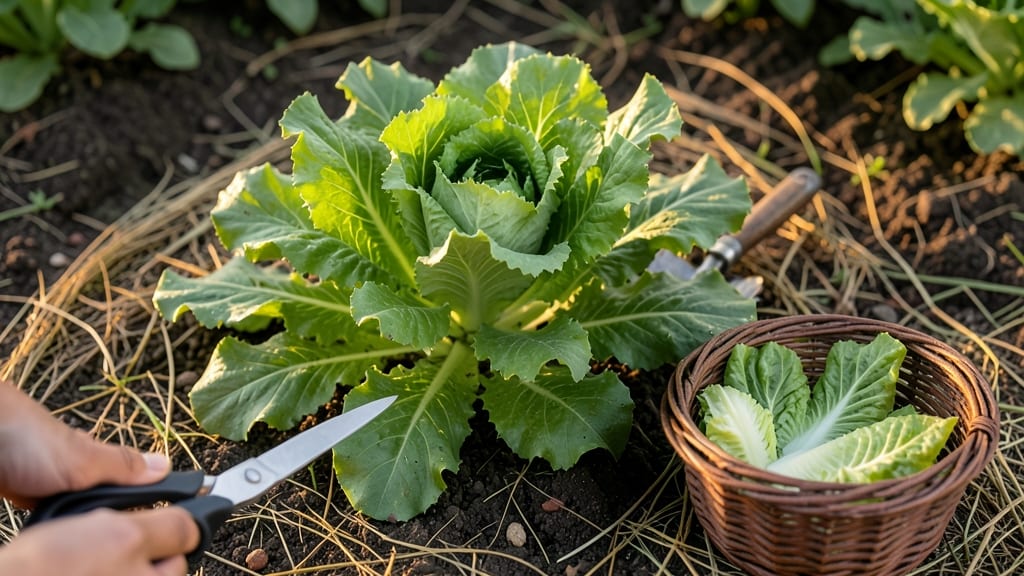
How to cut leaf lettuce from the garden the right way keeps your harvest fresh and your plants growing. ✂️ I learned the hard way that yanking leaves by hand leaves ragged stems and stunted regrowth—now I use sharp scissors and a gentle touch to harvest without hurting the plant. You'll need clean, sharp pruning shears or scissors (dull blades crush stems), a bowl for holding leaves, and a sunny day with dry foliage. The best time is morning after dew dries, when leaves are crisp and full of flavor. Always cut just above a leaf node where new growth starts—this encourages bushier plants. With the right technique, you'll get tender leaves for weeks, not just one sad harvest. Baby leaves stay sweet and crisp, while mature leaves develop deeper flavor. The plants stay productive for 6-8 weeks if you cut properly and keep them well-watered. For continuous harvests, avoid cutting more than ⅓ of the plant at once. Mulch around the base to retain moisture, and protect from afternoon sun during hot spells. The first few harvests might feel small, but your lettuce will reward patience with bigger, healthier growth each time.
📚 In This Guide
- What you need
- Instructions
- Tips and common mistakes
- Wrapping up and next steps
What you need
- ● Sharp kitchen shears or pruning scissors – Choose stainless steel blades (4-6 inches long) for clean cuts. Must be sanitized!
- ● Clean harvesting container – A shallow basket, bowl, or colander (preferably food-grade) to hold freshly cut leaves.
- ○ Water spray bottle (optional but helpful) – For rinsing off dirt or pests mid-harvest.
- ○ Gloves (optional) – Nitrile or latex gloves to protect hands from soil, thorns, or sap.
- ● Pruning knife or small garden knife – For trimming thicker stems or stubborn leaves (backup to scissors).
- ● Plastic or paper plates (for sorting) – To separate healthy leaves from damaged ones.
- ● Mature lettuce plants (outer leaves should be 4-6 inches tall for cutting).
- ● Dry weather or morning harvest time (avoid wet leaves to prevent rot).
- ● Sanitized tools (soak scissors/knives in 1 part bleach to 9 parts water for 10 mins, then rinse).
Step-by-Step instructions for harvesting leaf lettuce
Here's how to snip perfect leaves without stressing your plants or ruining future growth.
✂️ Step 1: Choose the Right Tools and Timing
Use clean, sharp scissors or pruning shears—dull blades crush stems and invite rot. I keep a small pair dedicated just to lettuce harvesting so I don't cross-contaminate with other garden pests. The best time to cut is in the morning after dew dries but before the midday heat sets in. This ensures crisp leaves and minimal wilting.
Look for outer leaves that are at least 3-4 inches long with fully developed edges. These are mature enough to harvest while leaving the inner leaves to keep growing. Never cut more than one-third of the plant at a time—this keeps your lettuce producing for weeks instead of bolting in frustration.
🌿 Step 2: Select Leaves for Clean Cuts
Examine the plant and choose leaves that are fully grown but not yet bitter. The outer leaves are always the best candidates—they've had more time to develop flavor and texture. Avoid cutting leaves that are still curled tightly or showing signs of yellowing, as these indicate stress or age.
I like to work from the outside in, moving clockwise around the plant. This way, I can see the entire plant's condition and make sure I'm not accidentally harvesting too much from one side. Hold the leaf gently between your thumb and forefinger to steady it before cutting—this prevents the stem from slipping and creating jagged cuts.
✂️ Step 3: Make Clean, Precise Cuts
Position your scissors just above where the leaf stem meets the main plant—about ¼ inch above the base. Angle the cut slightly downward to follow the natural growth line of the leaf. This prevents water from pooling on the cut stem and reduces the risk of disease. A clean cut also encourages faster regrowth.
Apply gentle pressure and cut with a single, smooth motion. You'll hear a satisfying "snip" when done right. If you're using a knife instead of scissors, make sure it's sharp and held at a 45-degree angle to avoid tearing the stem. After cutting, immediately remove the leaf from the plant to prevent it from crushing nearby growth.
💧 Step 4: Post-Harvest Care for Continued Growth
After harvesting, give the plant a light watering to help it recover quickly. Focus on the base of the plant rather than overhead watering, which can spread any potential pathogens. I like to use a small watering can with a narrow spout to deliver water precisely where it's needed without disturbing the remaining leaves.
Remove any yellow or damaged leaves that remain on the plant after your harvest. These can harbor pests or diseases that might affect the new growth. If your lettuce is looking a bit leggy after multiple harvests, consider giving it a bit more shade for a few days to encourage bushier regrowth.
☀️ Step 5: Store and Use Your Harvest
Place freshly cut lettuce in a plastic bag with a paper towel to absorb excess moisture. Store it in the crisper drawer of your refrigerator, where it will stay fresh for up to 5-7 days. For even longer storage, wash and dry the leaves thoroughly, then pat them dry with a clean towel before storing.
Use your harvested leaves within a few days for the best flavor and texture. Baby leaves are perfect for salads, while slightly larger leaves work well for wraps or sandwiches. The key to successful leaf lettuce harvesting is consistency—regular, gentle cuts keep your plants happy and productive all season long.
Tips & tricks for perfect leaf lettuce harvests
These simple tricks will help you harvest crisp, healthy lettuce leaves without damaging your plants or sacrificing future growth.
Tool Prep Matters: Before you begin, take 2 minutes to sharpen your scissors or pruning shears with a whetstone or honing rod. A dull blade tears stems, which invites rot and slows regrowth. I keep a small sharpening kit in my gardening shed—it's one of the best investments I've made for healthy plants. This ensures clean cuts that heal quickly and look professional.
Visual Cues for Perfect Cuts: In Step 3, when positioning your scissors, look for the slight bulge where the leaf stem meets the main plant—this is your target. The cut should be just above this bulge, about ¼ inch up. You'll know you're doing it right when you hear that satisfying "snip" and see the stem separate cleanly. If you're using a knife, hold it at a 45-degree angle to avoid crushing the stem.
Harvest Strategy: Real talk—harvesting lettuce is all about balance. In Step 1, when selecting leaves, prioritize outer leaves that are at least 3-4 inches long but avoid taking more than one-third of the plant at once. This might seem restrictive, but trust me: it keeps your lettuce producing for weeks instead of bolting in frustration. I've learned this the hard way after watching over-harvested plants turn bitter and give up.
Storage Wisdom: After harvesting, don't wash your lettuce right away—this reduces shelf life. Instead, place the leaves in a plastic bag with a paper towel to absorb excess moisture. Store them in the crisper drawer of your refrigerator, where they'll stay fresh for up to 5-7 days. For even longer storage, wash and dry the leaves thoroughly before storing. This simple step keeps your lettuce crisp and ready for salads or wraps whenever you need it.
Pro Tips for Cut Leaf Lettuce From Garden
- These simple tricks will help you harvest crisp, healthy lettuce leaves without damaging your plants or sacrificing future growth.
- Tool Prep Matters: Before you begin, take 2 minutes to sharpen your scissors or pruning shears with a whetstone or honing rod.
- Visual Cues for Perfect Cuts: In Step 3, when positioning your scissors, look for the slight bulge where the leaf stem meets the main plant—this is your target.
Frequently asked questions
Got questions about harvesting leaf lettuce like a pro?
Here are answers to the most common ones—so you can enjoy fresh, crisp greens without the guesswork.
When is the best time to harvest leaf lettuce?
Harvest leaf lettuce when the outer leaves are at least 4–6 inches tall but before the inner leaves get bitter or bolt (shoot up). Morning harvests are ideal—leaves are crispest and cooler. For continuous harvests, pick outer leaves first, leaving the inner core to regrow for 2–3 weeks.
Can I use scissors, shears, or my hands to cut lettuce?
Scissors or sharp shears are best for clean cuts and minimal damage. Never pull leaves by hand—it can tear the plant and invite pests. For delicate varieties, use clean kitchen scissors. Avoid dull tools; they crush leaves, leading to faster spoilage.
What if my lettuce bolts or tastes bitter?
Bitter taste or bolting (flowering) happens when lettuce gets too hot or stressed. To fix it:
- Harvest earlier in the day when temps are cooler.
- Use shade cloth (30–50%) if growing in summer.
- Choose heat-tolerant varieties like ‘Black Seeded Simpson’ or ‘Jericho.’
- Water consistently to avoid stress.
How do I store freshly cut lettuce to keep it fresh?
Store lettuce in the crisper drawer of your fridge, wrapped in a damp paper towel inside a plastic bag (poke holes for airflow). For longer storage, trim roots and place leaves in a jar of water in the fridge—like a bouquet! Use within 5–7 days for peak freshness.
Can I regrow lettuce after cutting it?
Yes! Leaf lettuce is cut-and-come-again. After harvesting outer leaves, leave the inner core (with at least 2–3 inches of growth). Keep soil moist, and new leaves will sprout in 1–2 weeks. Avoid cutting more than 1/3 of the plant at once to prevent stress.
What should I do if pests or diseases appear?
Prevent pests with row covers or neem oil. For common issues:
Problem
Solution
Slugs/Snails
Handpick at night or use beer traps (bury a cup filled with beer).
Aphids
Spray with soapy water (1 tsp mild soap per quart of water).
Powdery Mildew
Improve airflow; spray with baking soda mix (1 tsp baking soda + 1 quart water + drop of soap).
Wrapping up and next steps
Cutting leaf lettuce from your garden doesn’t have to be a messy task—with the right tools and techniques, you’ll harvest fresh, crisp greens in no time! 🌿 Whether you’re using sharp scissors, pruning shears, or a clean knife, the key is precision and care to encourage regrowth.
Now that you’re equipped with the know-how, why not share your harvest? Invite friends over for a garden-fresh salad or experiment with new recipes using your homegrown bounty.
Ready to take it further? Try growing a variety of leaf lettuces next season—mix in buttercrunch, romaine, or arugula for even more flavor! Happy harvesting! 🌱