
How To
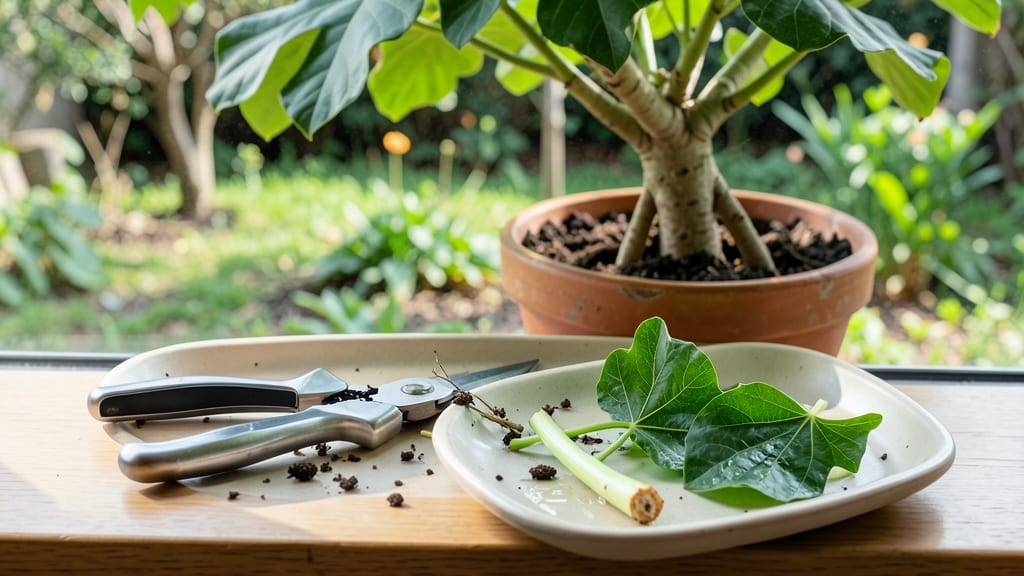
Pruning a fiddle leaf fig isn’t about hacking away leaves—it’s about reviving its natural shape and encouraging that glossy, lush growth you fell in love with. 🌿 I’ve turned my once-ragedy, leggy fig into a bushy, vibrant centerpiece by following a few key steps, and you can too.
Start in spring or early summer when new growth is active, and always use clean, sharp pruners to avoid crushing stems. Snip just above a leaf node at a 45-degree angle—this prevents water pooling and keeps the plant healthy.
Dead or yellowing leaves get the chop first, but don’t overdo it: aim to remove no more than 20-30% of the plant at once.
After pruning, give your fig a light boost—move it to a bright, indirect spot (no harsh afternoon sun) and keep the soil lightly moist but not soggy. The real magic happens when you propagate those cuttings: dip them in rooting hormone and place them in water.
Within 4-6 weeks, you’ll have baby figs ready to thrive—free plants for your collection!
📚 In This Guide
- What you need
- Instructions
- Tips and common mistakes
- Wrapping up and next steps
What you need
- ● Sharp pruning shears or bypass pruners – Choose sterilized, high-quality shears (4-6 inch blades) to make clean cuts. Avoid dull tools that crush stems!
- ● Rubbing alcohol (70% or higher) or hydrogen peroxide – For sterilizing tools before and after each cut to prevent disease.
- ● Disposable gloves – Protects your hands from latex sap (a mild irritant) and keeps cuts sanitized.
- ● Small container with water – To rinse tools between cuts and store cuttings if propagating.
- ○ Horticultural sealant (optional but helpful) – A tree wound dressing (like Tanglefoot) to coat larger cuts and reduce sap oozing.
- ● Spray bottle with water – To mist leaves and reduce stress on the plant post-pruning.
- ● Rooting hormone (for propagation) – Speeds up root growth if you’re growing new plants from cuttings.
- ● Newspaper or drop cloth – Lay down to catch debris and keep your workspace clean.
- ● Sharpie or permanent marker – To label cuttings if propagating multiple varieties.
Step-by-step instructions for pruning a fiddle leaf fig
Here's how I transform leggy, overgrown fiddle leaf figs into bushier, healthier plants with just a few strategic cuts.
✂️ Step 1: Identify the Right Time and Tools
Prune your fiddle leaf fig in spring or early summer when new growth is actively emerging. This timing ensures the plant can quickly recover and put energy into fresh foliage. Avoid pruning in fall or winter—your plant needs all its energy to survive dormancy, not heal cuts.
Gather sharp, clean pruning shears—I use bypass pruners because they make clean cuts that heal faster. Disinfect your tools with rubbing alcohol before and after use to prevent spreading disease. The goal is to make precise cuts at a 45-degree angle, just above a leaf node where new growth can sprout.
✂️ Step 2: Remove Dead or Damaged Leaves
Start by inspecting your plant for any leaves that are yellow, brown, or crispy. These are clear candidates for removal—they’re not just unsightly, they’re draining energy from your plant. Use your shears to snip these leaves at the base, cutting through the stem where it meets the main branch.
If a branch has more than one damaged leaf, check for signs of larger issues like root rot or pest infestation. A healthy fiddle leaf fig should have firm stems and glossy, vibrant leaves. If you see mushy stems or webbing, address the root cause before pruning further.
✂️ Step 3: Trim Leggy or Overgrown Branches
Leggy growth—long, sparse stems with few leaves—is the most common reason people prune fiddle leaf figs. To encourage bushier growth, cut back leggy branches by about one-third to one-half their length. Make your cut just above a leaf node, where a new branch can grow out.
Don’t panic if it looks drastic—fiddle leaf figs respond well to pruning. The key is to cut at the right angle and avoid leaving stubs. You’ll see new growth emerge from the leaf nodes within 4-6 weeks. If you’re unsure where to cut, look for the small bump or node where leaves attach—this is your target.
✂️ Step 4: Shape the Plant for Balance
Step back and assess your fiddle leaf fig’s overall shape. You want to create a balanced silhouette with even growth on all sides. If one side is significantly taller or fuller, trim back that side slightly to encourage evenness. Avoid cutting too much at once—gradual shaping prevents shock.
For a fuller look, you can also pinch back the tips of new growth. Use your fingers to gently remove the top inch or two of soft, new shoots. This encourages the plant to branch out instead of growing tall and sparse. Just be careful not to damage the main stem.
💧 Step 5: Care for Your Fig After Pruning
After pruning, your fiddle leaf fig will need extra attention to recover. Water lightly but consistently for the first 2-3 weeks, keeping the soil slightly moist but never soggy. Overwatering after pruning can lead to root stress or rot, especially if you’ve cut back a lot of foliage.
Place your plant in a spot with bright, indirect light—no direct sun for at least a week. This helps the cuts heal without stressing the plant. You’ll notice new growth within a few weeks, and your fiddle leaf fig will start looking fuller and healthier than ever.
Tips & tricks for pruning a fiddle leaf fig
Transforming your fiddle leaf fig from sparse to lush takes more than just snipping—it’s about strategic cuts and plant biology. These insights will help you avoid common mistakes and maximize recovery.
Timing is Everything: The spring or early summer window isn’t just about avoiding dormancy—it’s when your plant’s growth hormones are most active. Think of it like giving your fig a growth boost while it’s already primed to heal. If you prune in late summer, you risk stunting fall growth before winter dormancy begins.
Precision Cuts Prevent Problems: That 45-degree angle isn’t arbitrary—it prevents water from pooling on the cut surface, which can lead to rot. Use your pruners to make clean cuts just above a leaf node (that small bump where leaves attach). If you leave stubs, they’ll dry out and create entry points for pests or disease. For thicker stems, consider making two cuts: the first at a shallow angle, then a second straight across.
Assess Before You Cut: Before removing any healthy growth, check for signs of stress beyond just color. Run your fingers along the stems—healthy ones should feel firm, while mushy or hollow stems indicate root rot. And here’s a pro move: if you’re unsure about a cut, wait a week. New growth that emerges after pruning is a clear sign your plant is ready for more aggressive trimming.
Gradual Shaping Wins: Don’t try to achieve perfect symmetry in one session. Fiddle leaf figs respond better to progressive shaping. After your first pruning, wait 4-6 weeks before making further adjustments. This gradual approach lets your plant redirect energy to healing rather than compensating for sudden changes. You’ll notice new shoots emerging from the leaf nodes you preserved—these are your plant’s way of telling you it’s happy with the changes.
Pro Tips for Prune A Fiddle Leaf Fig
- Transforming your fiddle leaf fig from sparse to lush takes more than just snipping—it’s about strategic cuts and plant biology.
- Timing is Everything: The spring or early summer window isn’t just about avoiding dormancy—it’s when your plant’s growth hormones are most active.
- Precision Cuts Prevent Problems: That 45-degree angle isn’t arbitrary—it prevents water from pooling on the cut surface, which can lead to rot.
Frequently asked questions
Got questions about pruning your fiddle leaf fig? You’re not alone! Here are some of the most common concerns—plus straightforward answers to keep your plant thriving.
When is the best time to prune a fiddle leaf fig?
Prune your fiddle leaf fig in spring or early summer when it’s actively growing. Avoid pruning in winter (its dormant phase) or during extreme heat, as it may stress the plant. Aim for every 1-2 years for maintenance, or more often if you’re shaping it or removing dead leaves.
Can I prune a fiddle leaf fig too much?
Yes! Over-pruning—cutting more than 20-30% of the foliage at once—can shock your plant, leading to leaf drop or stunted growth. Stick to selective trimming (removing only damaged, yellow, or overgrown leaves) unless you’re rejuvenating an overgrown plant. Always leave at least 3-4 healthy leaves per stem.
What should I do with the cuttings after pruning?
Don’t toss those cuttings! Fiddle leaf figs root easily in water. Place 4-6 inch cuttings in a jar of water, keeping them in bright, indirect light. Change the water every 3-5 days. Once roots are 2+ inches long (4-6 weeks), transplant them into soil. Pro tip: Use a rooting hormone to speed up growth!
Why is my fiddle leaf fig dropping leaves after pruning?
Leaf drop can happen if you prune too aggressively or during stress (like temperature swings or drafts). To help your plant recover:
- Move it to a stable, warm spot (65-85°F) away from AC/heating vents.
- Water only when the top 1-2 inches of soil are dry—overwatering worsens stress.
- Avoid fertilizing for 4-6 weeks post-prune.
Can I prune a fiddle leaf fig to encourage bushier growth?
To promote bushiness, prune just above a leaf node (the bump where leaves grow). This encourages new branches to sprout. For a fuller look, trim back leggy stems to half their length—just avoid cutting into the woody trunk, as it won’t regrow.
Wrapping up and next steps
Pruning your fiddle leaf fig doesn’t have to be intimidating—it’s all about promoting health, shape, and vibrancy!
By following the right steps—like using sharp tools, timing your cuts, and cleaning up properly—you’ll encourage bushier growth and prevent overcrowding. 🌿 With a little practice, you’ll master the art of trimming and keep your plant thriving for years.
Ready to take the next step? Monitor your plant’s progress after pruning and adjust future cuts based on its needs. Happy trimming—and enjoy your lush, happy fiddle leaf fig! 🌟