
Pruning
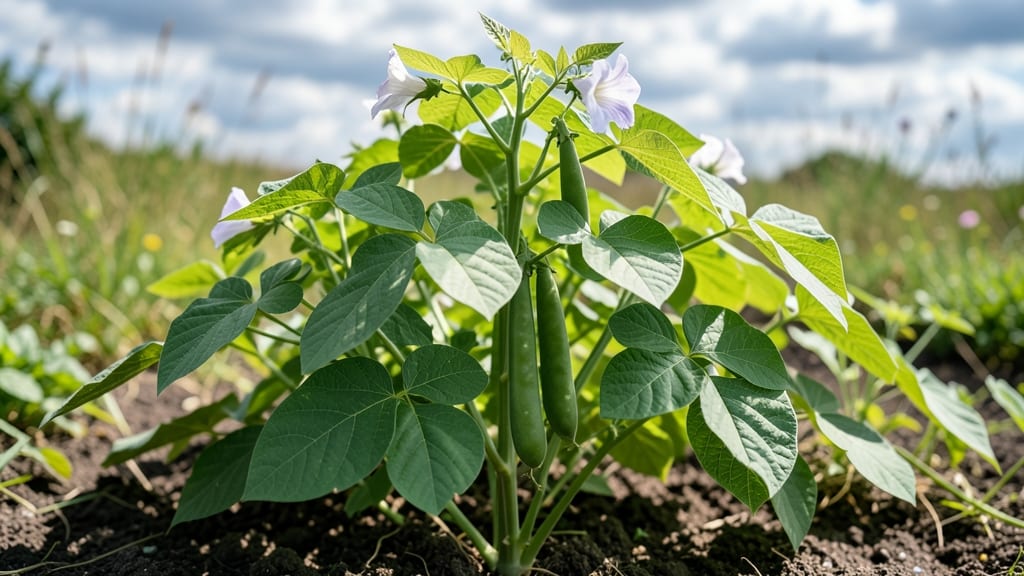
Those unsightly brown spots on the Indian bean tree leaf? Copper spray is the game-changer you need to stop fungal diseases in their tracks. ✨ I’ve battled this exact issue with my mature trees, and the right application makes all the difference—no more wilting leaves or weakened growth.
The key is precision: target the undersides of leaves where spores hide, and apply when conditions are dry but humidity is high. A 30-second spray with a 1% copper fungicide (like copper sulfate) every 7-10 days until new growth appears will turn the tide.
Overwatering or crowded branches make problems worse, so prune back any dead or overlapping foliage first. You’ll see fresh, vibrant green leaves within 2-3 weeks if you catch it early. The copper kills spores without harming beneficial insects, and the tree rebounds stronger than before.
Just avoid spraying in direct sun—it can burn tender leaves. Works for powdery mildew, rust, and other fungal spots. Here’s how to do it right without overdoing it.
📚 In This Guide
- What you need
- Instructions
- Tips and common mistakes
- Wrapping up and next steps
What you need
- ● Copper fungicide spray: 1–2 bottles (16–32 oz each) of a copper-based fungicide (e.g., Copper Sulfate or Copper Hydroxide). Look for a 0.5–2% copper concentration for optimal results.
- ● Garden sprayer: A hose-end sprayer (for large trees) or a handheld pump sprayer (for targeted application). Ensure it’s clean and dedicated to fungicides to avoid cross-contamination.
- ● Pruning shears: A pair of sterilized, sharp pruning shears (disinfect with 70% isopropyl alcohol before use).
- ● Safety gear: Gloves (nitrile or rubber, to avoid skin irritation from copper).
- ● Long sleeves and pants (to protect from spray drift).
- ○ Safety goggles (optional but recommended for eye protection).
- ● Water source: A hose with adjustable nozzle (for rinsing tools and diluting copper spray if needed).
- ● Leaf blower: To clear debris and dry leaves before spraying (reduces fungal spread).
- ● Ladder: For reaching higher branches safely (if your tree is tall).
- ● pH test kit: To check soil pH (copper works best in slightly acidic to neutral soil (pH 6.0–7.0)).
- ○ Compost or mulch: To improve soil health post-treatment (optional but beneficial).
Step-by-step instructions for treating fungal spots on Indian bean trees
Here’s how I tackle fungal spots with copper spray—precise, effective, and gentle on your plants.
🌿 Step 1: Identify and Confirm the Fungal Issue
Start by examining the leaves closely. Fungal spots on Indian bean trees usually appear as dark brown or black circular patches with yellow halos. These spots often start on older leaves and spread if left untreated. Run your fingers gently over the affected areas—you’ll feel a slightly raised, velvety texture where the fungus has taken hold.
Check the undersides of leaves too, as fungal spores often cluster there. If you see white or gray powdery residue, it’s likely powdery mildew, which requires a slightly different approach than spot treatments. Confirm the issue before spraying, because over-treating with copper can harm beneficial microbes in the soil.
💧 Step 2: Prepare the Copper Spray Solution
Mix 1 teaspoon of copper fungicide (like copper sulfate or copper hydroxide) with 1 gallon of water in a clean spray bottle or pump sprayer. I like to add ½ teaspoon of mild liquid soap (like Castile soap) to help the solution stick to the leaves. Shake well before each use—copper tends to settle at the bottom.
Wear gloves and avoid inhaling the spray, as copper can irritate skin and lungs. Test the solution on a small, inconspicuous leaf first to ensure it doesn’t cause browning or damage. If the leaf looks fine after 24 hours, you’re good to proceed. This step is critical—over-diluting the spray weakens its effectiveness, while over-concentrating can burn the leaves.
☀️ Step 3: Apply the Spray at the Right Time
Spray the copper solution early in the morning or late in the afternoon when the sun is less intense. Direct sunlight can cause the copper to dry too quickly or even scorch the leaves. Hold the sprayer 12-18 inches away from the plant and apply until the leaves are thoroughly wet on both sides. Focus on the undersides, where spores hide, but don’t forget the stems and new growth.
Lightly mist the surrounding soil too—this helps prevent spores from splashing back onto the leaves during watering or rain. Avoid spraying when rain is forecast within 24 hours, as the copper will wash away before it can work. Repeat the treatment every 7-10 days until new leaves emerge without spots, which usually takes 3-4 applications for full recovery.
✂️ Step 4: Remove Severely Infected Leaves
While the copper spray works, don’t rely on it alone for heavily infected leaves. Prune away any leaves with large, spreading spots using sterilized scissors (wipe them with rubbing alcohol between cuts). Drop the infected leaves into a sealed plastic bag—never compost them, as spores can survive and reinfect your garden.
After pruning, spray the cuts with a 10% hydrogen peroxide solution (1 part 3% hydrogen peroxide to 9 parts water) to disinfect the wound. This step prevents the fungus from spreading further into the plant. Thin out crowded branches too—better airflow reduces humidity, which fungal spores thrive in. Aim for 3-4 inches of space between leaves to improve drying and circulation.
🪴 Step 5: Prevent Future Fungal Issues
Once your Indian bean tree is spot-free, focus on prevention. Water the base of the plant (not the leaves) in the morning to allow foliage to dry quickly. Avoid overhead watering, which splashes spores onto clean leaves. If your tree is in a shaded or humid area, consider moving it to a sunnier spot with at least 6 hours of direct light daily—fungi love damp, shaded conditions.
Apply a layer of mulch (like shredded bark) around the base to keep soil moisture even and reduce spore splash-back. Every 2-3 months, spray the tree with a neem oil solution (1 tablespoon neem oil + 1 teaspoon soap per gallon of water) as a preventive measure. This natural fungicide strengthens the plant’s defenses without the harshness of copper. With these steps, your Indian bean tree will stay healthy and spot-free for seasons to come.
Tips & tricks for treating fungal spots on Indian bean trees
Here's what nobody tells you about making copper spray work its magic without harming your plants.
Solution Strength Matters: The 1 teaspoon per gallon ratio is precise—don't be tempted to double it for faster results. Too much copper can actually stress the plant and disrupt beneficial soil microbes. If your tree shows signs of stress (yellowing leaves, wilting) after treatment, dilute your next batch with an extra cup of water per gallon. The copper needs to be strong enough to kill spores but gentle enough to protect your plant's health.
Timing is Everything: Those 7-10 day intervals between treatments might seem long, but they're crucial. Spraying too frequently can build up copper levels in the soil, which harms your tree over time. Mark your calendar with the 24-hour waiting period after application and the 7-10 day treatment schedule. In humid climates, you might need the shorter end of that range—watch for new spot formation to guide your timing.
Equipment Upgrade: Regular spray bottles work, but a pump sprayer gives you more control over pressure and coverage. For larger trees, consider a backpack sprayer—it's worth the investment if you have multiple infected plants. When using any sprayer, always clean it thoroughly with vinegar and water after each use to prevent copper buildup that could affect future applications.
Pro Tips for Indian Bean Tree Leaf
- Here's what nobody tells you about making copper spray work its magic without harming your plants.
- Solution Strength Matters: The 1 teaspoon per gallon ratio is precise—don't be tempted to double it for faster results.
- Timing is Everything: Those 7-10 day intervals between treatments might seem long, but they're crucial.
Frequently asked questions
Got questions about treating Indian Bean Tree leaf fungal spots with copper spray? You’re not alone!
Here are answers to the most common concerns—from timing to troubleshooting—so you can tackle those pesky spots like a pro.
How often should I apply copper spray to Indian Bean Tree leaves?
Apply copper fungicide every 7–14 days during active fungal outbreaks (spring to early fall). For preventive care, use it 2–3 times per season—just before rainy periods or when you spot early signs (like yellowing or brown spots). Always follow the product’s label for safety!
Can I use copper spray if my tree is flowering or producing pods?
Yes, but with caution! Copper is low-toxicity when used correctly, but avoid spraying directly on flowers or pods to protect pollinators and prevent residue. Opt for early morning applications when bees are less active, and rinse off leaves if heavy rain follows.
What’s the best time of day to spray copper fungicide?
Spray early morning or late afternoon to avoid leaf burn from direct sunlight. This also allows the copper to bind to the leaf surface before evaporation. Avoid spraying on hot, windy days—it reduces effectiveness and can harm beneficial insects.
My Indian Bean Tree leaves are still getting spots after copper spray. What’s going wrong?
Try these fixes:
- Check coverage: Spray both sides of leaves and the undersides of branches.
- Adjust timing: Fungal spores thrive in humidity—spray before rain, not after.
- Rotate treatments: Mix copper with a baking soda solution (1 tsp baking soda + 1 quart water + a drop of dish soap) for extra defense.
- Prune infected areas: Remove severely spotted leaves to stop the spread.
Are there natural alternatives to copper spray for Indian Bean Trees?
Try these DIY fixes first:
- Neem oil: Mix 1 tbsp neem oil + 1 tsp mild soap in 1 quart water. Spray weekly.
- Milk spray: Use 1 part milk to 9 parts water (add a drop of soap). Reapply every 5–7 days.
- Garlic/onion spray: Blend 2 garlic cloves + 1 onion in 1 quart water, strain, and spray.
For severe infections, copper remains the gold standard—but these can reduce reliance on chemicals.
Wrapping up and next steps
Caring for your Indian Bean Tree (Catalpa) doesn’t have to be a struggle—especially when fungal spots threaten its health! With the right copper spray precision, you can protect your tree and keep it thriving for years.
Remember, consistency is key: monitor leaves regularly, act early, and always prioritize safety with protective gear.
Ready to take action? Grab your copper spray and schedule your next treatment before fungal signs appear. Your tree—and your garden—will thank you! 🌿✨